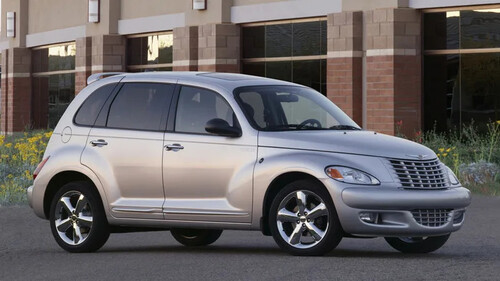
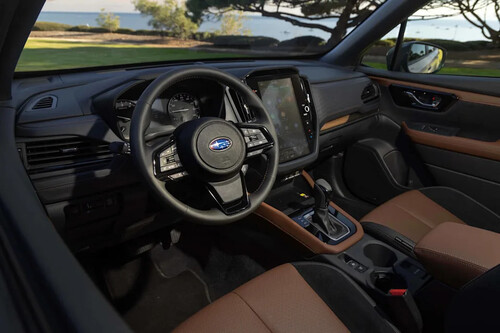
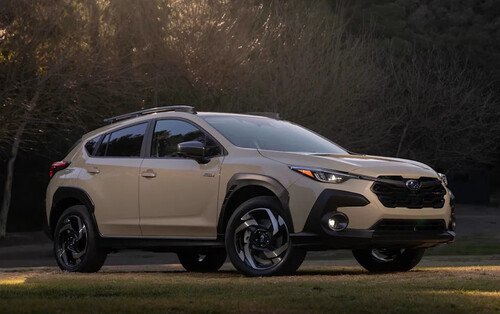
Credit: Marin Tomas / Getty ImagesKey PointsParking in the shade or using a windshield sunshade can significantly reduce interior temperatures.Cracking windows slightly allows airflow and prevents heat buildup without risking rain damage.Keeping your car cool helps avoid discomfort and protects interior materials from heat damage.No matter how much you enjoy summer, getting into a hot car that's been sitting in the scorching heat is never ideal. While temperatures outside may reach the 80s and 90s, the inside of your car can reach 130 or 140 degrees, even after only half an hour of parking.However, you're not entirely at the mercy of scorching temps: there are some ways to help cool your car down that can make a difference. We spoke to a car expert on some of the best ways to keep a car from getting too hot.Meet the ExpertChris Pyle is a full-time auto expert on JustAnswer.How to Keep Your Car From Getting Too HotGiven that leaving your car AC running isn't practical when you're running errands, what is the best way to keep a car cool? According to Chris Pyle, a full-time auto expert on JustAnswer, a few tricks can help.Park in the ShadeOne way to keep things cooler in the car is to look for a shady place to park. According to Pyle, parking in the shade really helps keep a car cool while not in use. Ideally, a parking garage is your best bet, but if that's not available, areas under trees or in the shadow of a building can work well.AdvertisementAdvertisementIf you have a garage at home, parking your car there when you're not using it will help keep it cool until you're ready to drive again.Opt for a Lighter Car ColorIf you already have a car, you're likely not going to go grab a new vehicle solely to keep your interior cooler. However, when purchasing a car or making interior design decisions, it's worth keeping in mind that lighter colors can do wonders during the summer heat.Lighter exterior colors, like white, silver, and light gray, reflect light, while darker colors, like black, absorb it. Interior color can make a difference, too. Lighter colors, like tan, are more reflective than black leather, for example.Another feature that Pyle says can help is tinted windows. Tinted windows can block UV light, which can help lower the cabin temperature, though this mainly depends on the quality of the film used in the installation.Crack Your Windows"Cracking a couple of windows open to vent the heat and allow the wind to flow through helps significantly," Pyle says.AdvertisementAdvertisementYou don't need to open the windows very far to get the benefits. If you're worried about the weather, Pyle notes that window vent visors can prevent rain from entering while the windows are cracked open, so you won't come back to a soaking wet interior.Place a Towel on Leather SeatsLeather seats can feel luxurious until you sit down and feel the scorching heat on your thighs. However, there is a simple solution that can help."A towel can help to keep a leather seat cooler," Pyle says. "Especially if the seat is dark in color and the car is positioned so that the sun is shining right onto the seat."However, Pyle notes that a towel will only block heat from sunshine, not when the cabin is hot due to high temperatures. Still, keeping a towel handy to place on the seat when you have to park in direct sun can provide some relief.Place a Shade in Your WindshieldAnother way to keep the sun out is by using a shade placed inside your windshield. Foldable, compact options can be tucked away until you need them, then can be secured by placing them directly in the window and using car visors on each side to keep them in place.AdvertisementAdvertisement"A shade that you place in the windshield can deflect the light from entering the cab and heating up the dashboard, seats, and center console," Pyle says. "It can help lower the cabin temperature by about 5 to 10 degrees Fahrenheit."What Is the Ideal AC Temperature for Cooling the Car?So, there may be plenty of useful tips for keeping a car cool when you're not using it. But what about when you're back in the car after it's sat outside for a while?While it's tempting to crank the car's AC as high as possible to cool things faster, that may not work as well as you expect. According to Pyle, there are multiple aspects to consider."The AC performance is in relation to many factors. Interior space, ambient air temperature, insulation, the number of windows, the AC performance, and whether you are driving on the highway or stuck in traffic," Pyle says.AdvertisementAdvertisementPyle notes that the average vehicle AC systems cool the air vents down to around 36 to 44 degrees Fahrenheit."If a car is able to get the cabin 20 degrees lower than ambient air temperature, then it is considered to be working well," Pyle says. "On a hot summer day in the sun, around 95. After a long while of running, the lowest you will be able to get the cabin temperature will be around 65."So, is there an ideal temperature to set the AC to that will magically cool everything down?"There is no ideal temperature to cool the car to; just select a temperature of your preference," Pyle says. "The colder you want it, the more the compressor must run, which will reduce your engine power and MPG (miles per gallon), though."AdvertisementAdvertisementRead the original article on The Spruce