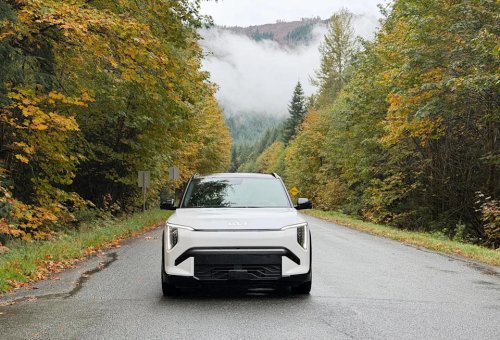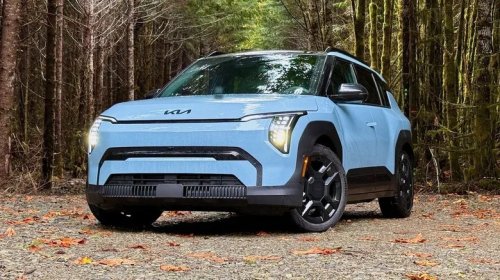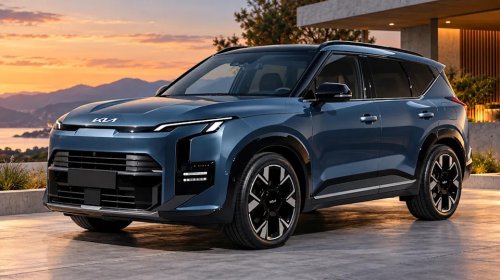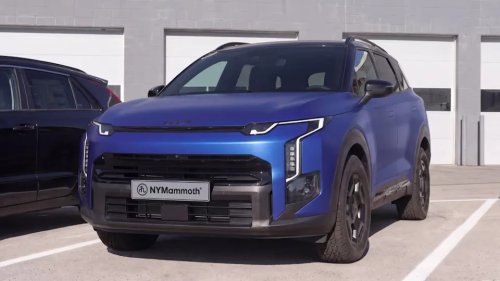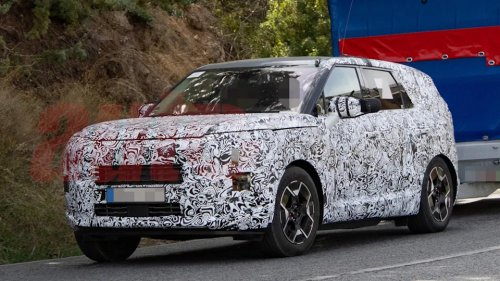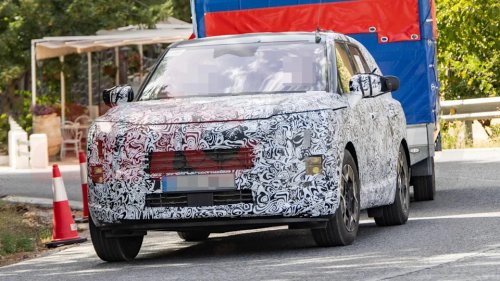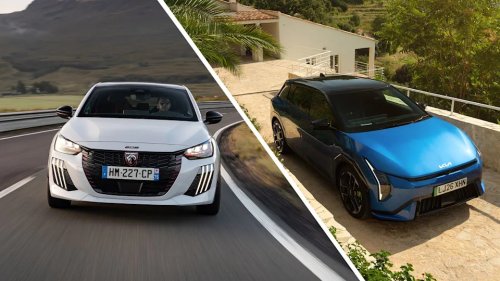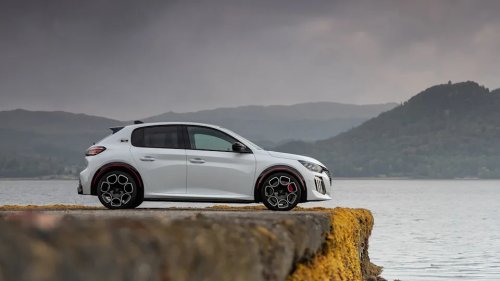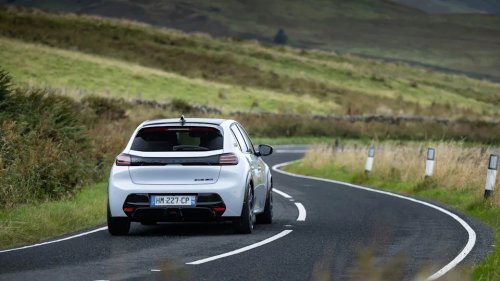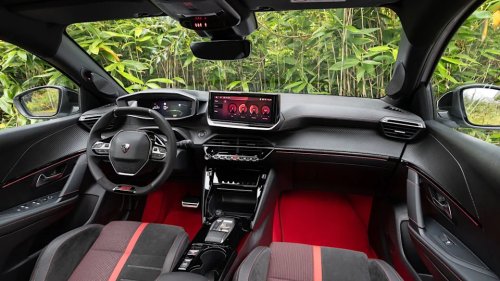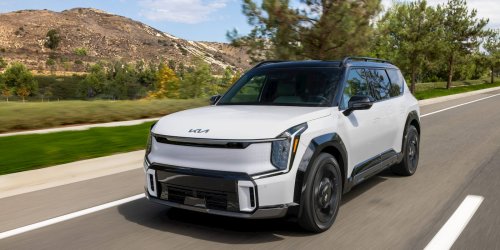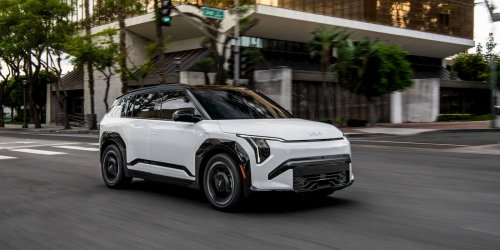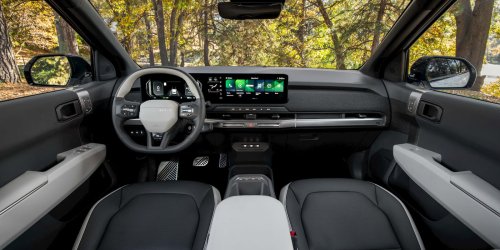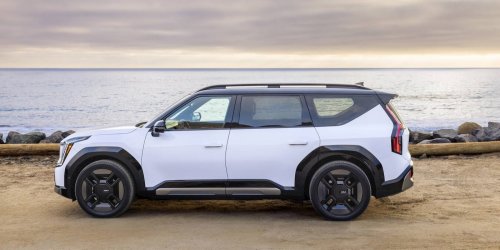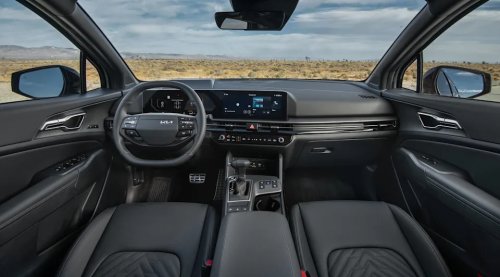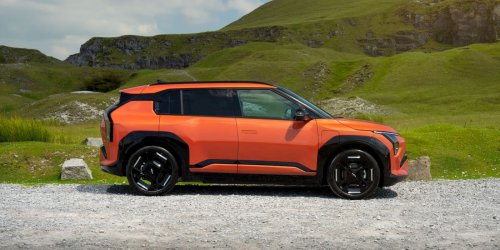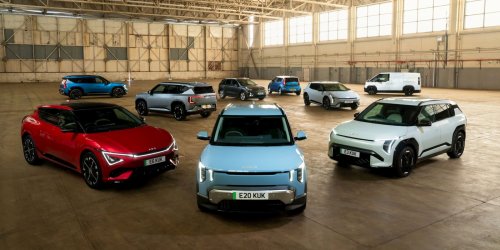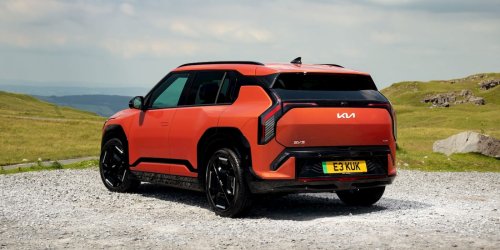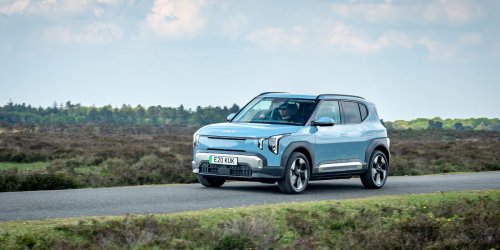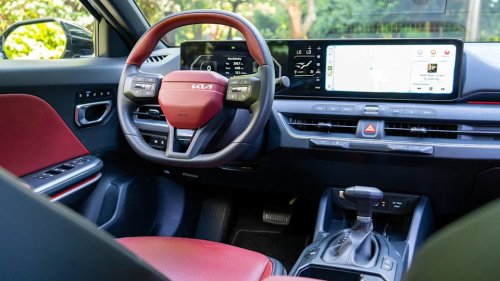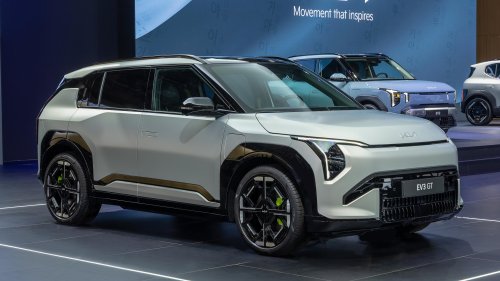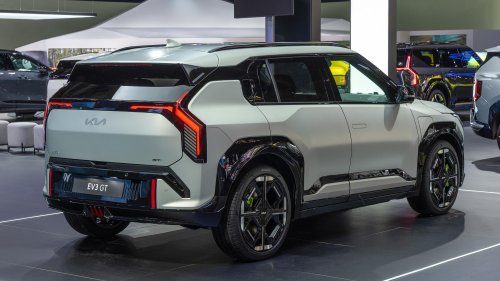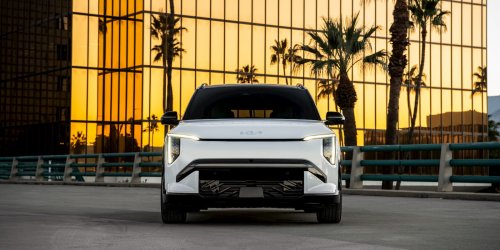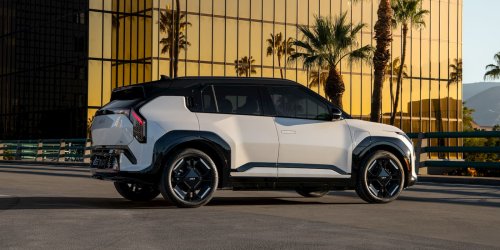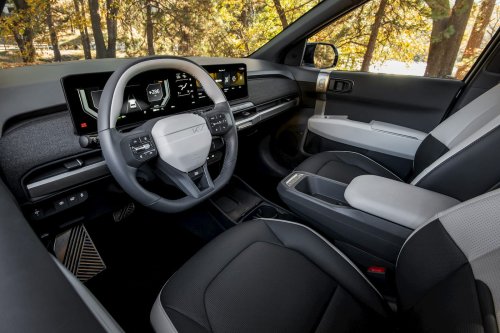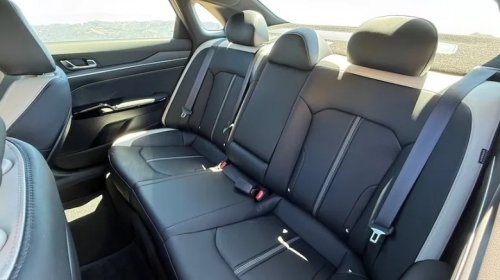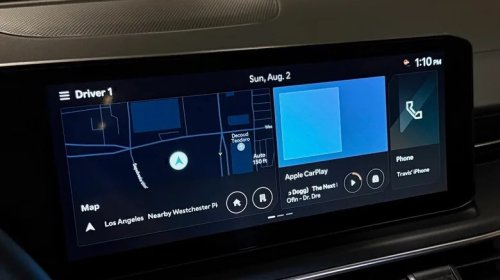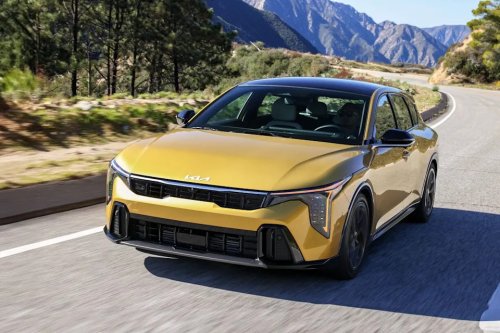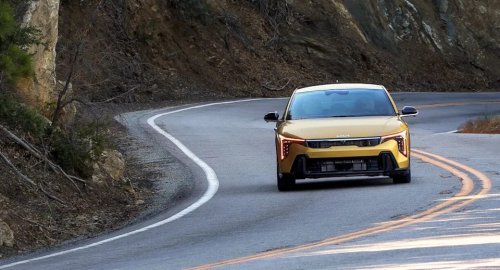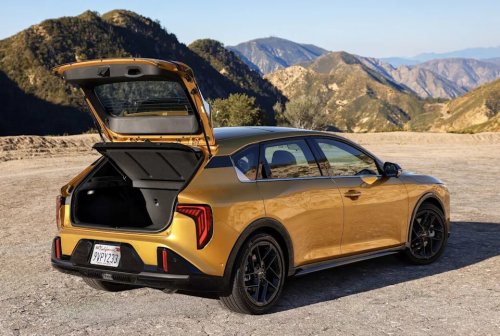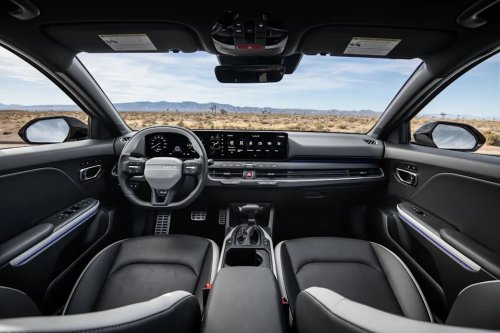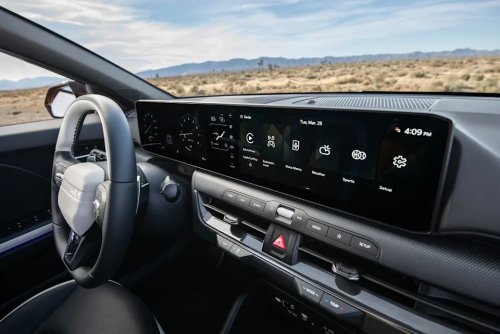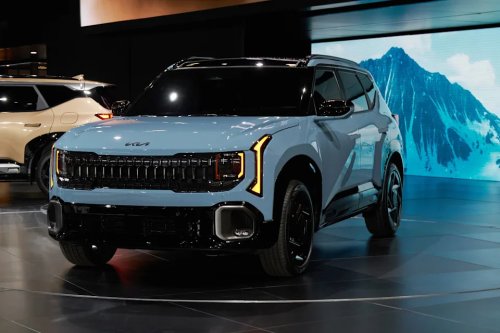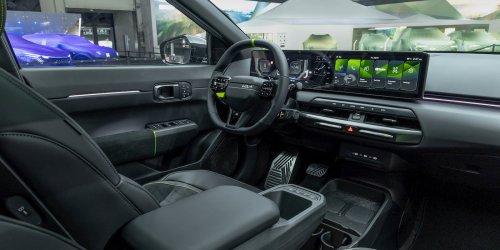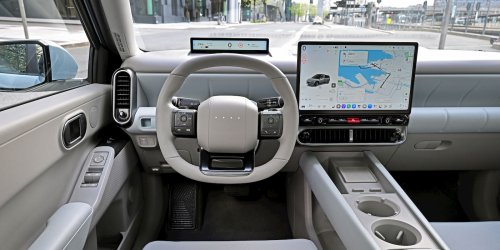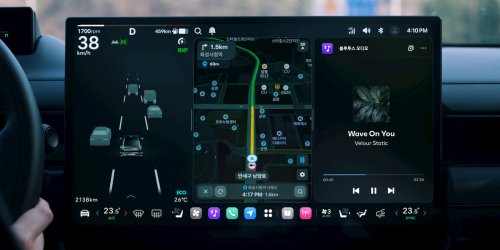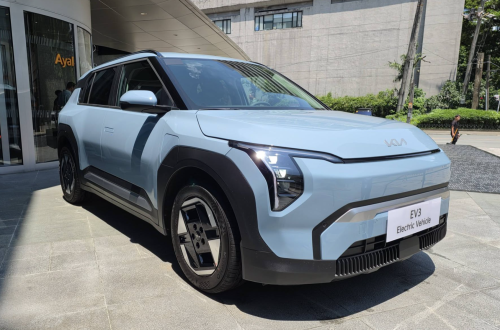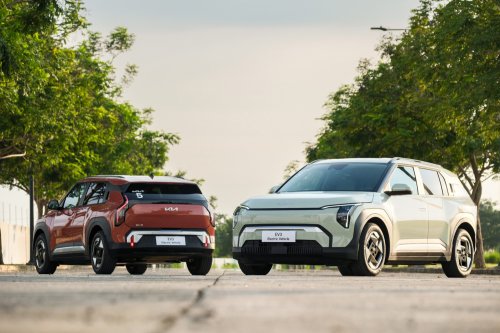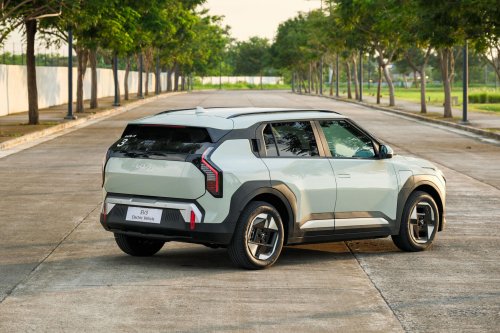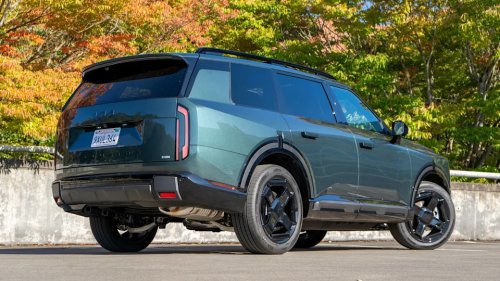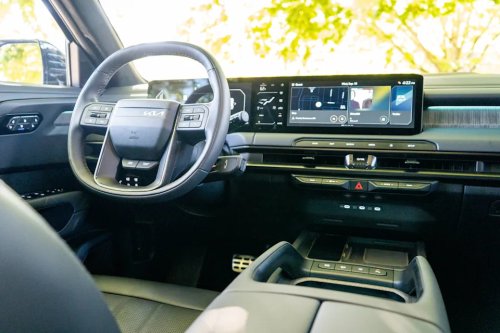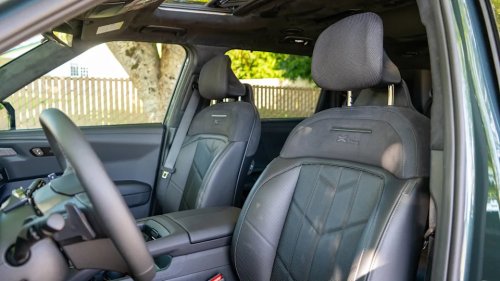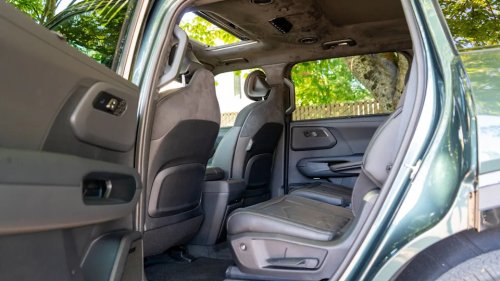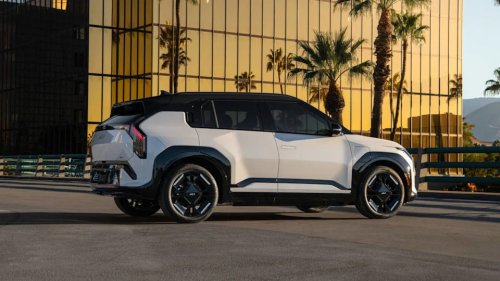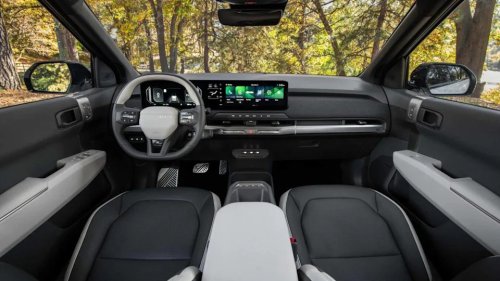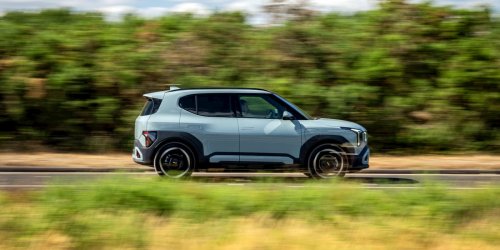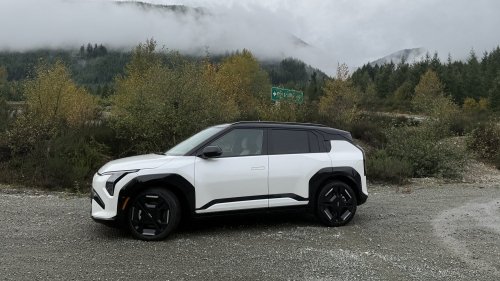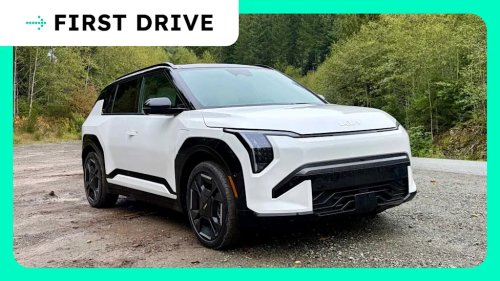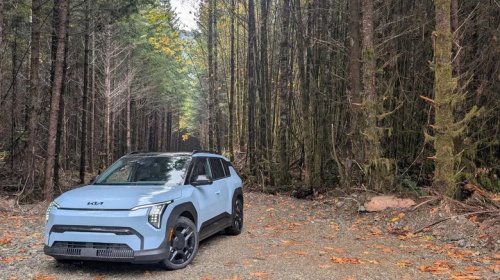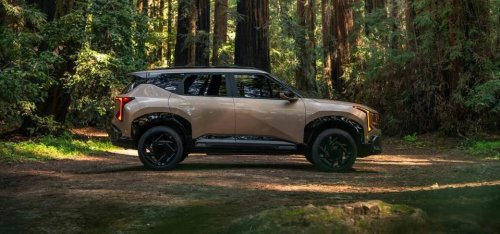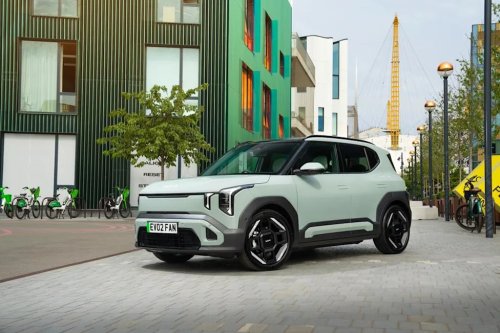
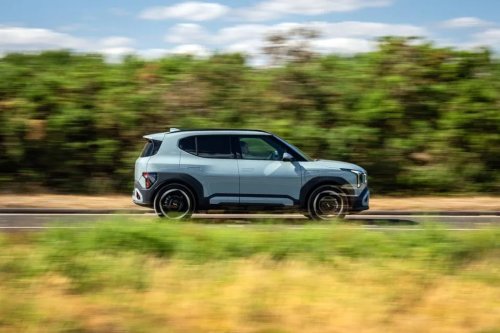
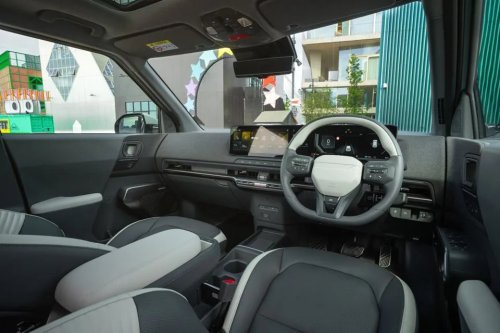
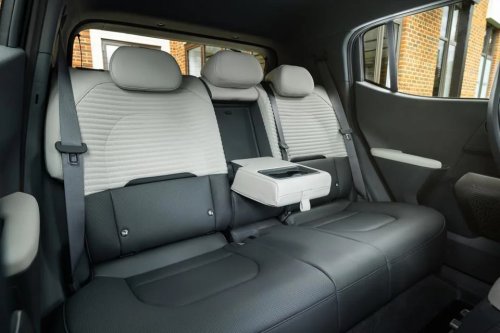
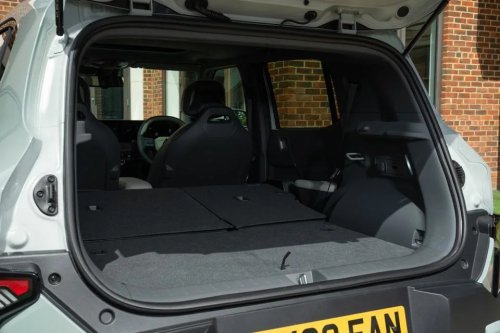
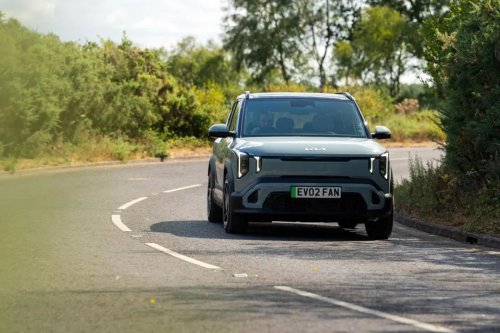
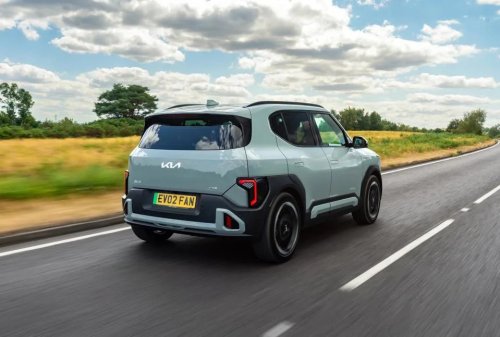


















The Kia EV2 maintains the company's electric car brand identity, only smaller.Adam WarnerElectric cars are getting cheaper, but too many affordable models still make their compromises obvious. The Kia EV2 attempts something more ambitious: compress much of the technology, practicality and character of the company's larger EVs into a four-meter urban SUV, while keeping the price close to that of a conventional small car. I took the new mini Kia for a spin at the UK launch.The EV2 is now Kia's smallest and least expensive European EV, sitting below the EV3 in the B-SUV segment. Previewed in 2025 and shown in production form at the 2026 Brussels Motor Show, with pricing announced in April, it is designed, engineered and built in Europe, at Kia's factory in Žilina, Slovakia. That means it avoids tariffs and is keenly priced, of which more later.I drove all three Long Range versions, although most of my time was spent in the flagship GT-Line S fitted with the optional heat pump. That provided a useful view of both ends of the range: the Air prioritizes value and efficiency on 16-inch wheels, while the two GT-Line models trade a little range for 19-inch wheels, extra design flourishes and a more richly equipped cabin. There's also a First Edition with a smaller battery, but that wasn't present at the launch.AdvertisementAdvertisementThe headline price is £24,245 ($33,000) on the road for the 61kWh EV2 Air after the UK government's £3,750 ($5,100) Electric Car Grant. That figure buys a claimed 275 miles of WLTP range, five seats and a level of standard technology that would have looked improbable in an entry-level EV only a few years ago. On paper, this could be one of the most persuasive arguments yet that going electric no longer requires a premium budget.Kia EV2: A Proper SUV In A Small FootprintAt just over 4m long, the EV2 is genuinely compact. It is 1.8m wide with its mirrors folded. However, the wheelbase is nearly 2.6m. Those proportions matter in crowded European cities, but the relatively long wheelbase and short overhangs also create useful room inside. Kia has resisted the temptation to make its smallest EV look apologetic for its more modest proportions. The design follows the company's 'Opposites United' theme, with vertical Star Map lighting, pronounced wheel arches, a high hood and a clean rear featuring low, wide-set lights. Flush door handles, active air flaps, a full underbody cover and a small rear spoiler help the boxy shape achieve a respectable 0.29 drag coefficient. Air models use 16-inch black alloy wheels, while GT-Line versions move to more dramatic 19-inch rims.The EV2 makes economical use of its small size.Visually, the EV2 looks a lot like other more recent additions to Kia's electric selection. The EV6 was an outlier, but it was Kia's first pure EV and has been brought more inline with the current design aesthetic. The EV2 sits alongside the EV3, EV5 and EV9, looking like their smaller sibling as it should. The styling is similarly rugged, with plastic wheel arches and a boxy front. Surprisingly, the EV2 is the most box-like of the range, probably to maximize internal space. The result is still futuristic, and it's great to see how Kia has confidently built a brand identity for its EVs. It's not always immediately easy to spot which one you're looking at, but you know it's an electric Kia.Kia EV2 Interior: Space And TechnologyThe dedicated 400V E-GMP platform pays dividends in the cabin. A battery beneath the flat floor and compact drive unit help maximize passenger room, while Kia says its new slim HVAC module occupies over 42% less space than the previous system. However, while the front feels quite spacious, anyone over six feet tall will find the back seats a little cramped. The seats on the GT-Line and GT-Line S are very comfortable, but I found the Air's seats harder.Kia still includes physical controls for key functions.Nevertheless, rear luggage space is generous for the vehicle size. With the rear seats up, you get 326 liters, which is par for the course for a compact hatchback in this class. But drop them forward and this expands to a capacious 1,201 liters. The Volkswagen ID.3 offers noticeably more space both for rear passengers and cargo, but it's also 200mm longer and very slightly wider. The EV2 has a flat load floor with no lip, although this is with the adjustable false rear luggage floor in place. The First Edition, GT-Line and GT-Line S also have a 15-liter frunk. You can even tow up to 750kg braked.Rear passenger space is decent if not exactly cavernous.Every UK EV2 receives a three-screen dashboard: a 12.3-inch driver display, a 12.3-inch infotainment touchscreen and a 5.3-inch climate panel between them. Crucially, Kia has retained physical controls for important functions, including climate settings and audio volume. Wireless Apple CarPlay and Android Auto, over-the-air updates, four USB-C ports, heated front seats, a heated steering wheel, front and rear parking sensors, and a reversing camera are standard even on the Air. However, the latter doesn't have wireless phone charging.Plenty of luggage capacity is available with the rear seats down.AdvertisementAdvertisementKia's connected system supports Plug & Charge (although you will need to set this up with your supplier and turn it on in the car), in-car parking payments and an AI assistant built around ChatGPT. It can answer questions about the owner's manual, help plan a journey or suggest stops. The AI service is included free for only the first year, however.Trim changes the atmosphere as well as the equipment. The Air uses gray cloth with green accents. GT-Line adds two-tone artificial leather and electric driver adjustment. GT-Line S brings ventilated front seats, position memory, a sliding sunroof, ambient lighting, Digital Key 2.0 and Harman Kardon audio. However, while the latter are all nice to have, the GT-Line probably has enough niceties to be the biggest seller of the trims.Kia EV2: Driving, Range And ChargingMost UK buyers will get the 61kWh Long Range battery, which uses nickel manganese cobalt chemistry. It feeds a front-mounted 133hp motor producing 250Nm of torque. The Air reaches 62mph in 9.5 seconds, while the heavier GT-Line models take 9.7 seconds; all top out at 100mph. These are modest numbers in an era of absurdly powerful EVs, but entirely appropriate for a small family car.However, this doesn't feel like a slow car around town or on A-roads. In fact, the immediate torque of the electric drivetrain still instils confidence pulling out of side-turnings into traffic. This isn't even vaguely a hot hatch, but the handling and performance are perfectly adequate for navigating twisty British roads. All trim levels feel the same to drive, because this aspect is common among them. In practice, you don't notice the different wheel sizes.AdvertisementAdvertisementKia says the suspension and steering were developed for European roads. Steering-wheel paddles select conventional regeneration levels, an automatic mode that responds to traffic, or i-Pedal one-pedal driving that works in reverse and remembers its last setting. Eco, Normal, Sport and Snow modes are standard. So are adaptive cruise control, lane centering, blind-spot collision avoidance and rear cross-traffic assistance. It is a comprehensive safety package at this price, although Euro NCAP had not yet published a rating.The EV2 is at home on the open country road as it is about town.Highway driving is composed, although here you do notice that you aren't accelerating that quickly from 60 to 70mph. The ride quality is neither exceptional nor anything to complain about. Considering how urban the focus of this car is, it handles potholes competently. The size is perfect even for tight village streets, and the inclusion of a reversing camera plus front and rear sensors on all trims makes parking a doddle.Despite this being a city car first, it's better suited to longer journeys than other vehicles in this class such as the Renault 5, Nissan Micra, Citroen E-C3, or Hyundai Inster. Range varies a little with trim, due to the very different rims. The Air's smaller wheels help it achieve 275 miles and an official 4.08 miles per kWh. The GT-Line claims 261 miles and 3.85 miles per kWh, while the GT-Line S manages 257 miles and 3.81 miles per kWh. This is a rare range structure, where paying more gets you less distance, although buyers are trading those miles for equipment and appearance. During testing, I found less differentiation between the trims, with all achieving over 3.8 miles per kWh. That would equate to a real-world range of 232 miles, which will be more than adequate for venturing out of the city on longer trips.However, the EV2 does not inherit the 800V architecture of Kia's larger EVs. Peak DC charging is 118kW, with 10% to 80% taking 30 minutes. An 11kW AC wallbox needs five hours 35 minutes for 10% to full. The headline rate is unremarkable, but the charging time remains usable for occasional long trips, and also means you won't be hunting for a charger offering 150kW plus to get the fastest turnaround.Kia EV2: The Affordable EV To Beat?The entry-level Air looks like a potential value champion. Beyond its £24,245 ($33,000) post-grant price, it has the longest range and already includes heated seats and steering wheel, navigation, wireless smartphone integration, LED lighting and the full driver-assistance suite. The only cost option is premium paint at £650 ($880). Its manual driver's seat and cloth upholstery may even suit buyers who prefer simplicity.AdvertisementAdvertisementThe £28,995 ($39,400) GT-Line is likely to be the best seller, however. It sacrifices 14 miles of range but adds more assertive styling, automatic flush handles, adaptive headlights, privacy glass, the upgraded cabin, electric driver adjustment, wireless phone charging and the small frunk. The £32,595 ($44,300) GT-Line S adds luxury and parking technology, plus vehicle-to-load capability, but it feels like you're paying a lot for these extras. With the £700 ($950) heat pump fitted, as on my principal test car, its price rises to £33,295 ($45,300) with standard paint, or £33,945 ($46,200) with a premium finish. Curiously, the heat pump is available only on the top trim.The keen price and solid spec even at the entry level could make the Kia EV2 the affordable small electric car to beat.There is also a limited First Edition at £26,995 ($36,700), which I didn't get to try. It combines a smaller 42.2kWh lithium iron phosphate battery with a slightly stronger 144hp motor, cutting the 0-62mph time to 8.7 seconds but reducing range to 195 miles. Unless availability or specification dictates otherwise, the Long Range models look like the more versatile proposition.Ownership reassurance is another strength. Kia covers the car for seven years or 100,000 miles and the high-voltage battery for eight years or 100,000 miles. Servicing is required every 24 months or 20,000 miles, whichever comes first. For private buyers considering their first EV, that long warranty may prove almost as persuasive as the purchase price.The Kia EV2 does not try to win with spectacular acceleration or ultra-fast charging. Instead, Kia has concentrated on the things that matter most in an affordable small EV: usable range, intelligent packaging, strong standard equipment and a price that no longer needs excuses. The Air is arguably the cleverest version, because it goes furthest and costs least, but the GT-Line adds enough visual and cabin polish to explain why Kia expects it to lead sales. If the real-world experience lives up to the specification, the EV2 could become the small electric SUV against which its rivals are judged.AdvertisementAdvertisementThis article was originally published on Forbes.com