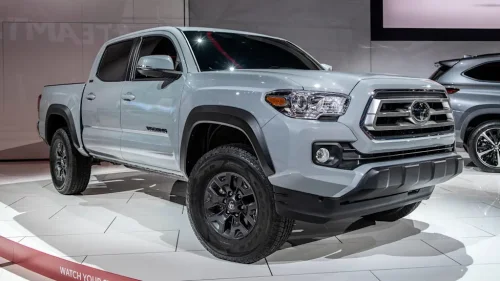
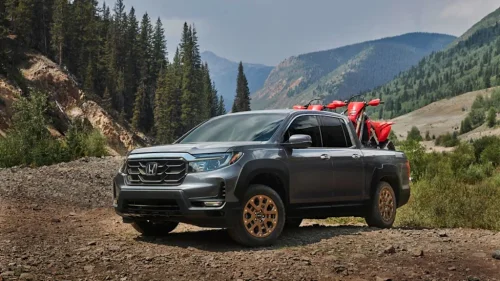
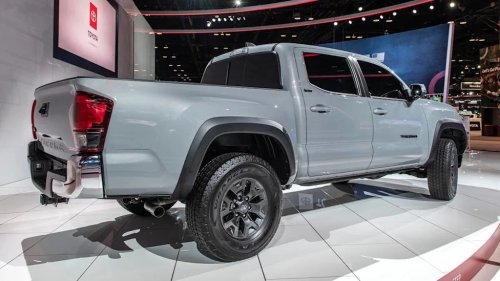
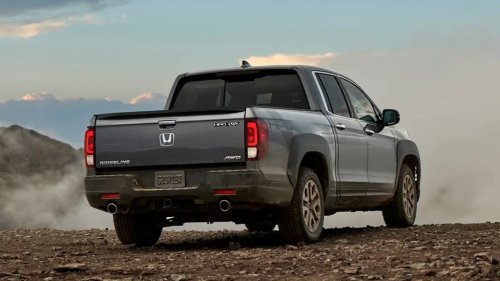
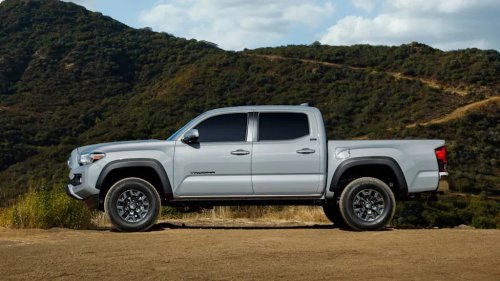
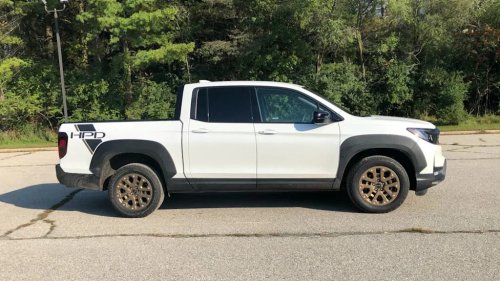
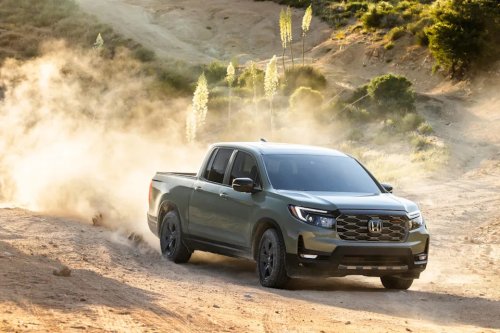
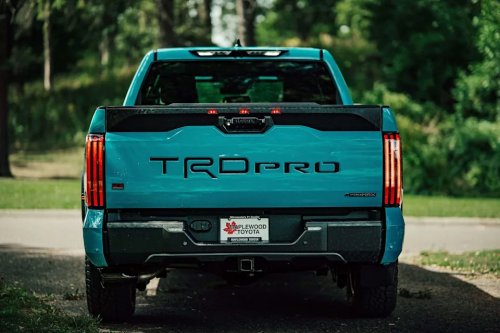
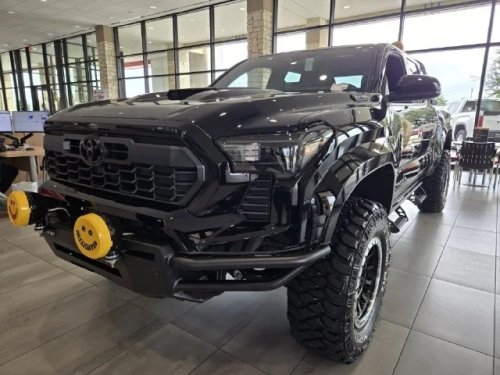
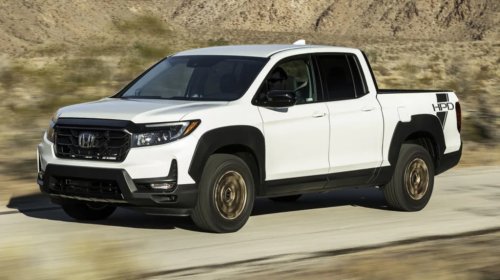
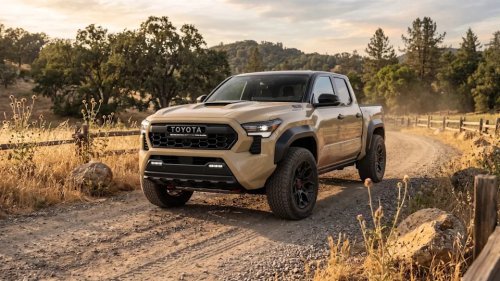
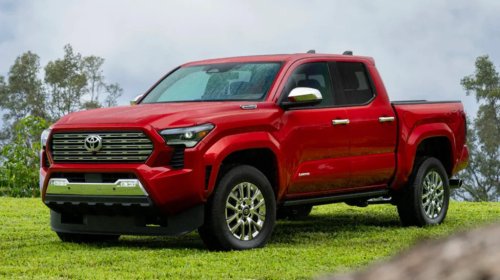
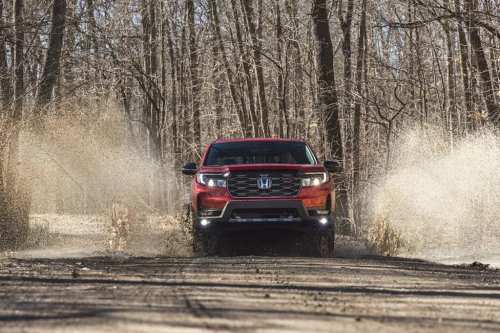
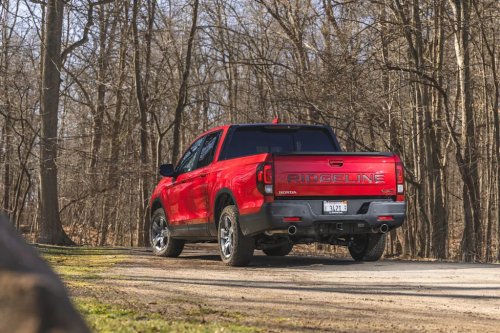
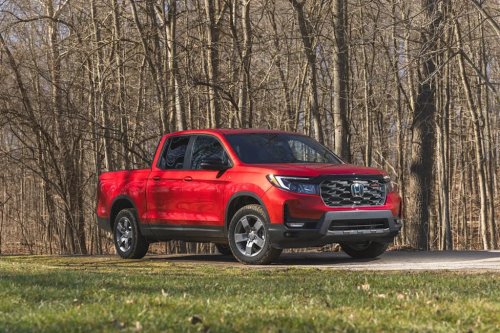
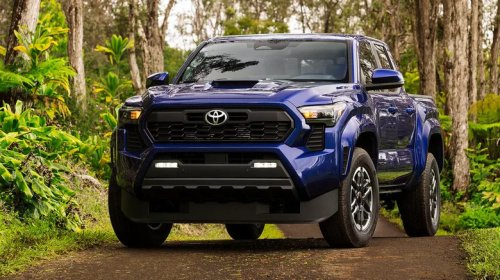
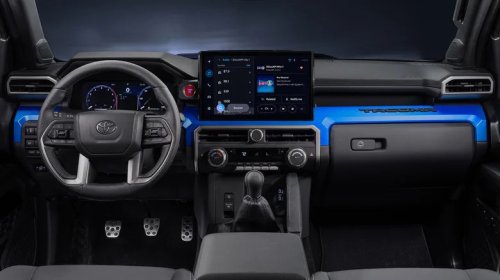
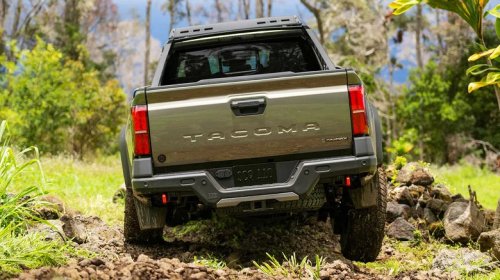
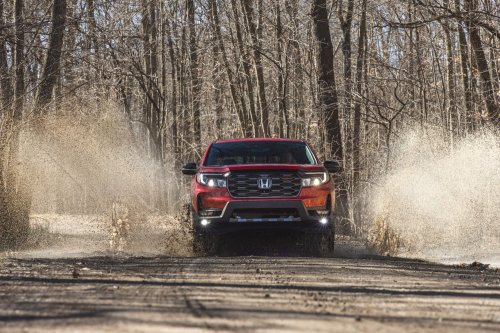
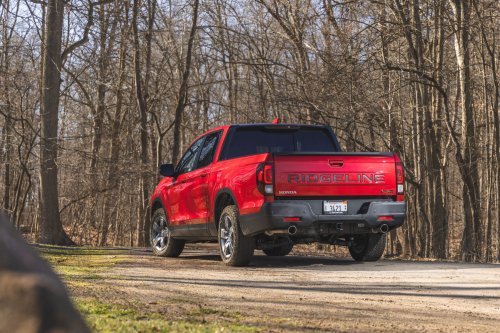
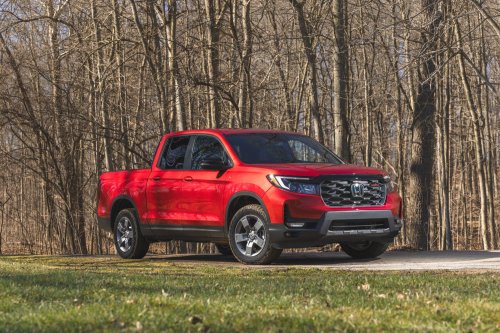
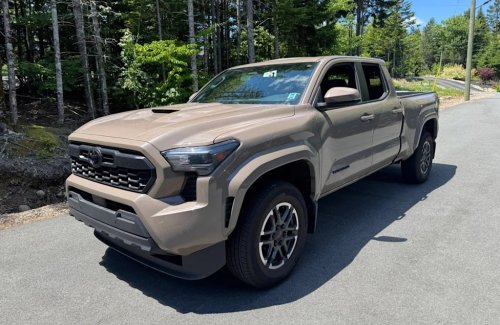
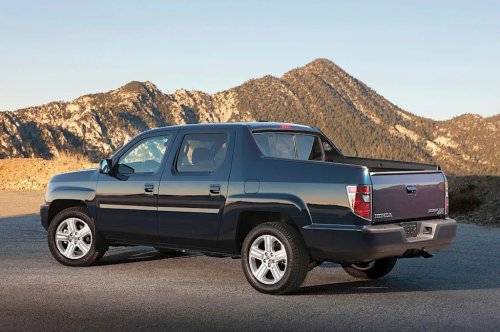
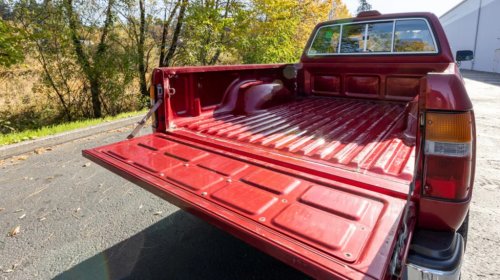
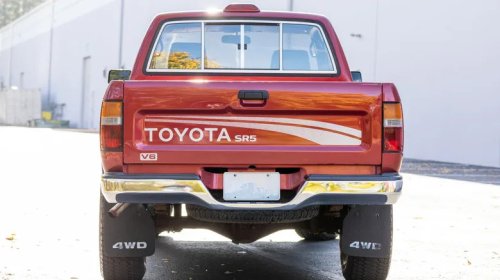
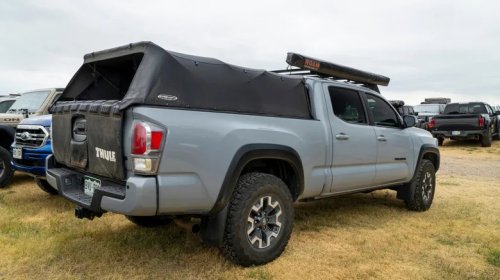
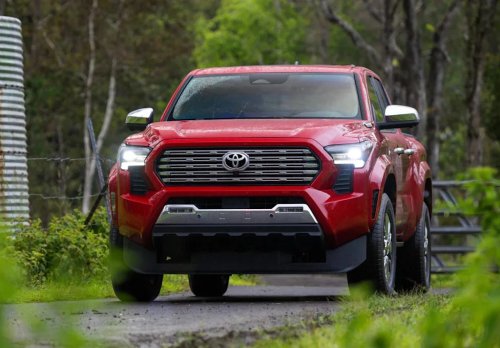
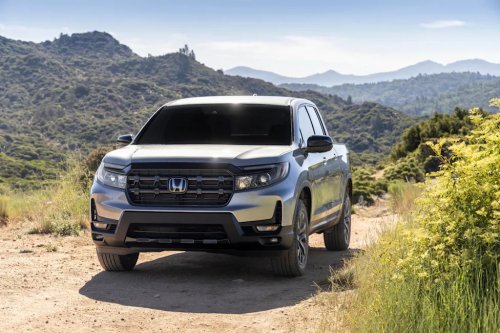
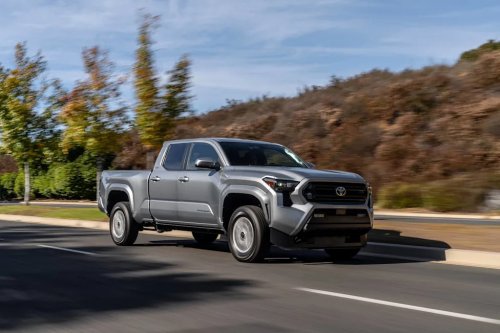
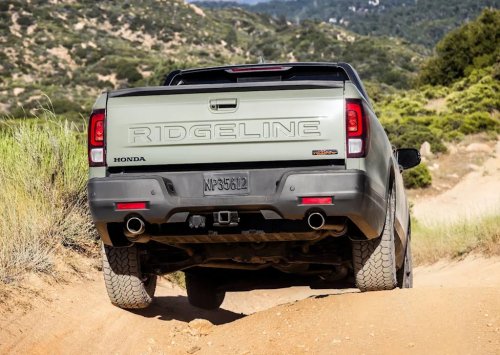
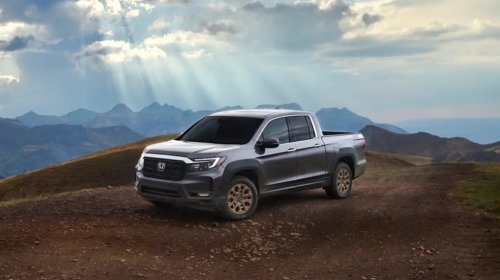
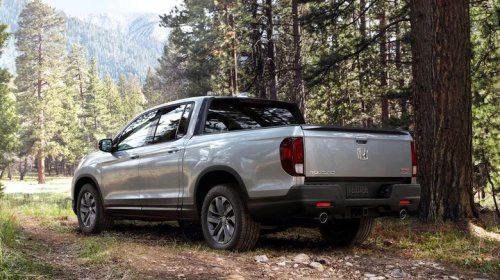
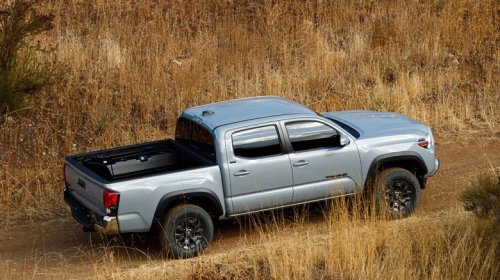
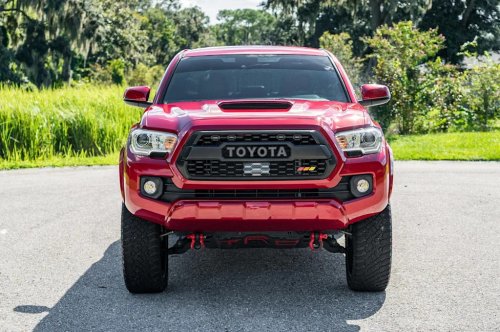
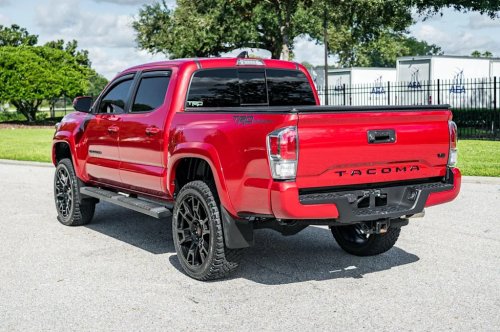
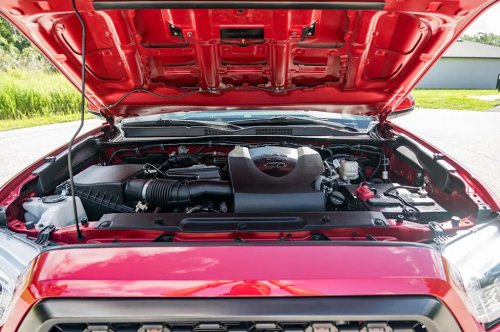
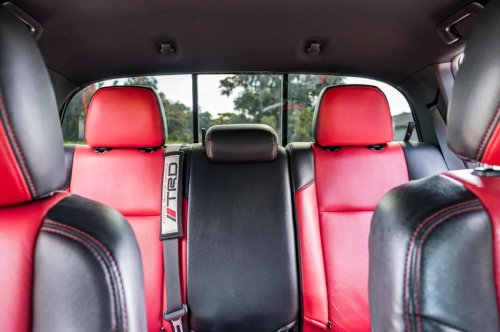
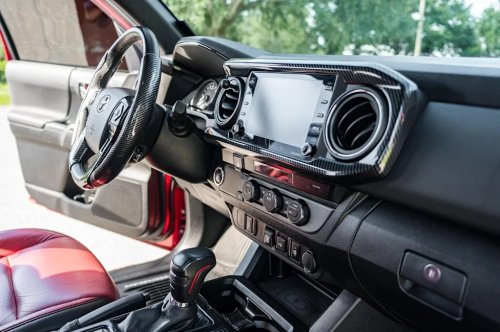
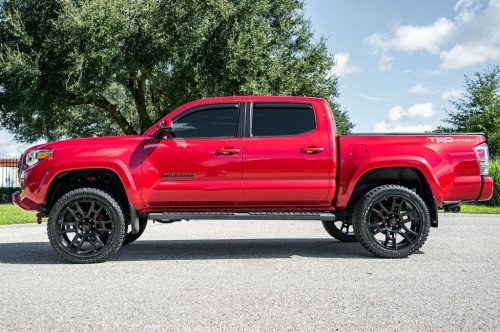
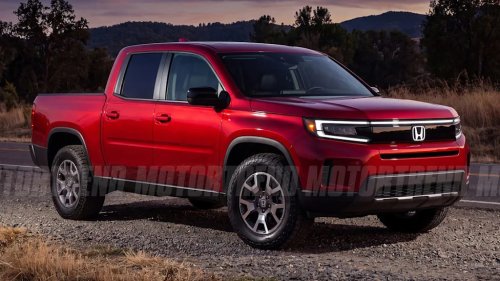
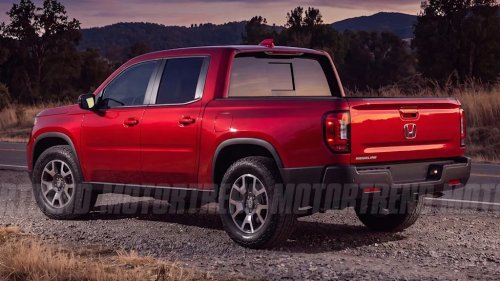
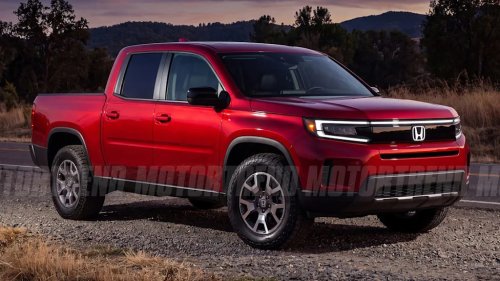
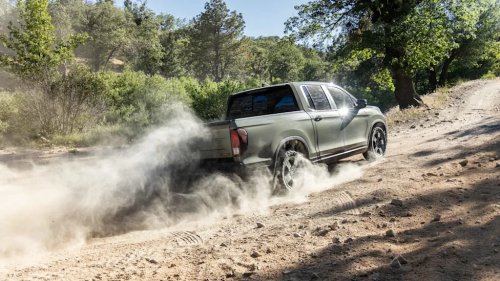
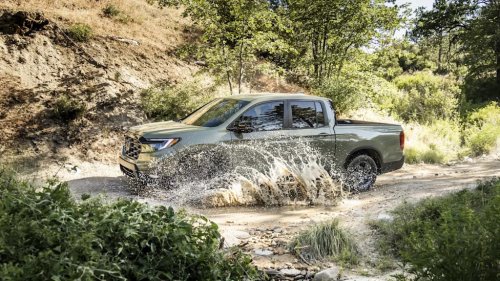
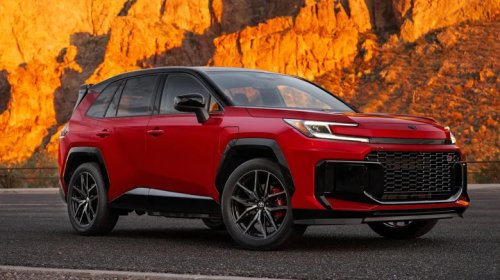
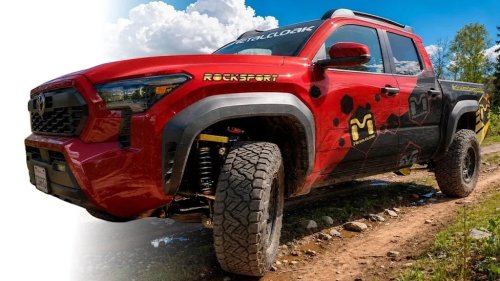
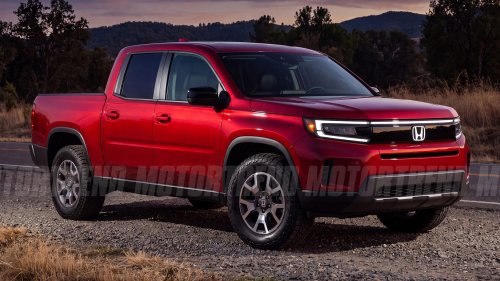
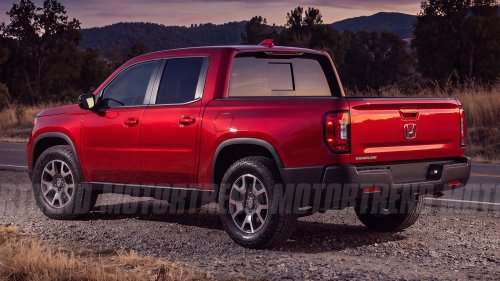
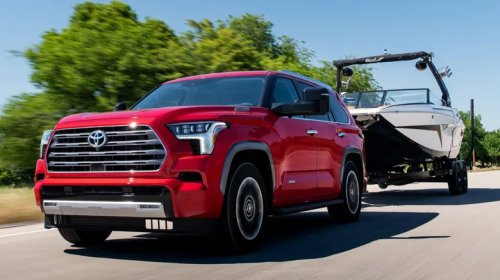
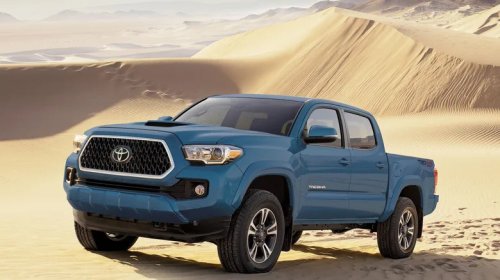
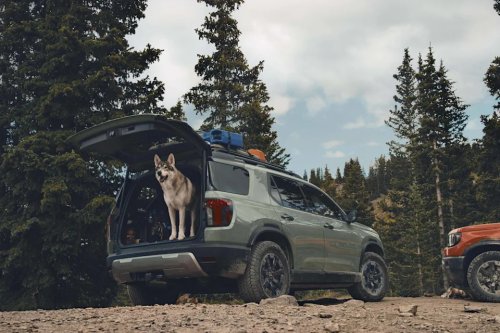
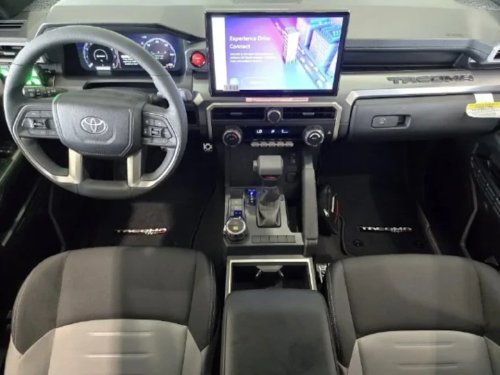
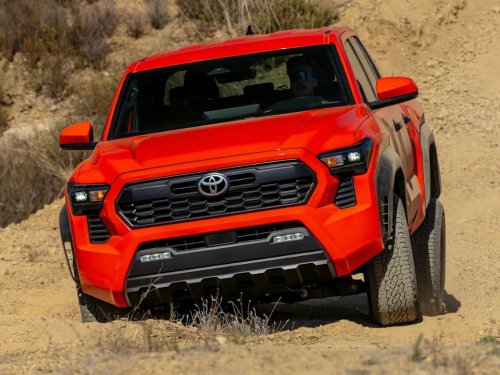
Autoblog and Yahoo may earn commission from links in this article.Midsize trucks have become one of the most competitive corners of the market, and the Ridgeline and Tacoma represent two completely different philosophies on how to build one. One rides on a unibody platform shared with the Pilot, prioritizing comfort and daily-driver refinement. The other uses body-on-frame construction, the same basic architecture that has been hauling loads and surviving abuse for decades. Both sell for a premium on the used market, and both have loyal followings that will argue their case to anyone within earshot. But when you strip away the tribalism and look at the data, which truck actually holds up better over time?2021 Toyota TacomaReliability ratings at a glanceOn average, the Tacoma earns a 3.5 out of 5.0 reliability rating, and despite ranking last among midsize trucks by one metric, it scores as the top midsize truck by another. Annual repair costs average $478, which is $70 below the midsize truck average and puts it among the cheapest trucks to maintain in any size class. The 2021 model year scores a 70 out of 100 for reliability, tying it for the best year in the third-generation Tacoma's run. A major survey rates the 2021 model as more reliable than other vehicles from the same model year. For a truck that is often criticized for its aging interior and sluggish infotainment, the mechanical dependability is the reason people keep buying them.2021 Honda RidgelineHondaThe Ridgeline also earns a 3.5 out of 5.0 reliability rating, though it lands sixth out of seven midsize trucks by one measure and fifth out of eight by another. Annual repair costs average $502, still below the segment norm but $24 more per year than the Tacoma. Repair frequency is average, but when something does break, there is a higher-than-normal chance it will be a severe issue, which is worth noting for budget planning. The 2021 model scores a 70 out of 100 for reliability, matching the Tacoma exactly on that scale. Owner satisfaction is high, with consumer ratings averaging 4.8 out of 5.0, suggesting that people who buy a Ridgeline tend to love it even if the formal reliability numbers are merely good rather than great.Recalls and owner complaintsZero NHTSA recalls on the 2021 Tacoma is a genuinely remarkable number, and it gives Toyota an advantage that Honda simply cannot match here. Sixty-nine owner complaints are on file, with powertrain concerns, brake wear, and service brake issues accounting for the most common reports. Premature brake rotor warping is the Tacoma's best-known quirk, with owners describing vibrations and pulsating pedals that sometimes appear within the first year. It is annoying but manageable, and it is not the kind of issue that leaves you stranded. For a truck in its sixth year on the third-generation platform, zero recalls signal a level of manufacturing consistency that very few vehicles achieve.2021 Toyota TacomaFive NHTSA recalls affect the 2021 Ridgeline, a busier sheet that reflects Honda's broader recall patterns during this period. One addresses the brake booster master cylinder assembly, which can separate and cause a loss of braking. Another covers side-view mirrors that may detach. Additional recalls target the fuel pump, rearview camera, and front passenger seat weight sensor. About 90 owner complaints are on file, with exterior lighting, engine concerns, and electrical system problems leading the list. Infotainment glitches, particularly Bluetooth pairing failures, pop up frequently in owner forums. None of these issues point to a fundamental design flaw, but the recall count and the brake booster concern are hard to dismiss when the competition has a clean sheet.2021 Honda RidgelineHondaAdvertisementAdvertisementWhat breaks, what lasts, and what it costsLongevity is Tacoma's defining trait. Its 3.5-liter V6, making 278 horsepower and 265 lb.ft of torque, has been in service across Toyota's truck lineup for years, and the six-speed automatic, while not the most refined gearbox on the market, is mechanically durable. Body-on-frame construction means the chassis can absorb punishment that would crumple a unibody design, and Toyota's rust-resistant frame coatings have improved significantly since the mid-2000s corrosion problems that forced a buyback program. With proper maintenance, a Tacoma routinely pushes past 200,000 miles, and examples with 300,000 miles on the clock are not unusual. The truck's legendary resale value exists for a reason.2021 Toyota TacomaToyotaUnder the Ridgeline's skin, the 3.5-liter V6 producing 280 horsepower and 262 lb.ft pairs with a nine-speed automatic and standard all-wheel drive. The powertrain is shared with the Pilot and Passport, giving it a massive parts ecosystem and a solid track record for durability. Where the Ridgeline differs is in its construction: the unibody design rides smoother and handles better on pavement but lacks the ruggedness of a frame-based truck for extreme duty cycles. At typical suburban use patterns, the Ridgeline's mechanical bits are every bit as durable as the Tacoma's. But push either truck hard over rough terrain or heavy towing duty, and the body-on-frame design ages more gracefully.2021 Honda RidgelineJohn Beltz SnyderThe warranties for each are goneBoth trucks came with a three-year, 36,000-mile basic warranty and a five-year, 60,000-mile powertrain warranty. On a 2021 model purchased in 2026, the basic warranty is gone and the powertrain coverage is at or near its limit. If you are buying either truck and planning to keep it for another four to five years, you are operating mostly without a factory safety net. Average used prices for the 2021 Ridgeline sit between $24,000 and $25,000, while the Tacoma commands a predictable premium in the $27,000 to $33,000 range depending on cab configuration and whether four-wheel drive is equipped. That Tacoma tax reflects the truck's resale dominance, but it also means your upfront investment is higher.So, which one is more reliable?The Tacoma is more reliable though the margin is slimmer than Toyota loyalists might expect. Zero recalls versus five, lower annual repair costs, a "more reliable than average" survey rating, and the structural toughness of body-on-frame construction all point in the same direction. The Tacoma is a truck that was engineered to last, and the data confirms it.AdvertisementAdvertisementThis story was originally published by Autoblog on Jun 22, 2026, where it first appeared in the Car Buying section. Add Autoblog as a Preferred Source by clicking here.