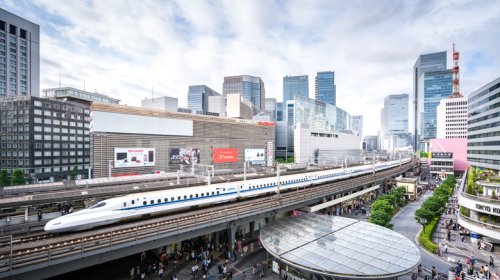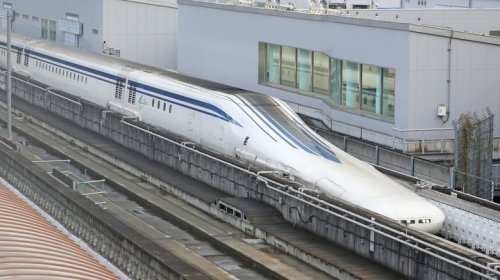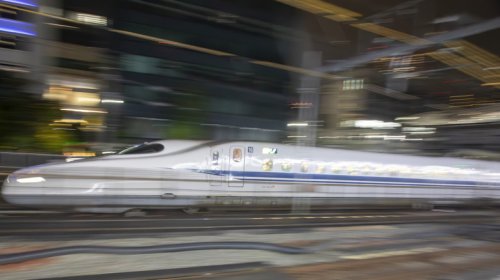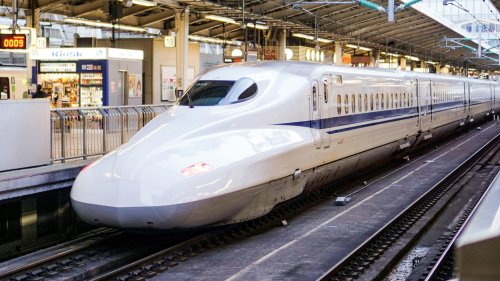
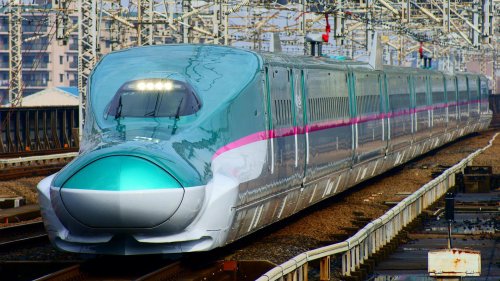
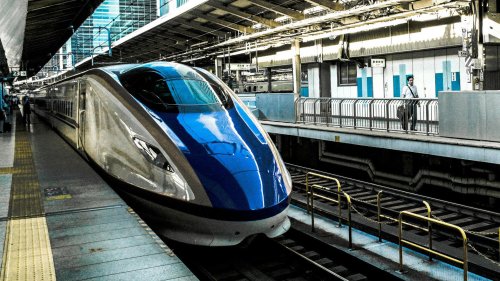
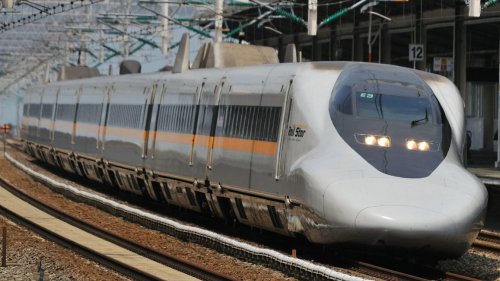

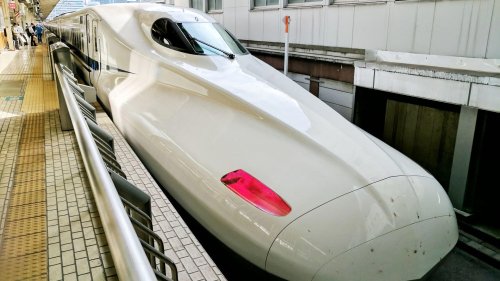


































Faster Than A Speeding BulletJapan's bullet train doesn't just move fast—it redefines what's possible on rails. The Shinkansen has been carrying passengers since 1964 without a single fatality, running with absurd punctuality while hitting speeds that would make most commuters stop in awe. These aren't just trains. They're machines that blend raw speed with the kind of reliability most systems can only aspire to achieve. Here are 20 facts about the Shinkansen.1. Runs 320 Km/H On Daily ServicesPicture yourself gliding through Japan at 320 kilometers per hour—that's roughly 200 miles per hour—while sipping green tea without spilling a drop. The Hayabusa Shinkansen on the Tohoku line regularly hits these breathtaking speeds during routine daily operations.2. Zero Passenger Fatalities Since 1964The Shinkansen's safety record reads like fiction: over six decades of operation, millions of journeys, and not a single passenger fatality due to train accidents. Advanced technology works in harmony with Japan's notoriously strict operational protocols.3. Earthquake Sensors Automatically Stop TrainsJapan sits on the Pacific Ring of Fire, where tectonic plates grind against each other with unsettling regularity, yet the Shinkansen operates with remarkable confidence. The secret lies in sophisticated seismic detection systems that sense the initial, faster-moving P-waves of an earthquake.4. Most Trains Now Offer Free Wi-FiModern Shinkansen passengers can stream, work, and browse as the countryside blurs past their windows. Free Wi-Fi service, branded as "Shinkansen Free Wi-Fi”, or "JR-WEST FREE Wi-Fi," depending on which railway operator runs the line, is now standard.5. Aerodynamic Nose Inspired By Kingfisher BeaksWhen trains rocketed into tunnels at high speed, they compressed the air ahead of them, creating explosive sonic booms. The solution came when a bird-watching engineer noticed how kingfishers dive into water with barely a splash thanks to their specialized beak shape. 6. Average Annual Delay Under 30 SecondsImagine a transportation system so punctual that staff issue formal apologies for a one-minute delay. Here, the average annual delay per train clocks in at less than half a minute. The microscopic delay margin has become a source of national pride.7. Regenerative Braking Returns ElectricityEvery time a Shinkansen train slows down, it becomes a power plant in reverse, converting kinetic energy back into electricity and feeding it into the grid rather than wasting it as heat. This regenerative braking system embodies sustainable engineering principles.8. Automatic Train Control Prevents Human ErrorThe Automatic Train Control system represents the Shinkansen's invisible guardian, a sophisticated network that makes human mistakes physically impossible. Drivers cannot exceed speed limits or run signals even if they wanted to, as the ATC automatically overrides human input.9. Over 10 Billion Passengers CarriedSince those first trains departed in 1964, the Shinkansen has carried more than ten billion passengers—a figure approaching twice the entire human population. The Tokaido Shinkansen, connecting Tokyo and Osaka, holds the distinction of being the world's busiest high-speed rail line.10. Concept Born From 1930s Visionary PlanningThe gleaming bullet trains of today trace their conceptual lineage back to the 1930s, when Japanese engineers first dreamed of high-speed rail connecting their island nation's major cities. WWII and its aftermath delayed these ambitions for decades, but the vision never died.11. Snow-Melting Sprinklers Line Northern RoutesNorthern Japan's brutal winters would paralyze most railways, but specialized snow-melting sprinklers installed along Shinkansen tracks ensure uninterrupted service. The Hokkaido Shinkansen operates through some of Japan's harshest conditions with the same punctuality as southern routes.12. Platform Doors Synchronize With Train StopsPlatform screen doors at Shinkansen stations automatically align with train doors, opening only when trains stop with millimeter precision. This synchronized ballet prevents accidents, improves boarding efficiency, and turns potentially chaotic platforms into orderly passenger flows.13. Cleaning Teams Execute The Seven-Minute MiracleBetween arrivals, specialized crews completely clean entire trains—hundreds of seats, floors, windows, and bathrooms—in just seven minutes. Known as the "7-minute miracle," these choreographed teams move with synchronized precision that fascinates passengers, who often photograph this unexpected performance art.14. Maglev Test Train Shattered Speed Records At 603 Km/hJapan's L0 Series Maglev claimed the world rail speed record in April 2015, reaching 603 kilometers per hour during testing. Using superconducting magnets, the train floats above tracks, eliminating friction. This technology will power the future Tokyo-Nagoya line.15. Trains Depart Every Three Minutes During Peak HoursDuring rush hour, the Tokaido Shinkansen runs like a horizontal elevator, with trains leaving every three minutes at a speed of sixteen per hour in both directions. This three-minute headway represents the realistic limit of high-speed rail technology.16. IC Chip Technology Eliminates Paper TicketsModern passengers simply tap IC cards like Suica or ICOCA at gates after booking online and linking their reservation. This contactless system integrates seamlessly with other Japanese transit cards, transforming boarding into a seconds-long process that keeps crowds flowing smoothly through stations without bottlenecks.17. Grand Class Delivers First-Class Luxury On RailsThe Hayabusa Shinkansen's GranClass offers extraordinary legroom, gourmet seasonal meals, and personalized service, including slippers and hot towels. Considered the pinnacle of Japanese rail travel, this ultra-premium seating rivals international first-class flights, proving trains can deliver luxury.18. Rigorous Daily Maintenance Ensures SafetyEvery Shinkansen train undergoes comprehensive daily inspections using advanced diagnostic tools, ensuring safety and reliability standards. These maintenance protocols directly support the system's zero-fatality record since 1964. The obsessive inspection routine means problems get caught and fixed before passengers ever board.19. Driverless Operation Tested Since 2021JR East began testing autonomous Shinkansen trains in 2021, with systems that automatically adjust speed and braking. While human operators still supervise these trials, the technology represents the next evolution in rail safety and efficiency.20. Trains Tilt Up To One Degree On CurvesThe N700 series Shinkansen trains utilize tilting technology, leaning up to one degree on curves to maintain higher speeds while ensuring safety. This mechanism reduces lateral forces on passengers, improving comfort while enabling faster travel times.