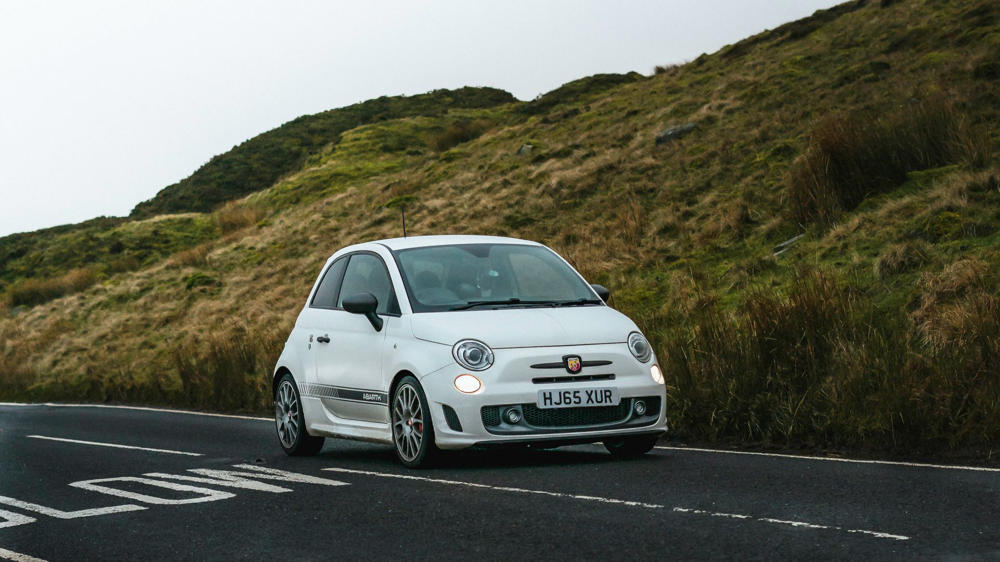
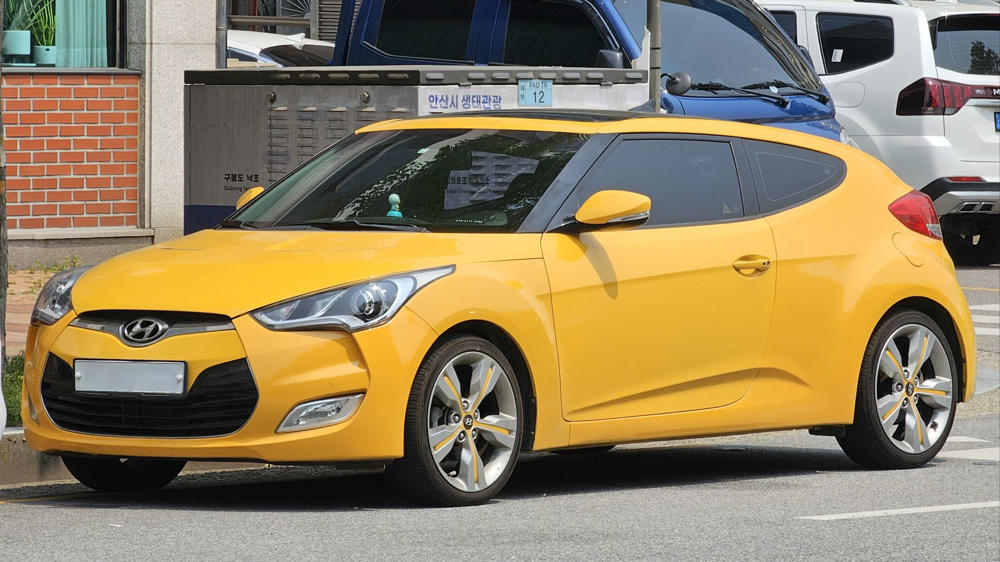
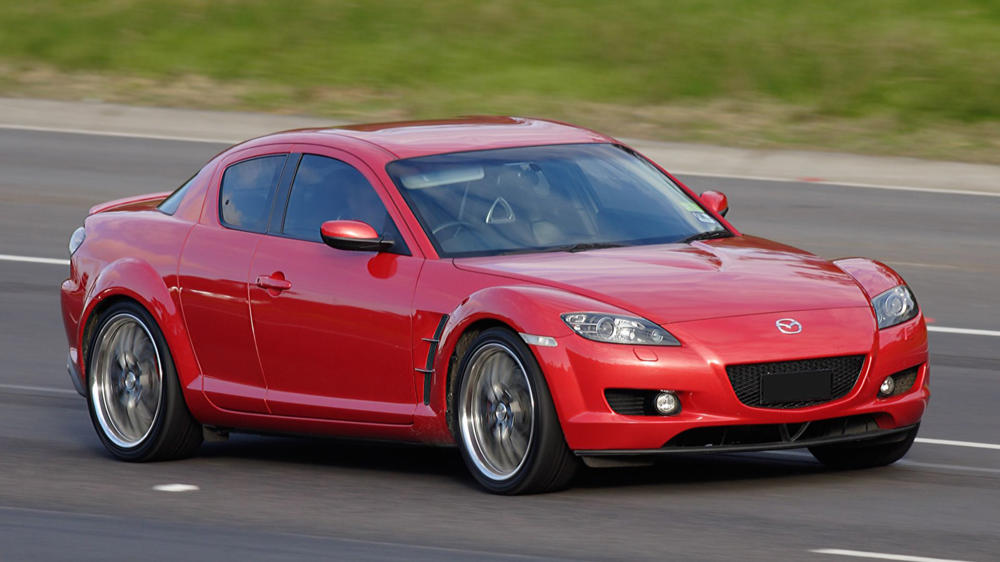
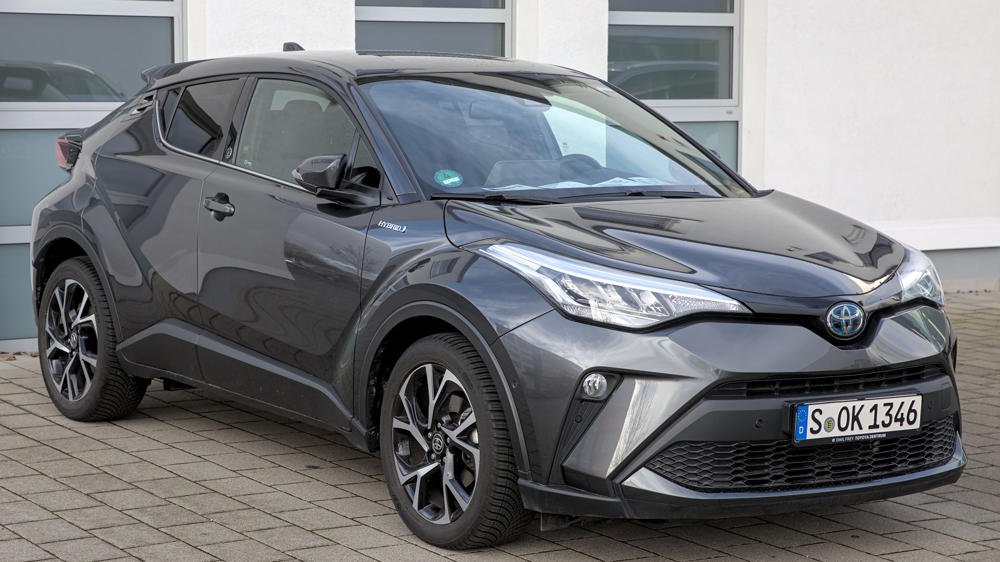
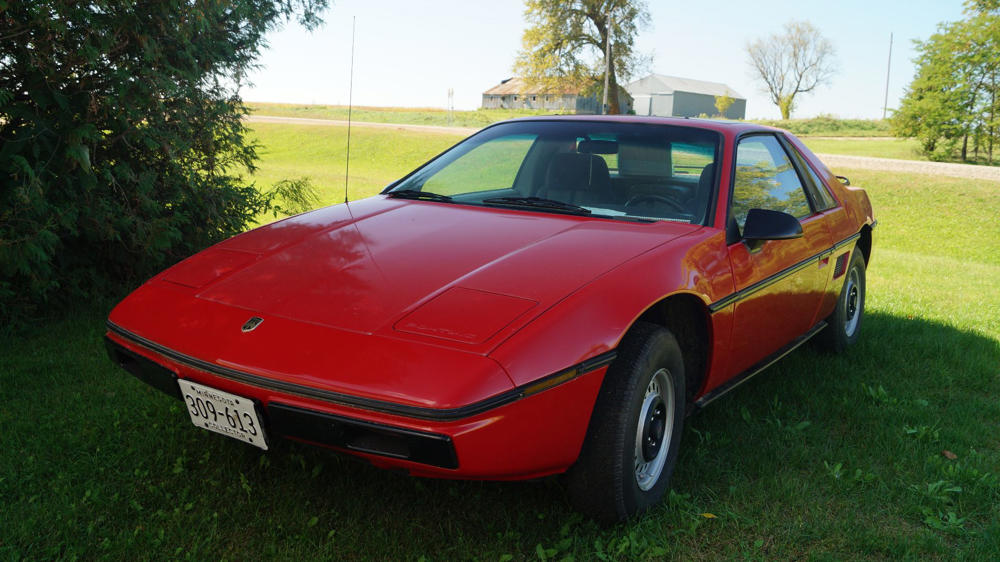
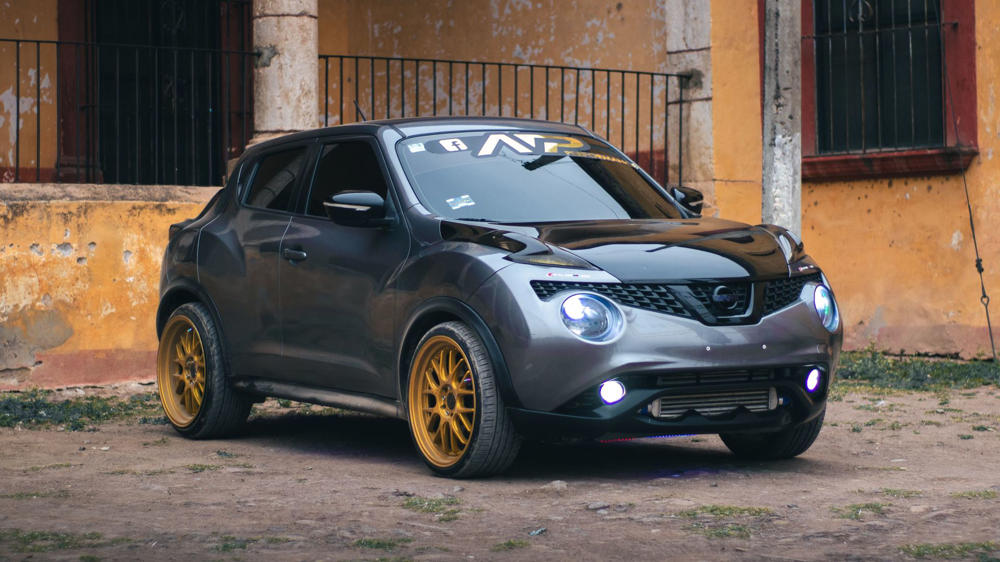
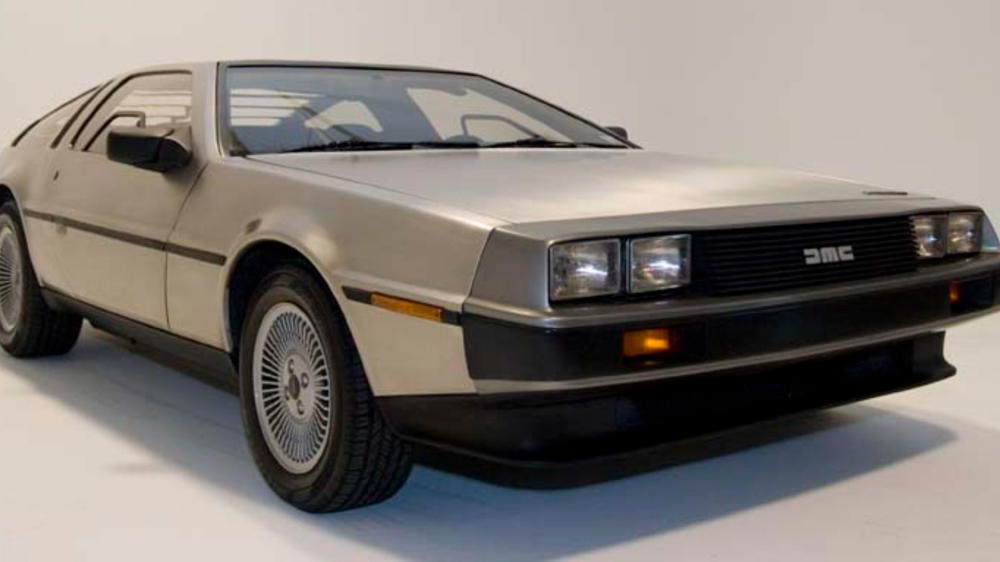
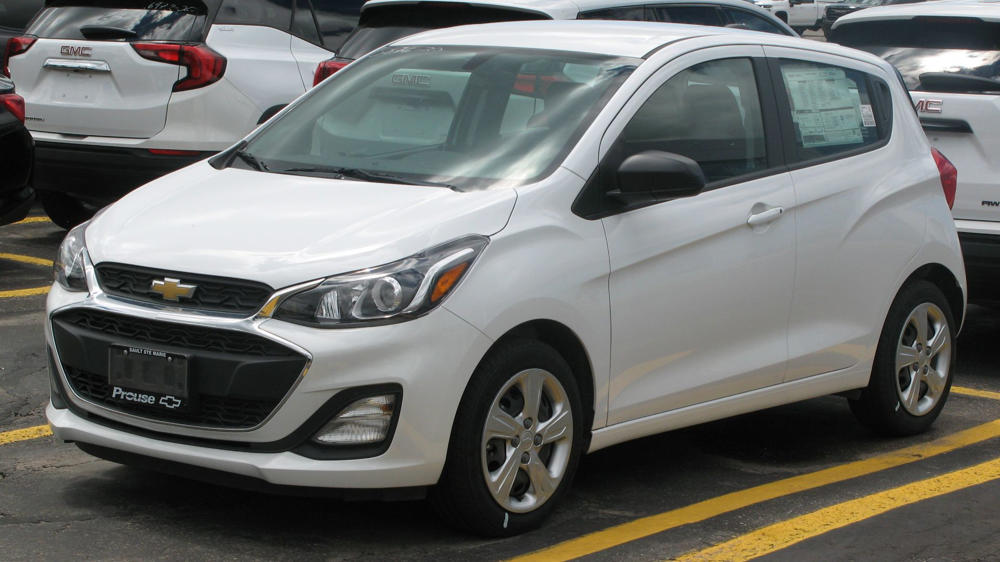
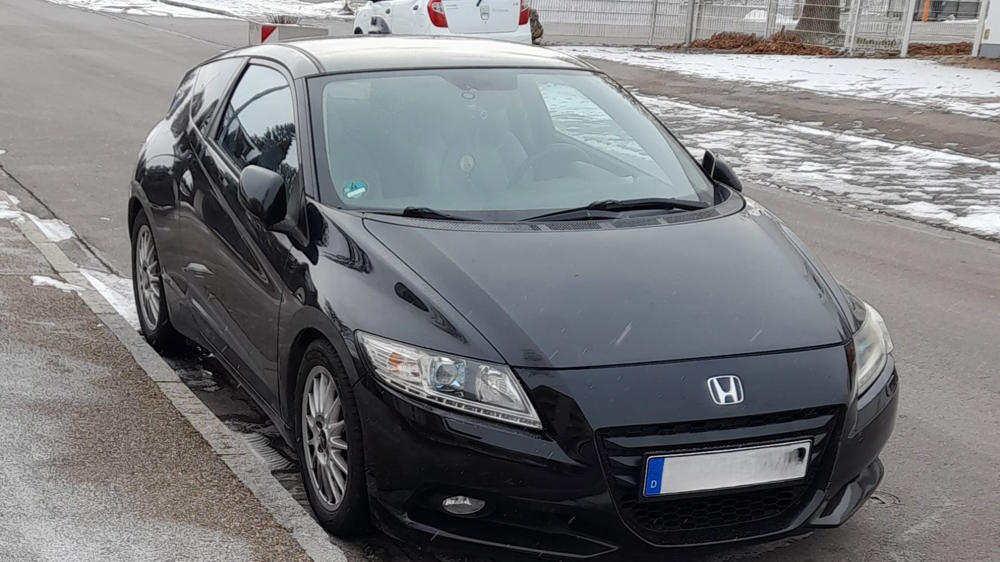
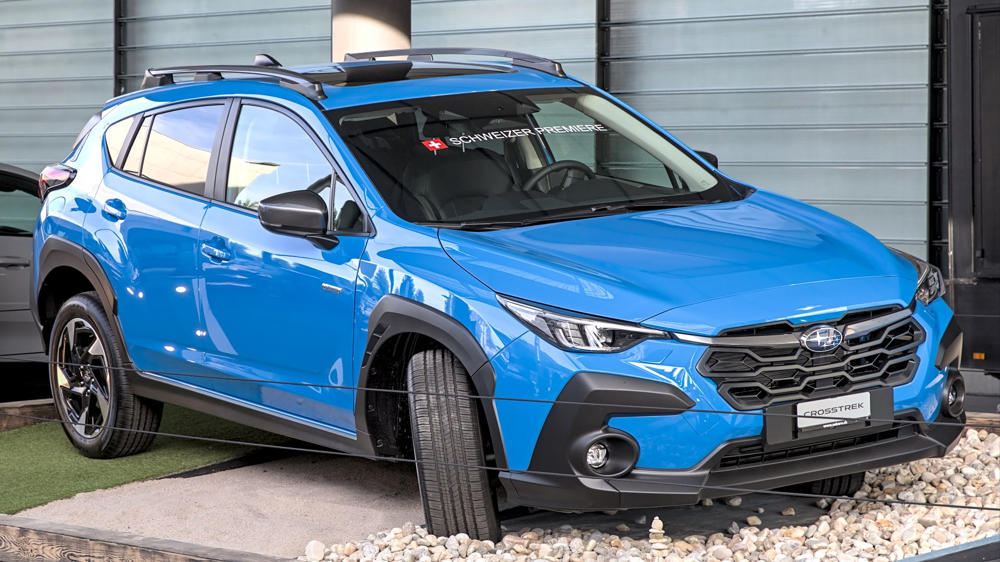
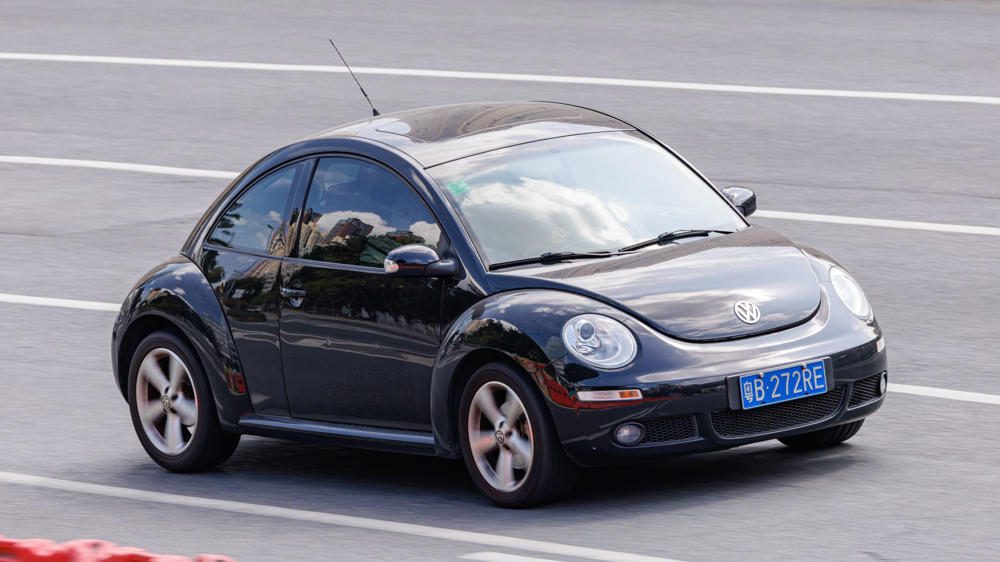
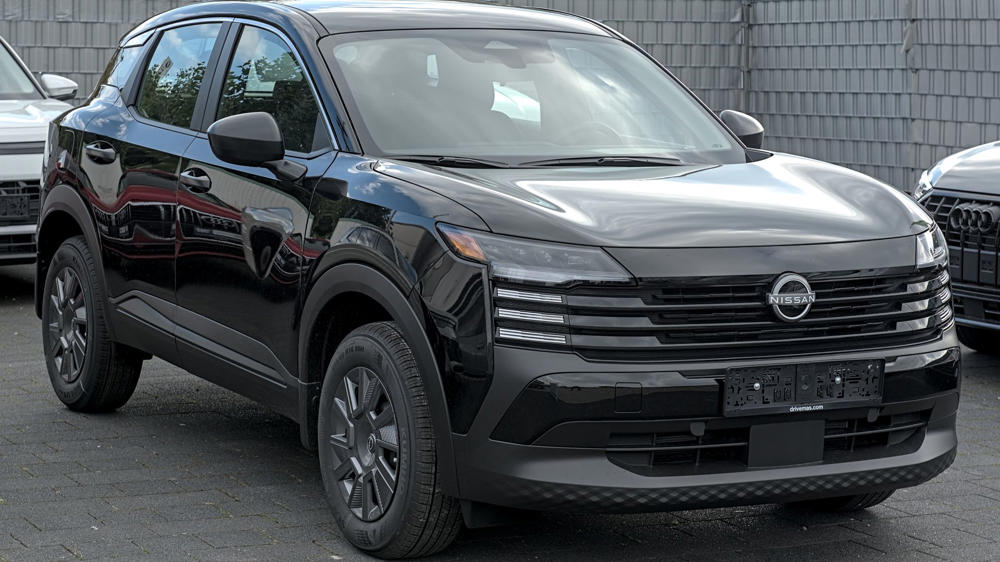
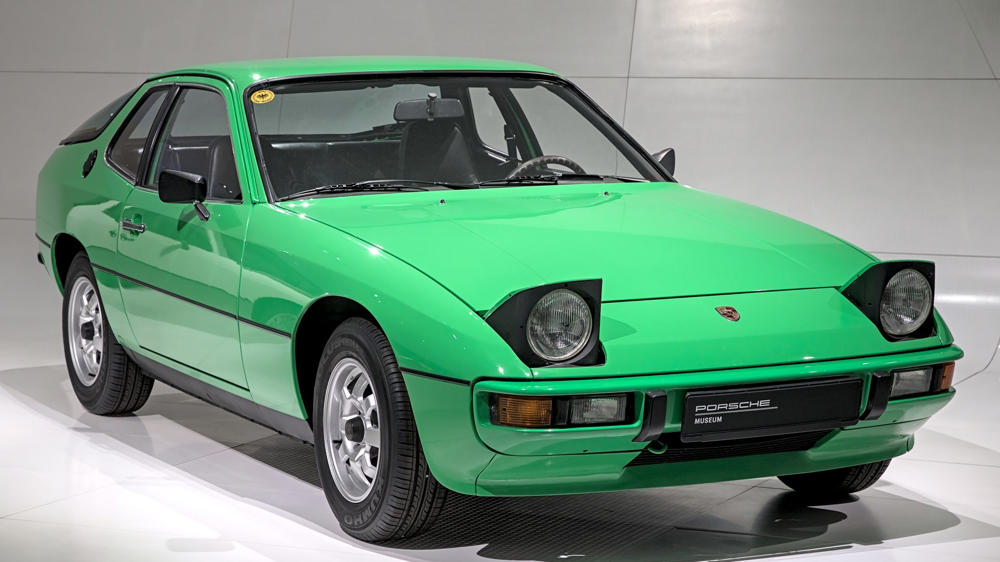
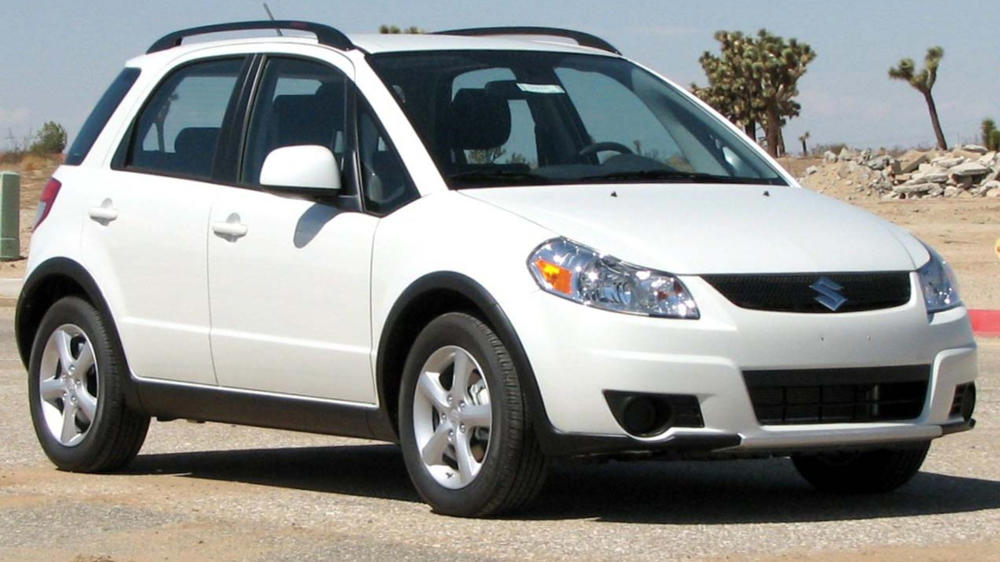
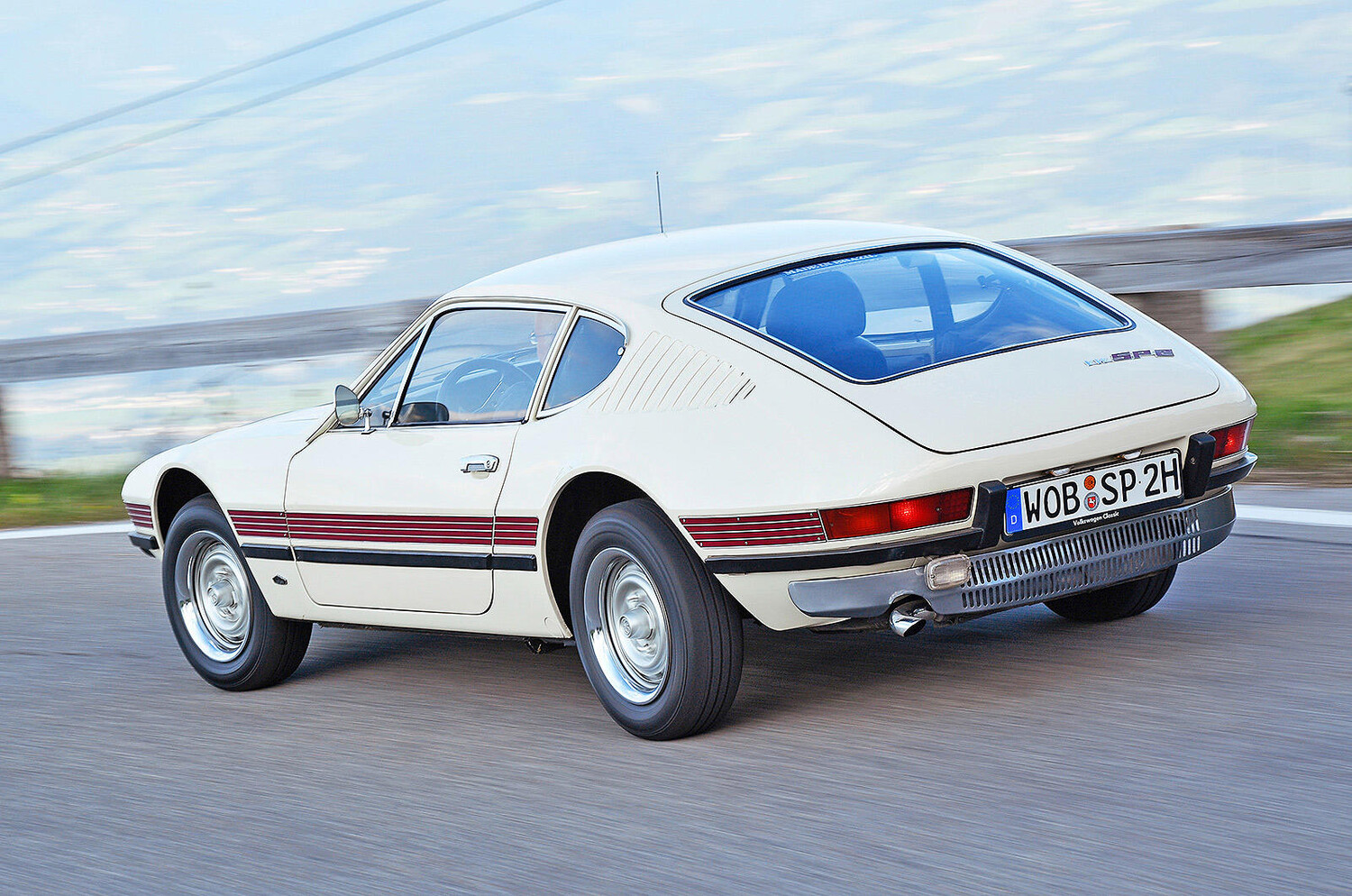
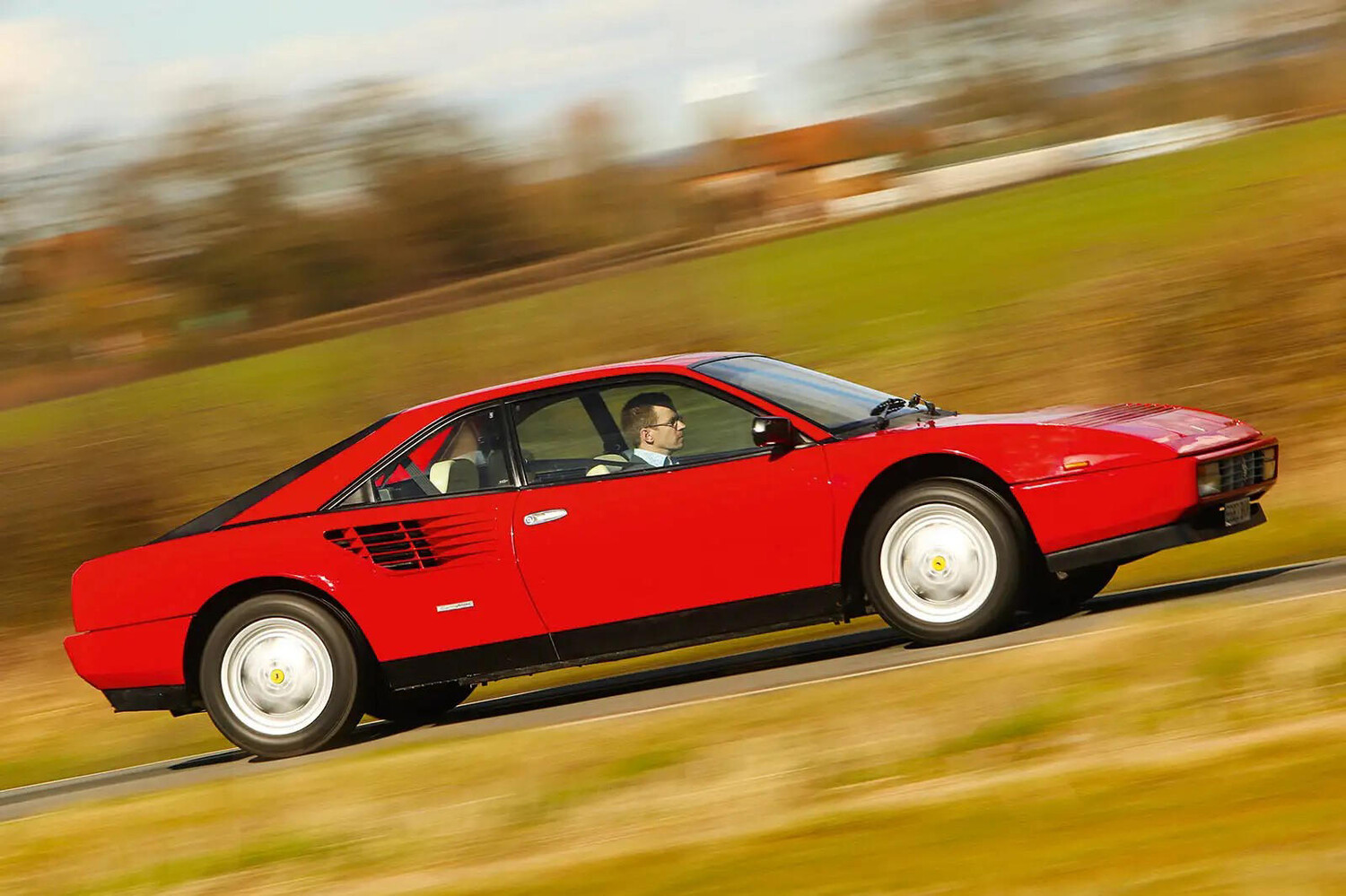
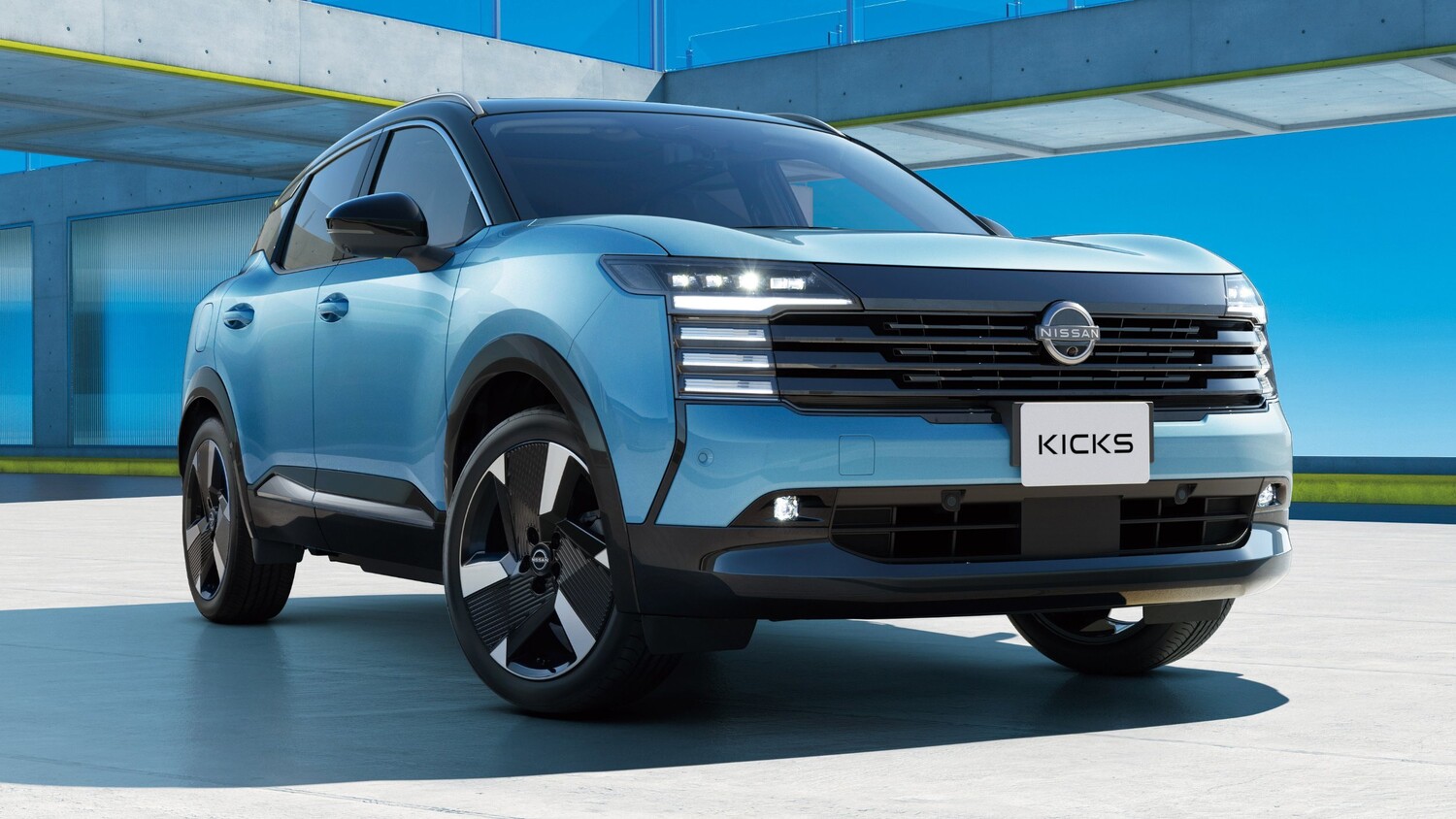
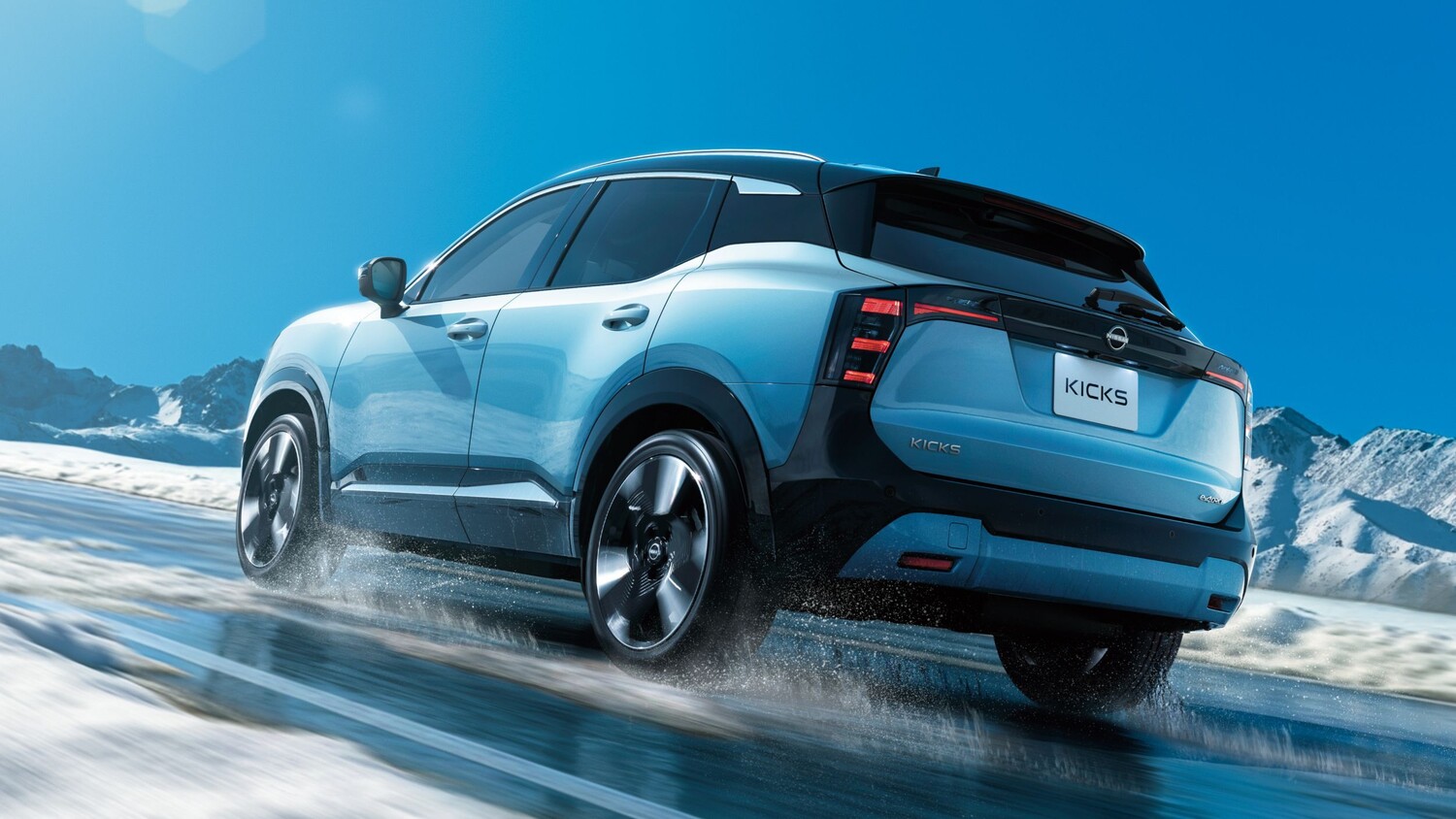
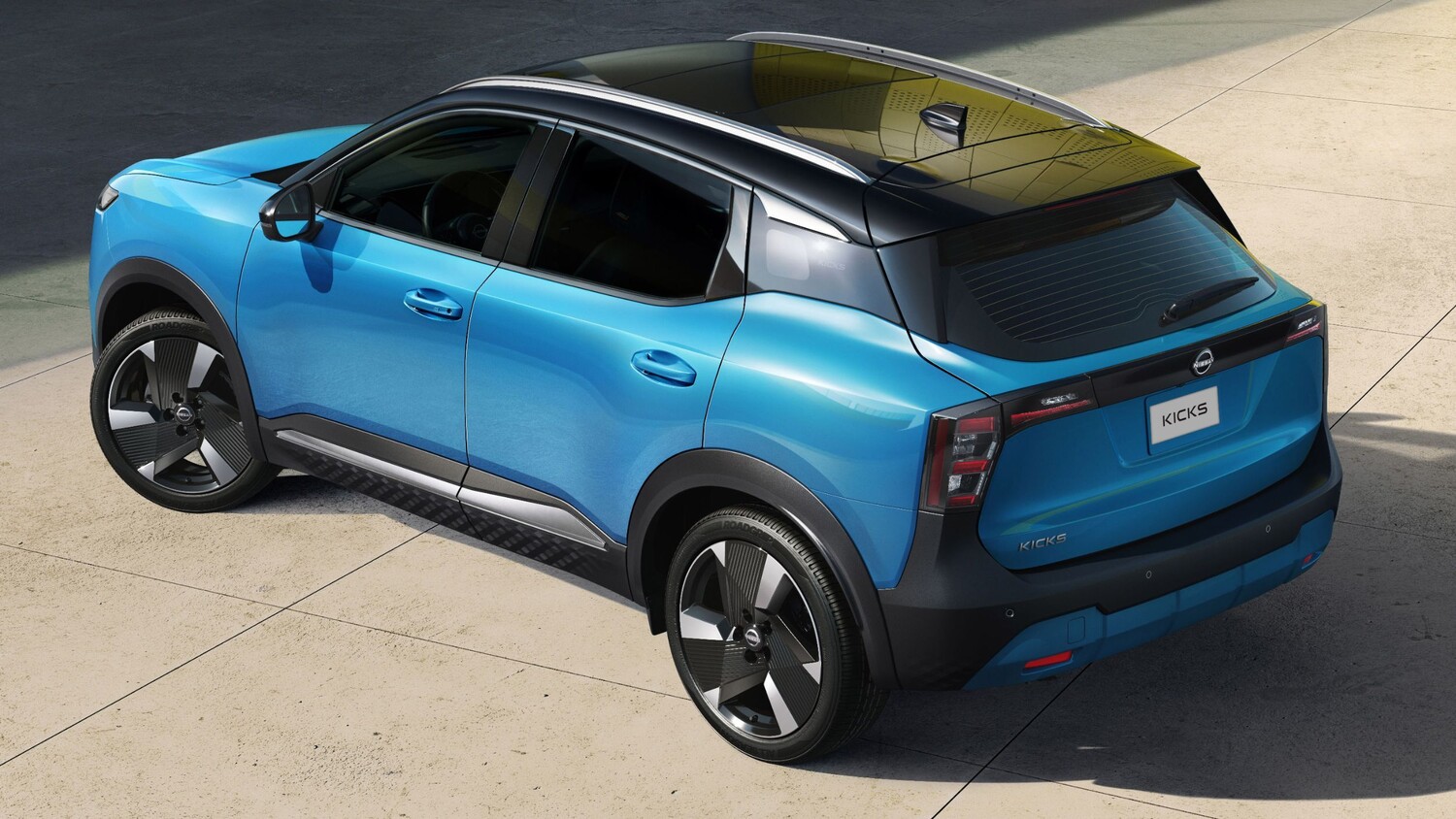
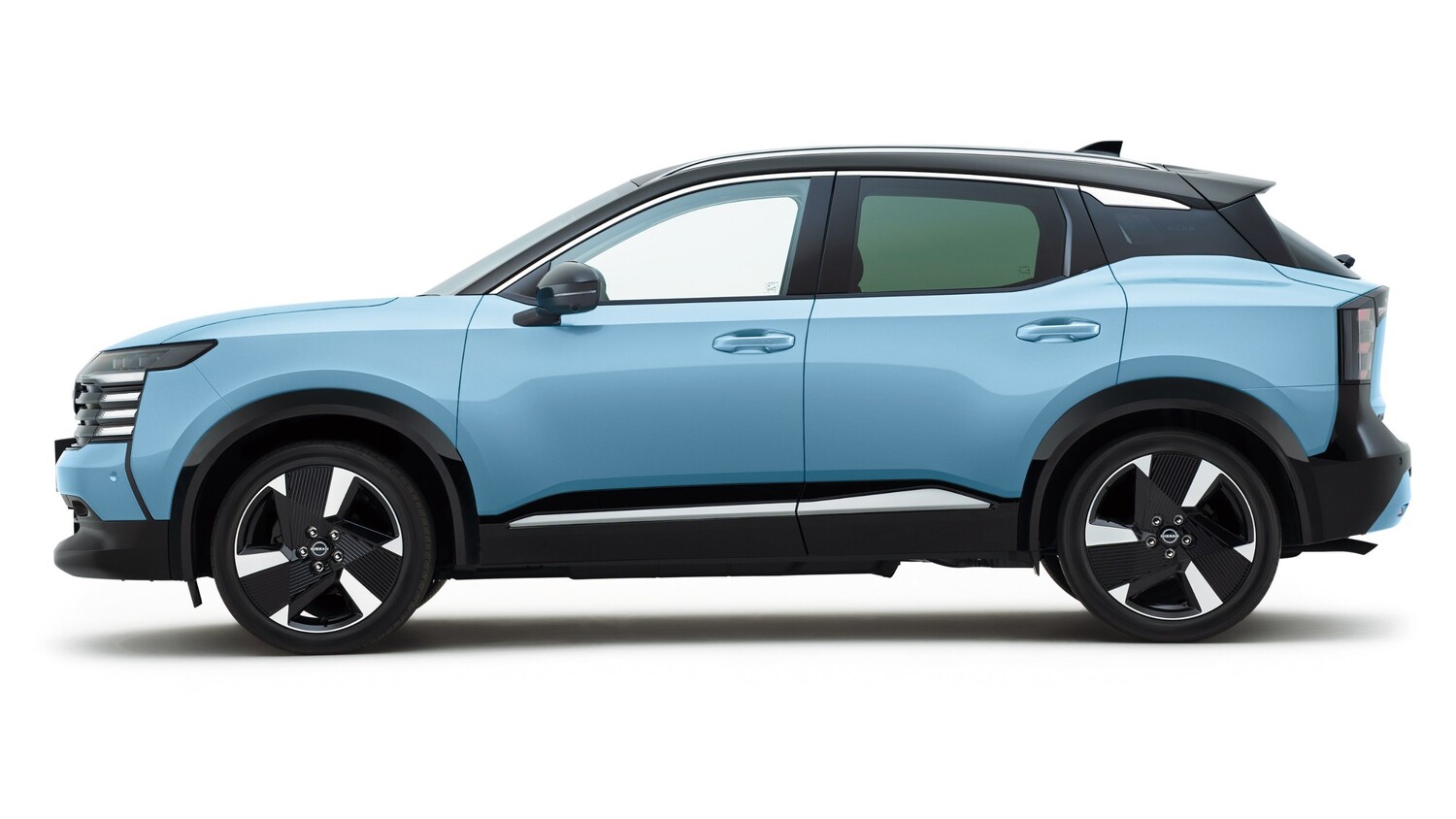
All That Noise for Very Little Speed Some cars make so much noise that you'd expect them to deliver some seriously impressive performance, only to discover they're struggling to keep up with everyday traffic. Whether it's an overly enthusiastic exhaust, an engine that sounds constantly stressed, or a transmission that sends the revs soaring without much acceleration, certain vehicles make far more noise than their performance justifies. Whatever the reason, these 20 cars prove that making a lot of noise doesn't necessarily mean you're going anywhere fast. 1. Fiat 500 Abarth The Fiat 500 Abarth has one of the most entertaining exhaust notes you'll find on a small hatchback, but its performance isn't nearly as outrageous as it sounds. Its turbocharged 1.4-liter engine produces up to 160 horsepower in U.S. manual-transmission models, which is respectable but not particularly impressive. You'll hear plenty of aggressive growling and popping from the exhaust, even when you're accelerating at perfectly ordinary speeds. 2. Mitsubishi Mirage With just 78 horsepower in later U.S. models, the Mitsubishi Mirage was never going to deliver particularly exciting performance. Unfortunately, its little three-cylinder engine makes an incredible amount of noise when you accelerate, especially when paired with the continuously variable transmission. Merging onto a highway can become an unnecessarily loud experience because the engine has to work so hard to deliver such modest results. 3. Scion FR-S Toyota and Subaru created the Scion FR-S to offer affordable sports car thrills, and its lightweight construction makes it genuinely enjoyable through corners. However, the naturally aspirated 2.0-liter boxer engine produces just 200 horsepower and suffers from a noticeable lack of midrange torque. Push it hard enough to really hear the engine, and you'll discover that the acceleration doesn't quite live up to the excitement of the overall driving experience. 4. Smart Fortwo Few vehicles require quite as much engine effort to accomplish so little as the second-generation Smart Fortwo. Its naturally aspirated three-cylinder engine produces around 70 horsepower, while the awkward automated manual transmission makes acceleration feel even more frustrating. The engine gets surprisingly loud when you're trying to keep up with faster traffic, despite the car being one of the smallest vehicles on the road. 5. Hyundai Veloster 1.6 The original Hyundai Veloster certainly looks like something that should be reasonably quick, especially with its aggressive styling and unusual three-door layout. Unfortunately, the base 1.6-liter engine produces only 138 horsepower in early U.S. models, making acceleration a little disappointing. Push the engine toward the higher end of its rev range, and you'll get considerably more mechanical noise than the resulting speed would suggest. 6. Mazda RX-8 Automatic Mazda's rotary-powered RX-8 is famous for its distinctive engine sound and eagerness to rev, but the automatic versions weren't particularly impressive when it came to performance. Early North American automatic models produced just 197 horsepower, considerably less than their manual counterparts. The rotary engine still delivers its signature high-pitched soundtrack, although the automatic transmission makes the actual acceleration feel far less exciting. 7. Dodge Dart Rallye 2.0 The Dodge Dart Rallye came with sporty exterior details that made it look more exciting than your average compact sedan. However, models equipped with the naturally aspirated 2.0-liter engine produced just 160 horsepower, which wasn't especially impressive considering the car's weight. The engine gets noticeably coarse when pushed, making enthusiastic acceleration feel like considerably more effort than it should. 8. Toyota C-HR Toyota gave the C-HR some unusually aggressive styling, but its performance never really lived up to its appearance. The U.S. version's 2.0-liter engine produces 144 horsepower, while its continuously variable transmission tends to keep the engine droning during hard acceleration. You can press the accelerator as enthusiastically as you want and hear plenty of commotion without experiencing much excitement behind the wheel. 9. Pontiac Fiero 2M4 When the Pontiac Fiero first arrived, its mid-engine layout and sleek styling made it look considerably faster than it actually was. The original four-cylinder version used GM's 2.5-liter Iron Duke engine, which produced just 92 horsepower in 1984. Its rough, unrefined engine wasn't particularly pleasant to listen to, and anyone expecting exotic sports car performance quickly discovered that the Fiero was much better at attracting attention than accelerating. 10. Nissan Juke Nismo CVT Nissan gave the Juke Nismo aggressive styling, sporty suspension tuning, and an exhaust note that made it sound considerably more exciting than an ordinary crossover. Unfortunately, versions equipped with the continuously variable transmission weren't nearly as engaging to drive as their appearance suggested. Despite having a turbocharged engine producing around 188 horsepower, the transmission could make hard acceleration feel unnecessarily noisy without delivering the excitement drivers might have expected. 11. DeLorean DMC-12 The DeLorean DMC-12 might be one of the most recognizable sports cars ever built, but its performance was underwhelming even when it was brand new. Its 2.85-liter V6 produced approximately 130 horsepower in U.S. specification, which wasn't particularly impressive for a relatively heavy stainless-steel sports car. The engine gets fairly vocal when accelerating, although the resulting speed doesn't come close to matching the excitement generated by the car's appearance. 12. Chevrolet Spark CVT Chevrolet's little Spark was designed primarily for affordable urban transportation, so nobody was expecting extraordinary performance. Still, the combination of a modest four-cylinder engine and a continuously variable transmission makes acceleration much noisier than you might anticipate. When you're trying to merge onto a busy highway, the engine can sound like it's working at maximum capacity, even though the speedometer seems to be climbing at its own leisurely pace. 13. Honda CR-Z CVT Honda marketed the CR-Z as a sporty hybrid coupe, combining sharp styling with a compact two-seat interior and an efficient powertrain. However, early models produced just 122 horsepower from their gasoline-electric setup, leaving performance somewhat disappointing. The CVT-equipped version gets particularly noisy when pushed, producing plenty of engine sound without the engaging acceleration buyers might have been hoping for. 14. Jeep Wrangler 2.5 The four-cylinder Jeep Wrangler TJ was perfectly capable of tackling trails, but highway driving quickly revealed its performance limitations. Its 2.5-liter engine produced 120 horsepower, and the Wrangler's boxy shape certainly didn't make things easier at higher speeds. Between the struggling engine, substantial wind noise, and minimal sound insulation, highway journeys could become incredibly loud without the vehicle actually traveling particularly fast. 15. Subaru Crosstrek 2.0 CVT Subaru's Crosstrek is a practical little crossover with excellent all-weather capabilities, but the base 2.0-liter engine wasn't exactly energetic. Producing 152 horsepower, it often struggled to deliver satisfying acceleration, particularly when paired with the continuously variable transmission. Pressing the accelerator harder frequently resulted in a long, drawn-out engine drone that made the car sound much more determined than its actual performance suggested. 16. Volkswagen New Beetle 2.0 The original Volkswagen New Beetle certainly attracted attention with its retro styling, although the standard 2.0-liter engine wasn't particularly exciting. Producing just 115 horsepower in early U.S. versions, it delivered modest acceleration and became rather coarse when pushed. Its mechanical growl could get surprisingly loud, though, especially when climbing hills or attempting to pass slower vehicles on the highway. 17. Nissan Kicks 1.6 Nissan's first-generation Kicks focused on affordability and fuel economy rather than performance, which helps explain its modest 122-horsepower engine. Unfortunately, the continuously variable transmission can cause the engine to drone loudly during acceleration, even when you're simply trying to keep up with surrounding traffic. Getting up to highway speeds involves a surprising amount of noise, and the actual acceleration rarely feels particularly impressive. 18. Porsche 924 2.0 Despite wearing a Porsche badge, the original naturally aspirated 924 wasn't especially quick compared with more powerful sports cars. Early U.S. models produced approximately 95 horsepower from their 2.0-liter four-cylinder engines, making acceleration relatively modest. The engine could become quite coarse at higher revs, resulting in a driving experience that sounded considerably more enthusiastic than the performance figures suggested. 19. Honda HR-V 1.8 CVT Honda's first-generation U.S.-market HR-V was a sensible little crossover, but its 141-horsepower engine wasn't particularly well suited to enthusiastic acceleration. The continuously variable transmission often keeps the engine at high revs when drivers demand more power, creating a surprisingly intrusive amount of noise. This becomes especially noticeable when climbing steep hills, where the engine can sound like it's struggling far more than the vehicle's actual speed would suggest. 20. Suzuki SX4 AWD The Suzuki SX4 earned a reputation as a surprisingly capable and affordable little hatchback, particularly in all-wheel-drive form. However, the combination of a relatively modest four-cylinder engine, additional drivetrain weight, and limited sound insulation made highway acceleration much noisier than expected. Later models equipped with a continuously variable transmission could be particularly loud when pushed, reminding drivers that practicality and affordability were always bigger priorities than outright speed.