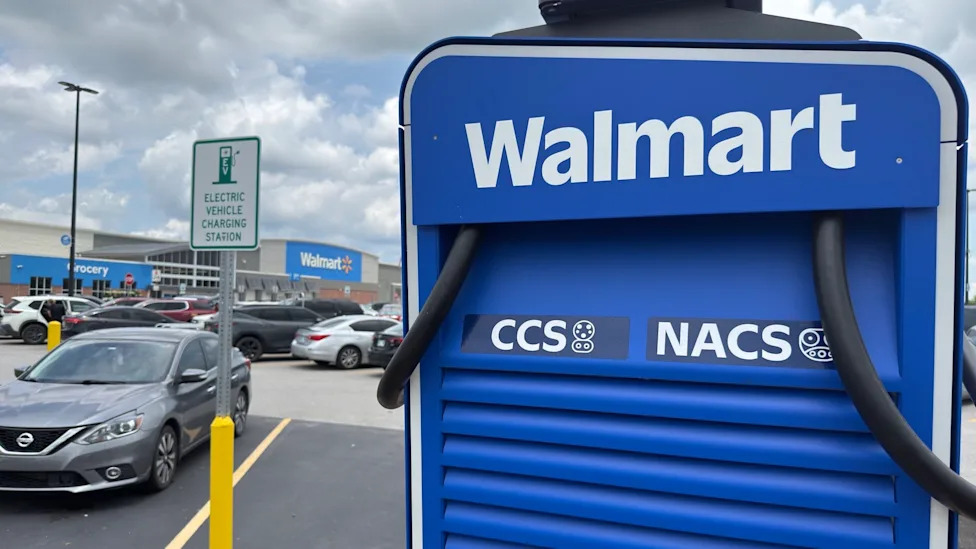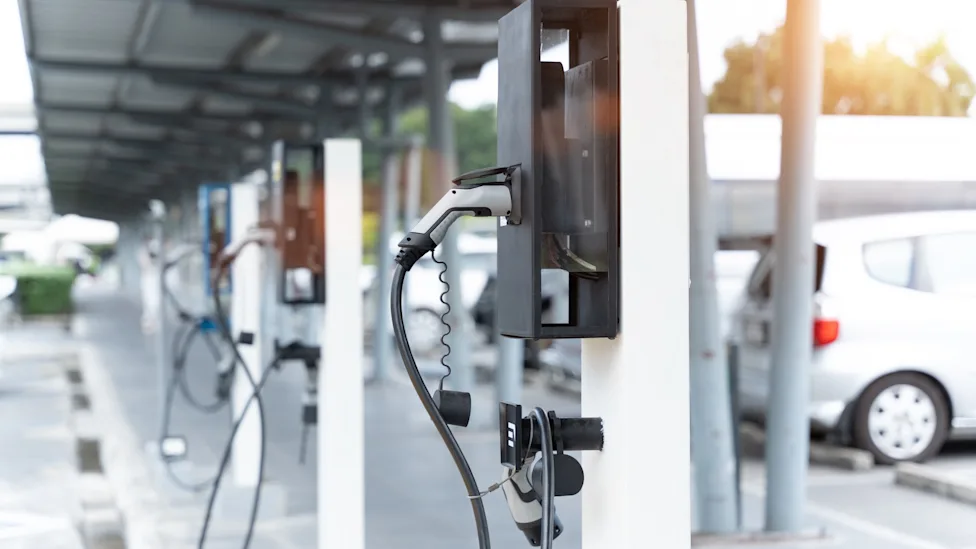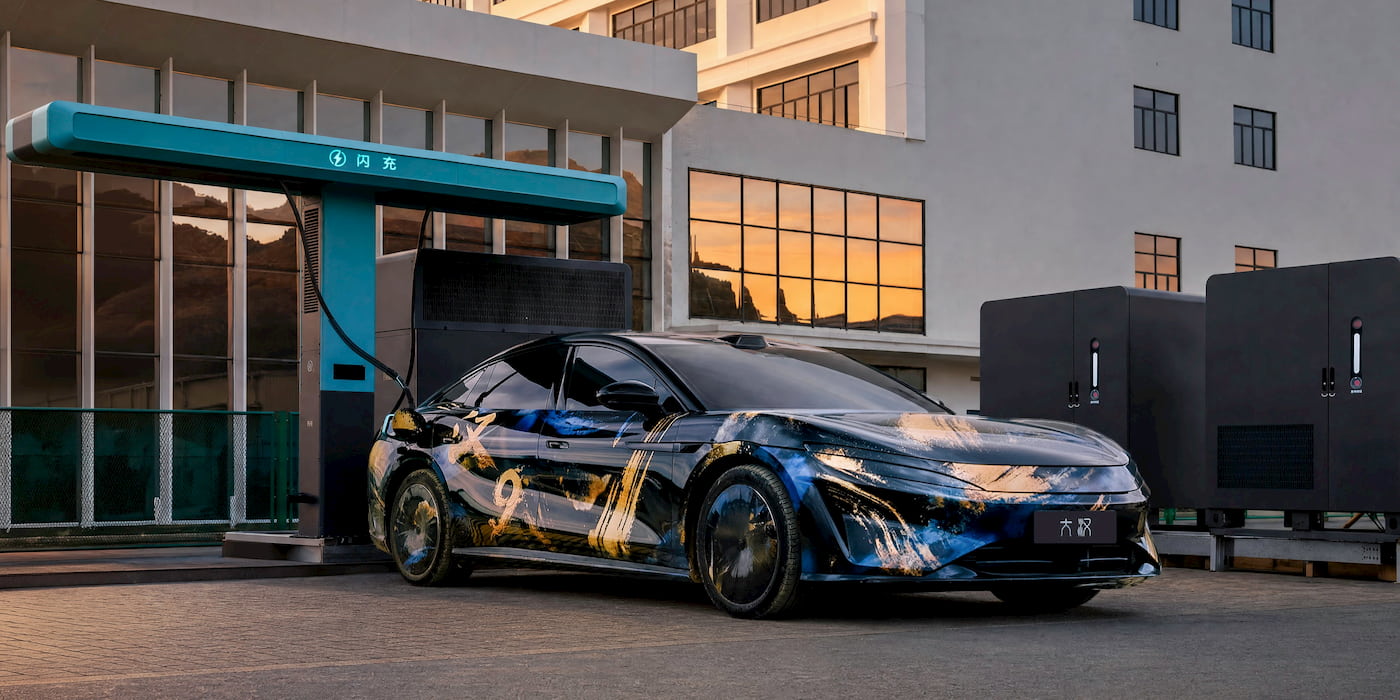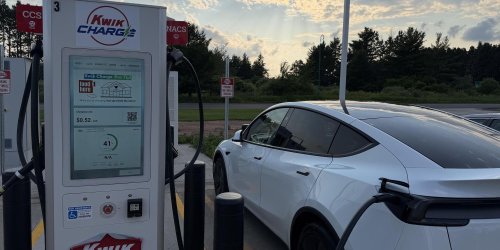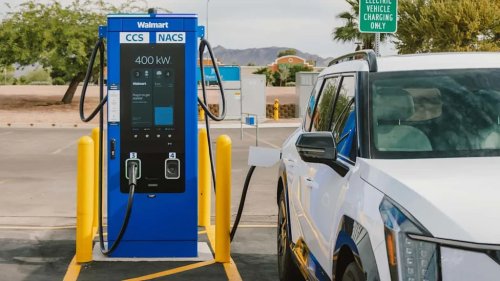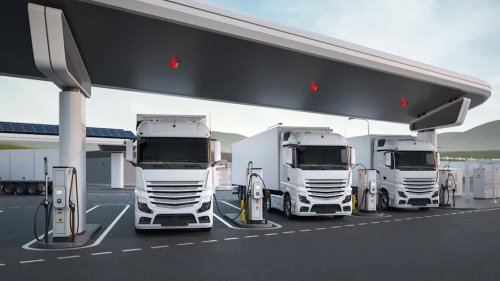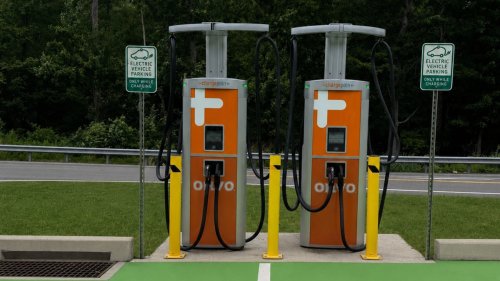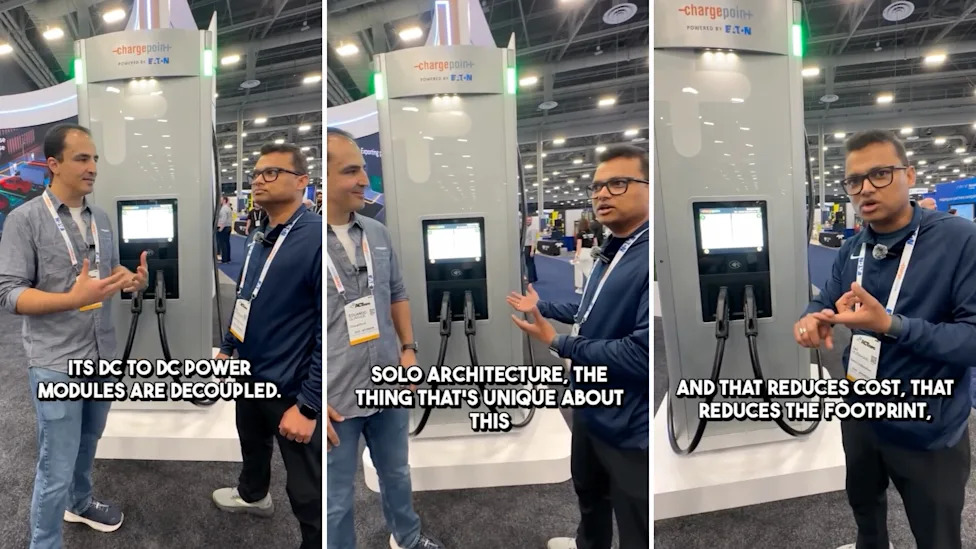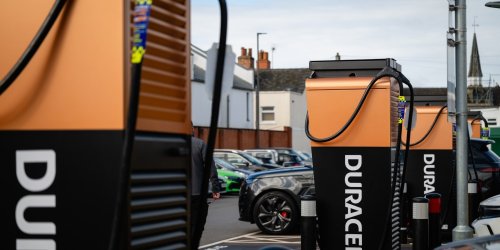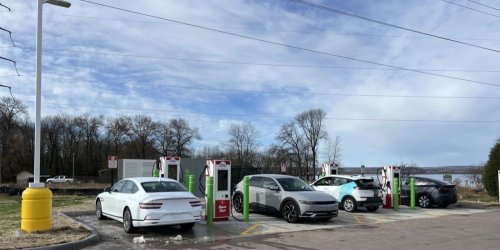

















The new public fast charger installations are rolling out steadily — just several days ago it was reported that over 3,000 were installed in the US in the first quarter. The total number of public fast chargers in the US is over 71,000. Now comes news of 126 fast chargers to be installed in the state of Oregon at 24 locations, according to the state’s Climate Office: We selected seven private companies for NEVI Round 2 grants. In total, the grants will fund 24 DC fast charging stations (126 total charging ports) along Interstate 84 and U.S. Highways 20, 26, 97, and 101. We expect work to begin on these stations over the next 12-18 months. Some of the other important fast charger details are that each station will have at least four 150 kW ports. Each will also be located within one mile of an interstate or highway — this fact is one of the most important to EV drivers on long-distance trips. Locating new fast chargers right next to travel corridors makes it easy for EV drivers to get quick chargers so they can be on their way. Each of the new 24 stations will also have food and shopping nearby to support EV drivers. CCS and NACS connectors will be available at some of the new charging stations. The first of the new charging stations should be operating in 2027, which is another important point. Public EV chargers can be installed fairly quickly once various prep work has been completed. There will be another Oregon NEVI grant opportunity in summer 2026. Installing more fast chargers along travel corridors solves range anxiety because there are more and more chargers between common destinations. If there are fast chargers every 25-50 miles and most EVs have ranges of at least 200 miles there is no reason to be anxious about running out of electricity. Furthermore, it is not necessary to have an EV with 700 miles of range if there are plenty of public EV chargers, meaning there are already many EVs with sufficient range. At some point in the future, there will be no range anxiety. Even now some EV drivers don’t have it. At least 80% of EV charging happens at home, which is more convenient than having to drive to a gas or diesel fuel station to fuel and then drive home. Further, many new public EV chargers are being installed at shopping centers, shopping malls, public libraries, community centers, workplaces, and rec centers where EV drivers can charge and do other activities at the same time. Gas and diesel vehicle drivers cannot refuel their vehicles at public libraries, Walmarts, Kroger, or Shoprite at the exact same time they are shopping or looking at books or reading newspapers.