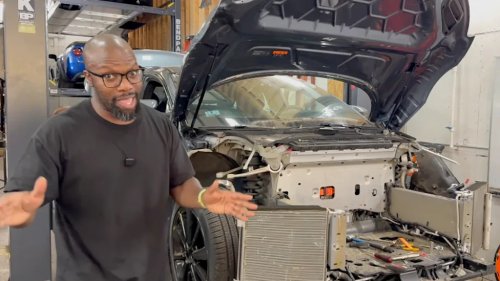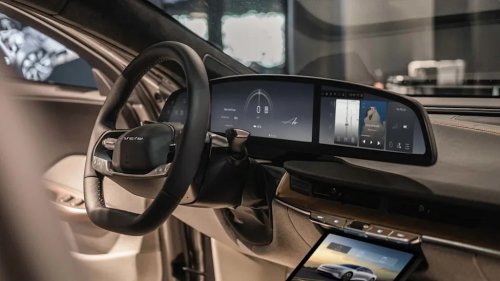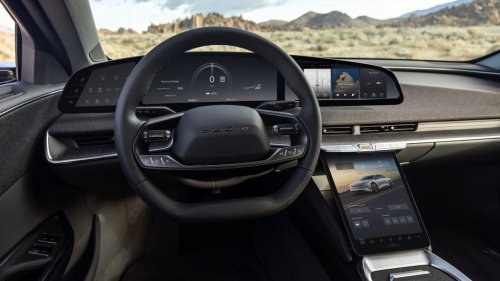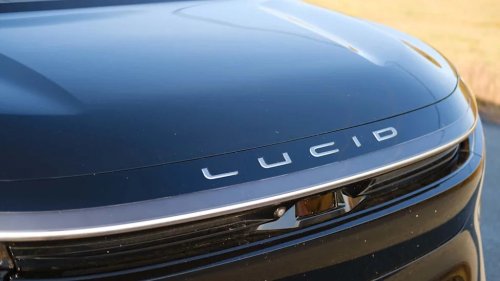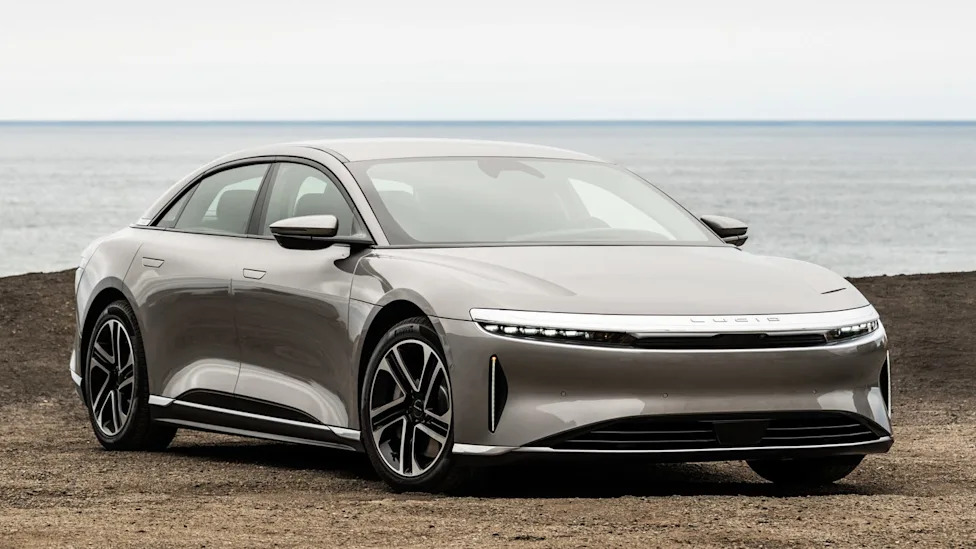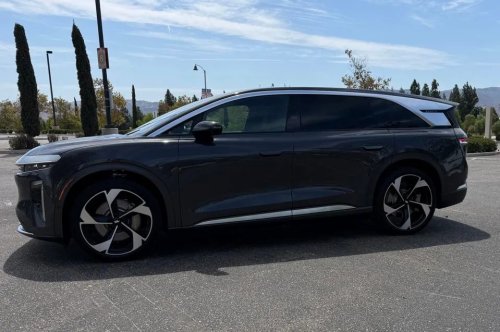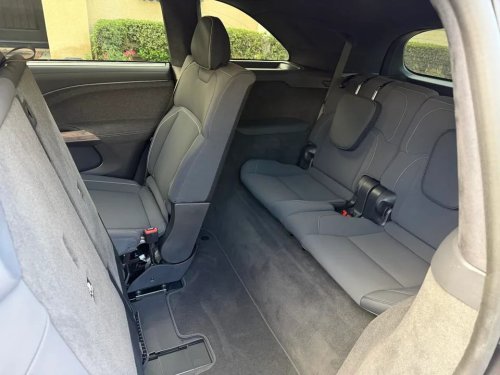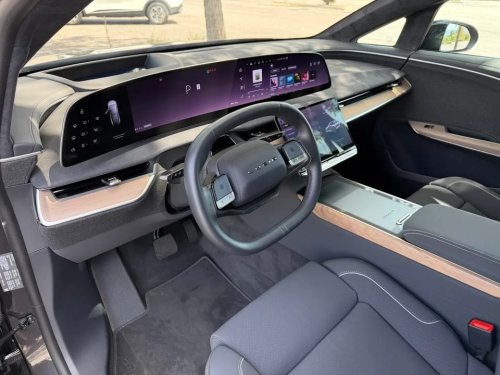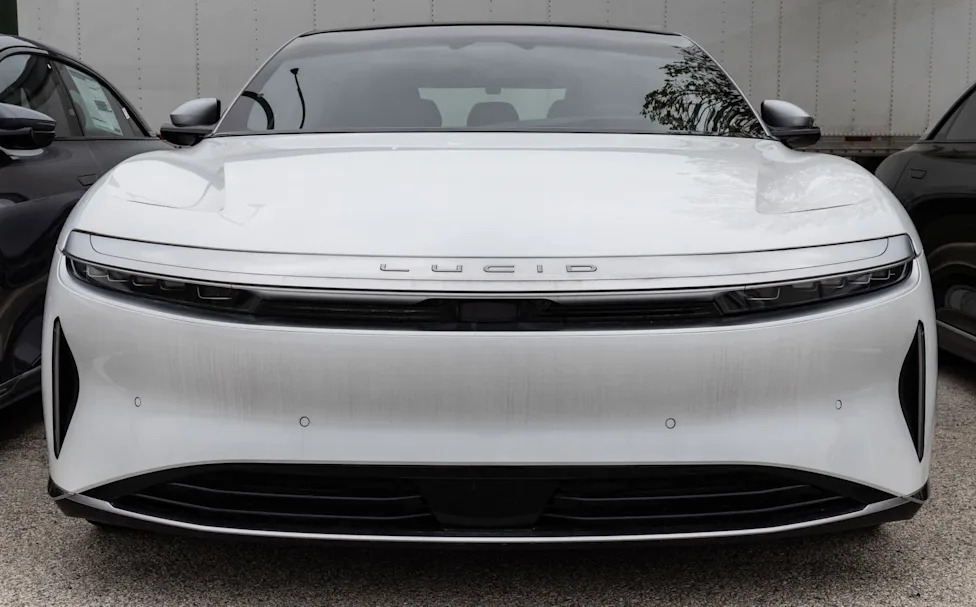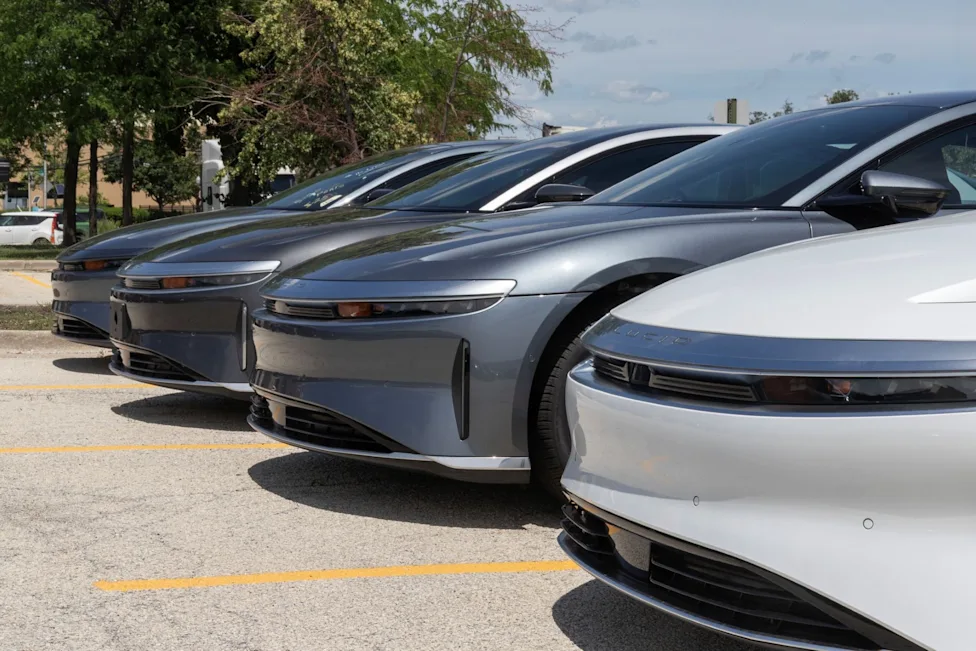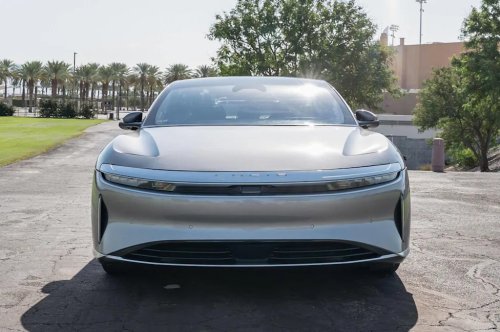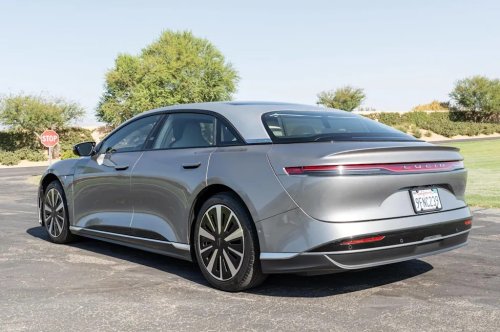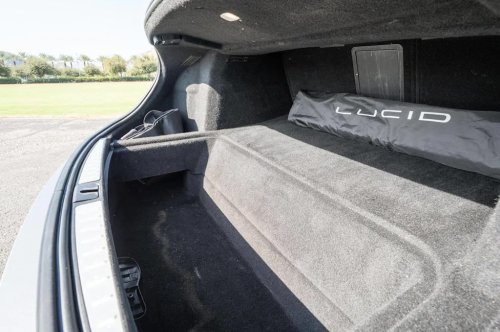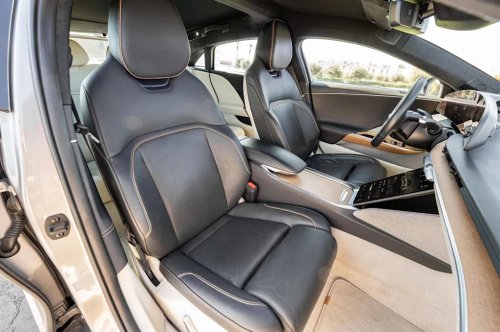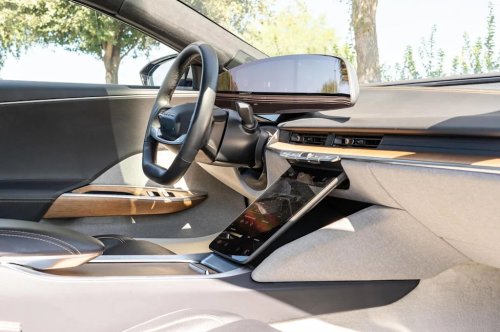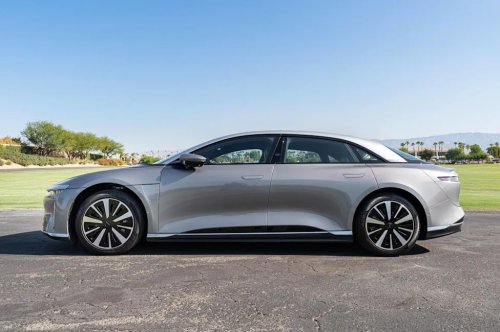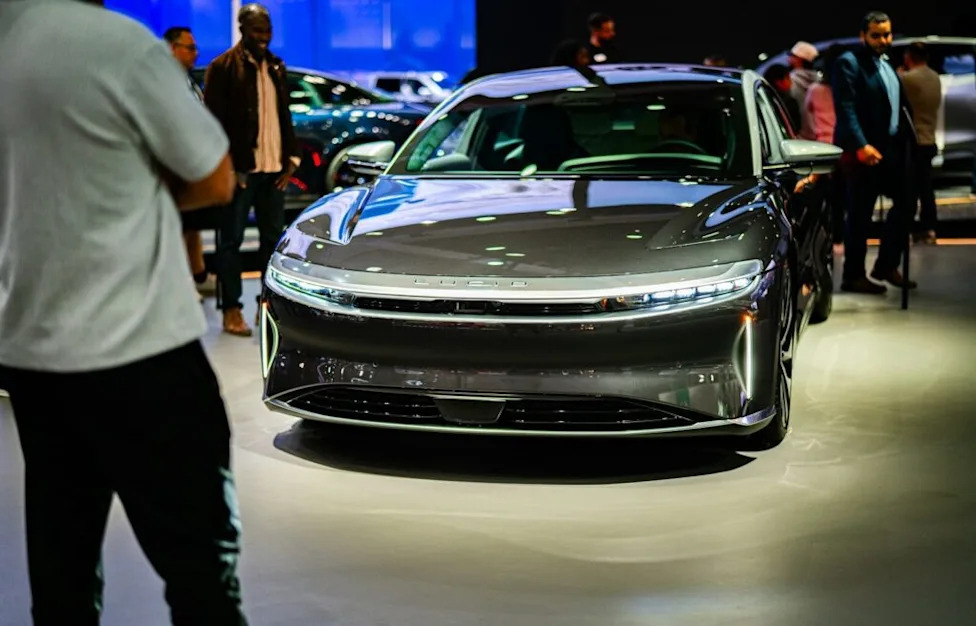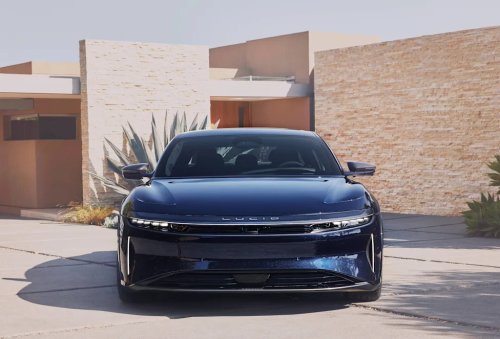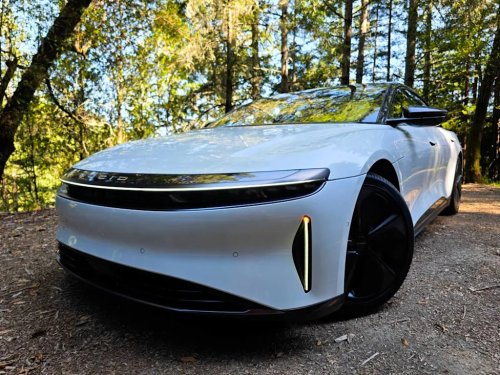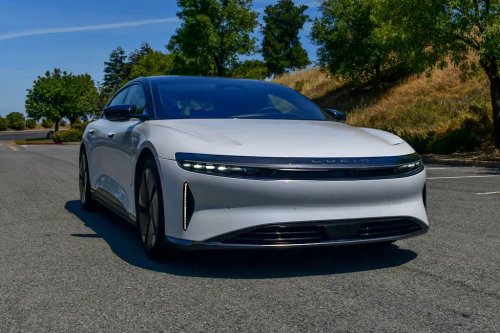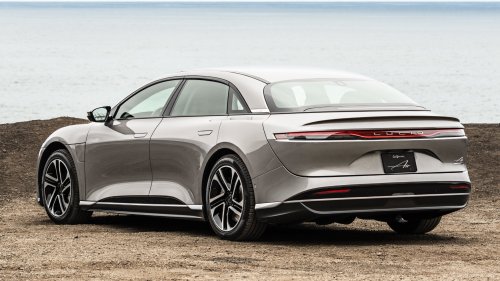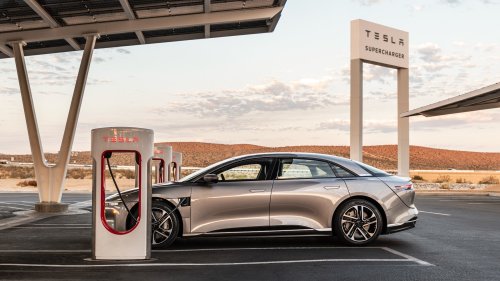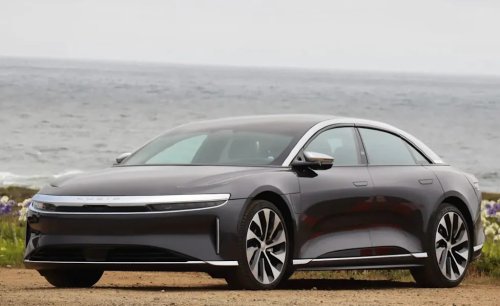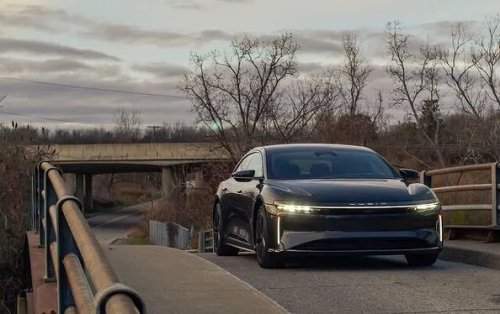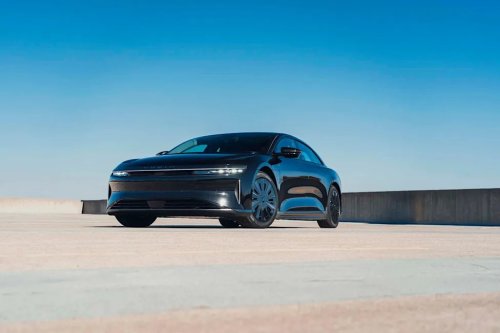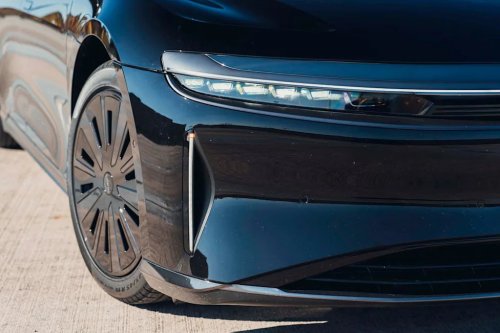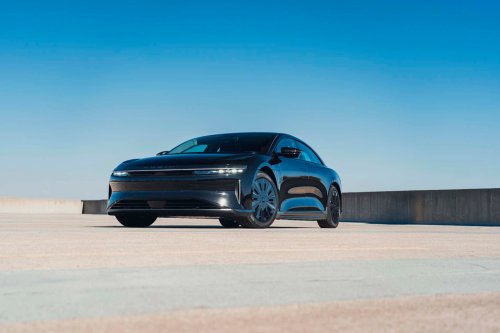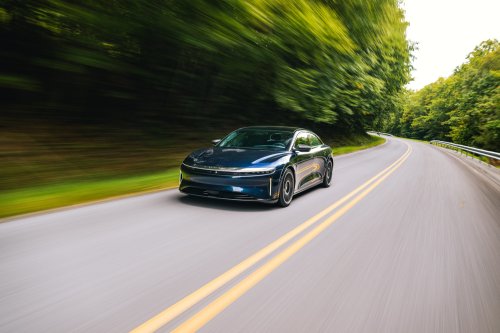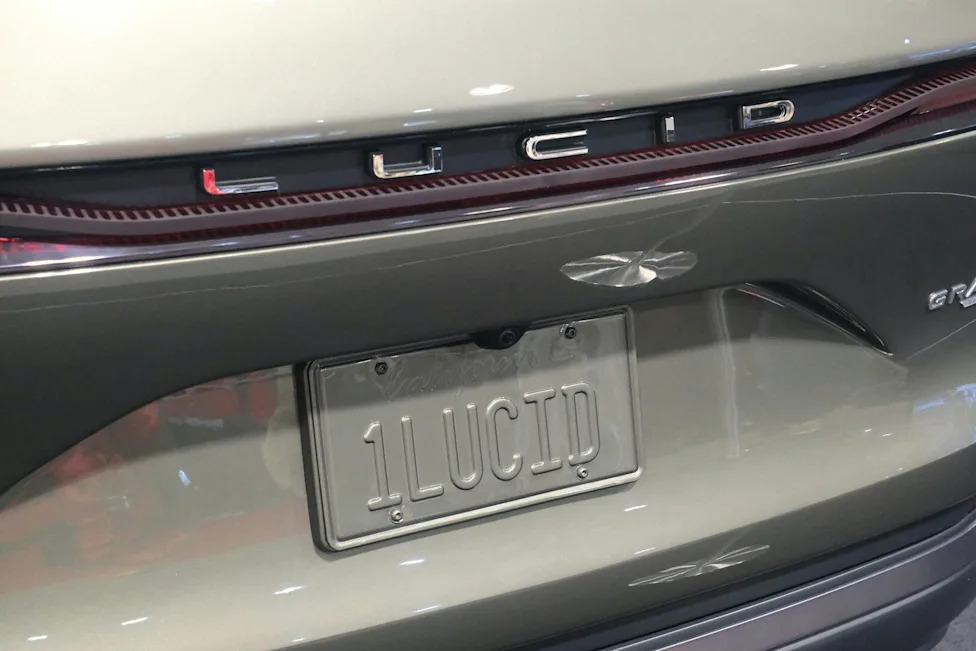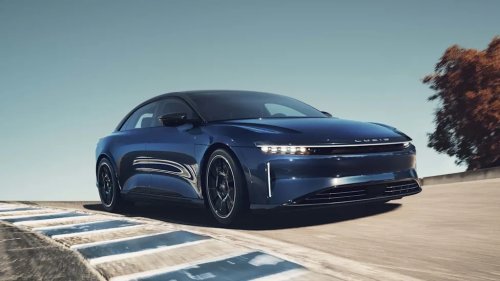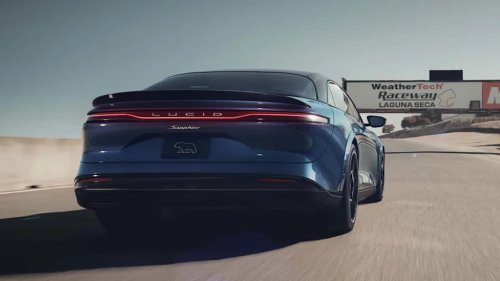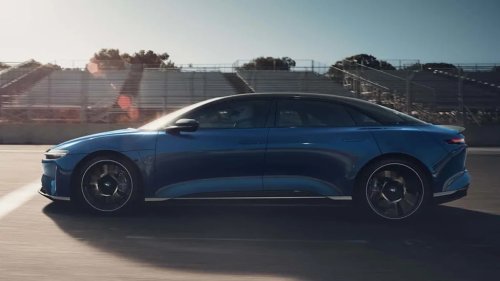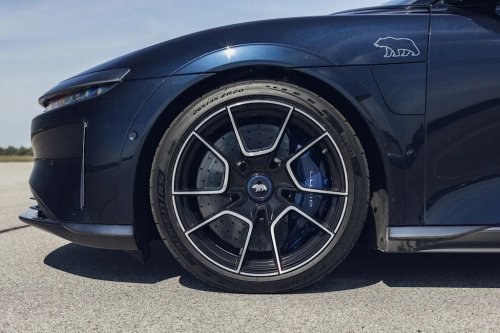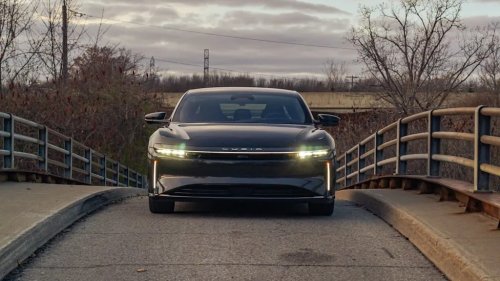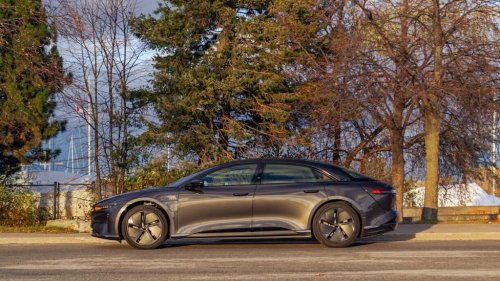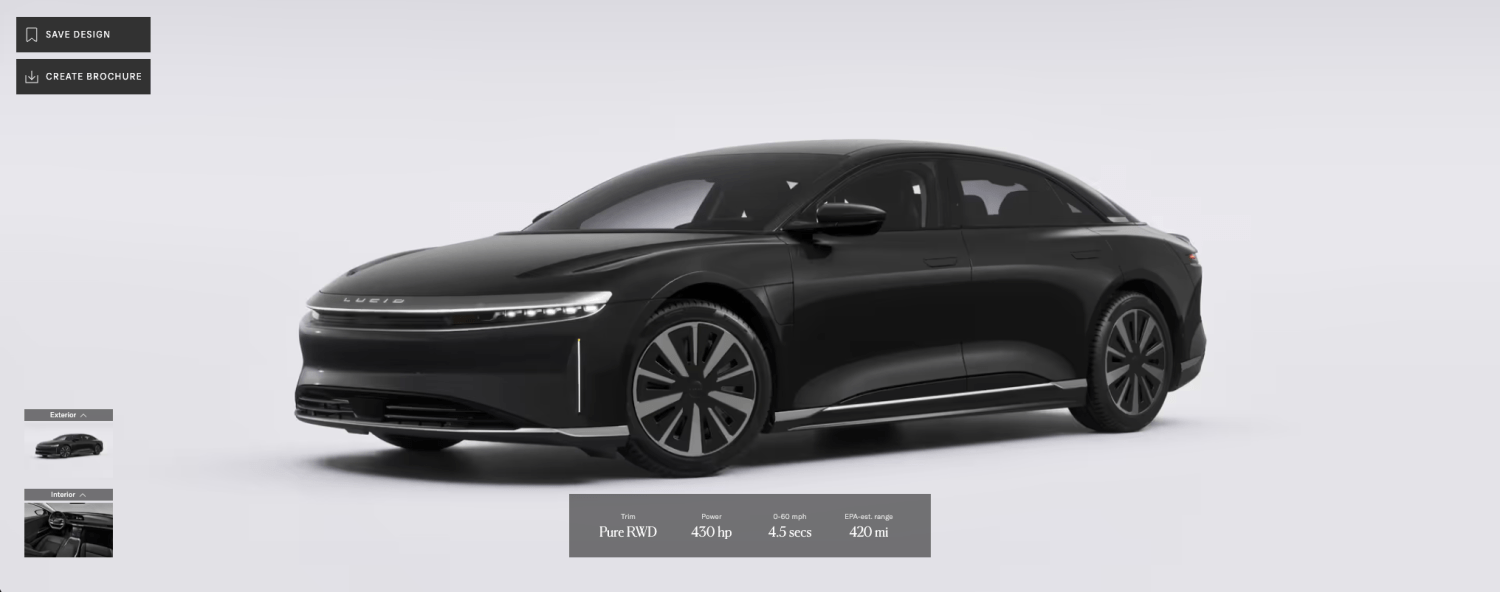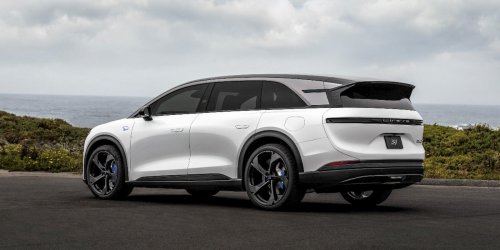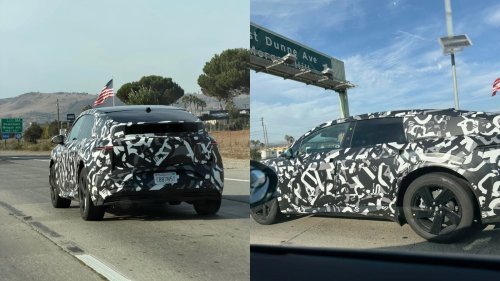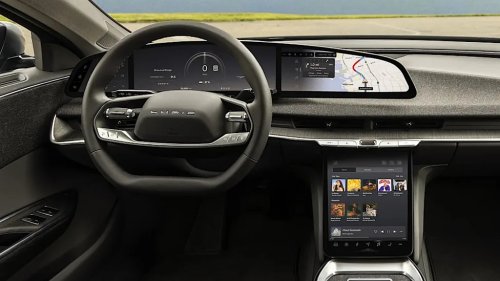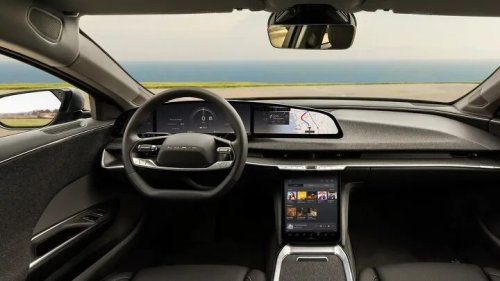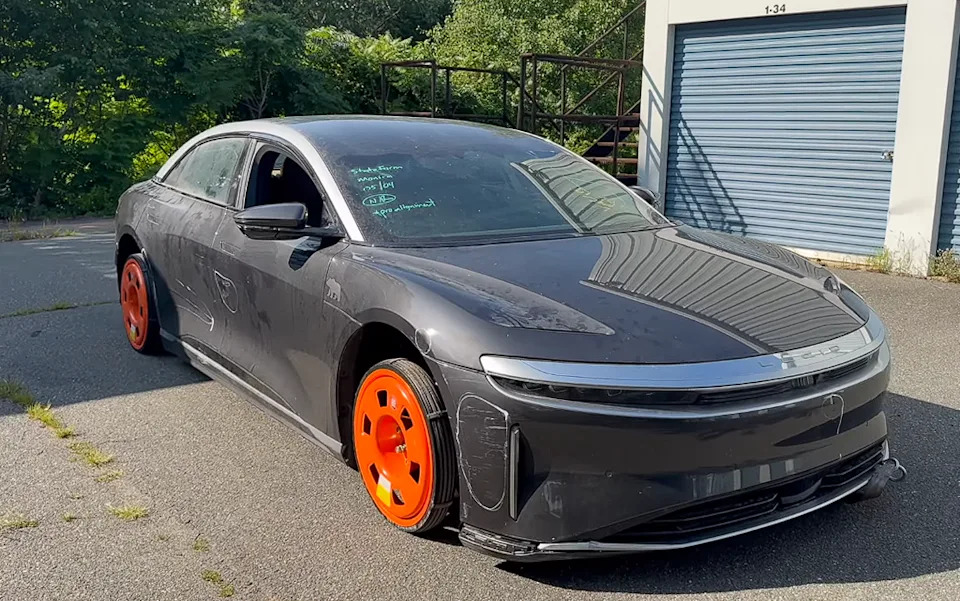
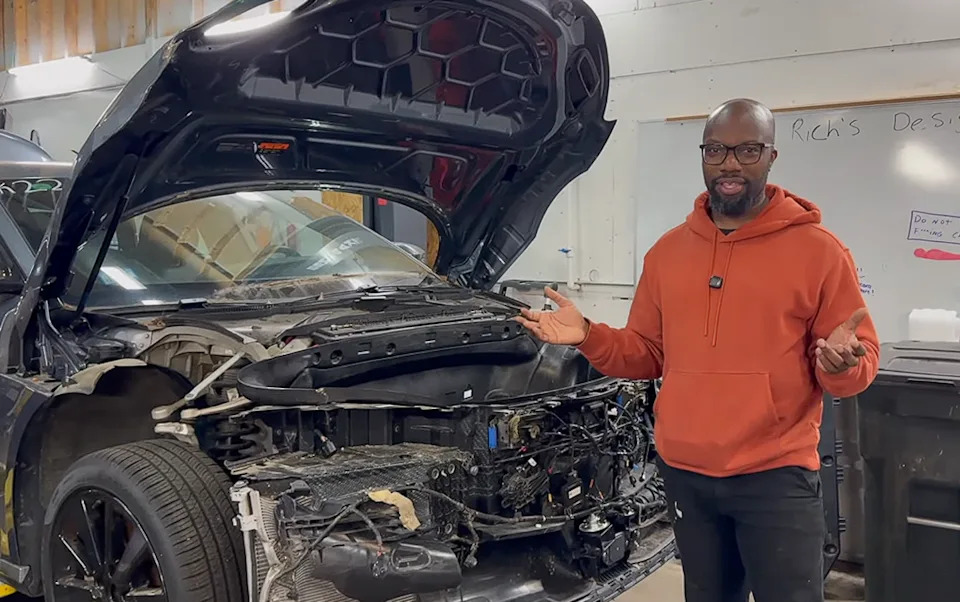
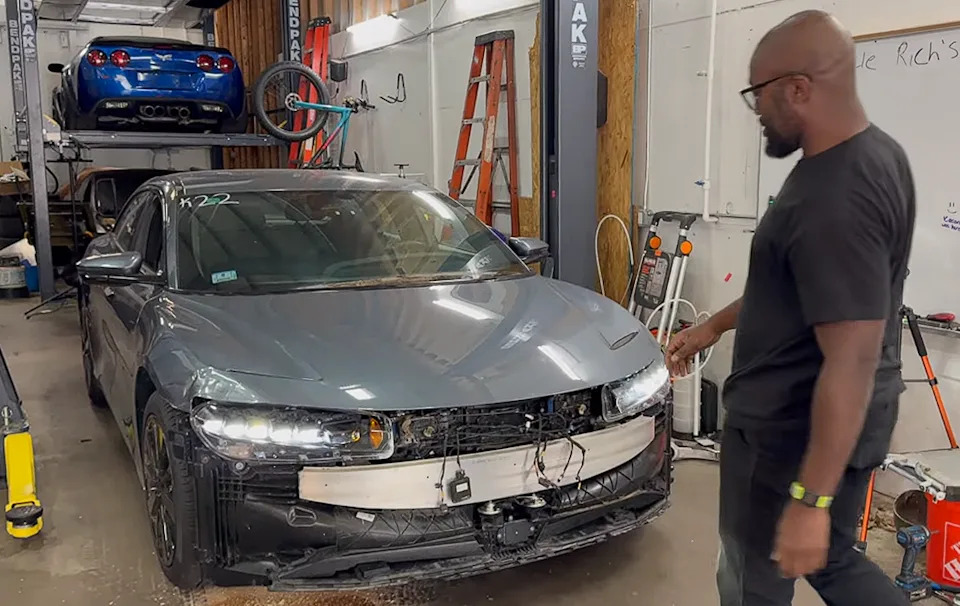



















Repairing a modern electric vehicle is notoriously difficult. With high-voltage battery packs, impossible-to-find replacement parts, and heavily encrypted software networks, a minor accident is usually a one-way ticket to the junkyard.But Rich Benoit, the mastermind behind the Rich Rebuilds YouTube channel, refuses to let EVs die without a fight.In his latest massive project, Benoit took on not one, but two completely "bricked" luxury electric vehicles. But just as he started to make progress, the manufacturer's legal team suddenly got involved."Where EVs Go to Die"The saga started when Benoit purchased a destroyed luxury EV for pennies on the dollar."I bought a $140,000 Lucid for $4,100 because it's completely broken," Benoit explained.However, his project quickly doubled in size. A fan named Peter—who owned a separate, totally dead Lucid—received a staggering repair estimate from the manufacturer for 190 hours of labor and $20,000 in parts just to "reshell" the car. Desperate, the fan shipped his car to Benoit's garage."Peter did what any desperate person would do as a last resort; he sent it to me where EVs go to die," Benoit joked.Working on the ultra-rare vehicles proved to be a nightmare. Because replacement parts are heavily restricted, Benoit and his team were forced to cut used bumper components in half with an angle grinder and physically stitch them together using plastic staples and hot glue.Worse yet, the cars refused to take a charge. To bypass the software lockouts, Benoit had to perform a "trick force feed" to jump-start the high-voltage system.The Unexpected EmailJust as Benoit managed to get his own $4,100 Lucid to accept a charge, he received a shocking message."Lucid's lawyers emailed me, and it wasn't a cease and desist," he revealed.Instead of shutting the unauthorized rebuild down, the automaker actually offered a lifeline. Because independent mechanics do not have the software tools to remove the vehicles from "Service Mode" or the heavily restricted 10 MPH "Turtle Mode," Lucid offered to pick up both cars and reset the systems internally.But there was a massive catch."Lucid says they're actually willing to pick up both cars and help them get them out of service mode and reset the errors because they don't give us the tools to do it ourselves," Benoit explained. "Which is fine and dandy and everything, except Lucid won't take any dead cars".The cars had to be capable of driving onto a trailer under their own power.Against all odds, the team managed to bypass the electronic parking brake faults, top off the leaking coolant systems, and actually get the cars moving. In the final moments of the video, Benoit successfully drove the stitched-together, $4,100 salvage car down the road at 35 MPH, officially making it a running, driving vehicle ready for Lucid's software rescue."This is what you get when you buy a Lucid, I guess… You get what you get, and you don't get upset," he concluded.