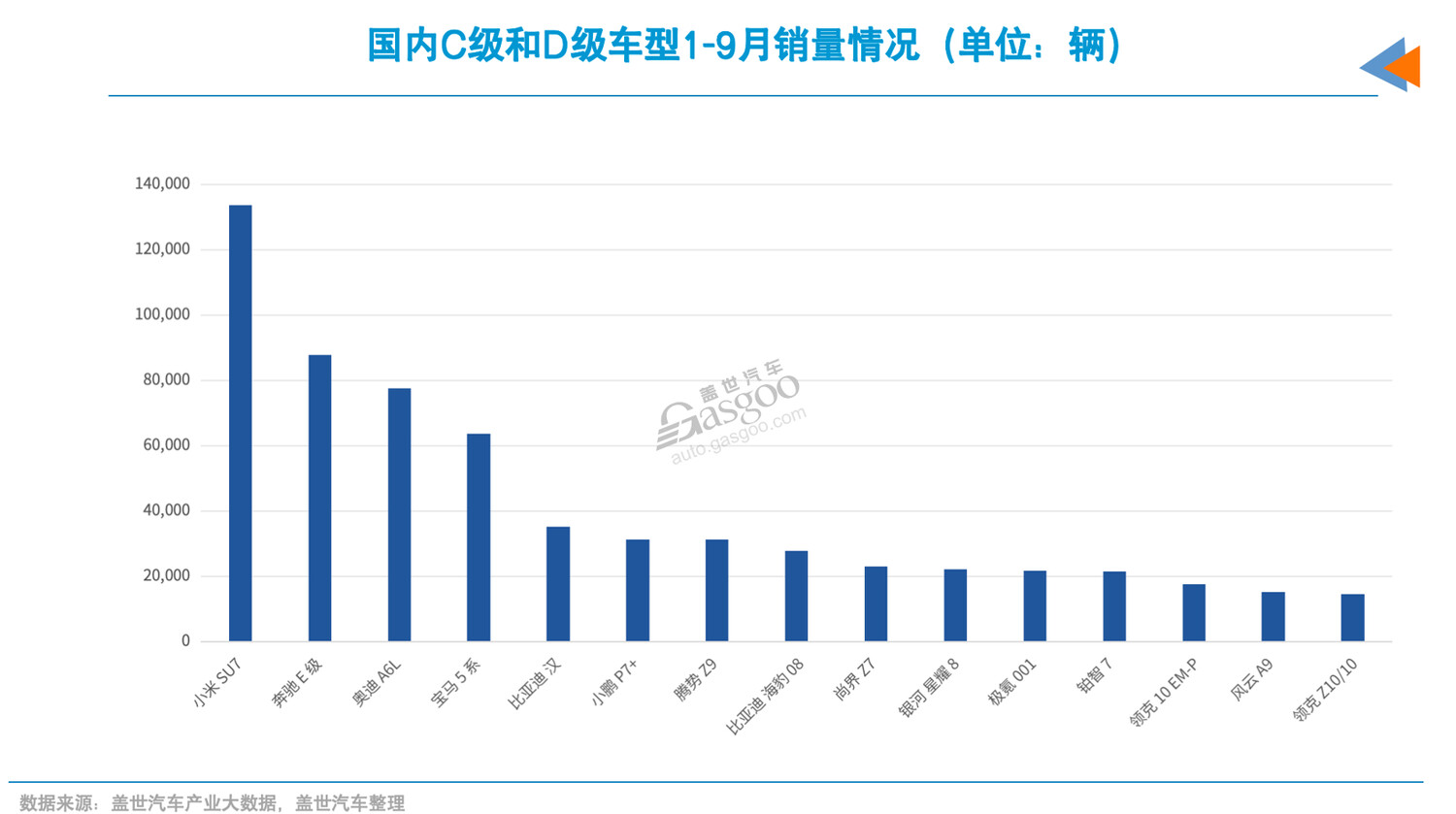
Rising memory-chip costs could reshape the smartphone industry, said Xiaomi president William Lu Weibing, after weak smartphone sales cut into the firm’s fourth-quarter profit. Memory prices were surging at a magnitude “beyond imagination”, drawing smartphone makers into a long-term price-raising cycle, Lu said on an earnings call on Tuesday. “When the price-raising cycle ends, some players may suffer significant losses or even face closure,” he said, without elaborating. However, the challenge would also force the industry to make innovations, he added. Xiaomi reported that fourth-quarter net profit dropped 27 per cent from a year earlier to 6.5 billion yuan (US$943 million), the lowest quarterly number in a year and the first year-on-year decline since the second quarter of 2024. Fourth-quarter revenue rose 7.3 per cent from a year earlier and 3 per cent from previous quarter to 116.9 billion yuan. The results met analyst estimates of 5.78 billion yuan in profit and 116 billion yuan in sales. Xiaomi felt the squeeze from the rising memory costs, as smartphone shipments in the fourth quarter dropped 11.6 per cent year on year to 37.7 million units, dragging revenue for the firm’s largest revenue contributor down 13.6 per cent to 44.3 billion yuan. The average smartphone selling price sank 2.2 per cent to 1,176 yuan from 1,202 yuan a year ago despite the firm’s shift to premium models and the higher memory costs. Morgan Stanley on Monday cut its forecast for global smartphone shipments this year by 15 per cent to 1.1 billion units, as it expected phone makers to pass most of the surging memory-chip costs on to consumers. Rising costs also pushed Xiaomi to raise the selling price of its second-generation SU7 electric vehicle (EV), released in mid-March. Though the 4,000 yuan increase was less than expected, some analysts warned that the pricing strategy could be short-lived given weakening demand owing to the halving of a sales tax incentive in mainland China. Xiaomi’s fourth-quarter revenue from EVs and other new initiatives – its second-largest income source since the third quarter of last year – surged 123.4 per cent year on year to 37.2 billion yuan. People gather around a Xiaomi SU7 ahead of the company’s launch event in Beijing on March 19, 2026. Photo: Reuters However, Xiaomi’s EV delivery growth cooled significantly in late 2025, dropping from a 300 per cent peak in April to double digits by December. The slowdown followed a naturally high initial growth phase and was further compounded by fatal accidents involving its models that damaged consumer confidence. “Though the memory costs and the phasing out of government-funded purchase subsidies are bringing short-term pressures, Xiaomi will continue to pursue an innovation-led strategy to facilitate the adoption of artificial intelligence and overseas expansion,” Lu said on the earnings call. For the full year, Xiaomi recorded 457 billion yuan in revenue and 41.57 billion yuan in net profit, up 25 per cent and 76.3 per cent, respectively, from 2024. Xiaomi’s Hong Kong-listed shares gained 1.9 per cent in Hong Kong to HK$32.68 on Tuesday. The stock has lost nearly 19 per cent this year and is down 46.8 per cent from its all-time high of HK$61.45 in June 2025. Meanwhile, Hesai Group – a key supplier of Xiaomi’s auto unit – swung to a net profit of 435.9 million yuan in 2025 from a net loss of 102 million yuan a year earlier, as rising demand for lidar (laser distance and ranging) units, which are used to sense distance in cars and robots, drove shipments up by 223 per cent for the year to 1.62 million units.