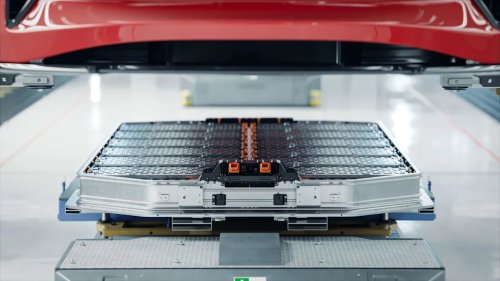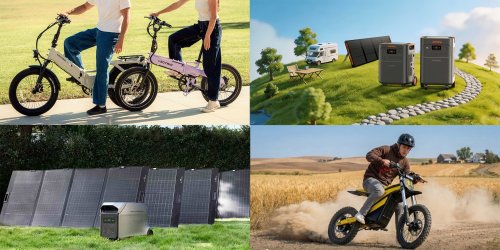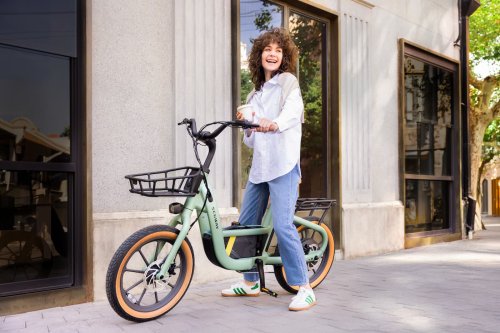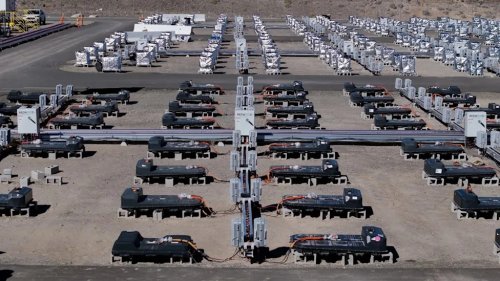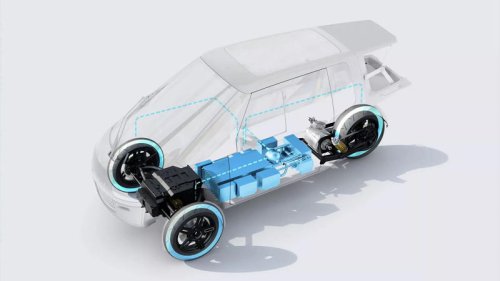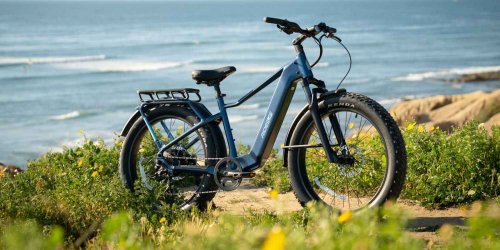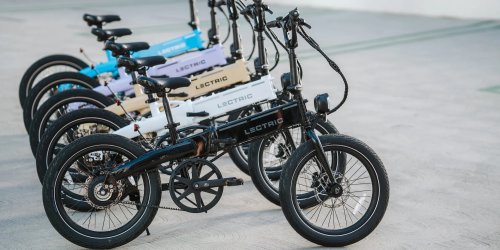
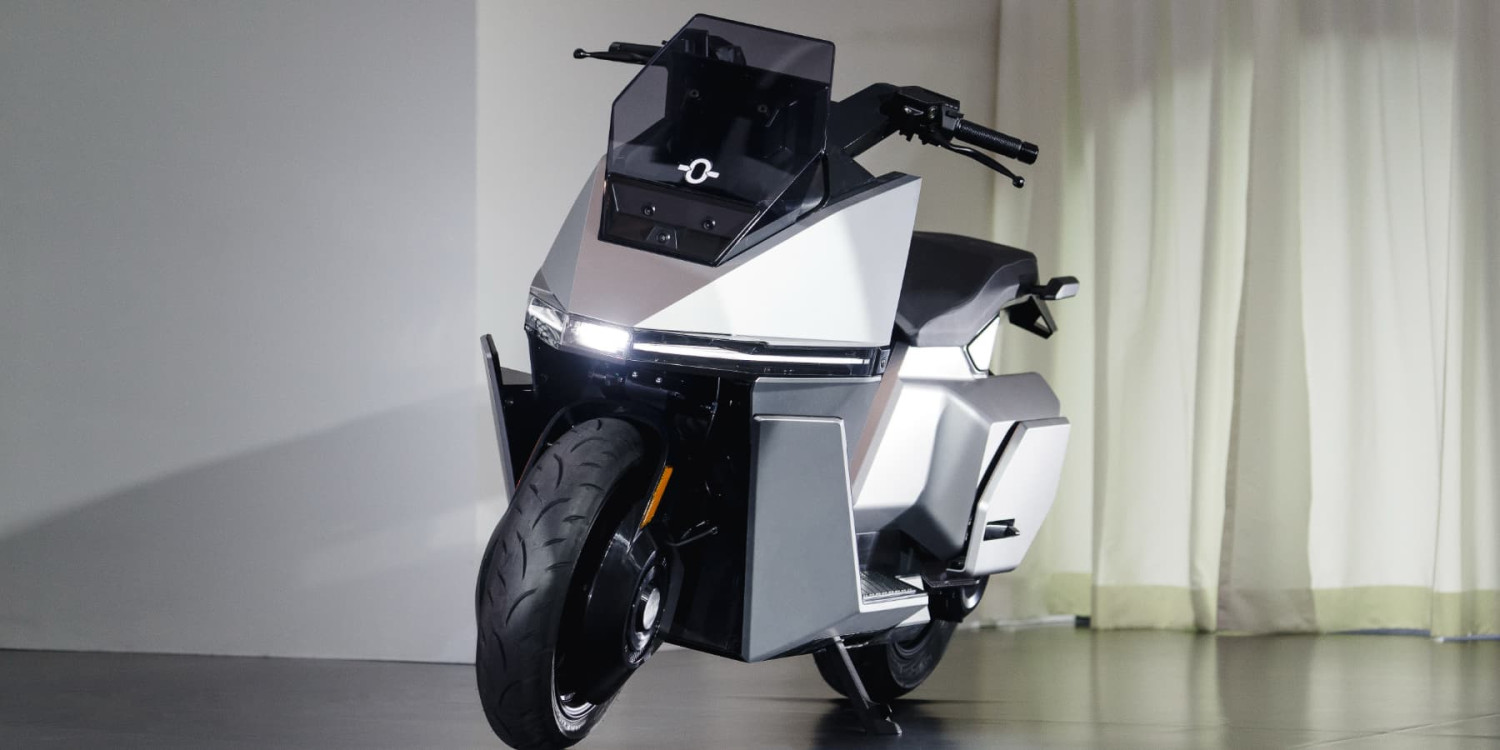



















For the last couple of years, sodium-ion batteries have been one of the most talked-about “next big things” in the battery world. They promise lower costs, improved safety, and reduced dependence on critical minerals like lithium, cobalt, and nickel. Naturally, that has led many riders to wonder whether the next generation of electric bicycles could ditch lithium altogether. The short answer is: eventually, perhaps. But probably not anytime soon. Here’s why. First of all, sodium-ion batteries offer several compelling advantages. Sodium is one of the most abundant elements on Earth, making it significantly cheaper and easier to source than lithium. Many sodium-ion chemistries also boast excellent thermal stability, reducing the risk of thermal runaway, while offering impressive cycle life that can stretch into several thousand charge cycles. They also tend to perform better than lithium iron phosphate (LFP) batteries in cold weather. Unfortunately, there’s one major drawback that still limits their appeal for e-bikes: energy density. Advertisement - scroll for more content Today’s commercial sodium-ion cells generally store around 140-180 Wh/kg, with some next-generation designs expected to approach 200 Wh/kg. That’s still well behind the 200-280 Wh/kg commonly seen in premium lithium-ion cells used in electric bicycles. The result is simple: for the same battery capacity, a sodium-ion pack weighs noticeably more. That makes it a tough sell for micromobility devices, positioning them better for larger vehicles or stationary storage roles. For now, it’s not as much the weight issue as the volume, but both make it harder to integrate sodium-ion batteries into electric bikes. On a 25 kg (55 lb) e-bike, adding another kilogram or two to the battery isn’t insignificant. But the size of the battery will have to be much bigger in order to achieve the same range, making it harder to hide in frame tubes and potentially returning e-bikes to bulky rack batteries that were more common a decade ago. Today, riders enjoy more lightweight, compact battery packs that maximize range without making the bike cumbersome, and manufacturers have spent years refining frame designs around today’s lithium batteries. That’s why sodium-ion appears to be a better fit for larger electric two-wheelers, at least initially. Electric motorcycles and scooters are more attractive candidates for sodium-ion batteries, at least initially Electric motorcycles and high-powered scooters often carry battery packs ranging from 5 kWh to well over 10 kWh. On a 200 kg motorcycle, the weight penalty of sodium-ion becomes much less significant, while the potential savings in battery cost and improvements in safety become much more attractive. Commercial delivery scooters and fleet vehicles, where purchase price and long service life matter more than shaving a few pounds, could be among the earliest adopters. Most of the progress in sodium-ion technology is currently happening in China, where battery giants like CATL and several emerging manufacturers are pushing the chemistry toward higher energy densities and larger-scale production. For now, lithium-ion remains the clear winner for electric bicycles. But sodium-ion shouldn’t be dismissed out of hand. Instead, it appears likely to find its first success in heavier, cost-sensitive electric motorcycles and scooters before eventually working its way into niche e-bike applications if energy density continues to improve. Just don’t expect your next lightweight commuter e-bike to be powered by sodium anytime soon. Stay up to date with the latest content by subscribing to Electrek on Google News. You’re reading Electrek— experts who break news about Tesla, electric vehicles, and green energy, day after day. Be sure to check out our homepage for all the latest news, and follow Electrek on Twitter, Facebook, and LinkedIn to stay in the loop. Don’t know where to start? Check out our YouTube channel for the latest reviews.