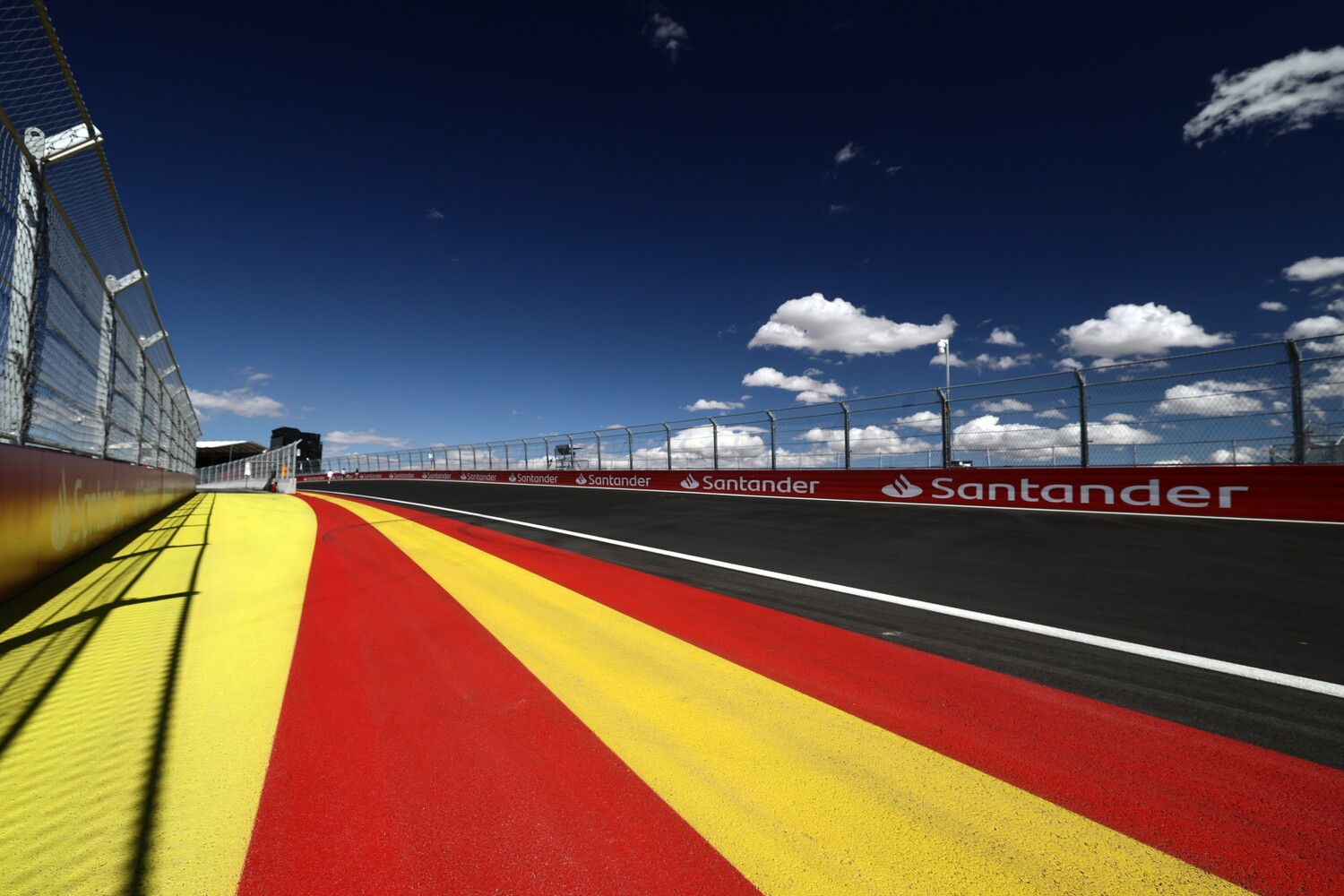
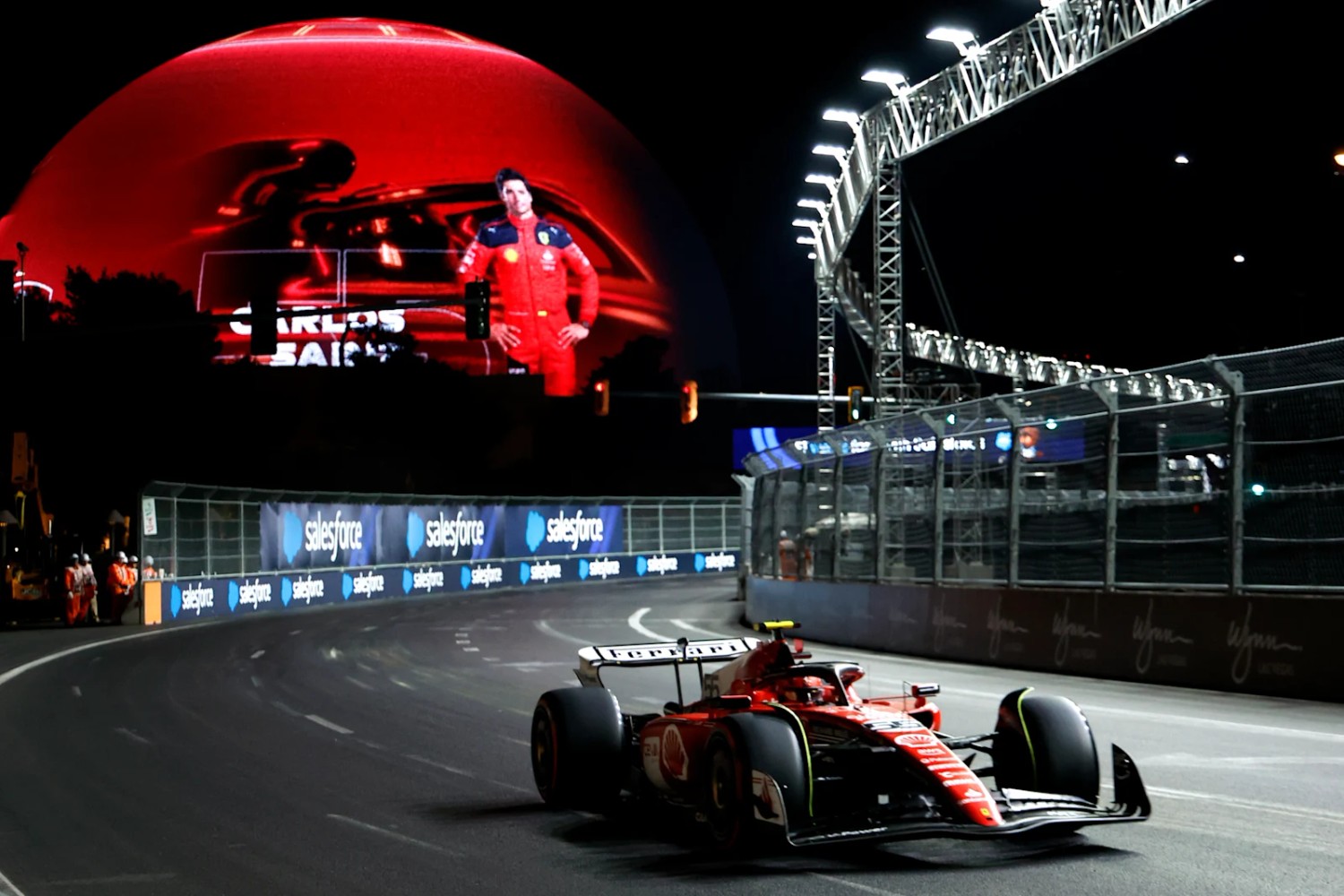
Pirelli have confirmed the tyre compounds that will be in use for the Las Vegas Grand Prix weekend. The final triple header of the season kicks off this weekend at the Las Vegas Grand Prix – and tyre suppliers Pirelli have confirmed the compounds that the teams and drivers will have available to them for Round 21 on the calendar. For the night race at the Las Vegas Strip Circuit, the C3, C4 and C5 have been selected as the hard, medium and soft compounds respectively, on a weekend where tyre warm-up will be a key factor given the high speeds of the track. Drivers will get two sets of the hard tyre (marked white), three sets of the medium tyre (marked yellow), and eight sets of the soft tyre (marked red), as well as access to the green intermediate tyre and the blue full wets, should they be required. An extra set of softs is reserved for those who reach Q3 in Qualifying, while all drivers must use at least two different slick compounds during the race, providing the track is dry. “Tyre loads are not particularly high, with the exception of the middle sector, which features several high-speed corners,” reads Pirelli’s weekend preview. “Graining could once again make an appearance due to the low grip levels and cool temperatures, as seen in previous editions of the race. In this case, degradation would be primarily mechanical in nature. “Another factor to monitor will be brake lock-ups. The long straights end in demanding braking zones, where the risk of flat spots can become significant in both Qualifying and the race. Drivers will therefore need to avoid locking the front tyres at the most critical points of the circuit in order not to compromise a set of tyres. “On paper, the fastest strategy is likely to be a one-stop race, with all three compounds potentially playing a role. Even the C5, which in its current specification has demonstrated good versatility, could represent a valid option for a race stint. “The characteristics of this circuit also reduce the effectiveness of the traditional undercut strategy. Following a pit stop, tyres tend to lose temperature quickly along the long section between the pit-exit and the more demanding parts of the lap, reducing the advantage normally associated with fresh tyres. “Last year's edition was affected by rain during Qualifying, resulting in extensive use of wet-weather tyres. Should similar conditions arise again, the full wet could prove particularly effective. The low temperatures and circuit layout favour a tyre with a deeper tread pattern, capable of generating and retaining temperature more easily than the intermediate.” For more information about Pirelli’s F1 tyres, visit pirelli.com.