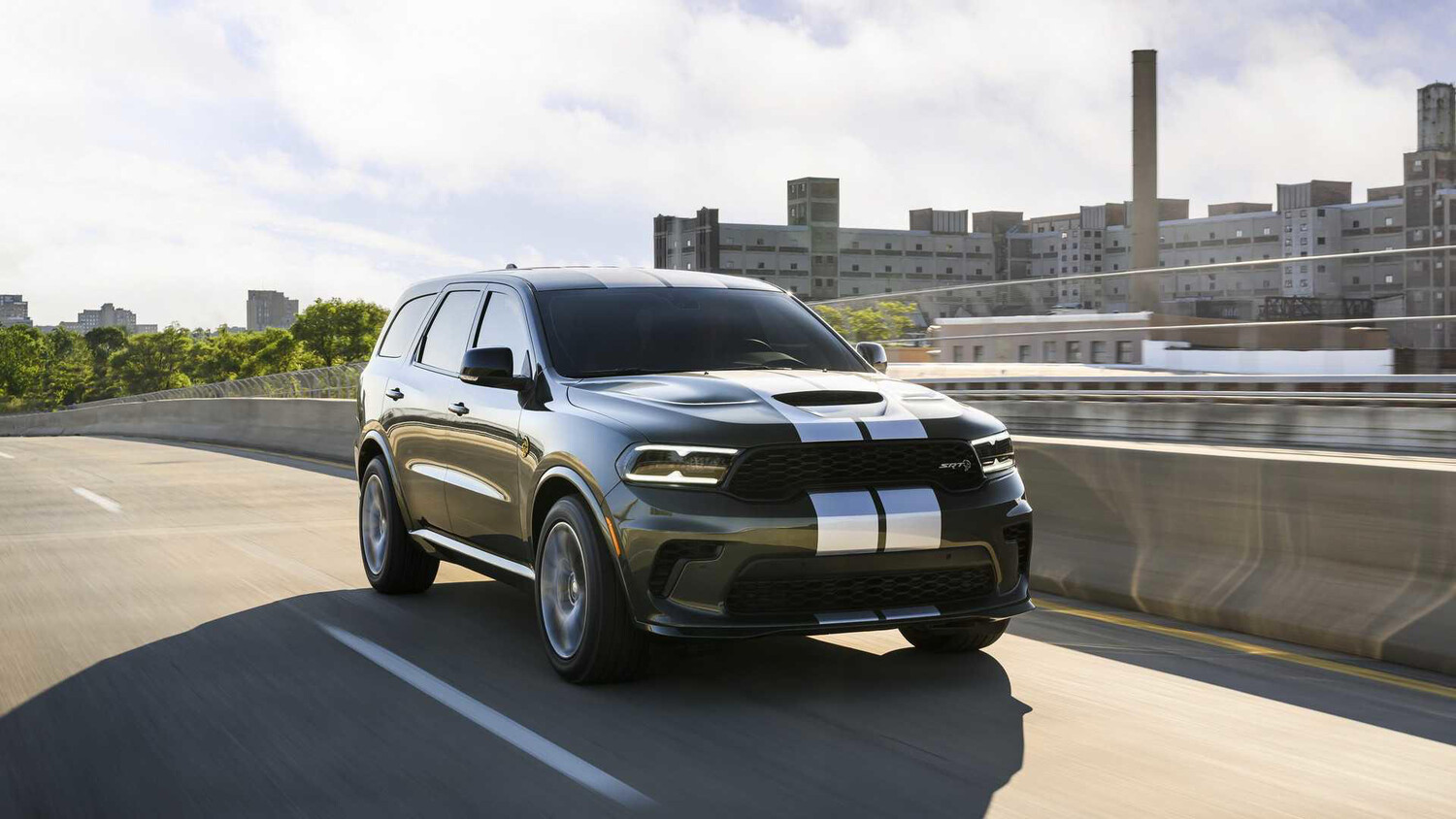
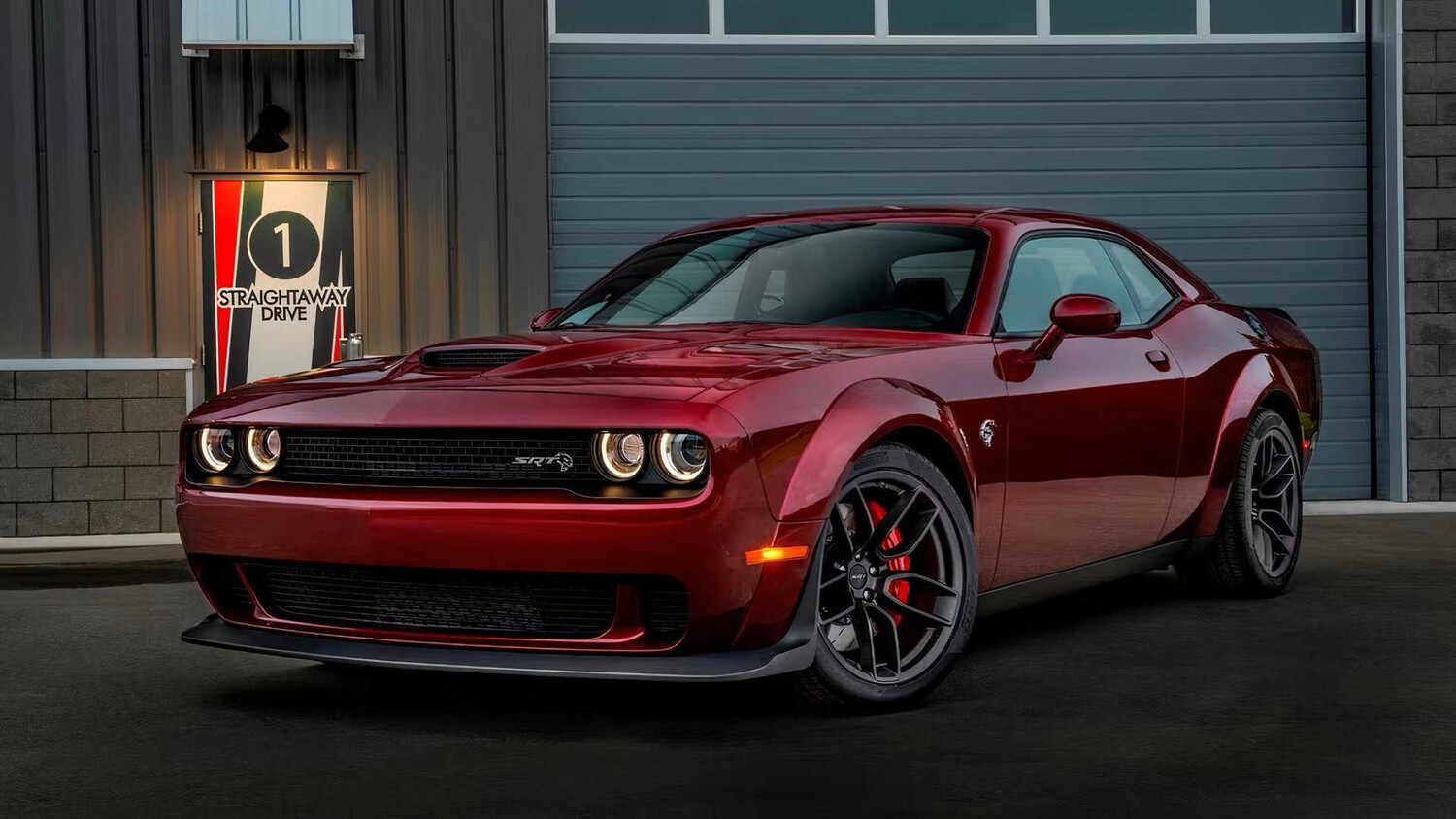
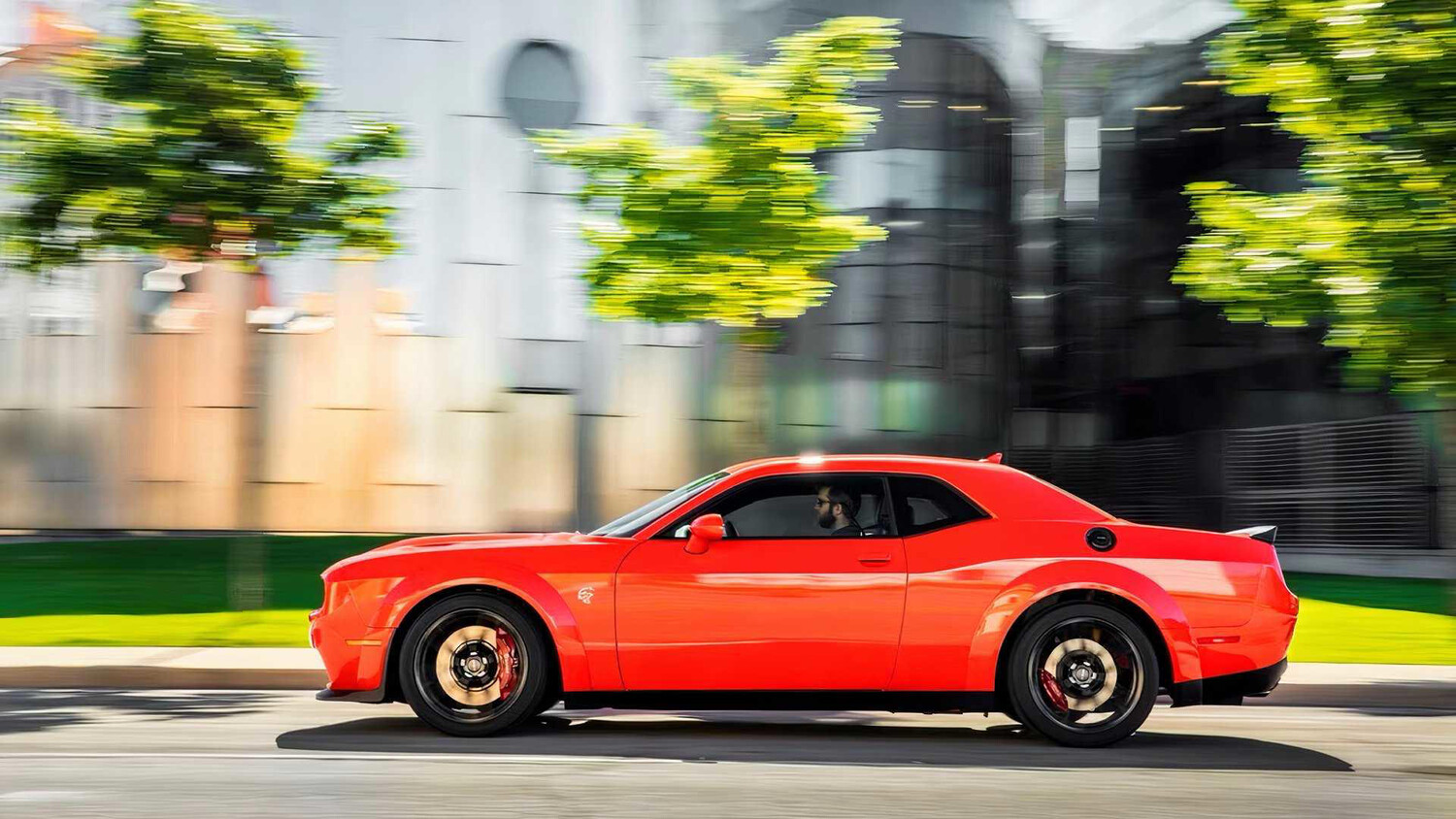
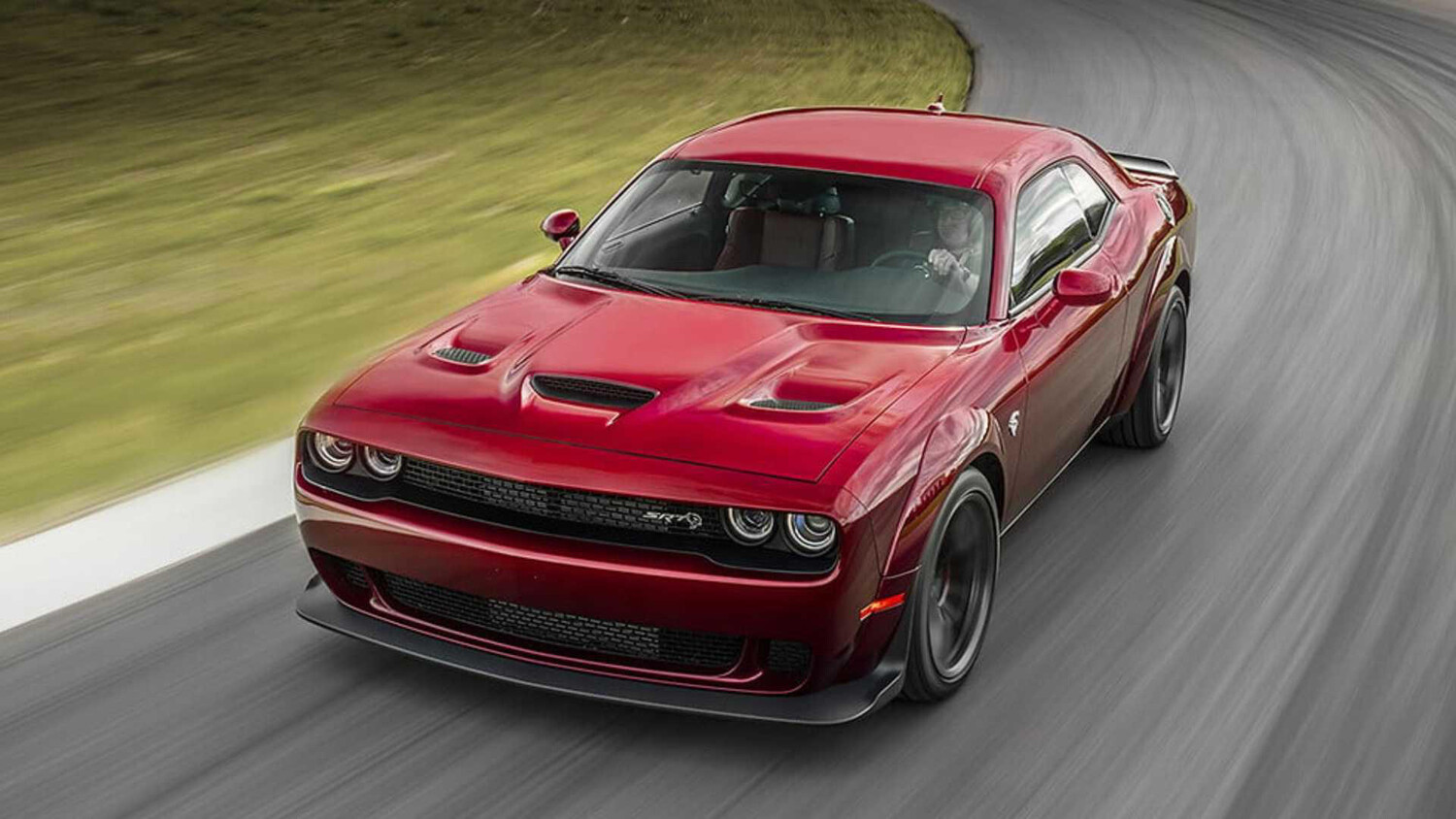
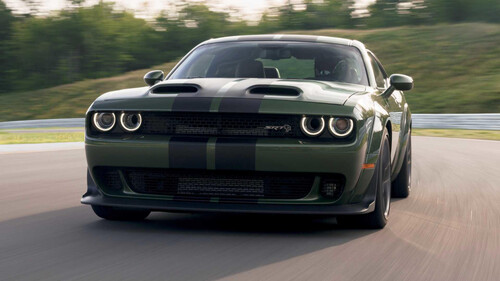
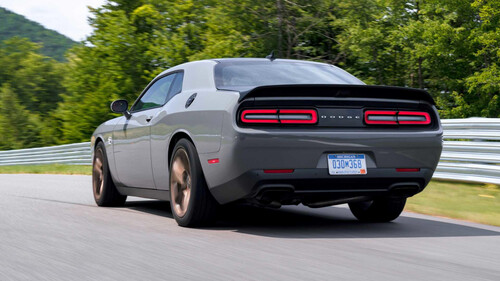
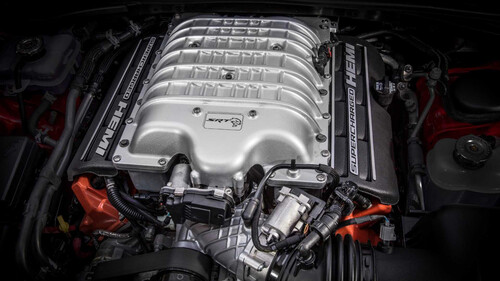
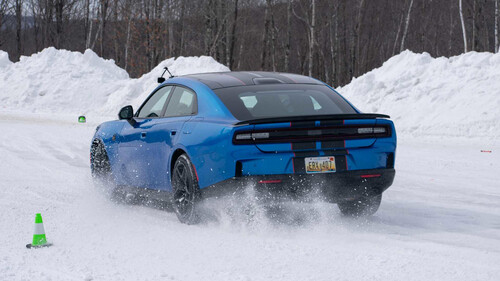
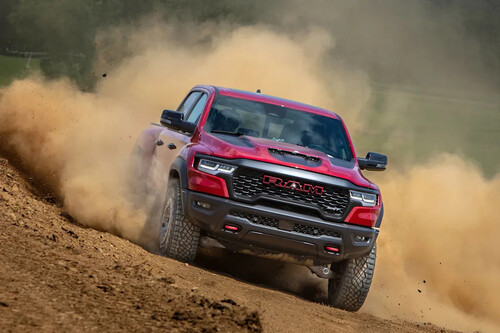
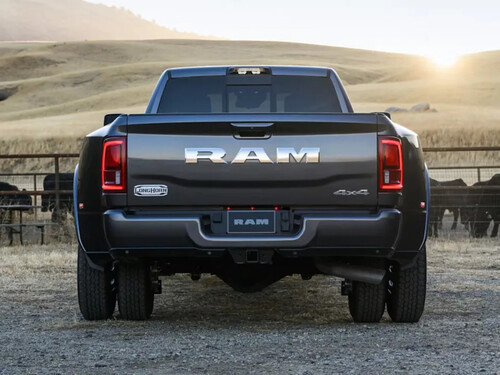
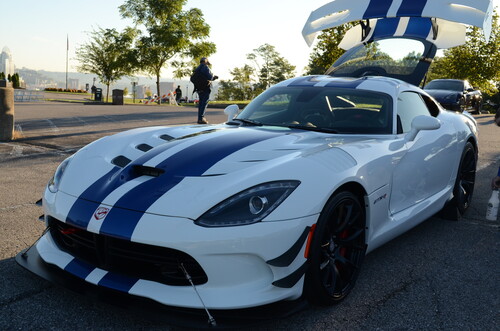
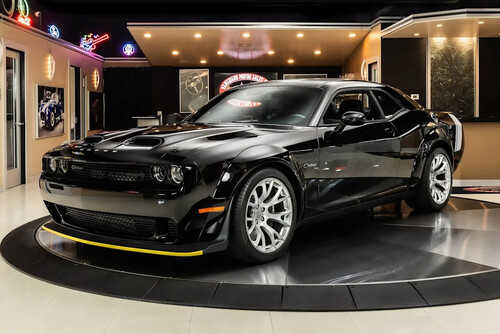
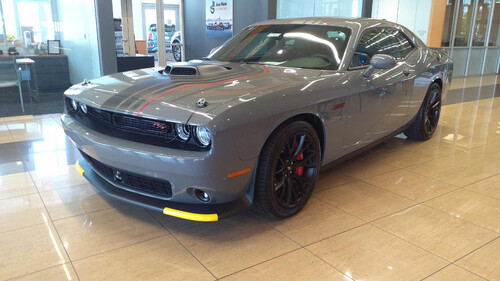
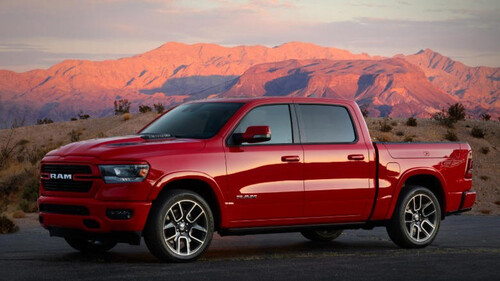
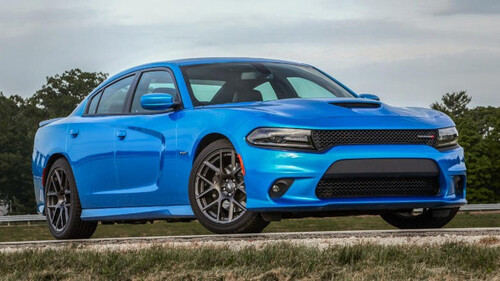
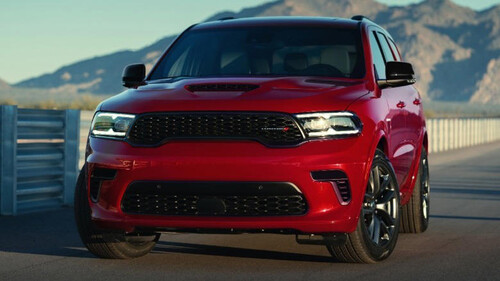
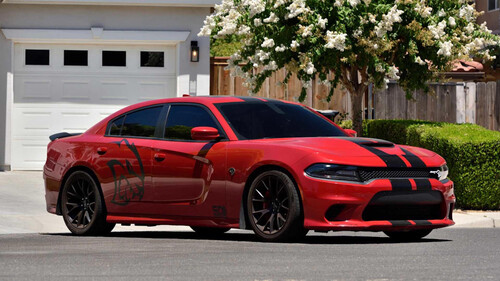
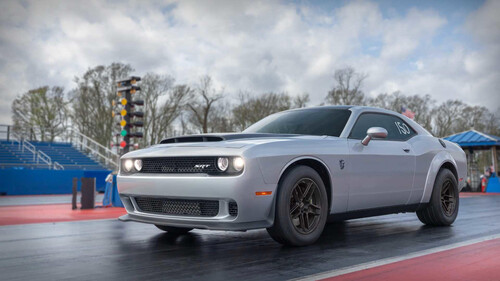
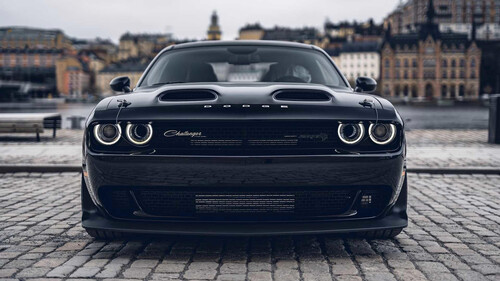
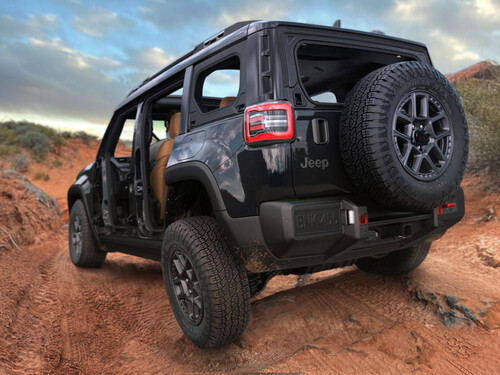
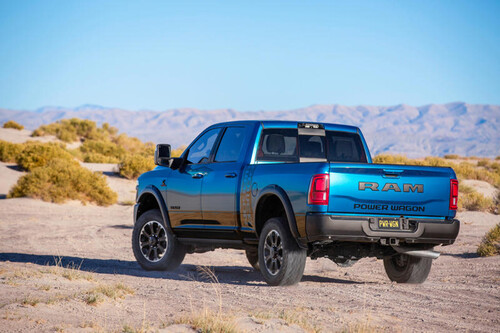
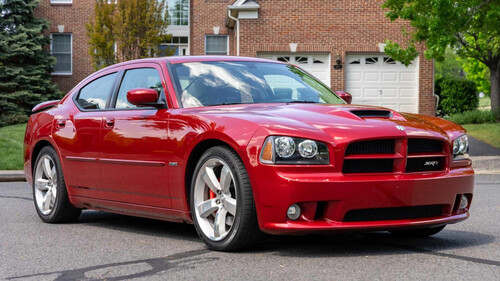
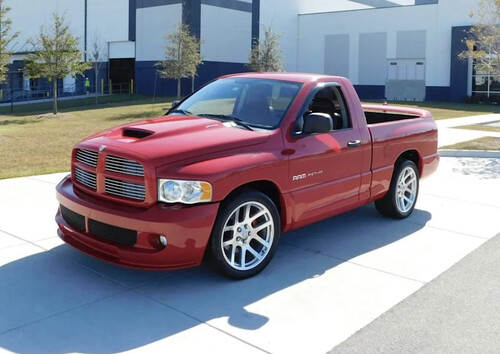
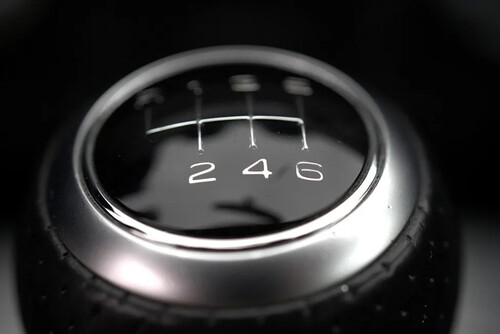
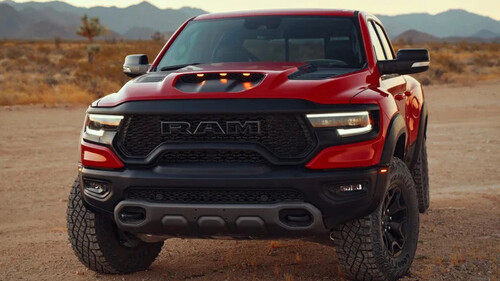
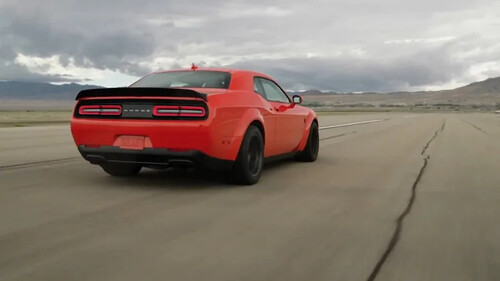
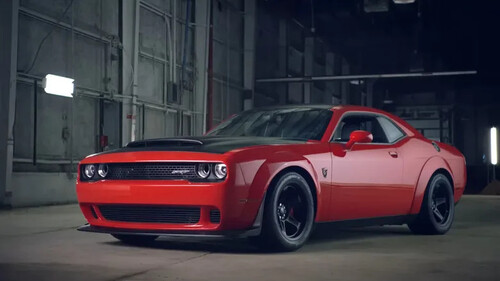
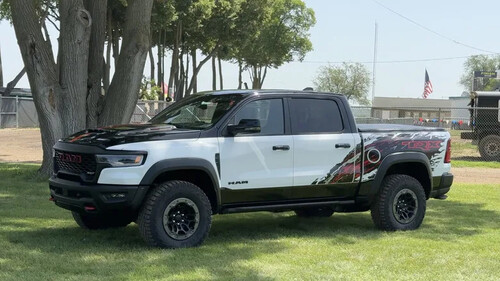
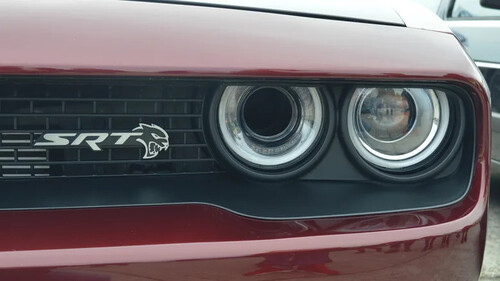
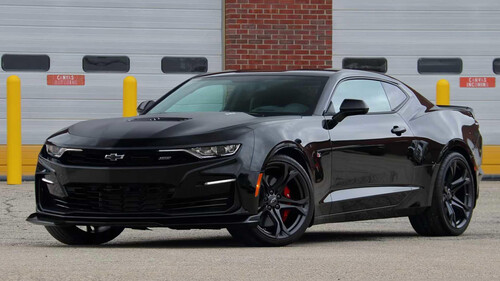
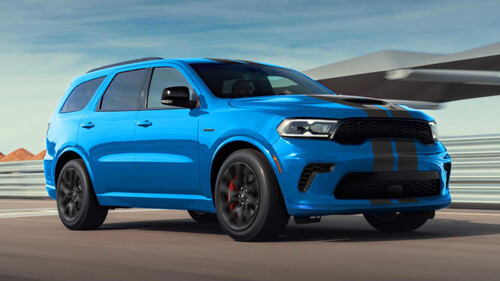
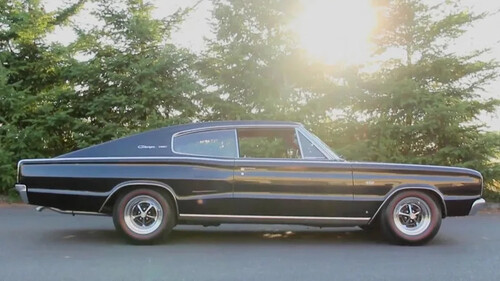
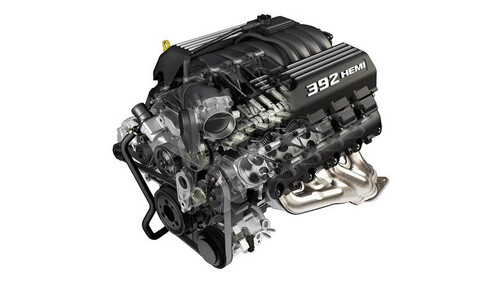
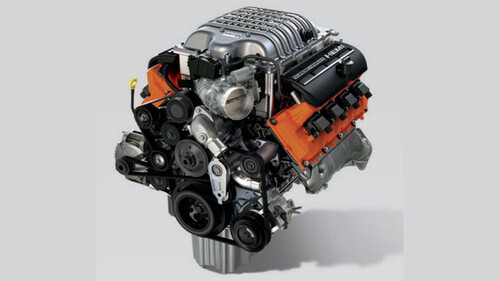
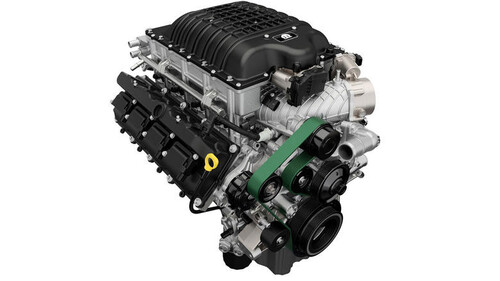
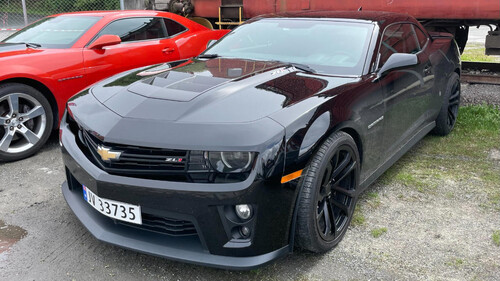
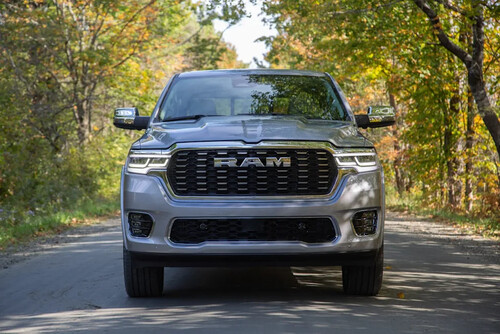
Over the last five years, Dodge's legendary Hellcat supercharged V-8 has powered a diverse lineup of high-performance muscle cars and SUVs. These include the Dodge Challenger coupe and Charger sedan duo, the Dodge Durango three-row SUV, the track-focused Jeep Grand Cherokee Trackhawk, and the Ram 1500 TRX truck. The engine skyrocketed to fame among automotive enthusiasts because it democratized elite performance. Dodge offers an intoxicating combination of raw American muscle, reliable daily drivability, and a signature supercharger whine, making it an instant cultural icon.Its popularity stems from a distinct personality that prioritized unapologetic fun and straight-line dominance over efficiency, earning it a loyal fanbase. When shifts initially signaled a transition toward electrified and downsized powertrains, the immediate outcry from buyers who refused to let go of traditional internal combustion forced a strategic pivot. Stellantis now recognizes consumer demand remains overwhelmingly high, and is now slowly reintroducing these high-output engines back into the market to satisfy the purists who still crave the soul of a supercharged V-8. What Makes The Hellcat So Powerful Bring a TrailerThe Hellcat achieves its performance through a heavy-duty, engineered design that pairs robust materials with massive forced induction. At its core, the engine features a deep-skirt, high-strength cast-iron cylinder block designed to withstand extreme combustion pressures. Complementing this are high-performance aluminum alloy cylinder heads that optimize thermal efficiency. The robust bottom end utilizes a forged-steel crankshaft, induction-hardened bearing surfaces, forged-alloy pistons, and powder-forged connecting rods with high-load capacity bearings.Dodge The centerpiece of this design is a massive 2.4-liter twin-screw roots-type supercharger. The manufacturer seals this unit for life and integrates it with dual water-to-air intercoolers to keep intake air dense and cool. To achieve its staggering power outputs, the engine forces enormous volumes of air into the cylinders at peak boost pressures around 11.6 psi. It also features a high-flow dual-pump fuel delivery system and a specialized lubrication system utilizing premium synthetic oil to maintain mechanical integrity under intense thermal and physical stress. Outlandish Performance Capabilities DodgeStellantis primarily fits the Hellcat to a heavy-duty TorqueFlite 8HP90 eight-speed automatic transmission across the lineup. The two-door coupe Challenger was available with a Tremec six-speed manual for those wanting a traditional three-pedal setup. Over the course of its production lifespan, the engine's output fluctuates depending on the specific vehicle application. This spanned from 702 horsepower and 650 pound-feet of torque in its lowest-tune TRX application, to 1,025 hp and 945 lb-ft of torque.The absolute pinnacle of this powertrain's evolutionary line is the drag-strip-focused Challenger SRT Demon 170. Thanks to the Hellcat, it secured its title as the fastest-accelerating production muscle car in history by rocketing from 0 to 60 MPH in 1.66 seconds. It clears the quarter-mile in 8.91 seconds at a trap speed of 151.17 MPH, and boasts a drag-limited, factory-claimed top speed of 215 MPH. How Much Will The Routine Maintenance Cost Dodge Maintaining a supercharged platform requires strict adherence to specialized high-performance schedules. These can quickly scale in cost due to the vehicle's unique fluid and mechanical demands. Routine minor maintenance centers around an engine oil and filter change mandated at least every 6,000 miles or six months. Aggressive usage will cut this interval to 3,000 miles. It requires around seven quarts of premium, factory-specified 0W-40 full synthetic motor oil. Dealerships typically charge between $150 and $250 for this standard service. Mid-tier intervals arriving at the 20,000 to 30,000-mile mark escalate the service scope to include engine air filter replacements, differential fluid flushes, brake fluid exchanges, and intensive vehicle inspections.Bring-a-TrailerAt a dealership, a comprehensive 30,000-mile package averages between $1,500 and $3,000, driven largely by the high cost of components and specialized labor. Major long-term maintenance items are anchored at the 100,000-mile or 10-year threshold. This requires a full engine coolant flush, a supercharger belt inspection, and a spark plug replacement. The Hellcat's hemispherical head architecture utilizes two spark plugs per cylinder.Replacing all 16 specialized performance plugs pushes the cost of this landmark major service interval from $1,500 to $2,500 at factory service centers. Beyond the standard engine intervals, you'll face high wear-and-tear costs. These include a fresh set of wide, high-performance tires that typically must be budget-allocated every 15,000 to 20,000 miles at a cost of $1,000 to $2,000. A complete brake service for the heavy-duty Brembo setup includes two-piece rotors and performance pads. These can easily run anywhere from $2,000 at a private mechanic to upwards of $5,000 to $6,000 if performed at a dealership. Typical Long-Term Ownership Costs DodgeAccording to the Edmunds True Cost to Own tool, you can expect to spend $68,094 on a 2023 Dodge Challenger SRT Hellcat Jailbreak over five years. Some noteworthy costs include $6,841 on maintenance, $2,317 on repairs, and $18,226 on fuel. This Hellcat will also lose as much as $20,537 in depreciation during this period.iSeeCars doesn't distinguish between Challenger variants, suggesting that the entire range will have an average lifespan of 9.7 years or 100,733 miles with a 2.1 percent probability of reaching 200,000 miles. When new, Dodge sold the 2023 SRT Hellcat Jailbreak for $67,595 and the flagship Redeye Jailbreak Widebody for $84,640. Today, J.D. Power indicates that the range sells for anywhere between $67,419 and $81,659, reflecting good short-term value retention rates.Stellantis According to RepairPal and Kelley Blue Book, Hellcat models command premium long-term running costs due to their mechanical complexity. RepairPal gives the standard Dodge Challenger a Reliability Rating of 3.5 out of 5.0, ranking it 19th out of 24 midsize cars. The publication indicates that its average annual maintenance and repair cost sits at around $650. When scaling up to specialized high-output models, these baseline service costs rise dramatically due to the aforementioned requirements.Complementing this, Kelley Blue Book's five-Year Cost to Own metrics consistently place these supercharged muscle cars on the higher end of the ownership spectrum. Influencing this is their rapid depreciation, accelerated tire wear, premium fuel requirements, and elevated insurance premiums. Despite these steep operating expenses, the platform maintains an exceptional Consumer Reliability Rating on KBB. It frequently scores an impressive 4.7 out of 5.0 stars from current owners, who routinely praise the drivetrain's mechanical durability. They also assert that the vehicle's legendary street presence and unmatched performance value far outweigh its premium maintenance penalties. High Fuel Costs Are A Guarantee MecumThe 2023 Dodge Challenger SRT Hellcat's EPA-estimated fuel consumption results are reason enough to not consider this as a daily driver. It achieves a 13/21/15 MPG consumption estimate on the city/highway/ combined cycle and covers 278 miles of range, despite its 18.5-gallon tank.The agency indicates that you will spend $12,250 more on fuel over five years compared to the average new vehicle currently being sold in the U.S. This means you'll be forking out $4,600 on fuel every year, $7.68 to drive 25 miles, and $85 to fill the tank up. A normal SRT Hellcat will consume 13/22/16 MPG and cover 296 miles on the same tank, reducing your annual fuel cost to $4,300. The Hellcat Lives On As A Future Legend Dodge The Dodge SRT Hellcat model line will be an immortal titan of automotive history because it single-handedly represented America in the modern horsepower war. It did so at a competitive pricing point, giving owners the opportunity to slay their local supercar owners at the drag strip, which has always been the core essence of a muscle car.When it debuted, it shattered industry conventions by delivering an unprecedented horsepower output right off the showroom floor. Its lower MSRP offered an unmatched dollar-per-horsepower ratio that the automotive world had never seen. Beyond the raw numbers, the Hellcat captured the cultural spirit through its unapologetic personality. Dodge achieved this by pairing a sinister, retro-inspired aesthetic with a signature supercharger whine.Stellantis The Challenger and Charger Hellcat models became a symbol of defiance against an era increasingly dominated by downsizing, efficiency, and quiet electrification. While the Stellantis Group eventually had to go the same route with the new Charger, its predecessors proudly preserved the raw, tire-shredding soul of classic American muscle.These models bridge the gap between daily drivability and drag-strip dominance, resulting in their fiercely loyal global fanbase. As the automotive industry transitions away from large-displacement V8 engines, the Hellcat's legacy only grows more profound. It will forever be celebrated as the absolute peak of the internal combustion era, which the world will likely never get to experience again.