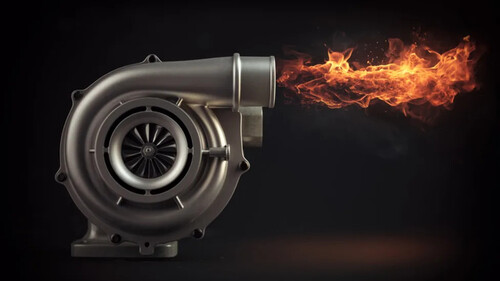
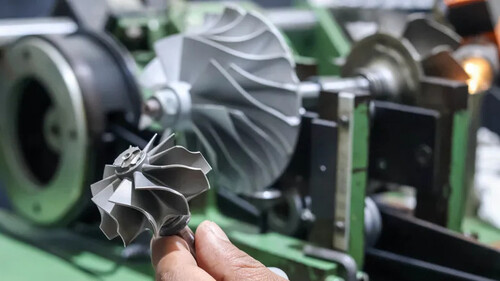
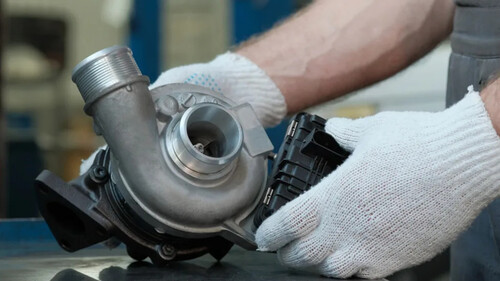
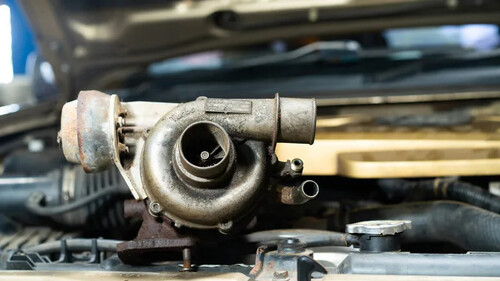
Warut Wetsanarut/Getty ImagesA properly-functioning turbocharger can theoretically boost the efficiency of your vehicle's engine. As with any automotive component, it can only serve its purpose if it's in good working order. Whether you've equipped your vehicle with a turbocharger or you bought a vehicle that already has one installed, it's critical to familiarize yourself with the types of issues that cause turbocharger failure. One of the more significant problems potentially affecting a turbocharger's performance is oil starvation.Essentially, a turbocharger's parts must spin at very fast speeds to generate the kind of power a turbocharger is meant to deliver. Thus, sufficient lubrication is necessary to guard against damage. Oil starvation occurs when a turbocharger doesn't receive said lubrication. Just a few brief moments of oil starvation can result in the kind of friction that leads to permanent turbocharger damage. Luckily, if you understand how oil starvation occurs, you may be better able to prevent it from happening in the first place.Read more: 5 Drawbacks Of Hybrid Cars You Should Consider Before Buying OnePotential causes of turbocharger oil starvationKong AP/ShutterstockTurbocharger oil starvation may happen for a few reasons. It's not uncommon for feed line or drain line issues to be the root of the issue. For example, oil starvation can happen if an oil supply line is clogged. It can also occur due to kinked or otherwise blocked drain lines.AdvertisementAdvertisementEnvironmental factors can also play a role in oil starvation. In cold temperatures, oil can thicken and move more slowly than it otherwise would. If a motorist revs their engine very shortly after starting the vehicle, it could cause the turbocharger to kick into action before the oil has reached the relevant components.If your vehicle doesn't currently have a turbocharger but you're thinking about installing one, it's essential that you choose a reputable professional for the job. Unfortunately, some mechanics may cut corners when installing turbos by opting to use liquid silicone rather than the correct gaskets for the oil feed flange. Tightening the flange can cause the liquid silicone to squeeze inward and ultimately block the turbocharger's oil feed restrictor hole.Along with hiring the right person to install your turbo, you must also learn how to prime it before first using it. Failure to prime a turbo can cause it to kick into operation without the oil it needs.Other relatively common oil problems can also lead to a more severe turbo oil starvation problem. Examples include low engine oil pressure and oil filter clogs.How to prevent turbocharger oil starvationWarut Lakam/ShutterstockBecause there are various ways that turbocharger oil starvation can happen, there are also several ways to prevent it. Remember, hiring a qualified professional to handle the installation of your turbocharger is one important step you can take. If you genuinely believe you're able to install the turbo yourself, make sure you thoroughly understand the process to avoid making errors like using liquid silicone on oil gaskets.AdvertisementAdvertisementYou must also check what specific type of oil your turbocharger's manufacturer recommends. Turbo engines require fully synthetic oil, as this is the only type with sufficient thermal stability for the high temperatures a turbocharger generates. In addition, heed the manufacturer's recommendations in regard to oil viscosity, otherwise the oil pump might not be able to transmit the oil through the feed lines.Staying on top of basic maintenance is another way to guard against turbocharger oil starvation. For instance, replacing your air filter when you have your vehicle serviced is highly recommended. A clogged air filter can create a vacuum effect that otherwise pulls oil away from the turbocharger. Similarly, you should regularly inspect oil inlet pipes (or schedule professional inspections) to identify pipes or feeds clogged with carbon deposits. If they are clogged, they may need to be cleaned or replaced, depending on the severity of the clog.The importance of proper turbocharger maintenancePhotology1971/ShutterstockOil starvation isn't the only potential issue that may damage a turbocharger or otherwise negatively affects its performance. For example, even if the turbocharger technically receives a proper supply of oil, problems like oil contamination can prevent the oil from serving its intended purpose, and may even damage internal components.Whether you're installing a new turbocharger, or you've bought a vehicle with a turbo pre-installed, learning about proper maintenance and troubleshooting is vital. Along with following all the manufacturer's relevant instructions, you should coordinate with repair professionals and schedule regular service to identify and address any turbocharger issues you might have otherwise overlooked.AdvertisementAdvertisementIn the meantime, if you're not sure whether adding a turbocharger to your vehicle is necessary, you may want to do more research into how a turbocharger can affect an engine's reliability. Several modern performance cars highlight how a turbo isn't always the boost a vehicle needs.Want the latest in tech and auto trends? Subscribe to our free newsletter for the latest headlines, expert guides, and how-to tips, one email at a time. You can also add us as a preferred search source on Google.Read the original article on SlashGear.