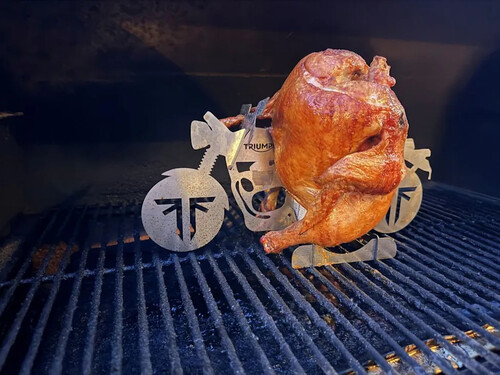
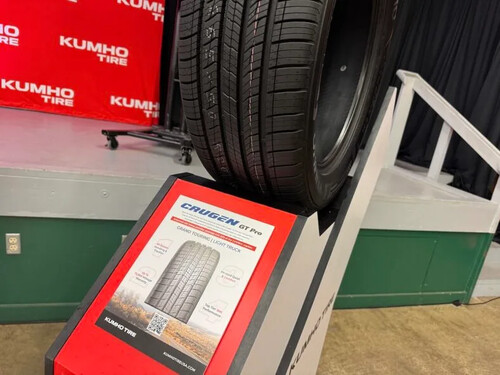
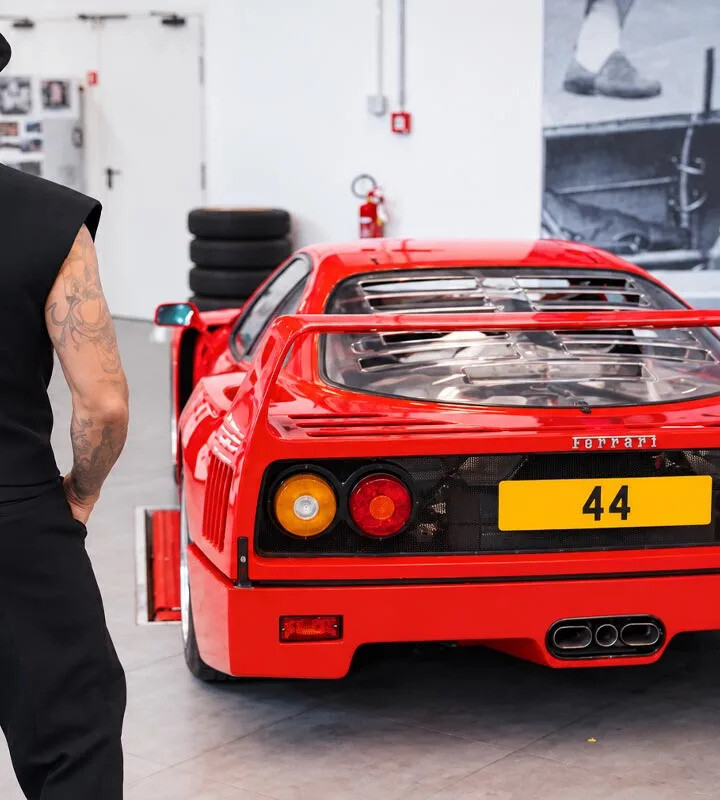
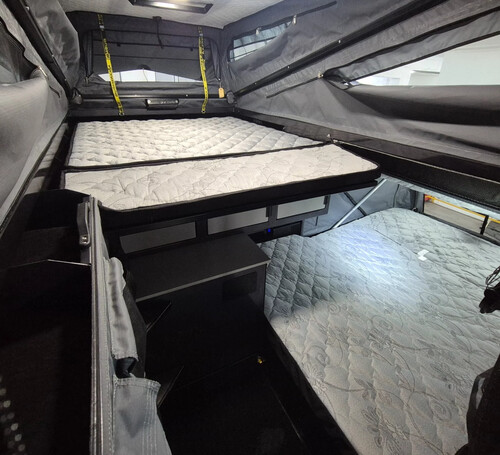
Nathan Turner · 25 days ago@nathanturner48What Are Four-Season Campers And When Do They Make Sense? Liked by+32 othersPost commentRelated PostsTriumph's Beer Can Chicken & Summer Send-off Dealer Events. End The Season On A High 75 · Abigail Hill · 1 months agoMitsubishi Recalled 67,146 Outlanders Over a Vanishing Backup Camera. At This Point, It's Basically a Seasonal Event. 34 · Alexander Anderson · 1 months agoToyo Tires Debuts Proxes G-Tour All-Season Tire 64 · Lucas Harris · 1 months agoRyan Preece Wins NASCAR’s Regular Season Finale at Daytona to Lock into His First Playoff Appearance 33 · Liam Bouchard · 1 months agoKumho Aims at the Big Boys with New EV-Ready SUV and CUV H/T and All-Season Tires 49 · Benjamin Tremblay · 1 months agoThe Grand Tour Season 7 Trailer Has Everything It Needs to Succeed 30 · Caleb Roy · 1 months agoWilliams Confirms Albon for 2027, As F1’s Silly Season Shifts into Gear 97 · Claire Macdonald · 1 months ago5 School Zone Safety Tips To Remember While Driving This Back-To-School Season 65 · Sarah Bouchard · 2 months agoJoey Logano Wins at Richmond to Solidify NASCAR Season Comeback 68 · Jacob Côté · 2 months agoWe Tested the Kumho Tire Crugen GT Pro See If These All-Season Tires as Good As Pricer Alternatives 15 · Olivia Girard · 2 months agoOverseas Growth, Driving Slight Sales Recovery for Great Wall Motor in Off-Season 76 · Annabelle Girard · 2 months agoThe Asian Le Mans Series Will Only Race in Europe Next Season 70 · Caleb Brown · 2 months agoGreat Wall Motor Sees Modest Sales Rebound in Off-Season, Overseas Surge Continues 32 · William Green · 2 months agoAudi half-season review: Should midfield rivals start to fear the German giant? 19 · Olivia Lee · 2 months agoRed Bull Hasn’t Won a Race So Far This F1 Season, But the Team Sees a Brighter Second Half 39 · Abigail Smith · 2 months agoBeloved Motorcycle Brand Banned from U.S. Amid Trump’s Trade War with Canada: ‘Makes No Sense’Lauren Harris · 4 days agoLewis Hamilton's Ferrari F40 Is Perfect, His Fashion Sense Not So MuchHenry Brown · 9 days agoJaguar's controversial rebrand finally makes sense with the unveiling of the bold Type 01Emma Lewis · 9 days agoCar Deal of the Day: Spacious Peugeot 5008 makes perfect sense at only £226 per month 13 · Amélie Fortin · 19 days agoThe motorcycle that makes more sense for real roads than a full superbike 32 · Claire Pelletier · 21 days ago




 +32 others