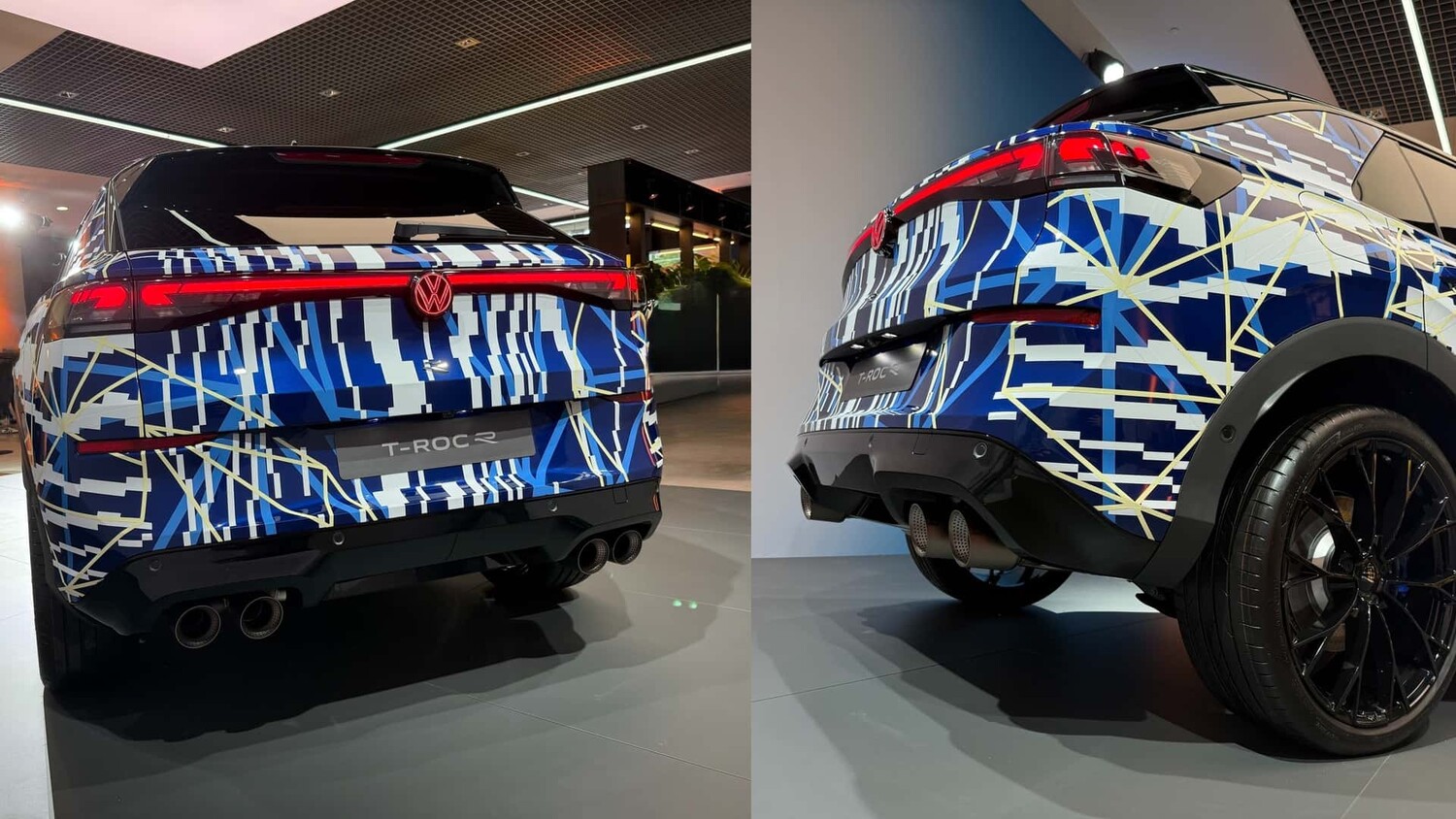
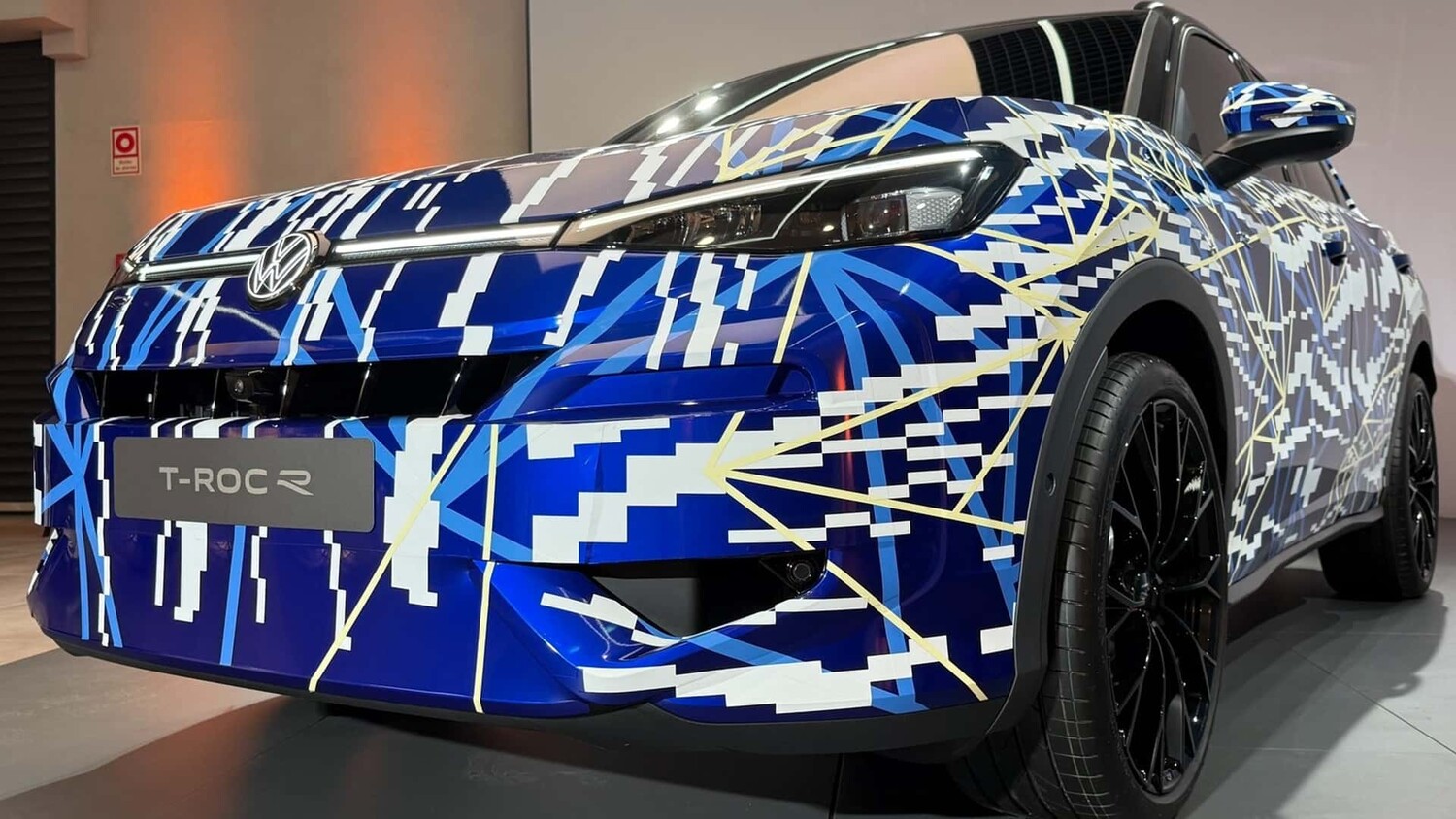
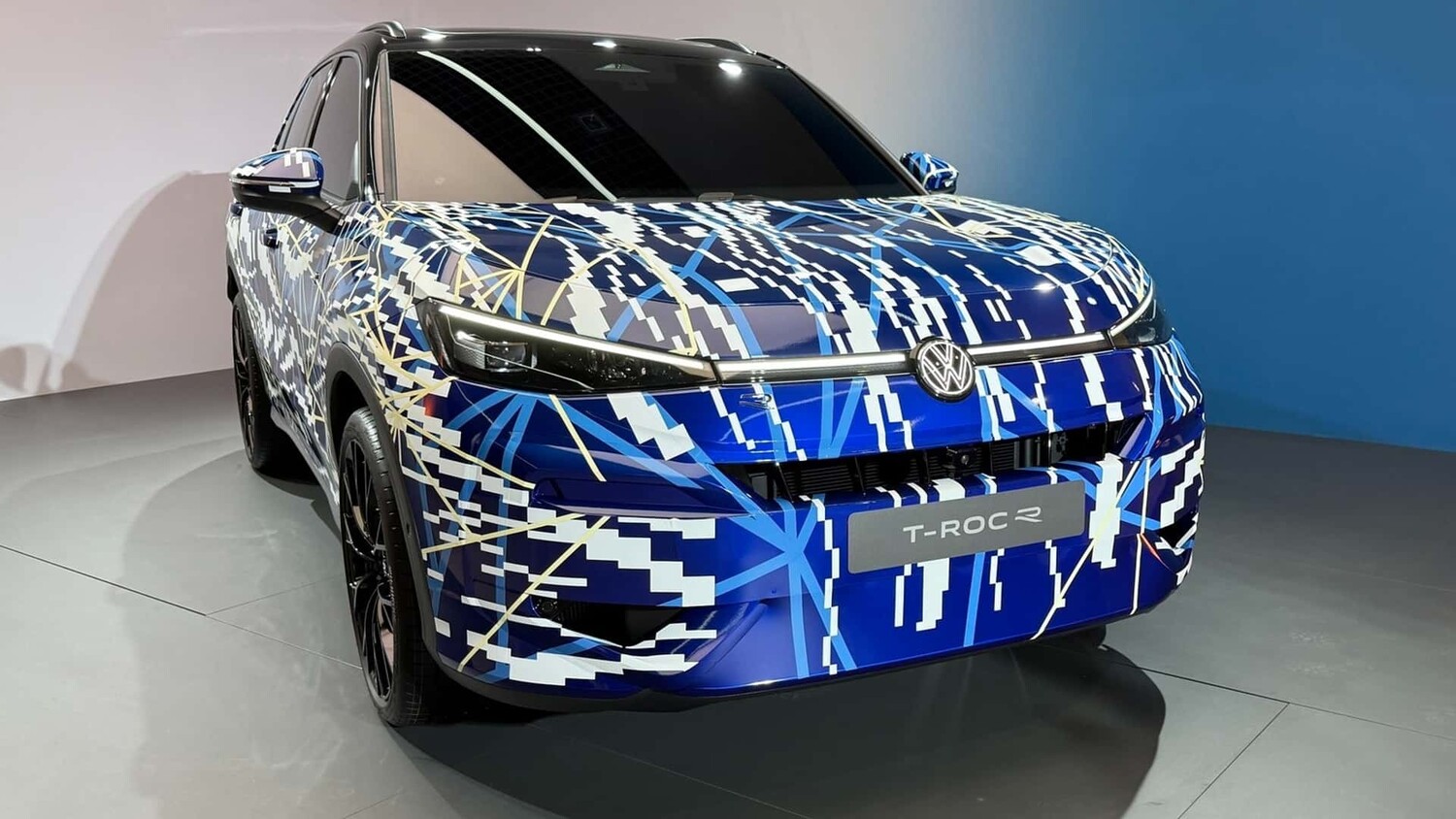
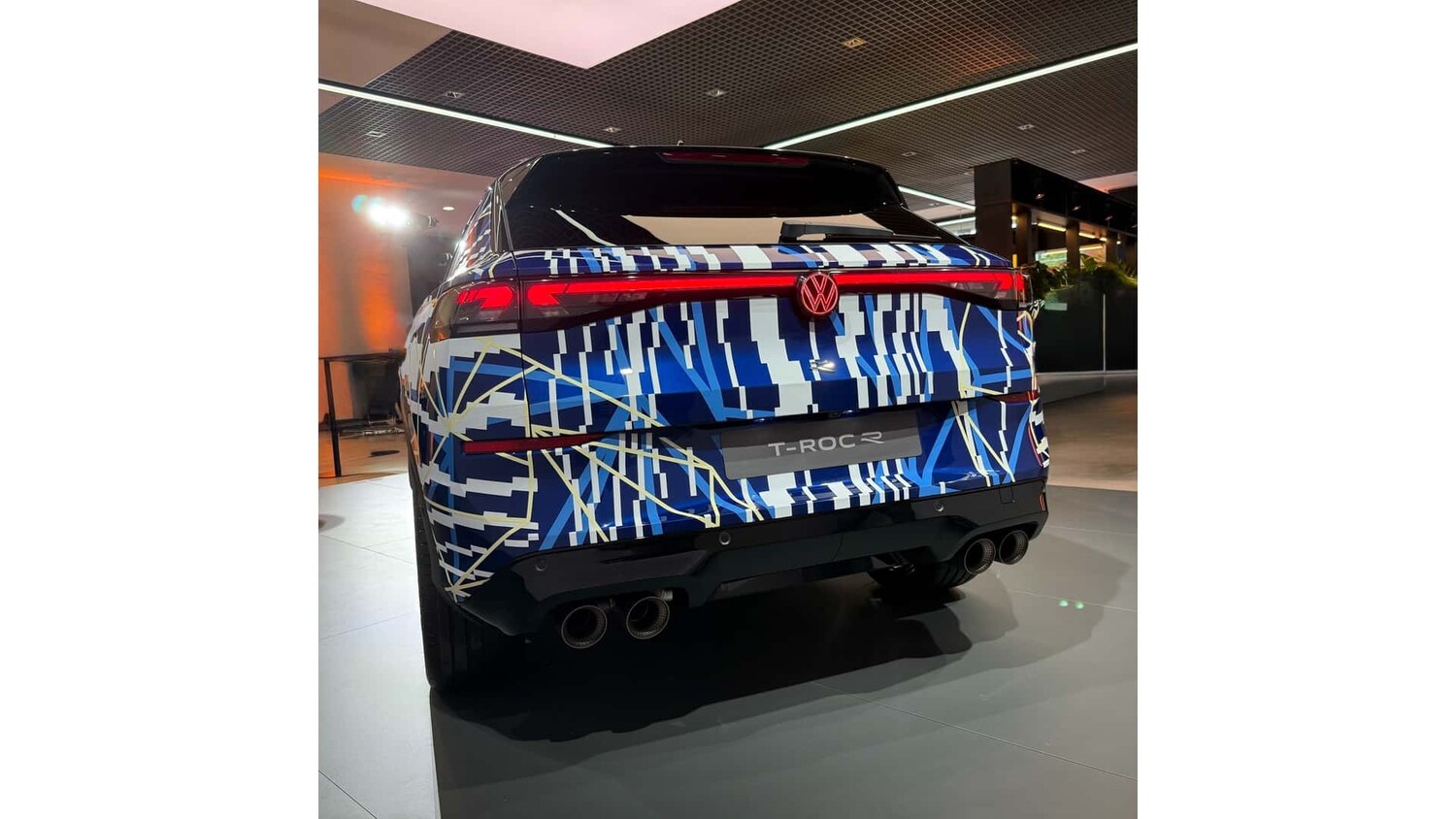
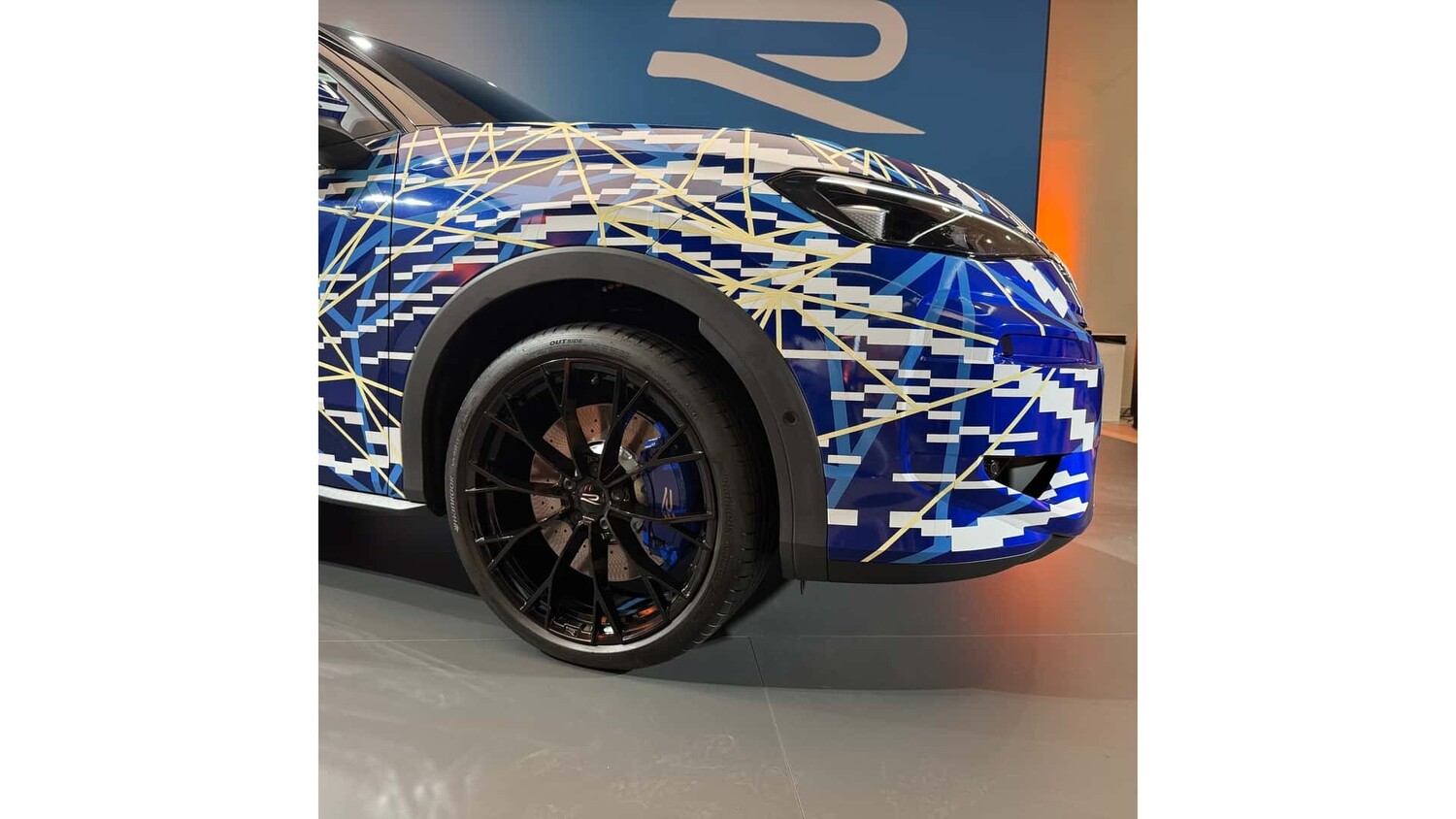
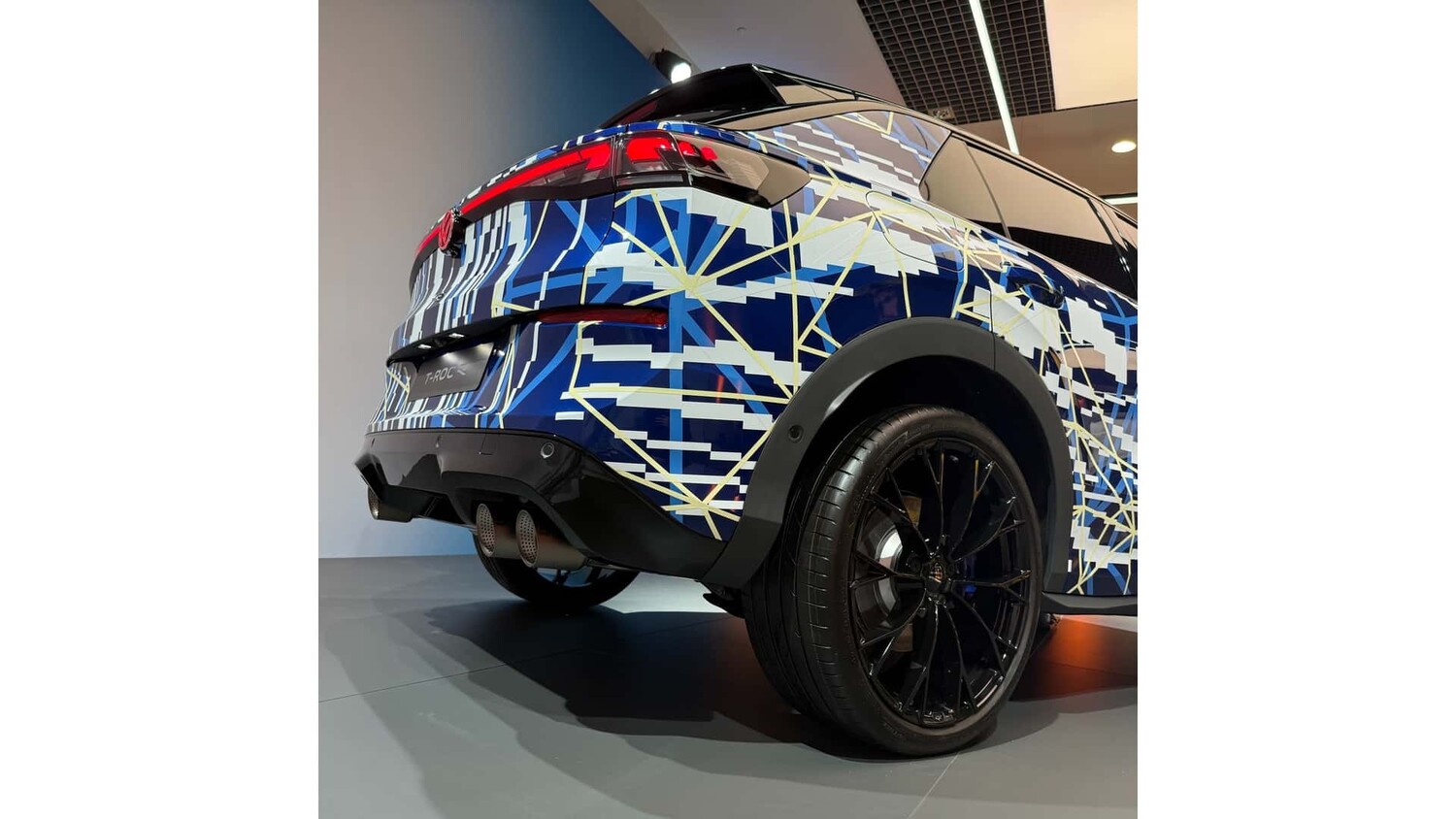
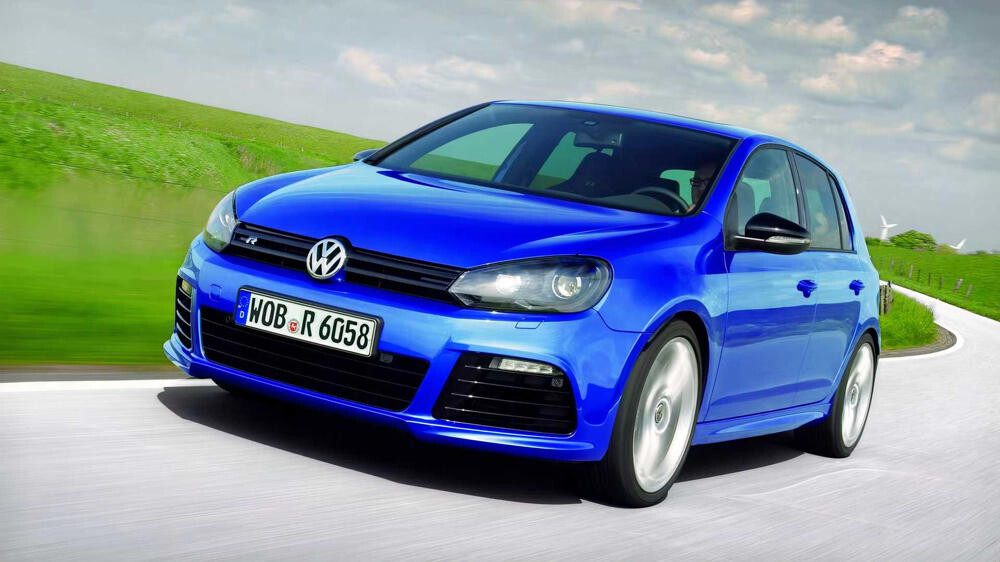
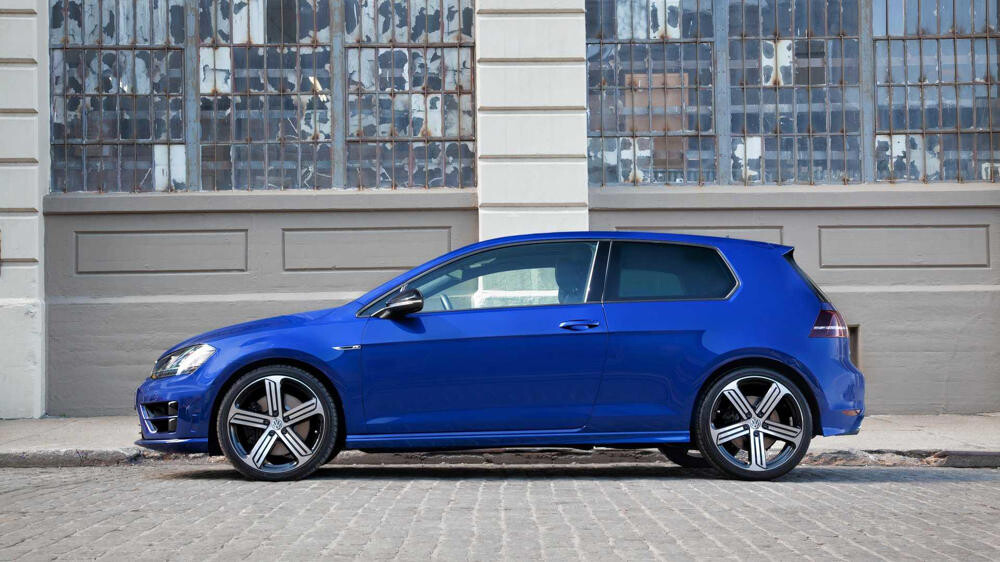
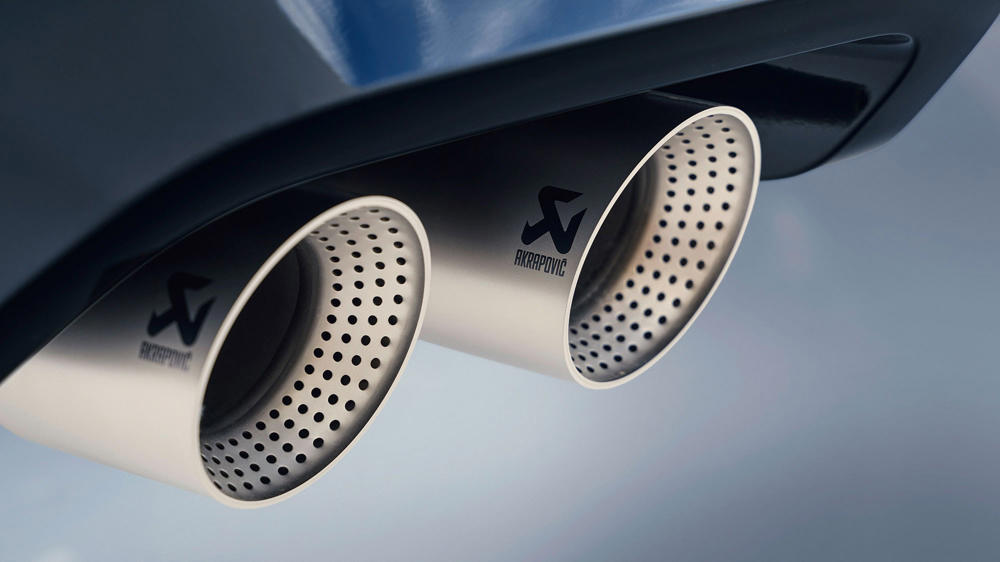
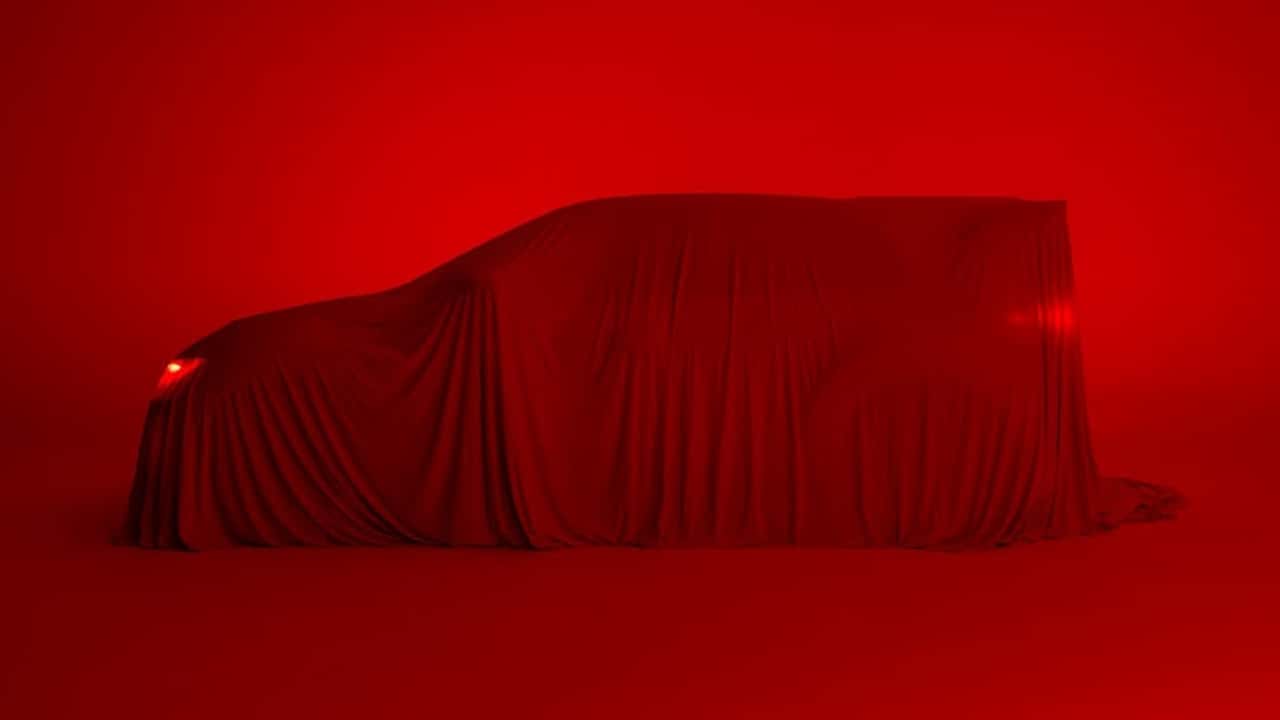
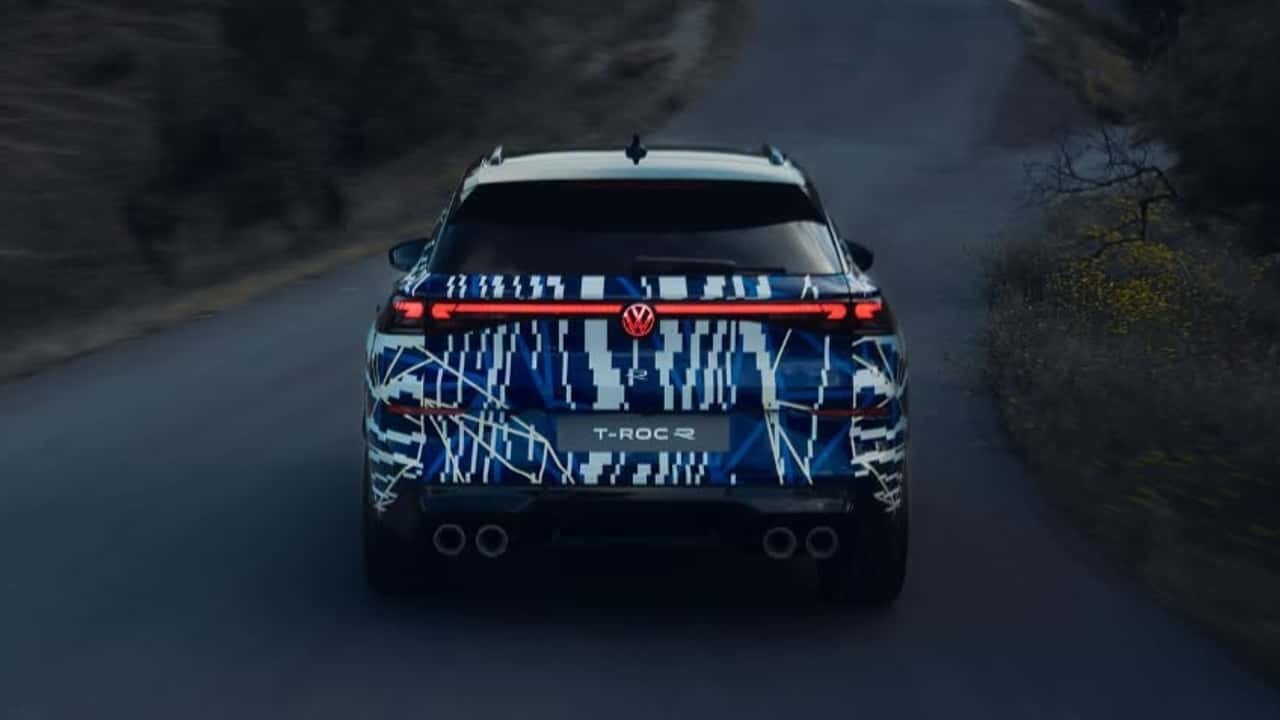
► Volkswagen’s second-generation T-Roc R is here► 328bhp, a five-second 0–62mph time, yobbish drift mode► And it could be the last fast petrol Volkswagen R ever builds Volkswagen has pulled the wraps off the Mk2 T-Roc R, securing the future of its much-loved EA888 petrol engine into the next decade. It becomes the new flagship of the company’s R range, sitting just above the Golf R with a starting price of €59,995 (around £50,000) in Germany. For context, the fastest Golf is currently priced from £47,300 in the UK. British T-Roc R prices haven’t yet been finalised as the car isn’t due to hit our configurators until January 2027. First deliveries are expected to arrive in April 2027 and, when they touch down, they’ll compete against petrol performance SUVs such as the BMW X1 M35i and MINI Countryman JCW, along with an ever-growing roster of similarly sized fast EVs that includes the Genesis GV60 Magma, Hyundai Ioniq 5 N and Volvo EX30 P8. Volkswagen T-Roc R (2026): front three quarter static, blue paint, outside studio It’s a bittersweet launch because, although we have a new petrol performance car to get excited about, this T-Roc R could be signalling the end of an era for Volkswagen’s R division. Petrol is dying – and this looks like the EA888’s swansong. Keep reading to learn more. What’s changed between the Golf R and the T-Roc R? Not that much, really. The T-Roc R is based on an evolution of the Golf R’s MQB platform, sharing the same chassis technology and the same turbocharged 2.0-litre four-cylinder petrol engine. It even produces the same amount of power at 328bhp. Volkswagen has made a few improvements, adding a 48-volt mild hybrid system to allow the T-Roc R to comply with Euro 7 emissions standards. It features a belt-driven starter-alternator that can claw back electricity when decelerating as well as cut and restart the engine when coasting to save fuel. That sets it apart from the powertrain in the standard mild hybrid T-Roc, which has its electric motor mounted in the gearbox. Volkswagen T-Roc R (2026): side view static, blue paint, landscape background Volkswagen also added an extra motor to the T-Roc R’s turbocharger to help spin the compressor wheel, cut lag and improve engine response. We haven’t yet driven the car, but the company’s engineers assure us the added electrification has made the T-Roc R feel more urgent than the Golf R. We’ll let you know if they’re right in a few months. Come on then. Rhyme off the specs Like the Golf R, the T-Roc R serves up 310lb ft of torque and an electronically limited top speed of 155mph. The T-Roc’s 0–62mph time is 0.4 seconds slower, at five seconds dead, thanks to its bulkier kerb weight and blunter aerodynamics – but the added electrification should make it slightly more efficient when you’re not hammering it. This lack of extra performance is almost disappointing, especially when you consider the tuning scene can get an easy 400bhp from the EA888 engine with little more than a new exhaust and a remap. But Volkswagen was cautious of pushing the engine harder for fear of increasing the number of warranty claims from its most mechanically merciless owners. Volkswagen T-Roc R (2026): rear three quarter static, blue paint, outside studio However, it has compensated for this by offering the T-Roc with more standard equipment than its hatchback-shaped sister car. Sadly, the rowdy Akrapovic exhaust system is still on the options list, but Volkswagen’s popular black package is now standard equipment, as are adaptive dampers. That latter addition also brings standard support for Volkswagen’s ‘Special’ drive mode. It was specifically configured for the Nürburgring which, on paper, sounds impractical for use on the road. But there’s a method in Volkswagen’s madness. Volkswagen T-Roc R (2026): front three quarter static, blue paint, landscape background Unlike the hellfire and brimstone ‘R’ drive mode, Volkswagen’s ‘Special’ setting softens off the dampers while sharpening the throttle response – and the company’s engineers told us that’s ideal for B-road barnstorming because it gives the chassis enough flexibility to keep the wheels in contact with the road over bumps and crests. Like the Golf, you also get a drift mode that backs off the traction control and sends more of the engine’s power to the rear wheels to make the T-Roc R easier to slide. What’s the interior like? It’s broadly the same as the standard T-Roc, just with a few sporty accessories. You get a racy R-badged steering wheel, a pair of figure-hugging sports seats and a smattering of R badges for the car’s digital gauge cluster, touchscreen and door sills. Volkswagen has also added a load of nerdy spec menus to the T-Roc R’s driver display that appeal immensely to our inner petrolheads. You can track your boost pressure, gearbox temperature, torque distribution and G-readings on the screen. Volkswagen T-Roc R (2026): front sports seats Plus, you get a GPS lap timer. You know, just in case you fancy an impromptu track session on your way home from the school run. What’s next for Volkswagen R? Volkswagen doesn’t want to admit it, but the T-Roc R is probably going to be the last petrol performance car the R division will launch before it’s forced to bend to the will of legislated electrification. The change has started happening, too. Volkswagen’s GTI badging is already being used on electric performance cars such as the ID.Polo GTI – and the R brand will soon follow suit. Volkswagen T-Roc R (2026): Akrapovic exhaust system Volkswagen R originally planned to launch its first full EV by 2029, using the Mk9 Golf EV as its starting point. That project has been put on pause while Volkswagen’s digs itself out of its current financial situation – but the R division’s requirements have already been baked into the car’s underpinnings. It’s just a matter of time. Once Volkswagen balances its books, the R division will need to start embracing the future to stay relevant. So, if you’re a petrolhead, it’s now or never.

 Liked by Grace Pelletier, Oliver Turner







 Liked by Grace Pelletier, Oliver Turner