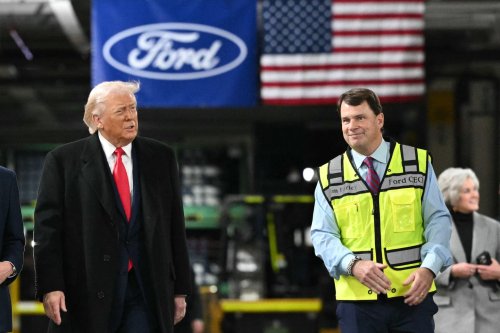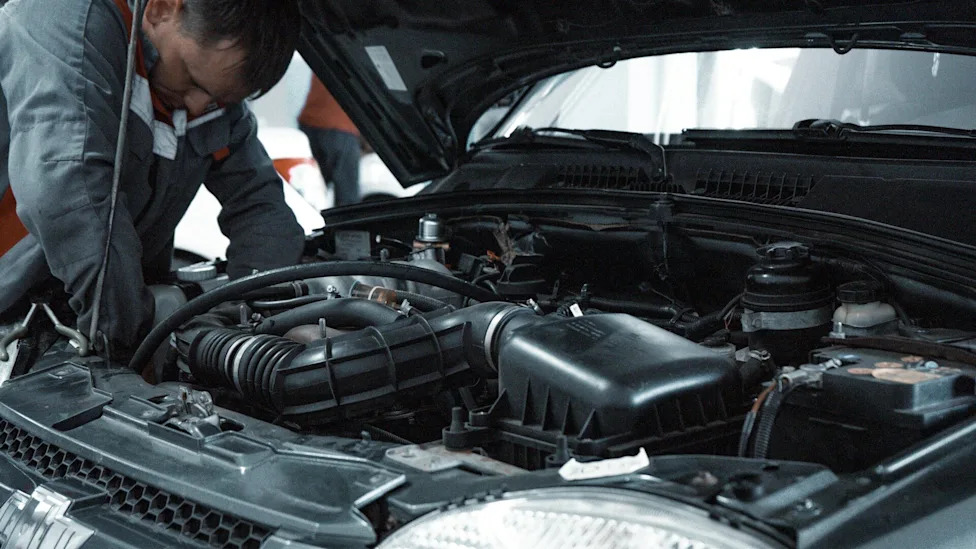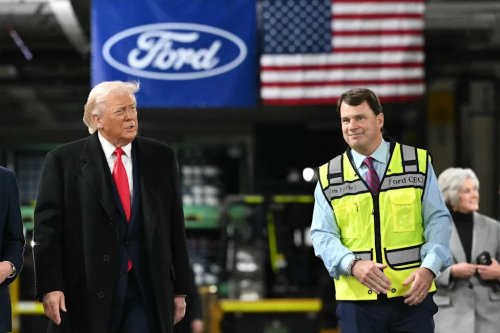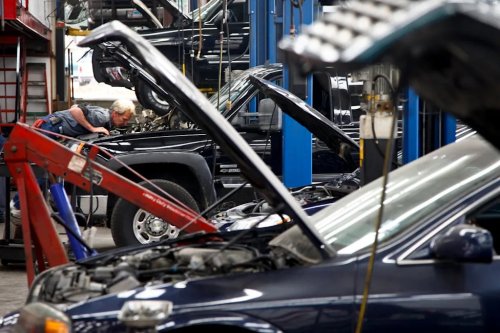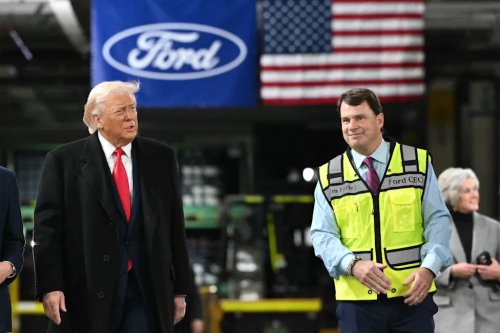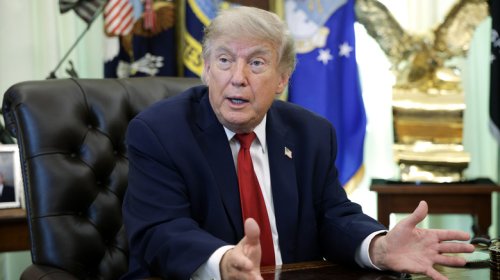



















Photo Credit: iStockAs computers, sensors, and manufacturer-controlled systems take over more of the work inside newer cars, repairs can become far more expensive for drivers when independent shops are sidelined.NBC 5 reported that Virginia repair shops say that is why they are supporting a federal right-to-repair push that would require automakers to provide independent mechanics with the same tools and data as dealerships.Here's what to knowMechanics told lawmakers that when factory repair information is restricted, independent shops sometimes have to send vehicles to dealerships for work they could otherwise complete, per the station. For customers, that can mean extra driving, longer delays, and higher costs.AdvertisementAdvertisementRobb Evans of Piedmont Tire and Auto in Virginia said the problem is access, not ability."If we don't do it, it's because we can't do it," Evans explained to NBC5. "Meaning the factory won't release information."More than 8 in 10 surveyed independent repair shops send at least one vehicle each month to a dealership because they cannot obtain needed information, per industry data cited by the station. NBC5 also cited a 2024 Auto Care Association study estimating that limits on vehicle data cost independent repair shops $3.1 billion a year.John Filippone of Piedmont Tire and Auto described one case in which a customer ended up paying far more after the shop was blocked from completing a programming task.AdvertisementAdvertisement"We had to then take the car there for them to program it, bring it back, cost the consumer an extra $1,200 they didn't need to pay," he recounted to the station.More backgroundThe fight has intensified as repairs increasingly depend on software and onboard computers rather than standard tools alone. NBC5 noted the original federal REPAIR Act was designed to broaden access to vehicle data, software, and repair information for both car owners and independent repair shops.Automakers pushed back on parts of that proposal, arguing that repair information is already widely available while warning of cybersecurity, privacy, and safety risks.A newer version, moving forward under the Motor Vehicle Modernization Act, is more limited, the station said. Rather than creating an entirely new framework, it would mostly write existing industry right-to-repair commitments into federal law and allow the Federal Trade Commission to enforce rules requiring certain repair information, tools, and diagnostic codes to be shared.AdvertisementAdvertisementIf only dealerships can perform certain repairs, consumers may be left with fewer options and higher costs.What's being done?The right-to-repair bill has cleared a House committee but has not yet been taken up for a full House vote, as NBC5 detailed. Supporters say voluntary commitments from manufacturers have not resolved the access problems.The station noted President Donald Trump also weighed in on the issue in June, suggesting automakers don't want repairs made by mechanics. Meanwhile, the Alliance for Automotive Innovation, which represents major automakers, pushed back on that narrative.NBC5 noted the group said that "automakers make repair instructions, tools and diagnostic codes easily available to dealers and independent repairers," adding that independent repair businesses perform more than 75% of post-warranty vehicle work.AdvertisementAdvertisementStill, independent mechanics disputed that notion."It's very important to be able to have equal access that the dealers do so that we can, you know, serve our customers in a way that benefits them," Filippone told the station.Get TCD's free newsletters for easy tips, smart advice, and a chance to earn $5,000 toward home upgrades. To see more stories like this one, change your Google preferences here.