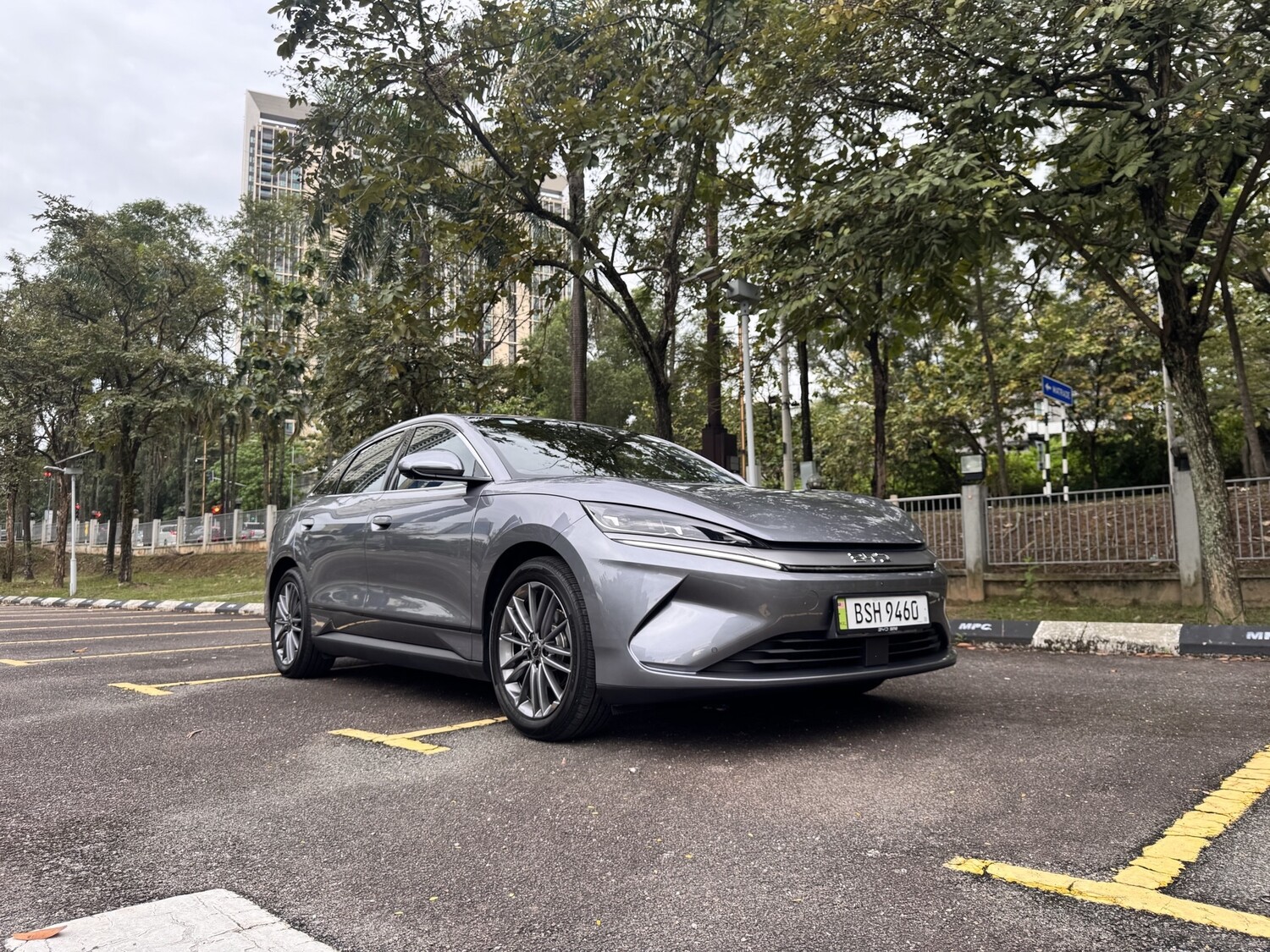
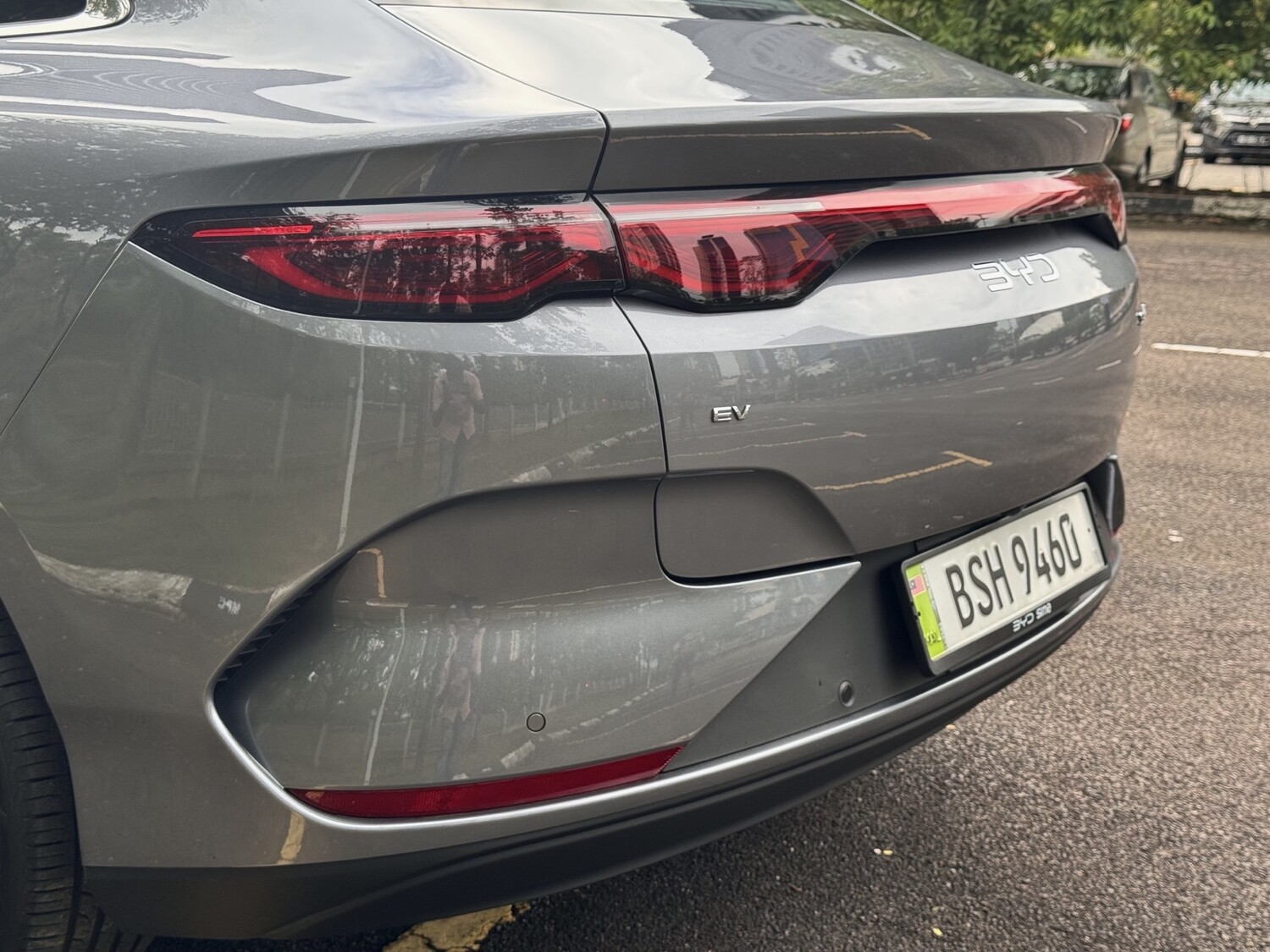
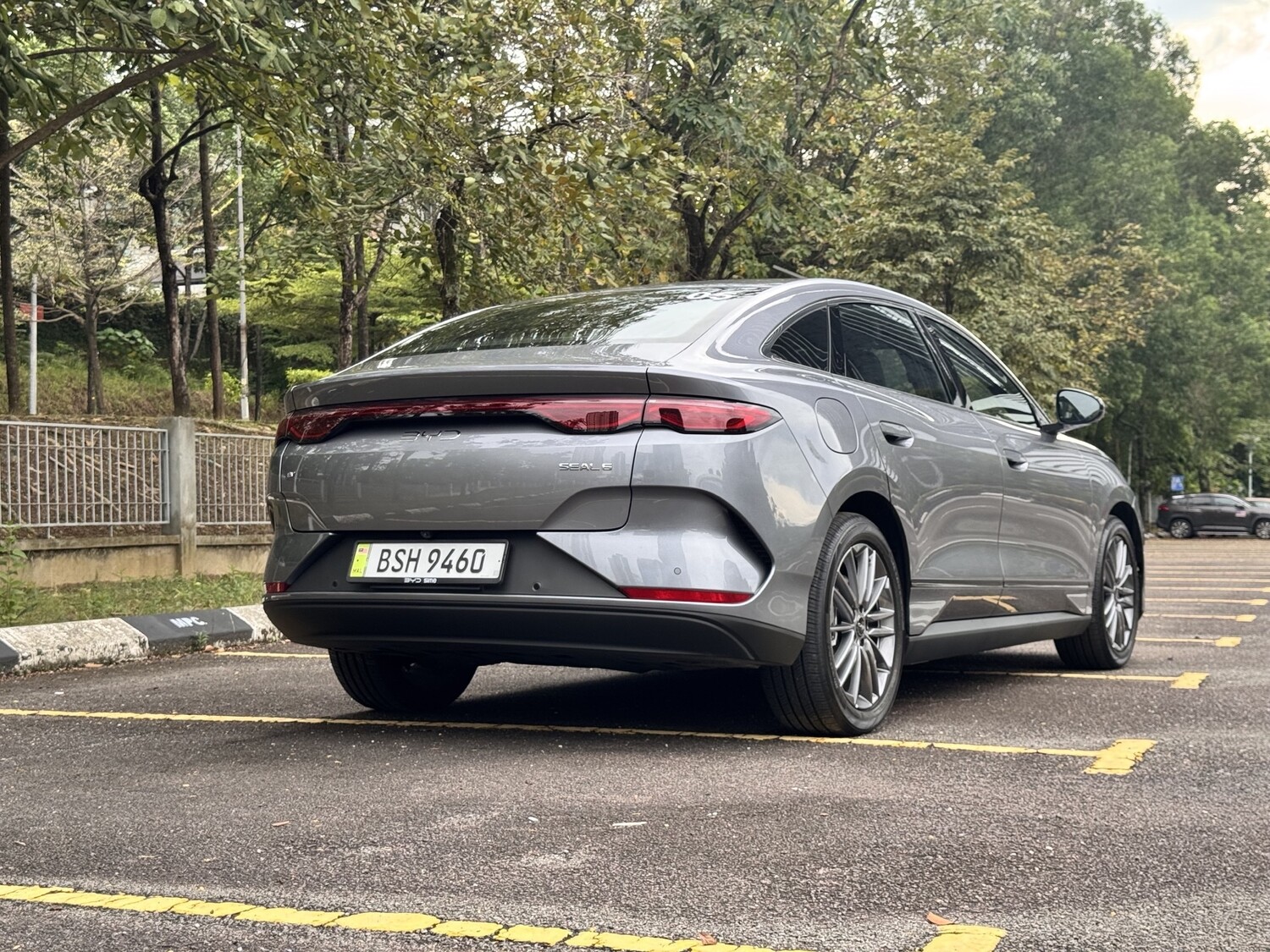
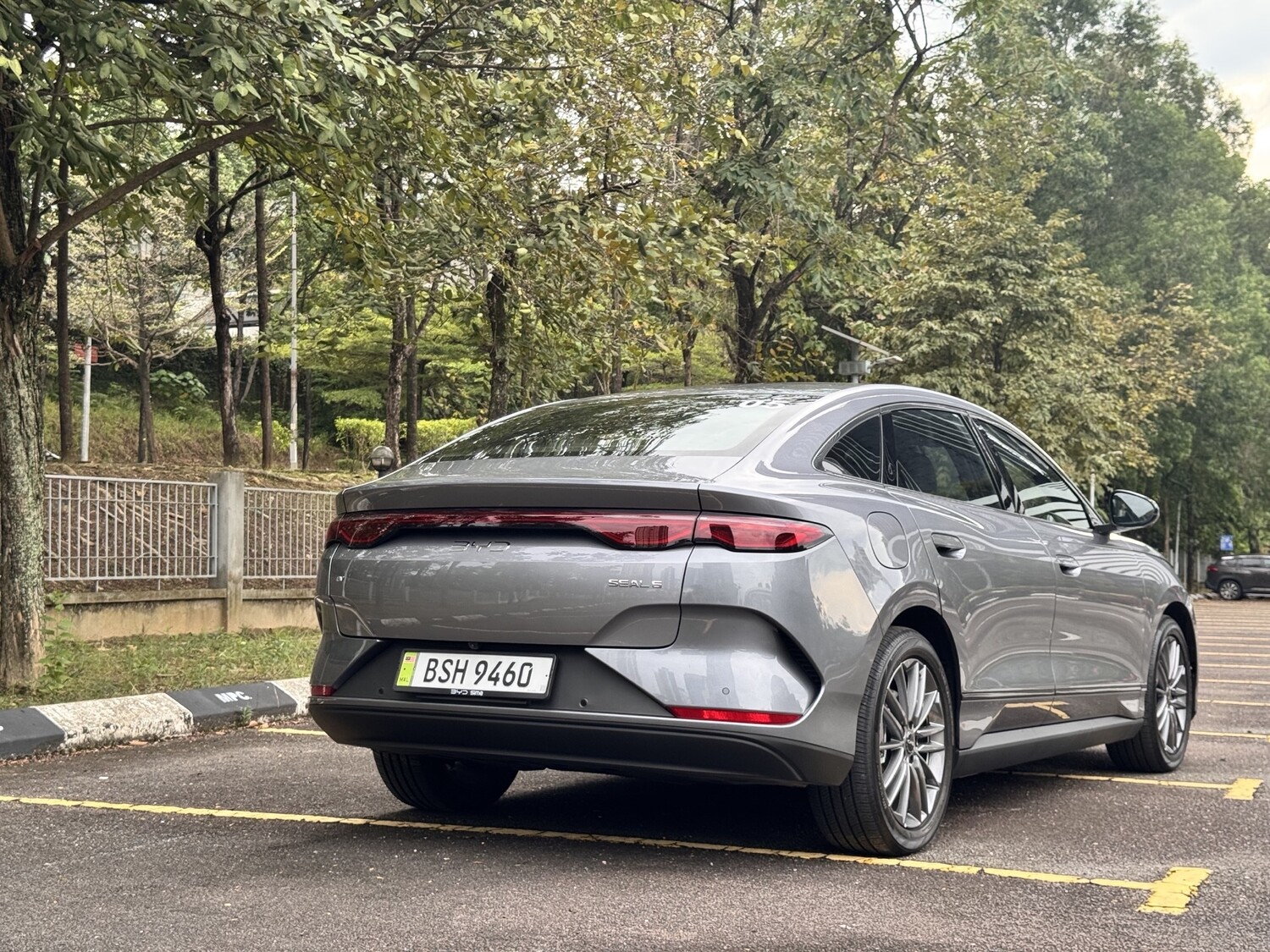
To achieve the country’s climate goals and accelerate the transition to e-mobility, Luxembourg has extended the Klimabonus Mobilitéit state incentive scheme for zero-emission vehicles and private charging stations to 2030. With Parliament having already passed the relevant laws, Luxembourg’s Minister for the Environment, Climate and Biodiversity Serge Wilmes presented the updates.
The new regulation covers all vehicle purchases and leasing agreements concluded between 1 July 2026 and 30 June 2030. For new battery-electric cars, the amount of the one-time grant continues to depend on the vehicle’s electricity consumption, which is measured in Wh per kilometre under the scheme.
For vehicles that consume up to 160 Wh per kilometre (16.0 kWh/100 km), the state pays €6,000. This maximum amount also applies to the purchase or leasing of an electric van, a hydrogen car, or an EV with at least seven seats, provided that at least five people live in the household. If consumption is between 161 and 180 Wh per kilometre, the subsidy drops to €3,000. For vehicles with consumption of up to 200 Wh per kilometre, €3,000 is also available if the net power of the drivetrain does not exceed 150 kW.
Car buyers now benefit from pre-financing
From 1 January 2027, a pre-financing system will also simplify the purchase of new cars. Registered car dealerships will deduct the subsidy amount directly from the invoice and later reclaim the funds from the state themselves. However, buyers who prefer to apply for the grant themselves, as before, can still do so – the bonus remains identical.
These subsidy amounts for electric cars, used EVs and two-wheelers have been available in Luxembourg since October 2024, but the scheme would have expired at the end of June 2026 without the extension. The new feature is the method of payment: previously, buyers had to pay the full price upfront and could only apply for reimbursement from the state after a minimum holding period of seven months.
Subsidies for used EVs and charging stations still available
For used electric cars that are at least three years old, the state continues to pay €1,500 (DE). For electric motorcycles, mopeds, quadricycles and cargo bikes, the state covers half of the net price, up to a maximum of €1,000. Standard e-bikes and bicycles are also subsidised at 50 per cent of the cost excluding VAT, up to €600, but only for households that receive the cost-of-living allowance or energy premium when purchasing.
Subsidies for private charging stations will also run until the end of 2030 and apply to all invoices from 1 January 2026. The state covers half of the net costs, capped at €750 for basic wallboxes and €1,200 for smart models. For bidirectional charging stations, there is €1,400, with the 50 per cent net cost limit initially applying until 1 January 2027.
Additionally, owners and homeowners’ associations of multi-family houses can now receive up to €40,000 for shared smart load management systems, including necessary renovation work. This bonus is also capped at a maximum of 50 per cent of the net costs.
gouvernement.lu (press release) (FR), gouvernement.lu (presentation, PDF) (FR)