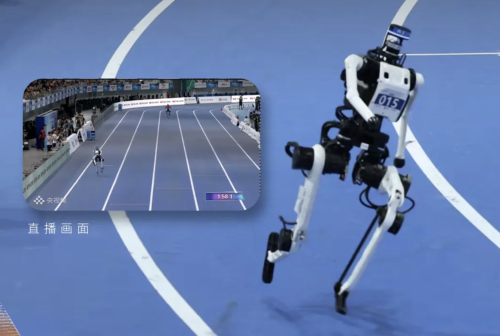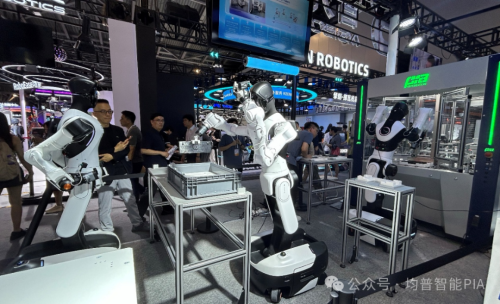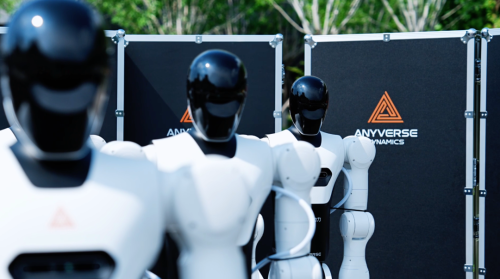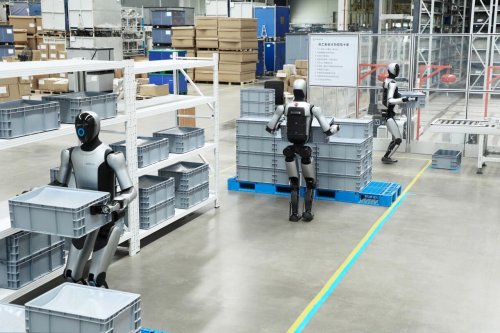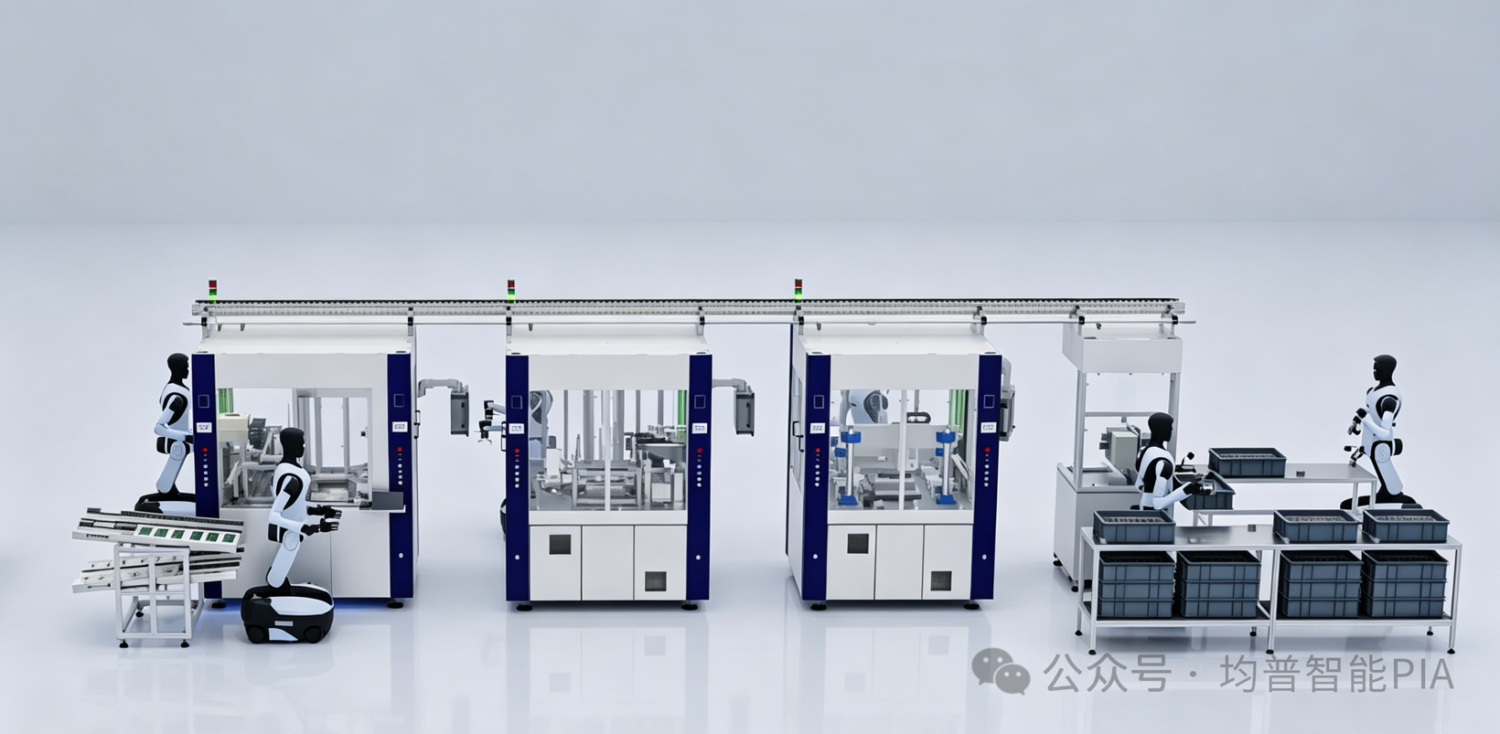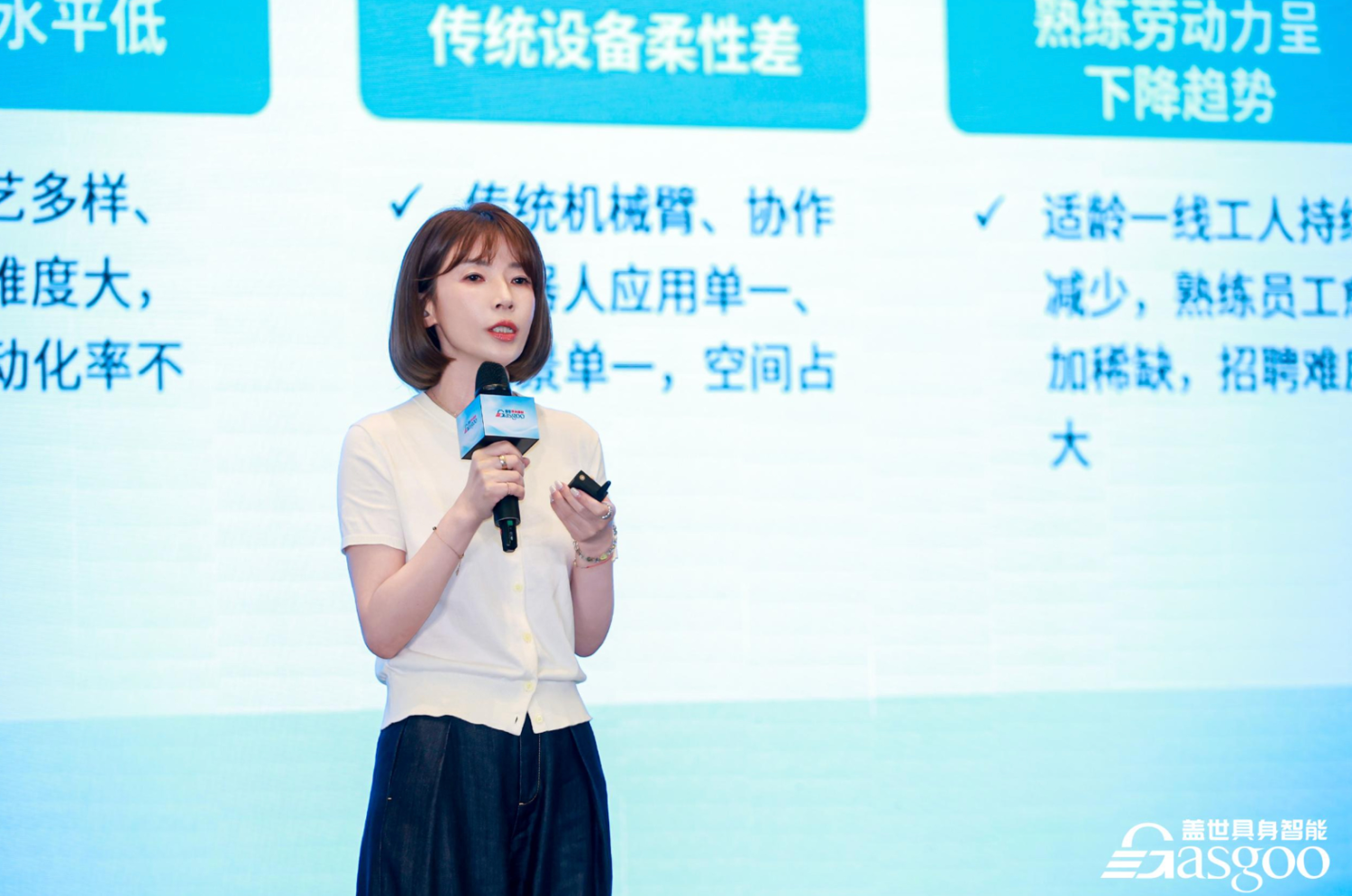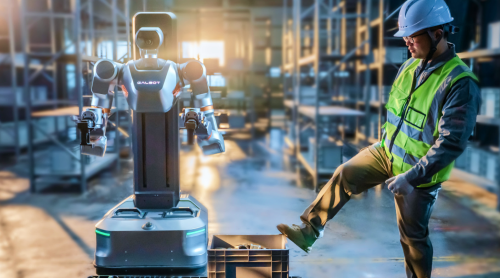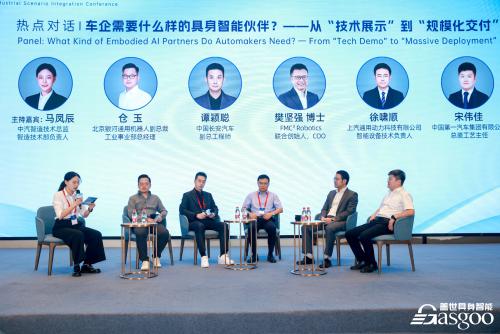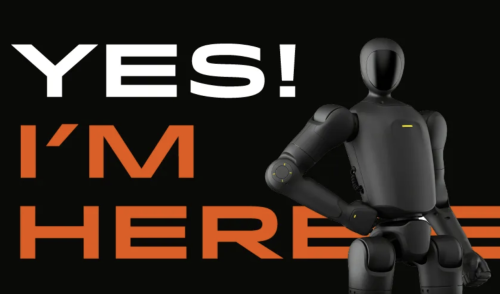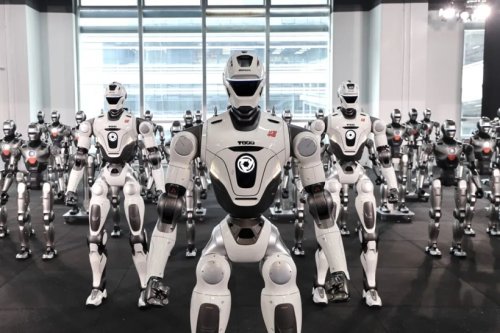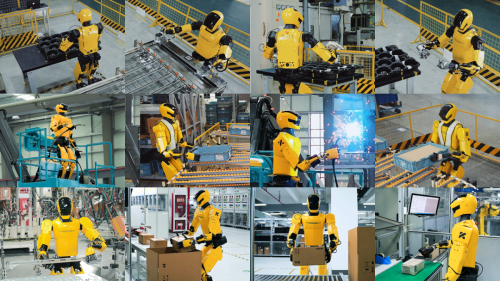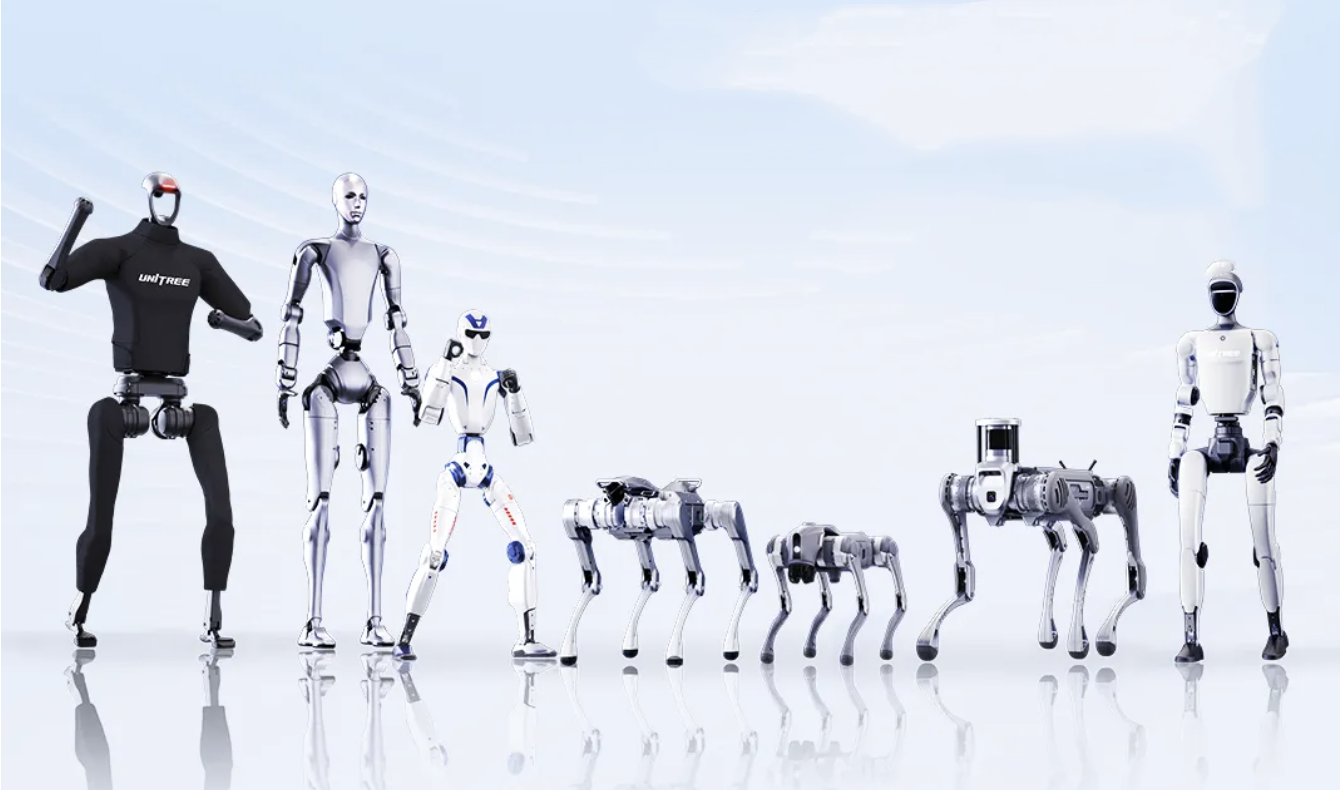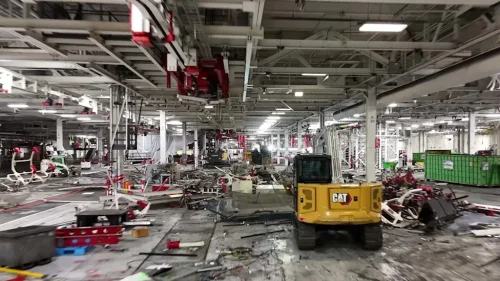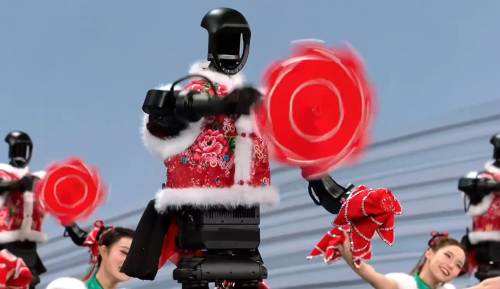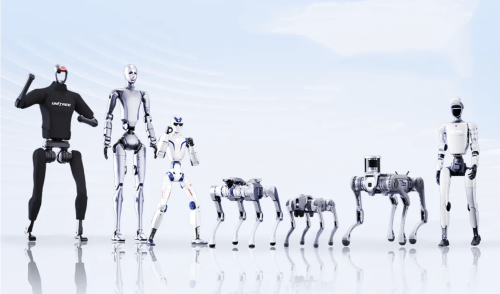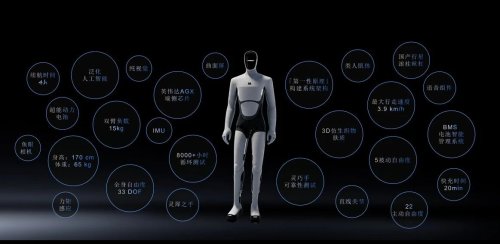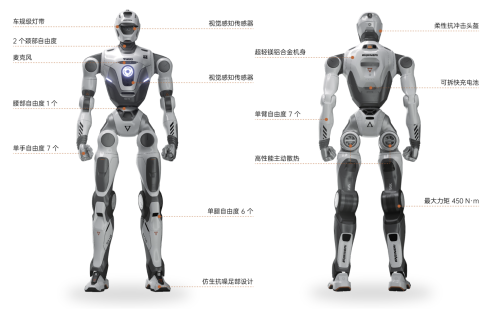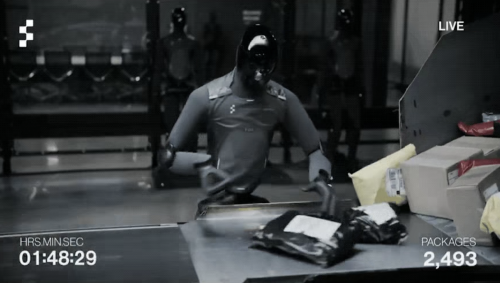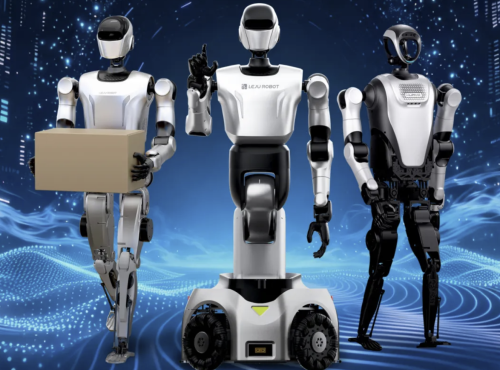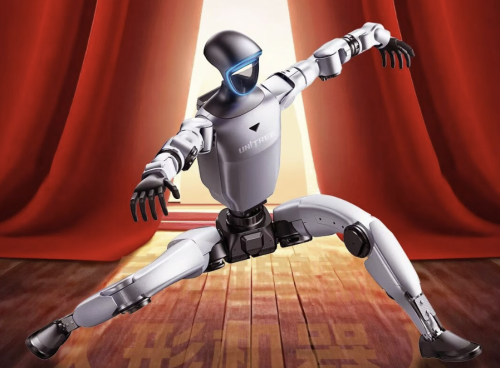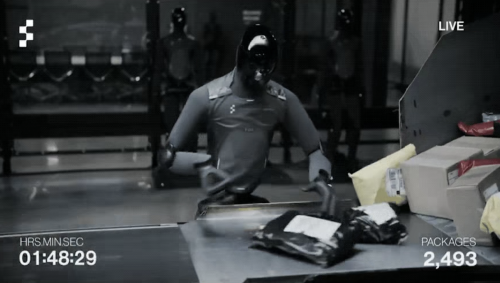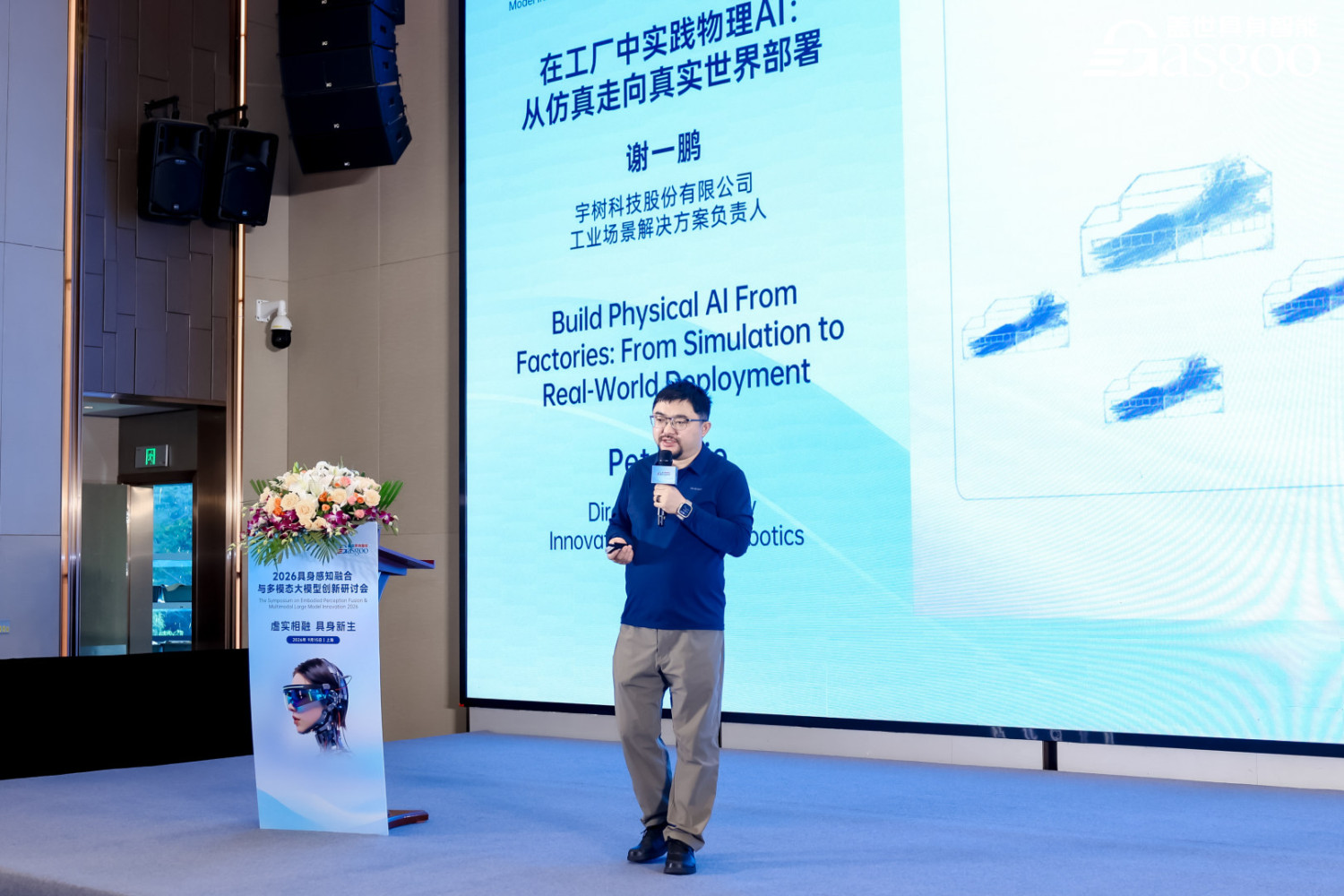



















Gasgoo Munich- At the Gasgoo Seminar on Embodied Perception Fusion and Multimodal Large Model Innovation, Xie Yipeng, head of industrial scenario solutions at Unitree Technology, stated that physical AI has a strong chance of being born in factories. However, he noted a gap between the data formats and association methods collected in different eras and the requirements for training AI. The older the industry and the higher its standards, the heavier the legacy burden it carries.Image Source: GasgooXie also pointed out that humanoid robots will enter a period of accelerated development over the next two to three years.Unitree introduced the world's first fully electric-drive humanoid robot in 2023, pioneering this technical route. Since then, the iteration roadmap has become clear: by 2024, walking stability was resolved, allowing the robot to run, jump, and remain upright even when kicked. The three-axis inverted pendulum, once an unsolved mystery, no longer posed an obstacle. In 2025, Unitree began seeking commercial applications. By the fourth quarter, commercial dance and kung fu performances became a breakthrough, showcased prominently during Spring Festival Galas, before the technology was subsequently rolled out to mass-market products.Xie argued that an application only truly succeeds when the time and cost of training a robot to dance or navigate stage positions are roughly equivalent to those of a human dancer. This extends to a broader principle: if a robot can perform as well as a human for a similar cost, it is worth considering. Robots are better suited, however, for tasks humans are unwilling to do, or for hazardous and toxic environments.Xie emphasized that Unitree remains open to cooperation models: tools, electric drives, perception sensor kits, radar, binocular vision, industrial wireless communication, and auxiliary power systems can all be integrated with Unitree robots.However, Unitree will not become an engineering company nor will it handle project delivery. Instead, it will remain true to its roots as a cutting-edge humanoid and quadruped robot firm. By developing core components in-house—from reducers, gears, and motor rotors to stators—the company ensures the fastest iteration, lowest costs, and most stable quality. It also selects semiconductor chips proven most suitable for AI training, guaranteeing leading machine performance and precise positioning.