From November 2027, the UK will require all newly registered passenger cars and light commercial vehicles to comply with the Euro 7 standard. For the first time, these regulations will extend beyond exhaust emissions. The new standard also addresses environmental impacts relevant to electric vehicles, primarily through mandatory limits on brake and tyre wear particles, as well as strict requirements for battery lifespan.
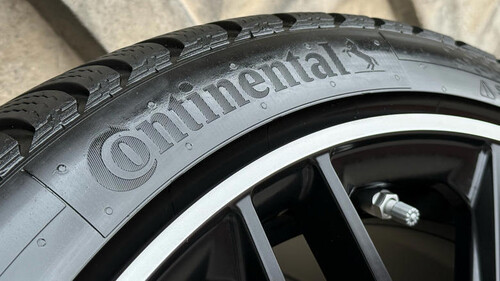
In the future, vehicle brakes will be subject to fixed limits on particulate matter. Electric vehicles have an advantage here, since they recover a large portion of braking energy through regenerative braking and their mechanical brakes experience less wear. Tyre wear limits will also be introduced gradually to reduce microplastic pollution. This will affect heavier, larger electric vehicles most, as the weight of the vehicle and the width of its tyres significantly impact the amount of particulate matter produced.
Euro 7 also establishes legal minimum standards for the storage capacity of EV batteries. The battery in battery-electric and plug-in hybrid passenger cars must retain at least 80% of its original capacity after five years or 100,000 kilometres. A minimum of 72% is required after eight years or 160,000 kilometres. This protects used car buyers from significantly reduced driving ranges and ensures that batteries do not need to be prematurely replaced.
In addition, Euro 7 requires manufacturers to install standardised battery state-of-health monitors (State of Health / SOH). These on-board monitors create a basis for EV buyers to compare battery condition across manufacturers, models and powertrains, increasing transparency in the used car market.
The UK is adopting all Euro 7 rules based on existing EU and UNECE standards. As a result, manufacturers will not need to subject their vehicles to additional testing specifically for the UK market. For internal combustion engines, the nitrogen oxide limits for diesel passenger cars will be aligned with those for petrol vehicles (maximum 60 mg/km). Additionally, emission values must now be maintained over a period of ten years or 200,000 kilometres in real-world driving conditions.
Euro 7 will apply to new passenger cars and light commercial vehicles in the UK from November 2027. For new vehicle types in the case of trucks and buses, the deadline is May 2028, with May 2029 for all new registrations. Automakers with small production volumes of fewer than 2,500 vehicles per year will have an extended deadline until 1 July 2030. Existing vehicles are not affected by these changes, and the rules for environmental zones such as London’s ULEZ will remain unchanged for the time being.