Toyota’s new Takata recall covers 314,029 Toyota and Lexus vehicles in the United States. Some of the passenger airbag inflators in question left the factory in these cars. Others went in later as replacement parts under an earlier recall. In both cases, the federal recall filing says the propellant inside can degrade and the inflator can rupture.
The recall reaches back to the 2002 model year and forward to 2017. It covers the 2003 to 2008 Corolla, the 2005 and 2006 Tundra, the 2005 to 2007 Sequoia and the 2016 and 2017 4Runner. On the Lexus side, it includes the 2002 to 2010 SC 430, the 2011 IS 250 and the 2017 GX 460.
Toyota says it has no reports of ruptures in this group of inflators. Still, the company chose not to wait. Dealers will replace the front passenger inflator or the whole airbag assembly, depending on the model, at no charge.
Why the Toyota Takata recall includes replacement parts
The detail that stands out is in the NHTSA recall record, campaign 26V748000. It covers Takata front passenger inflators “installed as original equipment or as replacement parts under a prior recall.” In other words, some owners already had a recall repair done years ago. Those cars can now need the work again.
Autoevolution explains why. The newer parts have more service life left, but Toyota keeps monitoring all of them. These inflators use phase-stabilized ammonium nitrate, known as PSAN, as their propellant. Predictive testing suggests that propellant is breaking down, so Toyota is acting before it degrades past safe combustion limits.
The outlet also lists the affected part numbers as 73980-24130 and 73980-24140. Toyota tracks the work under four internal recall numbers: 26TB25, 26TA25, 26LB11 and 26LA11.
What goes wrong inside the inflator
The NHTSA summary describes the failure in plain terms. Long exposure to humidity, high heat and repeated temperature swings can degrade the propellant. Then, in a crash, the inflator can rupture when the airbag deploys. As a result, sharp metal fragments can strike the driver or other occupants and cause serious injury or death.
Toyota’s own statement, dated November 12, says the same thing in its own words. It describes the risk as metal fragments entering the cabin at high speed. However, it does not list the affected models. For that, owners need the NHTSA record or a VIN lookup.
Which models make up the 314,029 vehicles
The Corolla dominates the count. According to autoevolution, 232,174 of the recalled vehicles are 2003 to 2008 compact cars, most of them Corollas. Next comes the 2016 to 2017 4Runner at 35,949 units. Then the 2005 to 2006 Tundra adds 25,174 trucks.
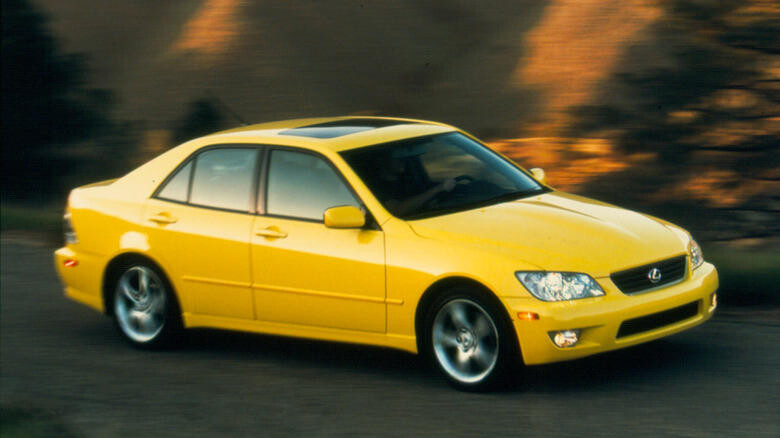
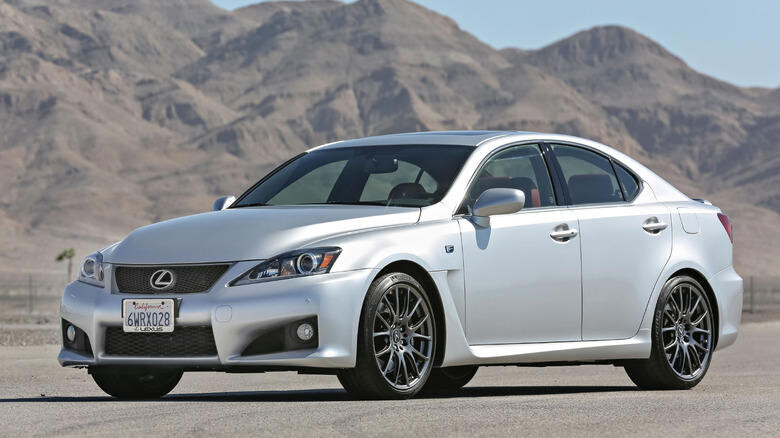
The smaller groups matter to enthusiasts, too. Autoevolution puts the 2005 to 2007 Sequoia at an estimated 10,736 vehicles and the 2017 Lexus GX 460 at 8,931. The 2002 to 2010 Lexus SC 430 accounts for an estimated 1,064 cars. Finally, the recall includes a single 2011 Lexus IS 250, built in Japan on March 1, 2011.
That SC 430 figure deserves attention from collectors, because the oldest cars in the recall are SC 430s from 2002. On a car that old, the registered address may be out of date. For that reason, a current owner should not count on the letter alone and should run the VIN.
What owners should do now
The NHTSA record says Toyota expects to mail owner letters starting December 28, 2026. Autoevolution reports that the letters should arrive between that date and January 11, 2027. Meanwhile, owners can check their vehicle sooner.
Toyota’s recall statement points owners to Toyota.com/recall and NHTSA.gov/recalls. Both accept a VIN, and Toyota’s page also takes a license plate. Owners can also reach Toyota customer service at 1-800-331-4331. Toyota adds that its vehicle list reflects the filing date and may change.
The repair itself costs nothing. Depending on the model, a dealer will swap either the passenger inflator alone or the complete airbag assembly. So the main job for owners is simple: check the VIN, then book the appointment.
A Takata problem that keeps coming back
This filing shows why the Takata story keeps returning. Inflators age, and even replacement parts from an earlier fix eventually wear out their service life. According to AsiaOne’s report on the NHTSA filing, Toyota said these inflators are “nearing the end of their estimated safe service life.” NHTSA also said Toyota is recalling them “out of an abundance of caution.”
The human cost explains why Toyota is moving early. As of autoevolution’s report, NHTSA had confirmed 28 U.S. deaths caused by exploding Takata inflators. This time, by contrast, Toyota reports no ruptures at all in the 314,029 vehicles it is recalling.