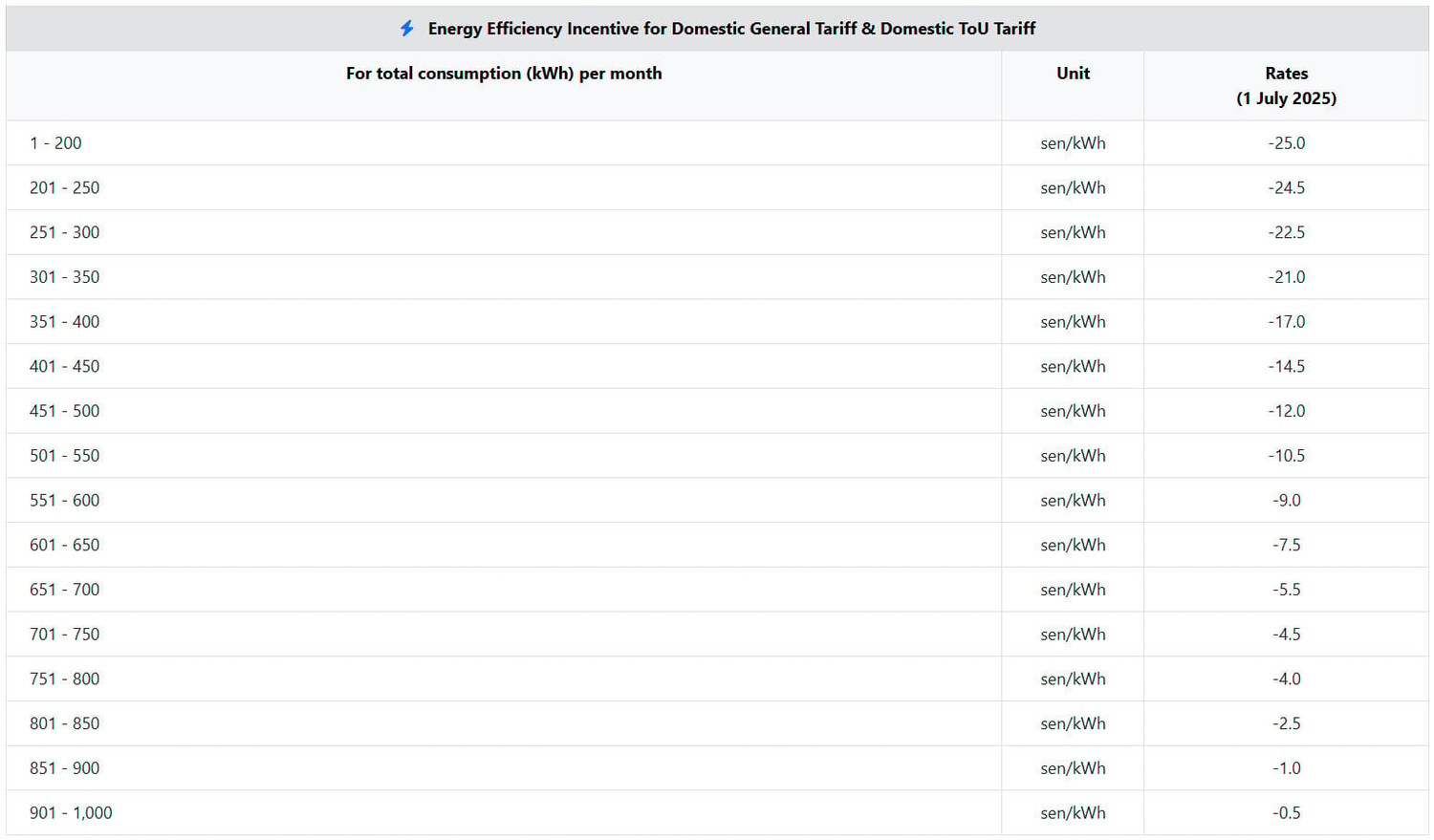
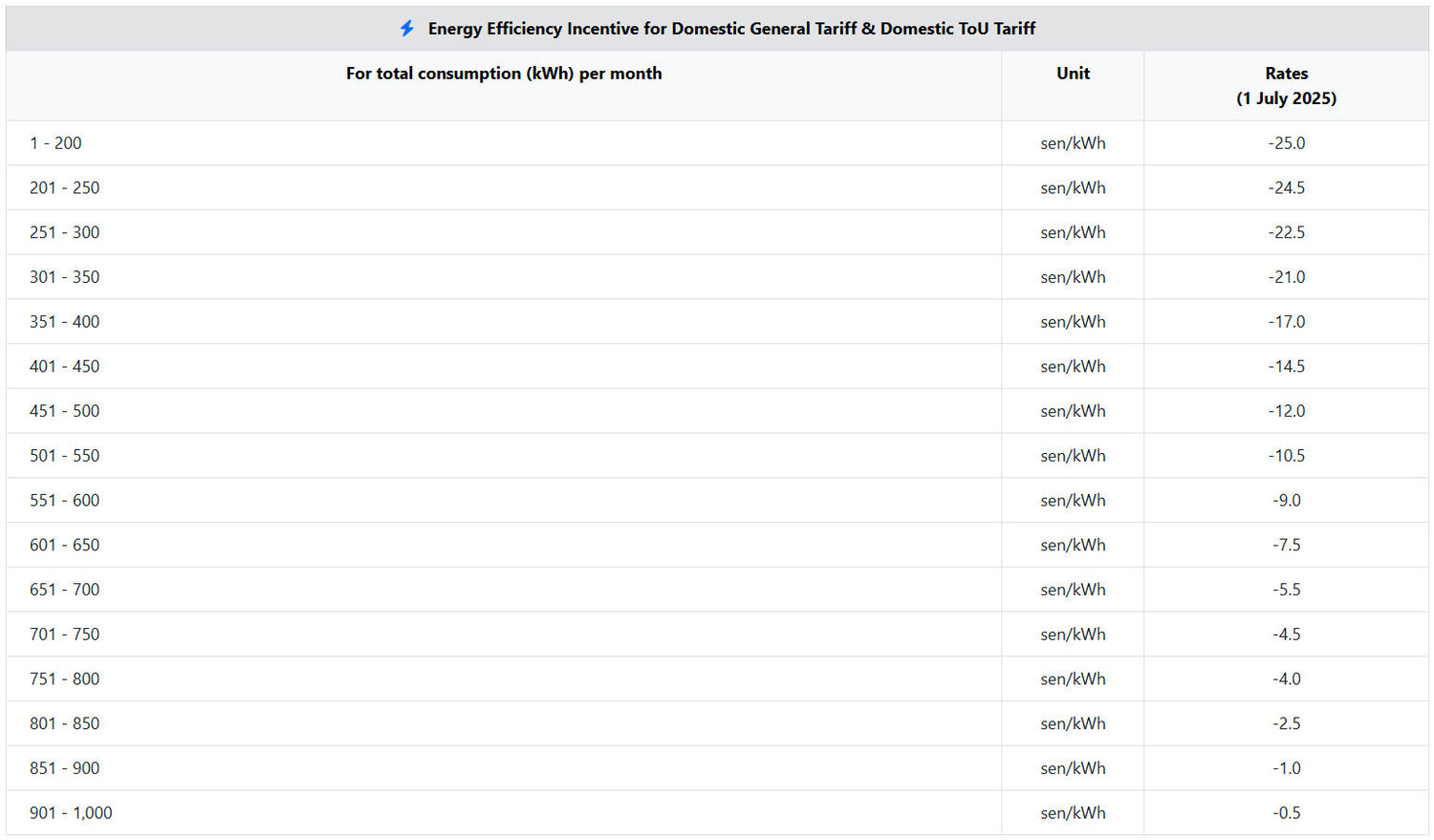
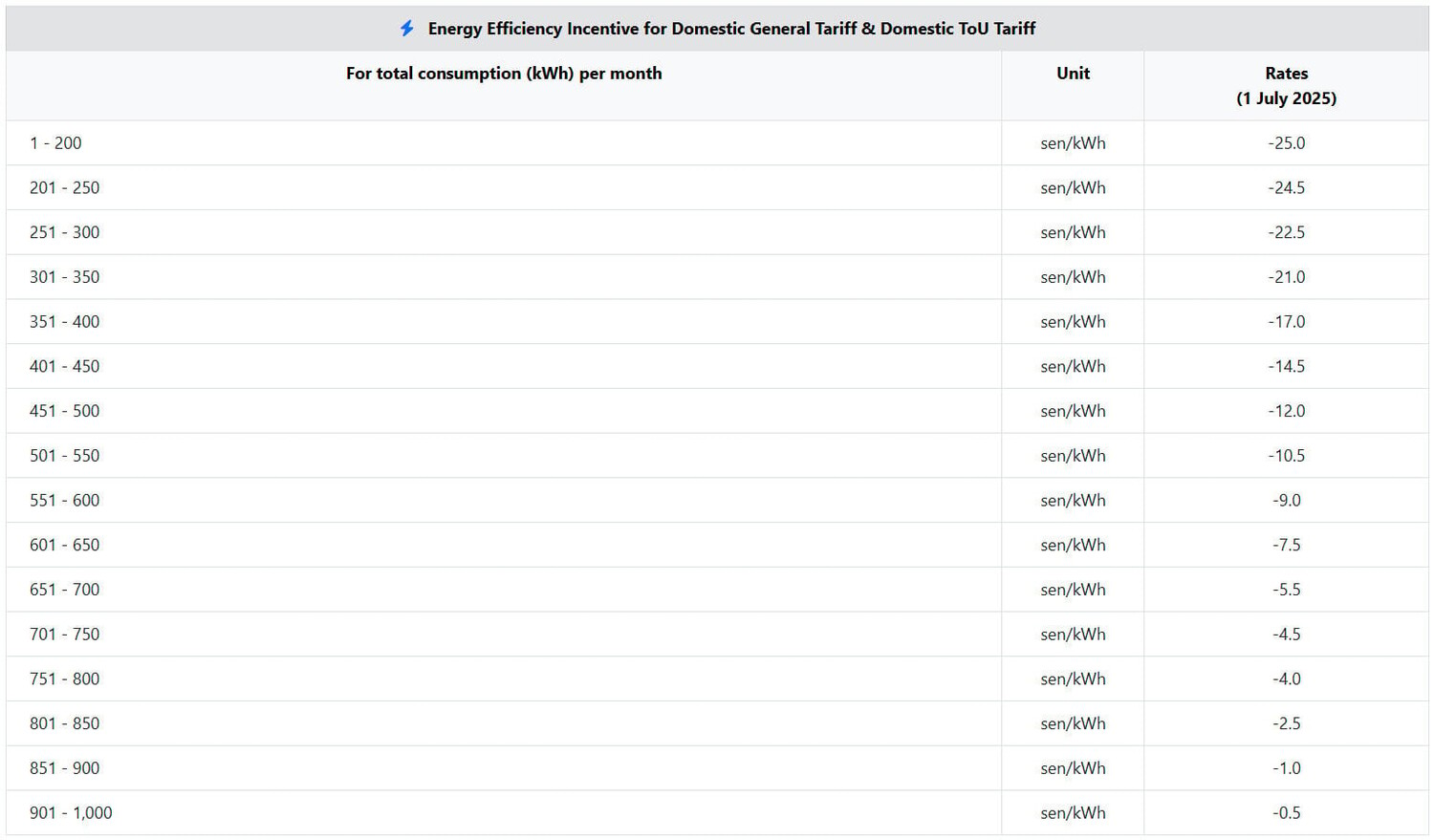
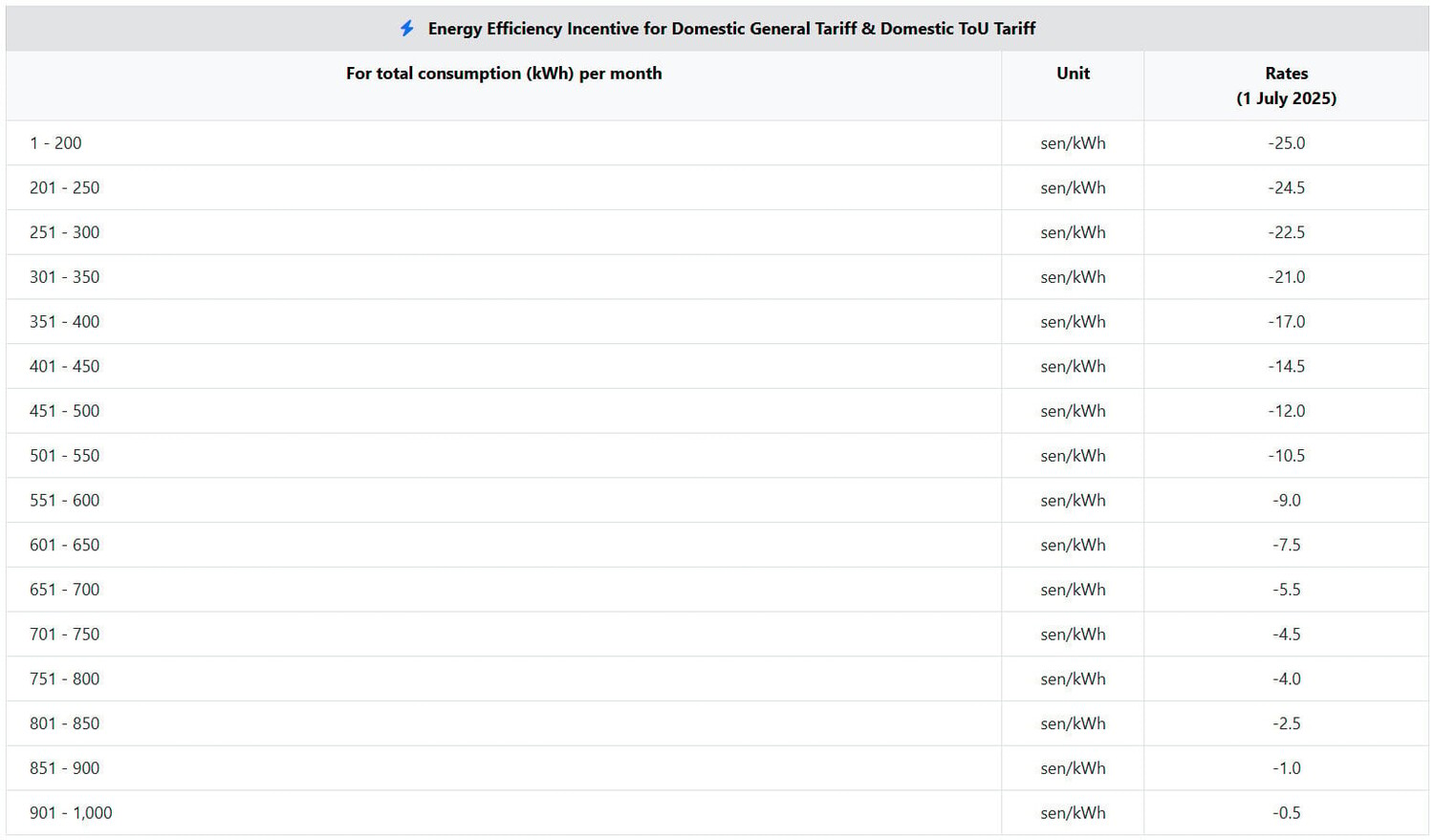
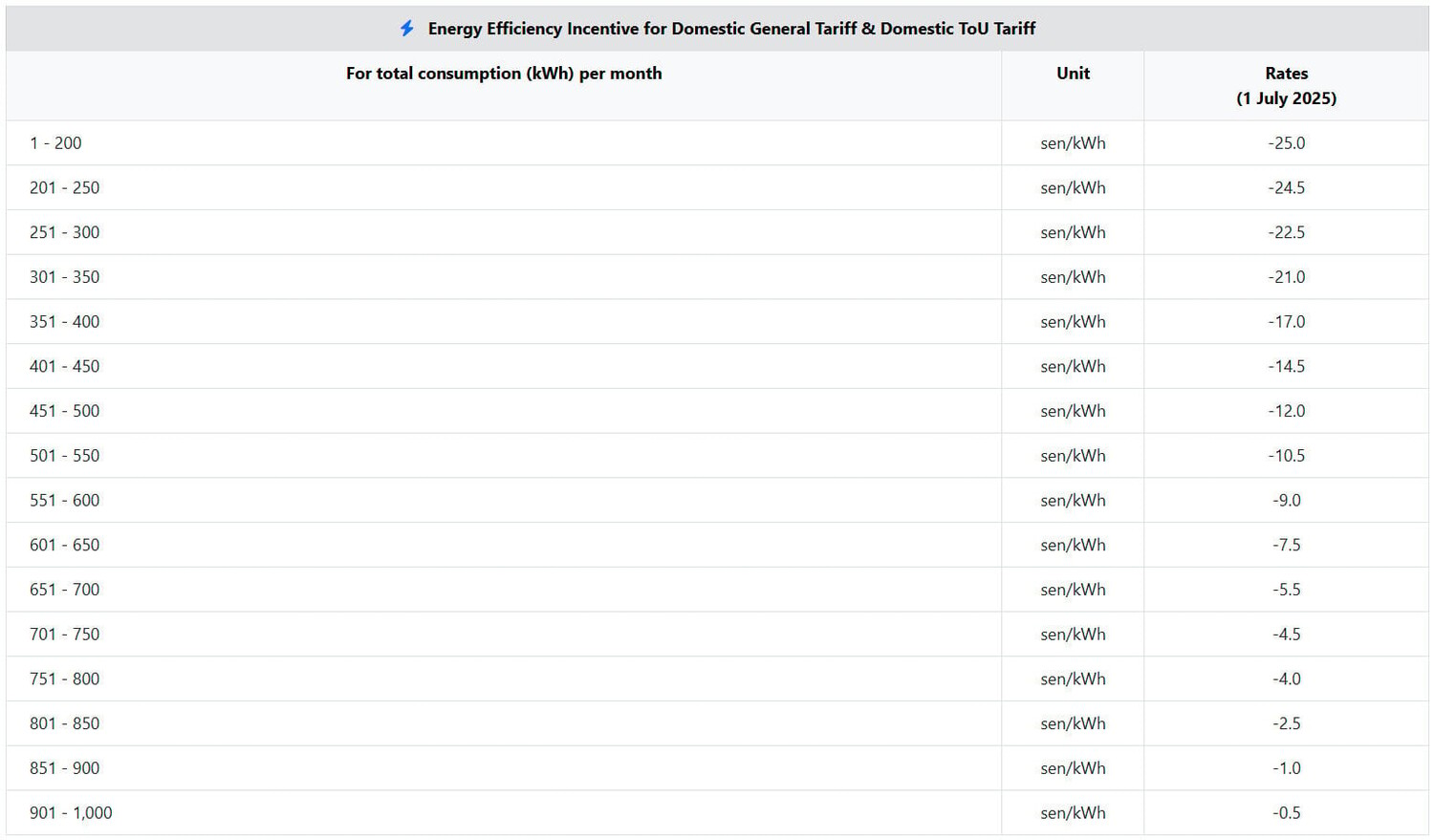
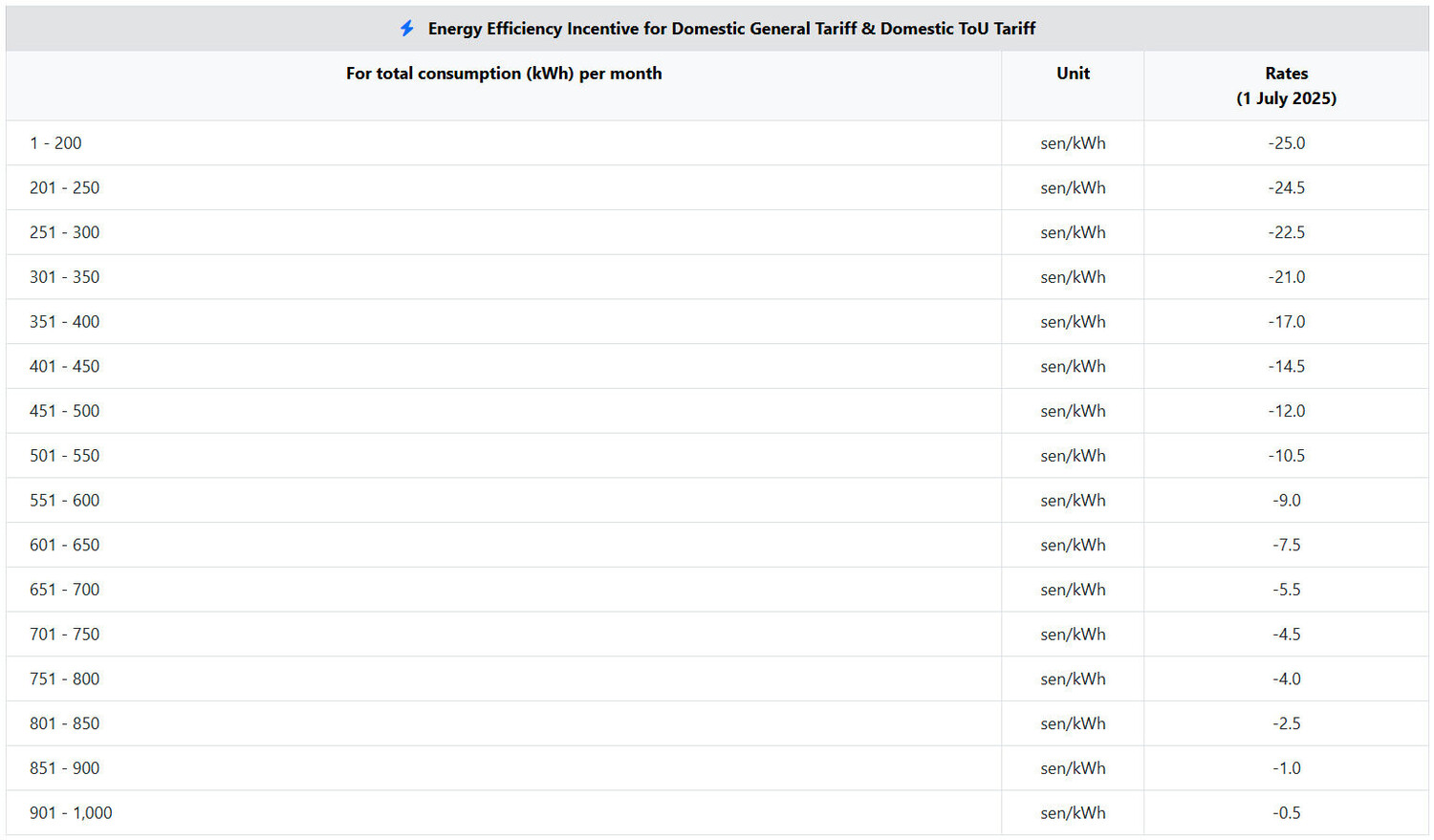
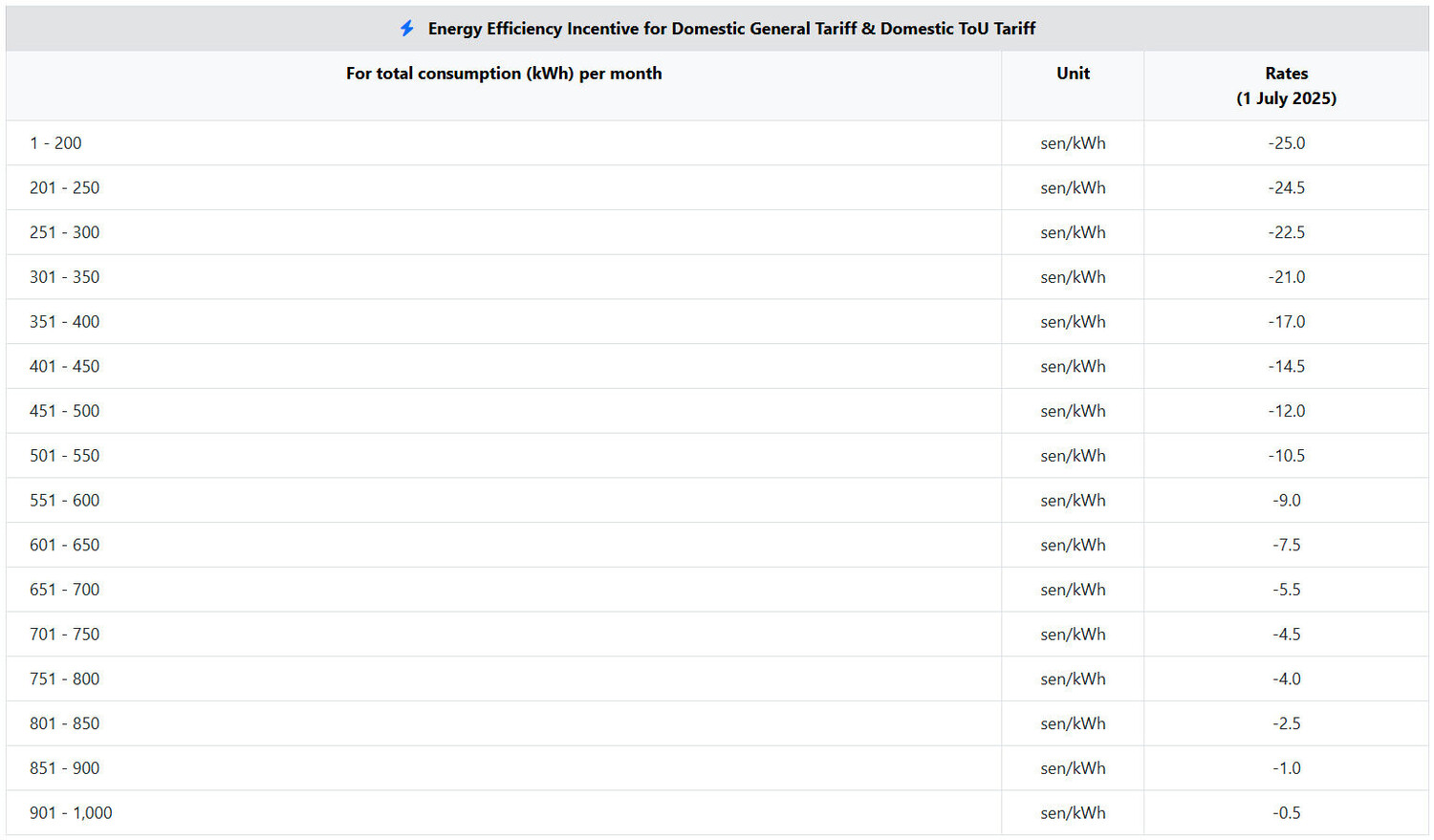
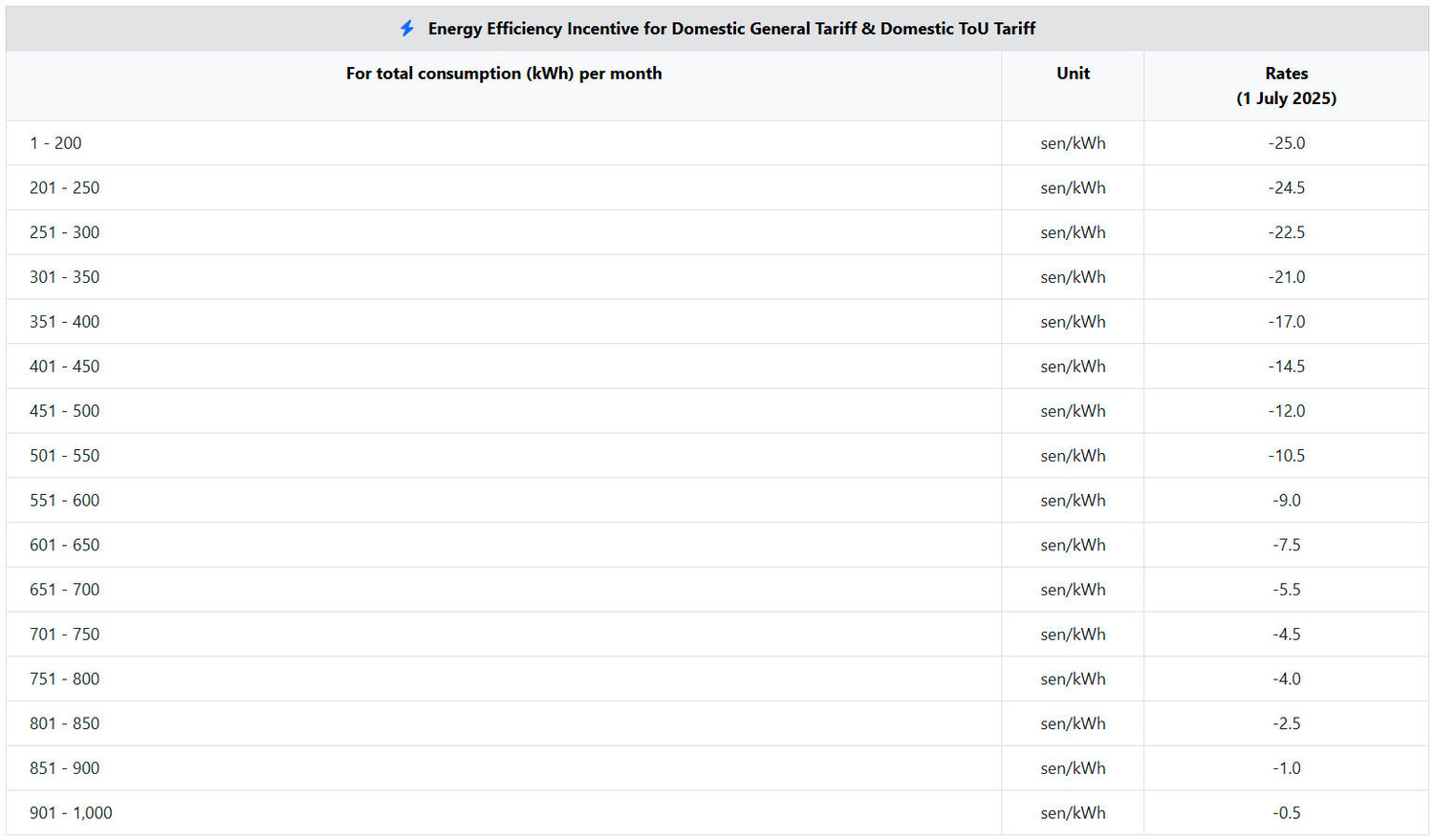
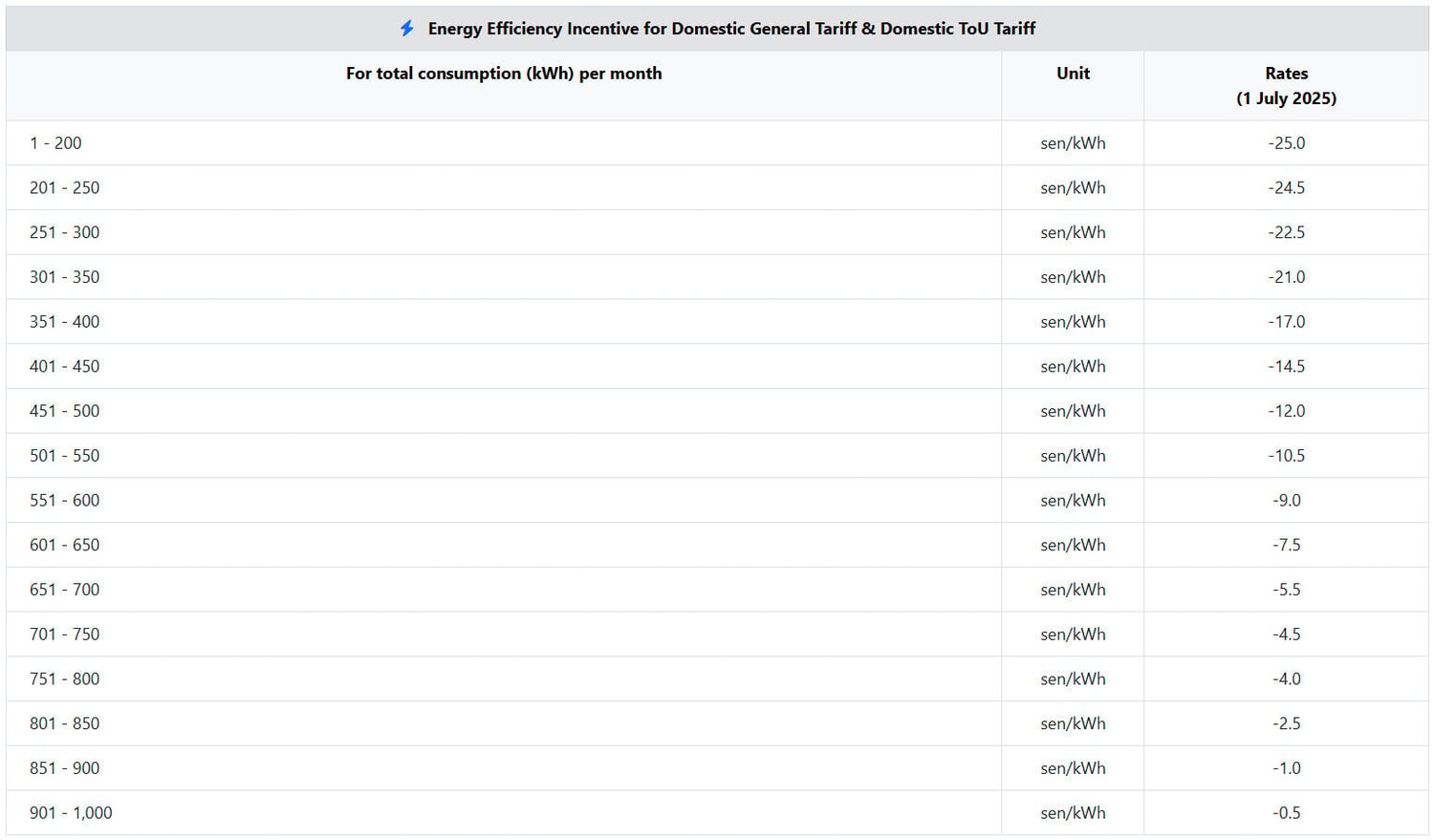
The energy transition and water transformation ministry (PETRA) and the Energy Commission (ST) are studying a tiered Automatic Fuel Adjustment (AFA) surcharge for 2027 based on the cost causation principle, where users bear the costs they cause. Deputy minister Datuk Seri Abdul Rahman Mohamad told the Dewan Rakyat today that the aim is to share out fuel costs more fairly while protecting domestic users and small and medium enterprises. He said the proposal hasn’t been finalised. Abdul Rahman was winding up the committee stage debate on PETRA’s Budget 2027 allocation, and was replying to Padang Serai MP Datuk Azman Nasrudin and Puchong MP Yeo Bee Yin. He also mentioned the tiered AFA on October 19, in answer to Pasir Mas MP Ahmad Fadhli Shaari. On October 27, deputy prime minister and PETRA minister Datuk Seri Fadillah Yusof said the study’s main aim is to protect consumers according to their category, which he said would be fairer and better targeted. Neither minister has said how the tiers would be set, whether by monthly usage, type of consumer or both. Until December 31, domestic users consuming 800 kWh or less a month are exempted from AFA, the RM10 retail charge and SST. Fadillah said this covers about eight million domestic accounts in Peninsular Malaysia, or 90% of the total. From January 1, 2027, the threshold goes back to 600 kWh unless the government extends the 800 kWh limit. Single Buyer’s latest outlook puts the AFA at +6.23 sen/kWh for January and +6.27 sen/kWh for February, up from +3.60 sen/kWh in November. Charging an EV at home Once a household goes over the threshold, it pays AFA on its entire month’s usage, plus the retail charge and SST. An EV that uses 15 kWh per 100 km and covers 1,500 km a month needs about 225 kWh, or around 250 kWh including charging losses. A household using 500 kWh a month goes to about 750 kWh once it adds an EV. It stays protected until December 31. From January, if the threshold reverts to 600 kWh and the AFA comes in at the projected +6.23 sen/kWh, the household would pay about RM46.73 in AFA plus the RM10 retail charge, before SST. A household already at 600 kWh goes to about 850 kWh, over the limit even now. At November’s +3.60 sen/kWh, it would pay RM30.60 in AFA plus RM10. At January’s projected rate, the AFA alone would be about RM52.96. AFA applies to TNB customers in Peninsular Malaysia. Tuaran MP Datuk Seri Panglima Madius Tangau said Sabah still uses the older Imbalance Cost Pass-Through (ICPT) mechanism. Its tariff went up to 39.7 sen/kWh earlier this year, he said. The 1,500 kWh threshold Merbok MP Mohd Nazri Abu Hassan raised a second threshold. The generation charge is 27.03 sen/kWh for households using 1,500 kWh or less a month. Above 1,500 kWh, the 37.03 sen/kWh rate applies to every unit used that month. He showed a November 2026 bill for 1,537 kWh with a generation charge of RM569.15. Had only the 37 kWh above 1,500 been charged at the higher rate, the charge would have been about RM419, or RM150 less. Mohd Nazri asked the ministry to get ST to apply the 37.03 sen/kWh rate only to usage above 1,500 kWh. He asked how many households benefit from the RM55 million electricity bill subsidy in PETRA’s budget, and whether it is enough. He pointed out that the 800 kWh protection only removes AFA, the retail charge and SST, while the energy rate stays the same. His other proposals were a yearly PETRA assessment of how tariffs affect household costs, TNB bill simulations comparing the two methods, and more protection for middle-income families with high usage. The deputy minister didn’t address his questions in the House. An EV can also push a bigger household over 1,500 kWh. Going from 1,300 kWh to 1,550 kWh raises the generation charge from RM351.39 to RM573.97, an increase of RM222.58 for the extra 250 kWh. In generation charge alone, that works out to about 89 sen per kWh. Power demand and data centres Citing Grid System Operator records, Yeo said the effective reserve margin in Peninsular Malaysia fell to about 13% on June 8, when the EDRA power plant in Melaka was down for scheduled maintenance. She estimates the reserve margin is now 23 to 24%, the lowest in 10 or perhaps 15 years. Large data centres already account for about 7% of electricity use in Peninsular Malaysia, and Yeo said this will rise to 30% by 2035. EVs, electric public transport and factories switching to electricity will also add to demand. She backed ST’s plan for a separate wholesale electricity market for large users, including data centres, by 2029 to 2030. Until then, she wants ST to leave coal out of the base load calculation used to set data centres’ base tariff, so that ordinary consumers get the full benefit of cheaper coal-fired generation. Yeo said leasing companies for battery energy storage systems (BESS) can’t claim the Green Investment Tax Allowance (GITA), even though leasing is a more practical option for factories without a big upfront budget. She also asked ST to resume publishing reports from the electricity supply and tariff planning and implementation committee (JPPPET). When she was the minister in charge of energy, it was decided that the reports would come out every year, but the last one was released in 2021, she said. Kapar MP Dr Halimah Ali said a data centre covering nearly 2,000 acres is planned in her constituency. She asked how many MW it would need, whether TNB has to build new substations and upgrade the grid, and what guarantee residents and existing industries have on tariffs and supply. According to Madius, data centre investors are now looking at Sabah, where the reserve margin is about 20%. Sabah regulates its own electricity supply, and he asked how federal and state policies on data centres are coordinated. In reply, Abdul Rahman said the JPPPET met on November 11 and projected a reserve margin of 24 to 27% for 2027 to 2035. Demand control for energy-intensive users, including data centres, has been identified as a mitigation measure. To keep data centre costs from being passed on to domestic users, the connected load charge (CLC) was revised to cut excessive capacity bookings. Data centres connected at above 50 kV have been on the ultra-high voltage tariff since July 1, 2025. He said he had noted Yeo’s request for JPPPET reports to be made public. Rooftop solar rebates Azman said higher commercial and industrial electricity costs end up in the prices of goods and services, and asked for PETRA’s medium and long-term plan to keep tariffs stable. He also proposed direct cash rebates or matching grants for B40 and M40 households to install rooftop solar, which he said only the T20 can currently afford. Abdul Rahman pointed to the SuRIA Home programme, which gives a rebate of RM600 per kW, up to RM3,000 for a 5 kW system. He said PETRA has noted the proposal to extend the rebate into 2027. SuRIA Home has a RM150 million allocation and targets 45,000 to 50,000 homes, up to a 250 MW quota. As of September 15, 12,374 households had received RM36.2 million in rebates, Fadillah told the Dewan Rakyat on November 11. He said RM90 million is still available, and that approved applicants will still get the rebate if their installation is completed by March 2027.

 Liked by Annabelle Hall, Kaitlyn Wilson
 Liked by Annabelle Hall, Kaitlyn Wilson