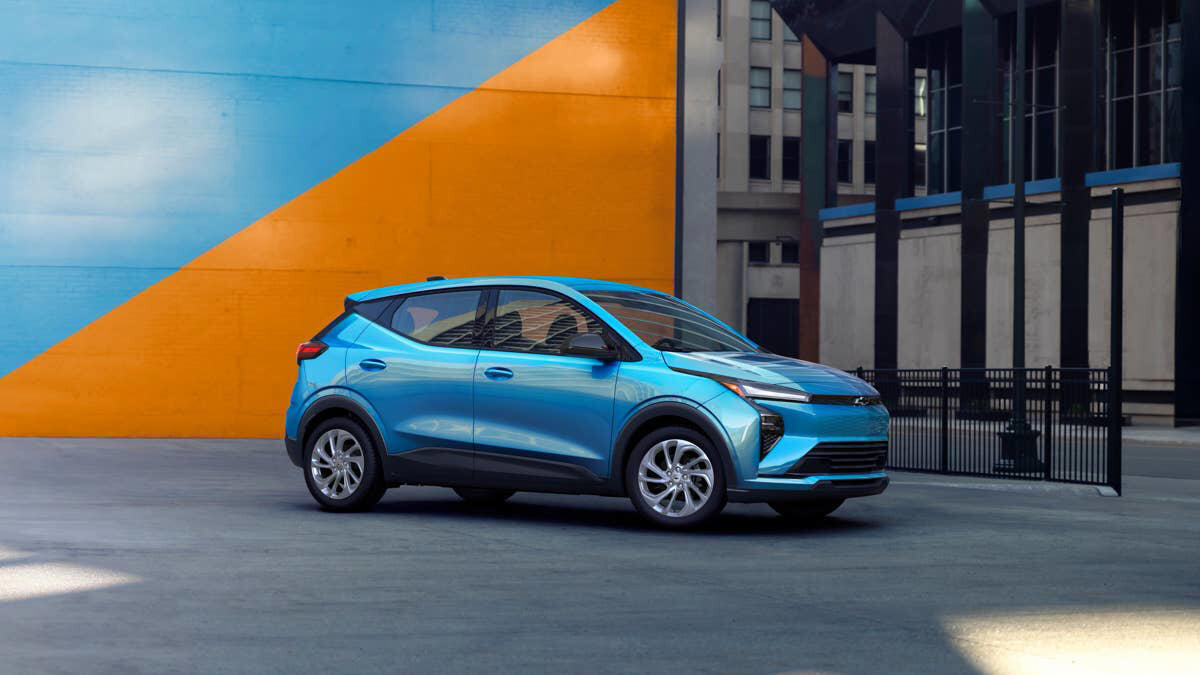
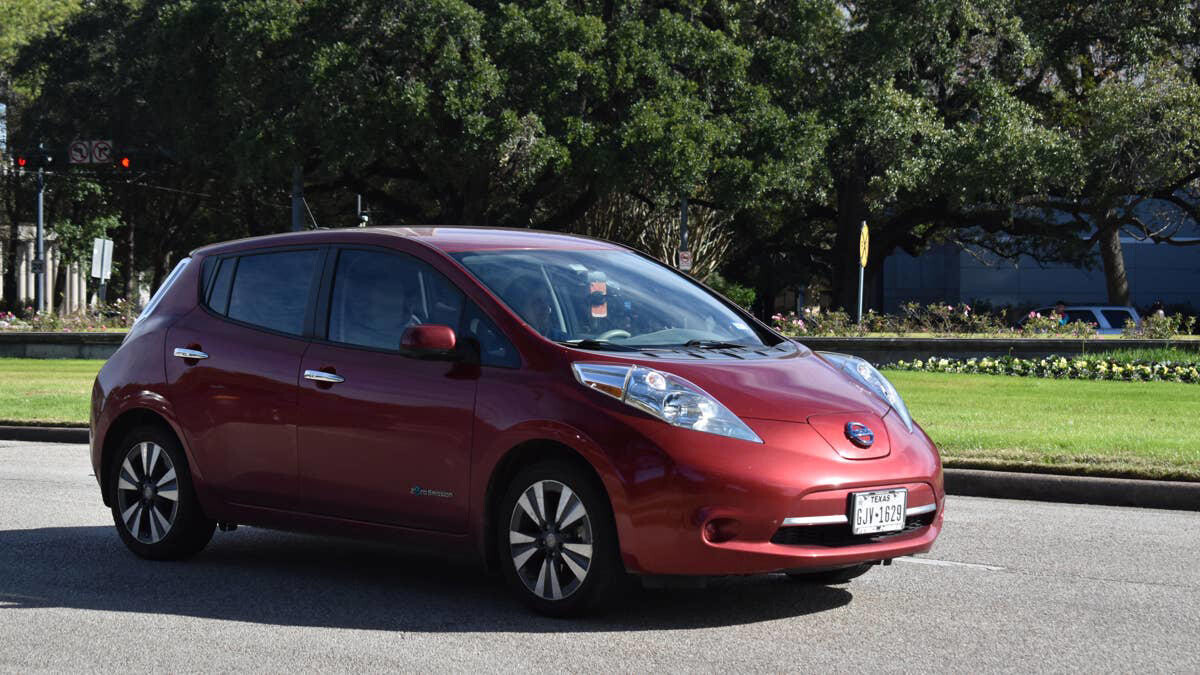
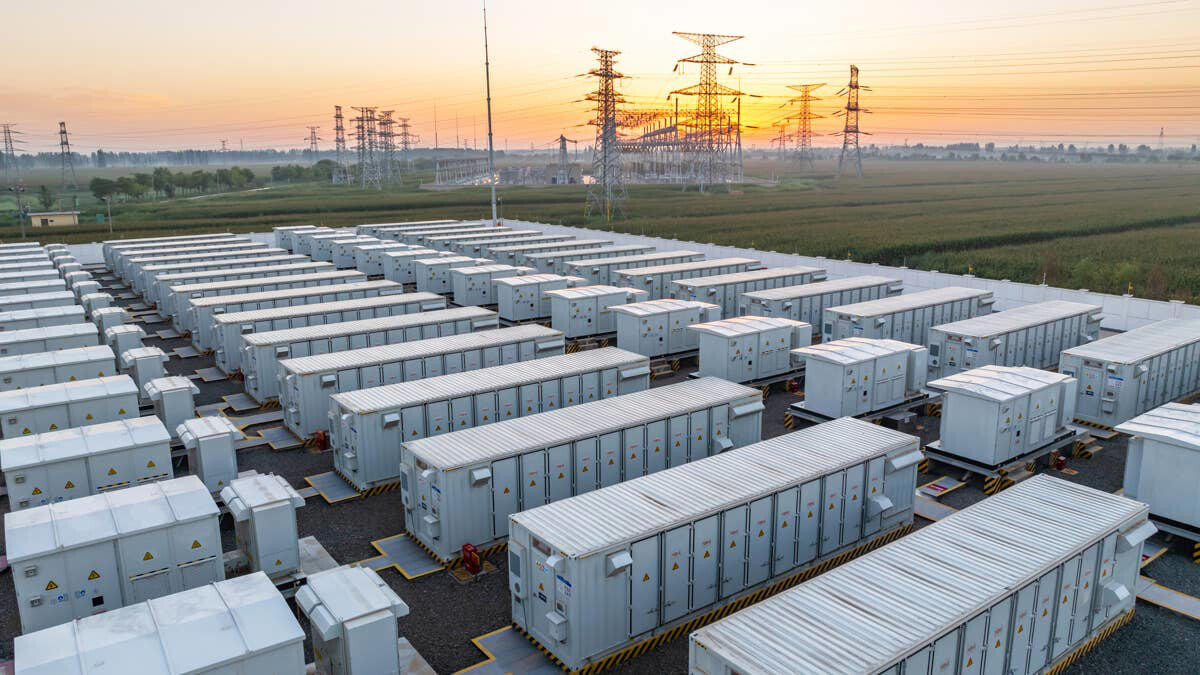
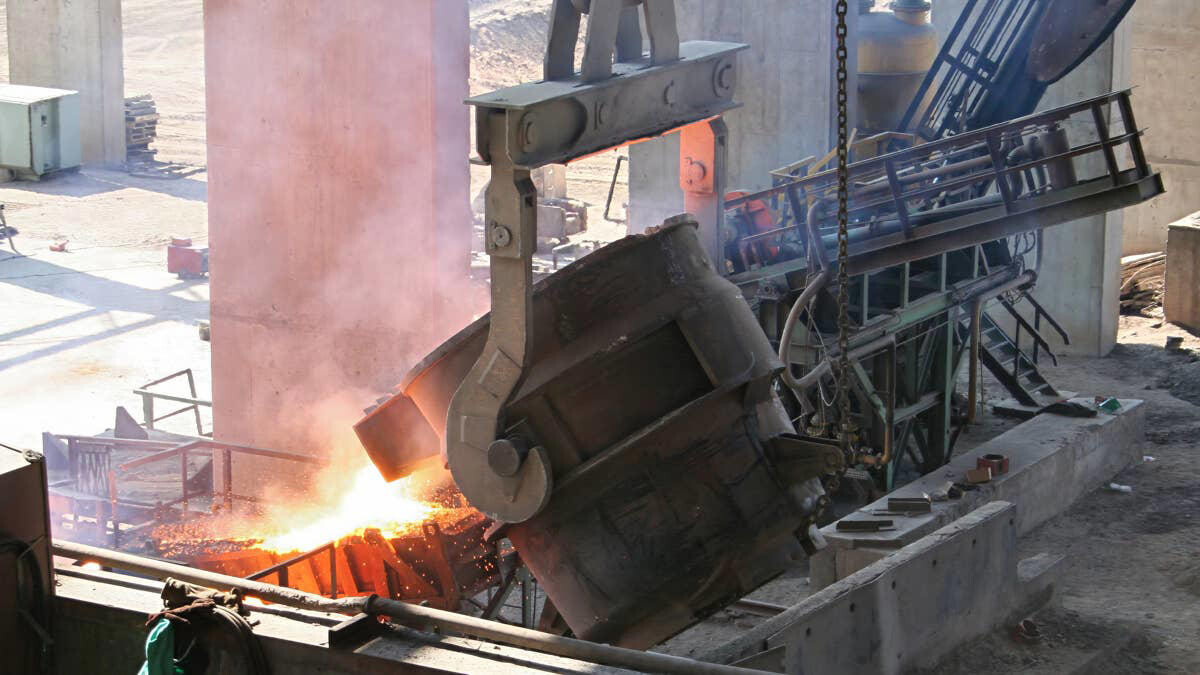
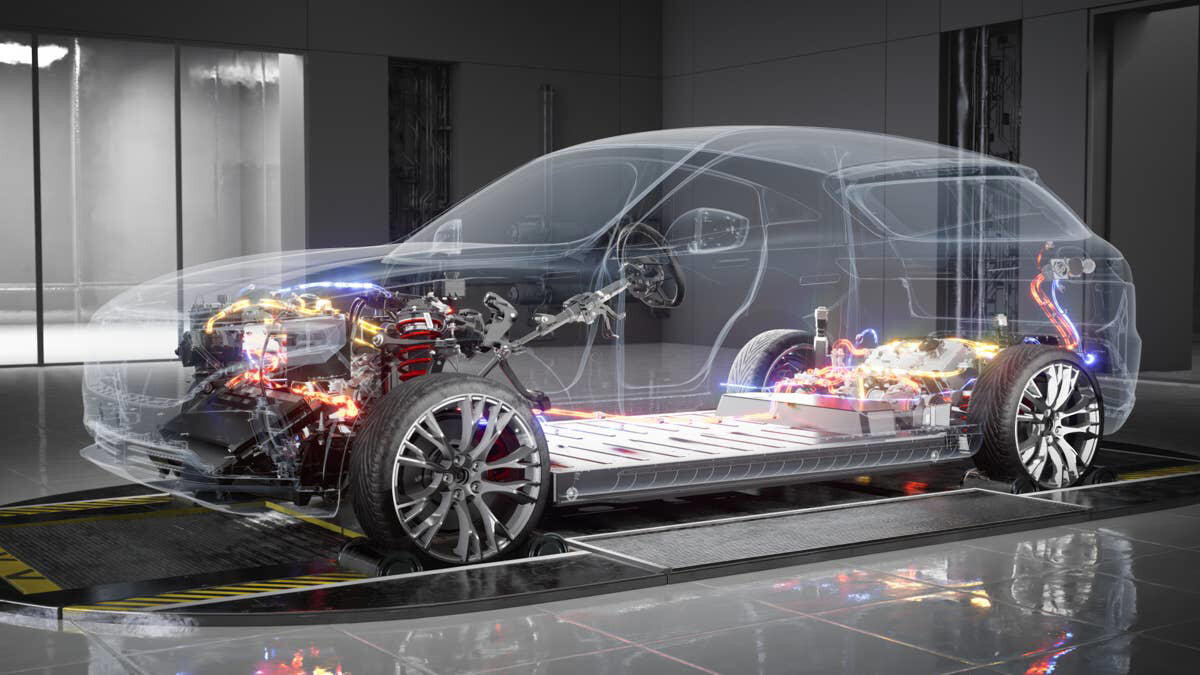
High-voltage batteries are arguably both the most expensive and important component of modern EVs. Not only do they determine how far a vehicle can travel, but they play a role in acceleration as well. Like in smartphones and laptops, EV batteries gradually see their capacity degrade over time. As a result, they inevitably reach the end of their automotive life and need to be replaced in order for an EV to remain viable for daily driving. Depending on its condition, a retired battery may be able to live on once its time powering an EV is over. The useful life of EV batteries While EV battery degradation is certainly a point of contention for many consumers, fewer and fewer batteries need to be replaced with each passing year. According to a study by Recurrent, the EVs with the highest battery replacement rates stem from the first generation. As of 2023, just 0.1% of all EVs needed their battery replaced due to failure, down from 7.5% in 2011. Per the U.S. Department of Energy, modern EV batteries can last approximately 12 to 15 years or around 100,00 to 200,000 miles. Notably, an EV battery’s actual longevity depends on multiple factors, including climate, driving conditions, charging habits, and the vehicle’s own battery management system. Naturally, there are some outliers when it comes to high-mileage EVs running on the original battery. For example, a 2016 Tesla Model S airport taxi in England surpassed 575,000 miles on its factory battery. Real-world commercial and long-distance testing has shown the Hyundai Ioniq 5 surpassing 410,000 miles on its original battery pack. As manufacturers continue to refine EV batteries, odds are that kind of mileage will soon become the norm rather than an uncommon find. EV batteries as energy storage Once an EV battery reaches the point of degradation where it’s no longer suitable for daily driving, it can often find a second life as a part of an energy storage system. A battery used to store energy in a building, for example, needs to be neither lightweight nor capable of delivering the same output required to power an EV. It simply needs to be able to store electricity safely. Renewable energy sources, such as wind turbines and solar panels, don’t generate electricity consistently, necessitating the need for a reliable way to store electricity. Retired EV batteries capable of storing electricity for when the need arises could help bridge the gap. Second-life batteries could also support large electrical grids as utility companies rely on storage systems in order to balance supply and demand. Unfortunately, repurposing EVs isn’t as simple as removing the battery pack and hooking it up to its new source of electricity. Each battery has to undergo extensive testing to determine its overall condition, remaining capacity, and whether it can still operate safely. On top of that, additional components, like cooling systems and safety mechanisms, might be required in order to make a retired battery viable in other applications. EV battery recycling When a battery reaches the end of its useful lifespan and can’t be repurposed, it can still be recycled in order to recover valuable materials, like lithium, nickel, and cobalt, for use in new batteries. Once a battery reaches the end of its life, it’s sent to a specialized facility where it undergoes examination. Depending on its condition, batteries could be dismantled into individual modules or processed as a complete pack. There are two primary methods of recovering the battery’s valuable materials, pyrometallurgy and hydrometallurgy. The former is a heat-based process that utilizes high temperatures in specialized furnaces to process different types of battery materials. Pyrometallurgy isn’t without its downsides, though. It’s an energy-intensive process, creates emissions, and could result in the loss of some valuable materials. Hydrometallurgy uses chemical solutions to dissolve and separate valuable material. After the battery is mechanically processed, it’s treated with acids that help extract metals from the mixture. While hydrometallurgy can recover a wider range of materials and doesn’t use much energy, it requires extra safety precautions and produces residue that has to be handled separately. While not a widely used battery recycling method, direct recycling is an emerging method that attempts to preserve and restore the structure of battery components. While it requires less energy and processing, direct recycling is far from commercially established due to the varying battery chemistries and the processing methods they require. Currently, recycling old batteries isn’t sufficient enough to meet the industry’s material requirements. According to the International Energy Agency, that won’t be the case until around the mid-2030s. As EVs age and leave the road, the volume of recycled batteries will increase substantially, paving the way for a more robust recycling industry. The future of EV battery replacement Historically speaking, replacing a high-voltage EV battery has been an expensive undertaking. In some cases, replacing the battery can make purchasing a new vehicle seem like a more financially attractive option. On the bright side, the future of battery replacement could look much different as technology advances and manufacturers refine their designs. Rather than replacing a full battery pack, automakers could replace a damaged or defective portion. Many battery packs are made up of multiple modules with interconnected cells, and replacing a part of the battery could dramatically reduce repair costs. Unfortunately, not all batteries share the same design. In structural battery designs, for example, the battery is built into the vehicle’s structure. As a result, they weigh less and offer improved efficiency, but are more difficult to repair. Modern battery management systems monitor crucial statistics, including temperature, voltage, and charging technicians. As the software improves, technicians should be able to identify problems before the entire battery pack needs replaced. In the same vein, standardizing battery health assessments and diagnostics could make it easier to evaluate the condition of a battery in used EVs. As it currently stands, most EV battery repairs and replacements are done by the manufacturer via an authorized service center, usually a dealership. As EVs gain more market share, there’s the likely possibility that independent shops will begin offering aftermarket EV battery repairs. That repairability would make EVs more viable for a wider consumer base. Final thoughts While an EV battery may be at the end of its useful life, it still has plenty of potential as stationary power storage. Once it can’t be used effectively, recycling facilities can recover most of the valuable materials for use in new battery production. As EVs become more common, finding ways to reuse, repair, and recycle batteries will become an essential part of the automotive industry. EV battery recycling faces no shortage of challenges, but the industry is gradually developing new ways to preserve more crucial materials, effectively paving the way for a more sustainable future.

 Liked by Madeleine Bouchard, Morgan Tremblay















 Liked by Madeleine Bouchard, Morgan Tremblay


