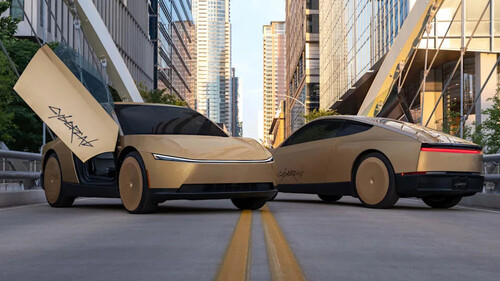
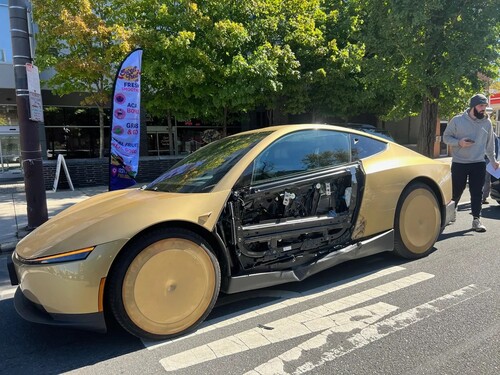
Jacob Côté · 1 months ago@jacobcote275The Tesla Cybercab Has No Brake Lines Or Brake Fluid. Here’s How It Stops Liked by+59 othersPost commentRelated PostsSelf-Driving Tech Was Supposed To Be Safer, Experts Say It May Bring More RisksVictoria Moreau · 17 days agoStudy Finds Many New Cars Share Your Data With Third-Party CompaniesAdam Turner · 13 days agoTesla Owes NHTSA 21 Cybercab Answers Today. Zoox’s Version Took Three Years. 73 · Evan Leblanc · 24 days agoAll the Great Car Names Have Been TakenAva Labelle · 13 days agoTesla Robotaxi fleets are the new crypto treasury for zombie companies 79 · Kaitlyn Anderson · 24 days agoBack in the real world: electric equipment is saving job sites BIG MONEYMia Walker · 13 days agoIs This the High-Tech Software That Will Greet Us in the Tesla Cybercab? 44 · Amelia Lavoie · 26 days agoAs electric semi truck race heats up, SoCal is getting another charging hubAudrey Wilson · 13 days agoTesla's Cybercab just turned 2021 to 2024 Model 3 and Model Y into used bargains with a catch 63 · Lucas Campbell · 29 days agoTesla owner drove 1,857 miles in 31 days, says charging cost $136 and saved $235 on gasClaire Fortin · 13 days agoTesla Cybercab Enters Production: Key Suppliers Behind the Purpose-Built Robotaxi 90 · Jackson Fortin · 1 months ago6 New Cars With Payments That Cost Less Than $500 Per MonthOliver Lewis · 14 days agoHuge Number of Tesla Robotaxis Spotted and Ready To Be Used in Texas 77 · Morgan Lavoie · 1 months agoIn the US, new Tesla Model 3 and Model Y orders can now back up a home during outagesLiam Girard · 14 days agoTesla’s Cybercab Has No Steering Wheel or Pedals Which Creates a Big Problem for First Responders 85 · Mia Pelletier · 1 months agoKia Bets the $30,000 EV3 Becomes Its Top U.S. SellerJenna Carter · 14 days agoFord, Jeep, And Toyota Are All Recalling Cars, And Tesla Just Picked Up Another Federal Probe 63 · Emily Morgan · 1 months agoThe GAC Aion V Looks Odd But Is Incredible Value | ReviewAudrey Nelson · 14 days agoDon't Stand in the Blind Spot of the Tesla Cybercab, You Might Get Bumped 77 · Caleb Lavoie · 1 months agoHonda Is Burying 150-kW Wireless Chargers Under Japanese Highways, and Big Rigs Are the TargetKaitlyn Moreau · 14 days ago




 +59 others