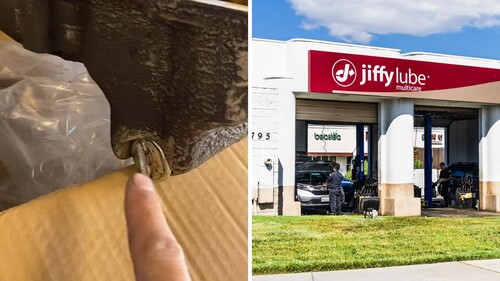
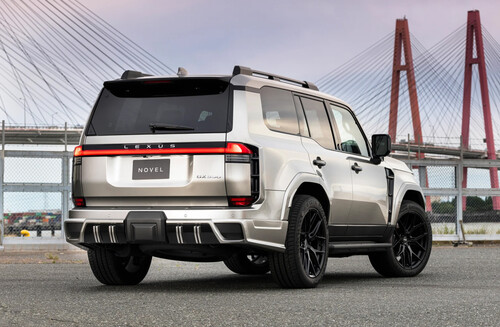
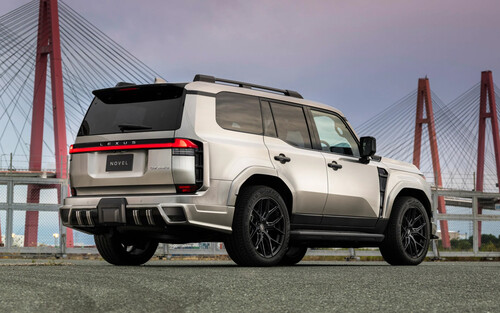
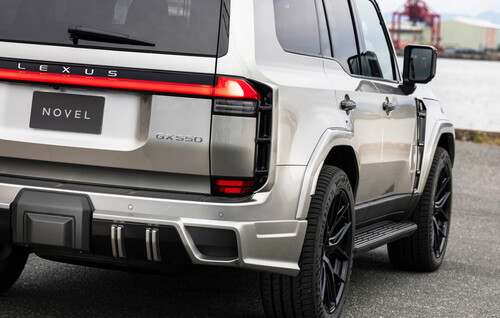
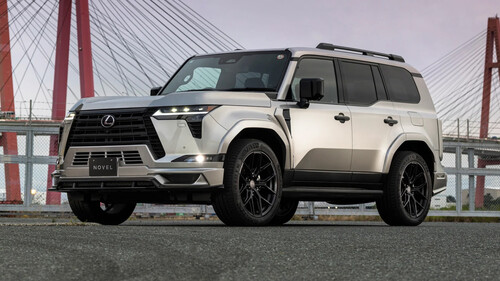
Oliver Lavoie · 4 months ago@oliverlavoie24The man with the ultimate need for speed Liked by+8 othersPost commentRelated Posts‘Nor Does O'Reilly': Man Shops At AutoZone For Brake Pads. That He Realizes They No Longer Carry What He Needs 46 · Abigail Lewis · 6 months ago‘Mechanik Skill Unlocked’: Man Needs A Torx Bit To Fix A Car. Then He Uses A Simple Trick To Figure Out Which Size 80 · Benjamin Hill · 7 months agoDealership Quotes Man $1,400 To Fix His Nissan. The Mobile Mechanic Learns He Only Needs 2 Things 75 · Owen Hall · 7 months agoMan Buys Toyota Prius. Then He Adds Pulse Jet Power: ‘Something Everyone Needs’ 77 · Zoë Mitchell · 8 months ago'Someone Needs To Fix It': O’reilly Worker Measures Man’s Rotors. Then They Refuse To Undo Mistake—And Refer Him To Store Website 11 · Parker Labelle · 8 months agoShop Tells Man He Needs A New Engine When They Hear A Knock. Then A Trusted Local Mechanic Uses A Stethoscope 96 · Carter Bouchard · 8 months agoMan Needs To Haul His Boat But He Doesn’t Have A Truck. So He Tries Something Unexpected: 'It’s Stupid But It Works' 34 · Justin Martin · 9 months agoMan Buys Chevrolet Truck Online from Dealership for $36K Without Seeing It. So Who's Responsible for the $6K in Repairs It Needs? 68 · Abigail Hill · 10 months agoMan Buys Chevrolet Silverado. First the DPF Goes Out. Then the Engine Needs To Be Replaced. Now the Brakes Are Out. What Gives? 87 · Matthew Poirier · 10 months ago'Is That Your Audi?’: Man Gets Hired at Discount Tire. Then He Immediately Needs the Employee Discount to Replace His Bald Tires 55 · Ava Bouchard · 10 months ago'The Most American Thing I’ve Ever Seen:' Man Pays $75 at a Pick-n-Pull. Then He Picks Up the Car 'Part' He Needs 61 · Mia Harris · 10 months ago‘Wasn’t Ready to Hear That:' Man Asks Mechanic What Needs Replaced on His Car. Then the Mechanic Responds 33 · Caleb King · 11 months ago'I Need To Pay Him $6,000': Police, Insurance Rule In Favor Of This Man After Crash. Then the Other Driver Refuses Responsibility 38 · Morgan Moreau · 11 months ago‘Jiffy Lube, This Is OK?:’ Man Gets Oil Change at Jiffy Lube. Now He Needs A New Oil Pan 39 · Nicole Campbell · 11 months ago'He Definitely Got Scolded:' Man Needed Parts When the Bridge was Closed. Then an O’Reilly Worker Shows Up 79 · Ella Fortin · 1 years ago'Cheaper to Total the Car:' Man With a 2015 BMW Needs a New Key. Then He Finds Out How Much They Are Now 95 · Jackson Hill · 1 years ago'Definitely Needed This:' Kentucky Man Discovers Car Headlights Are Foggy. Then He Uses Little-Known Trick With Household Items 12 · Ethan Morgan · 1 years ago'It Works!': North Carolina Man Reveals a Secret Lexus Hack You Didn’t Know You Needed 61 · Daniel Nelson · 1 years agoThe Ultimate DeWalt Tool Sale List for Amazon Prime Big Deal DaysGabriel Anderson · 18 days agoThis Might Be The Ultimate Lexus GX 550Chloé Smith · 19 days ago




 +8 others