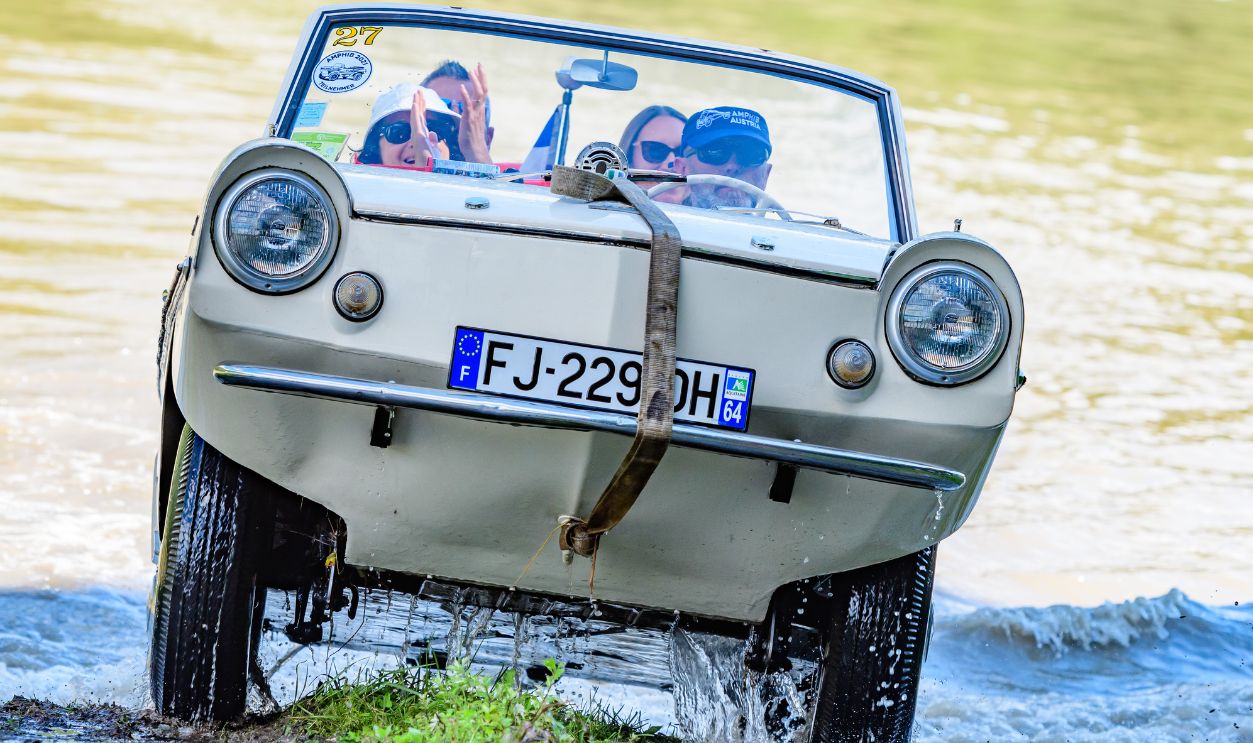
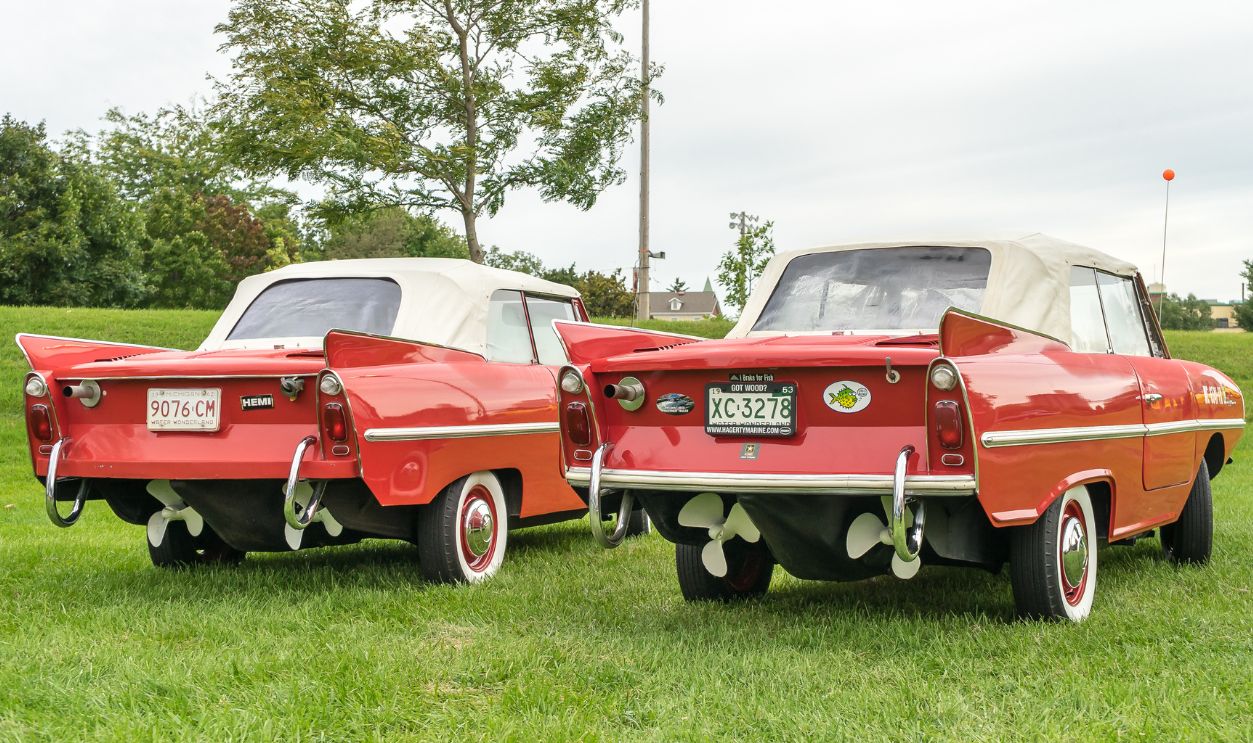
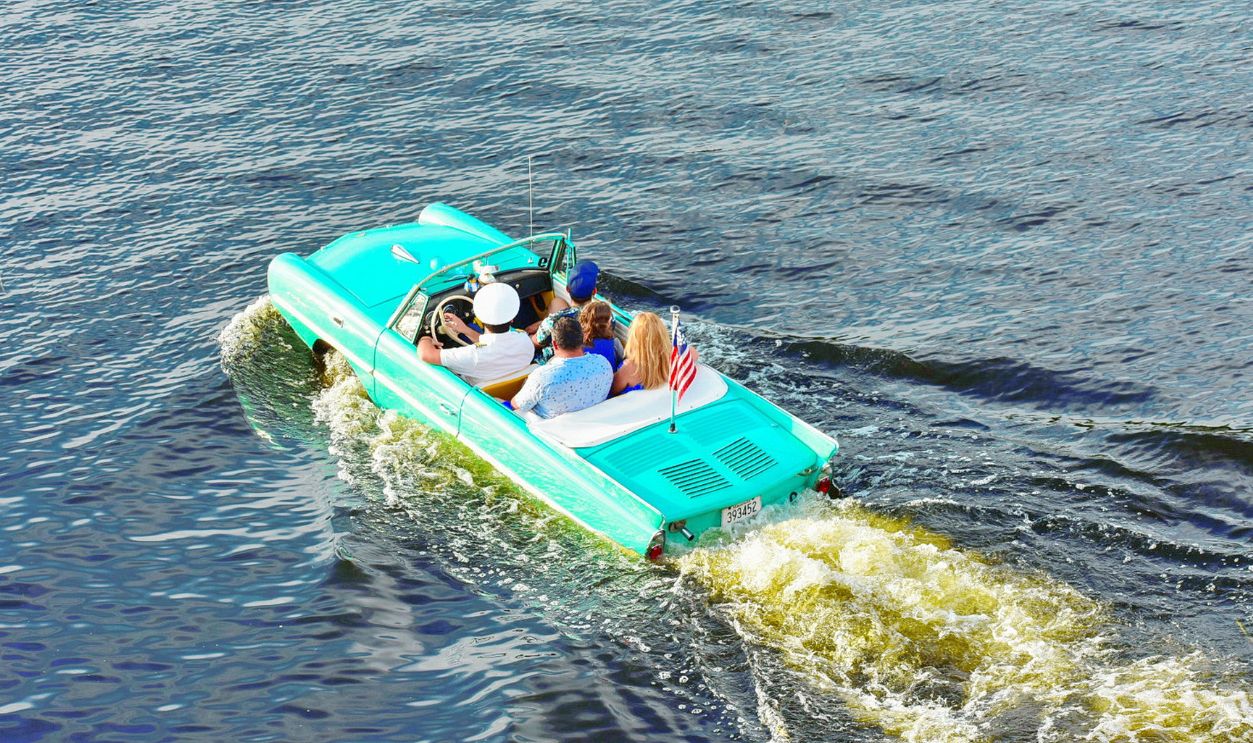
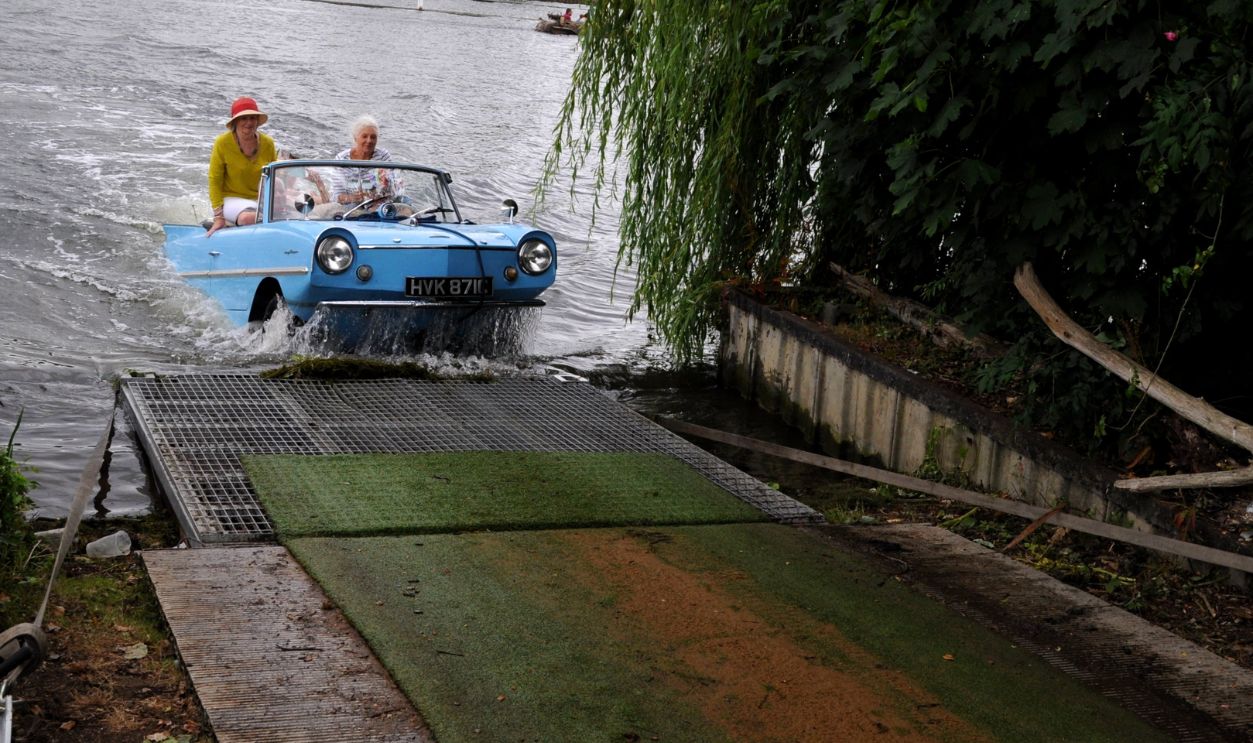
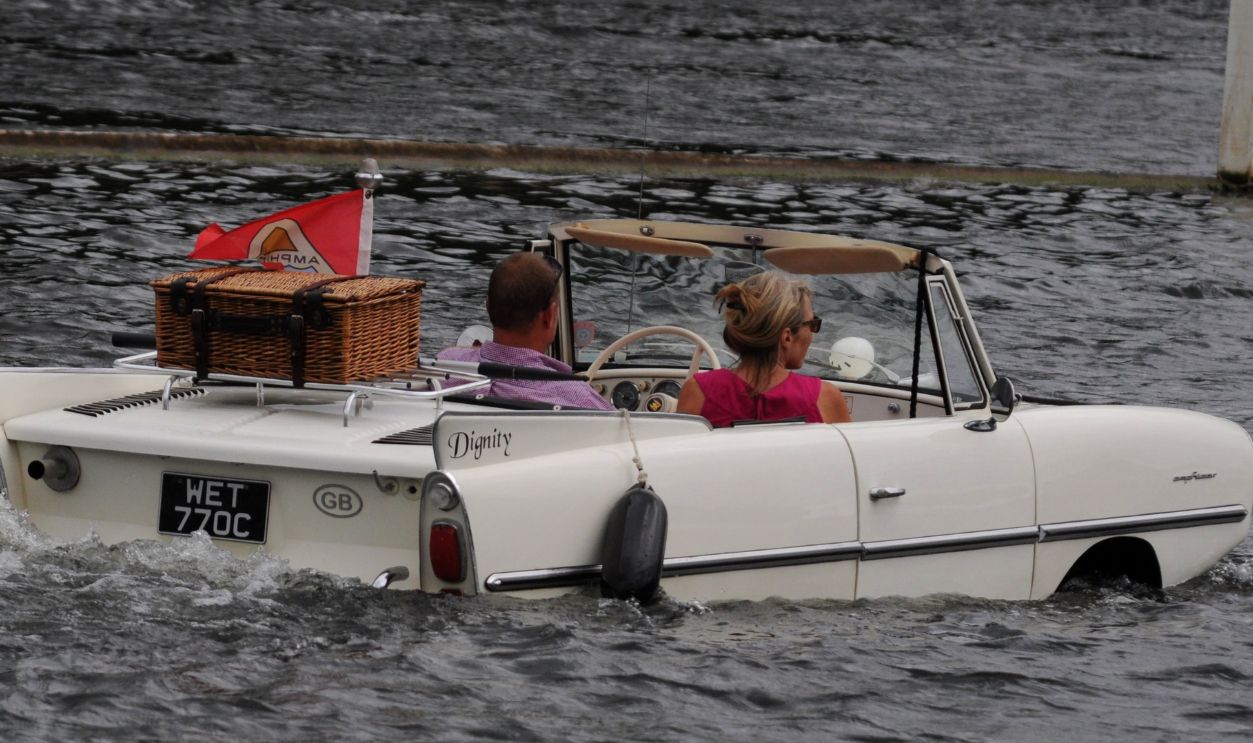
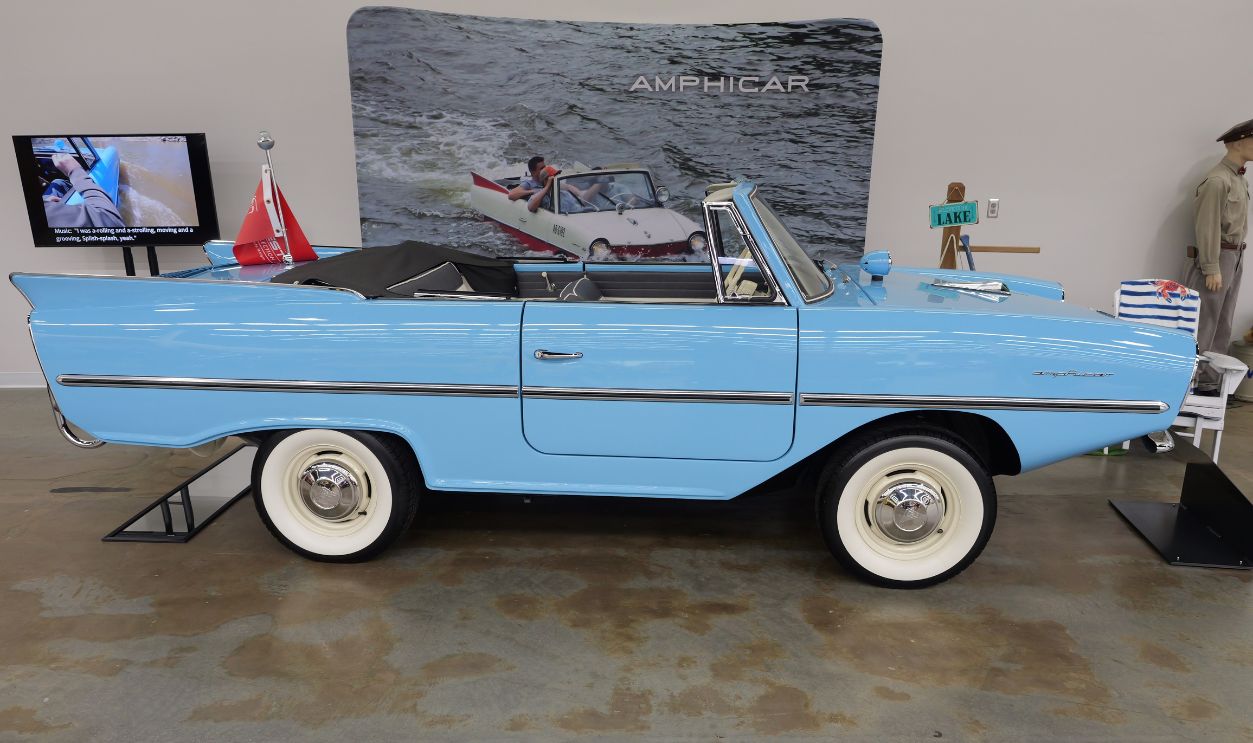
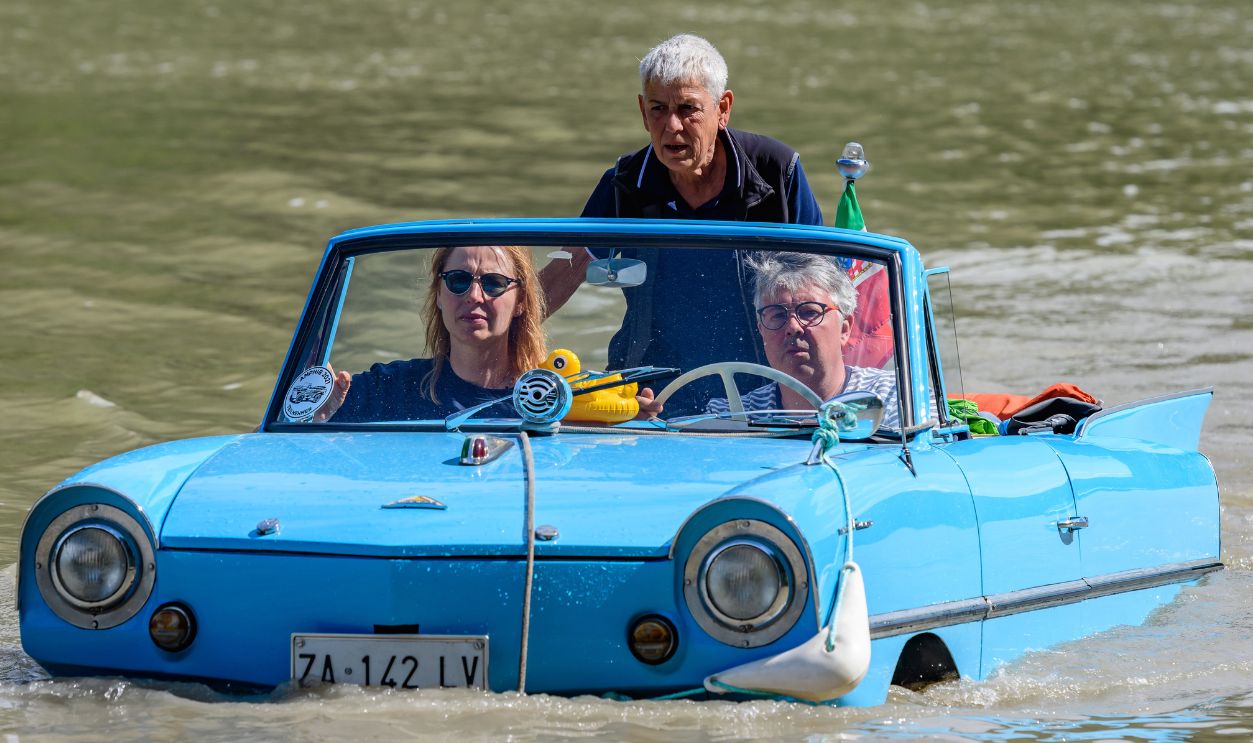
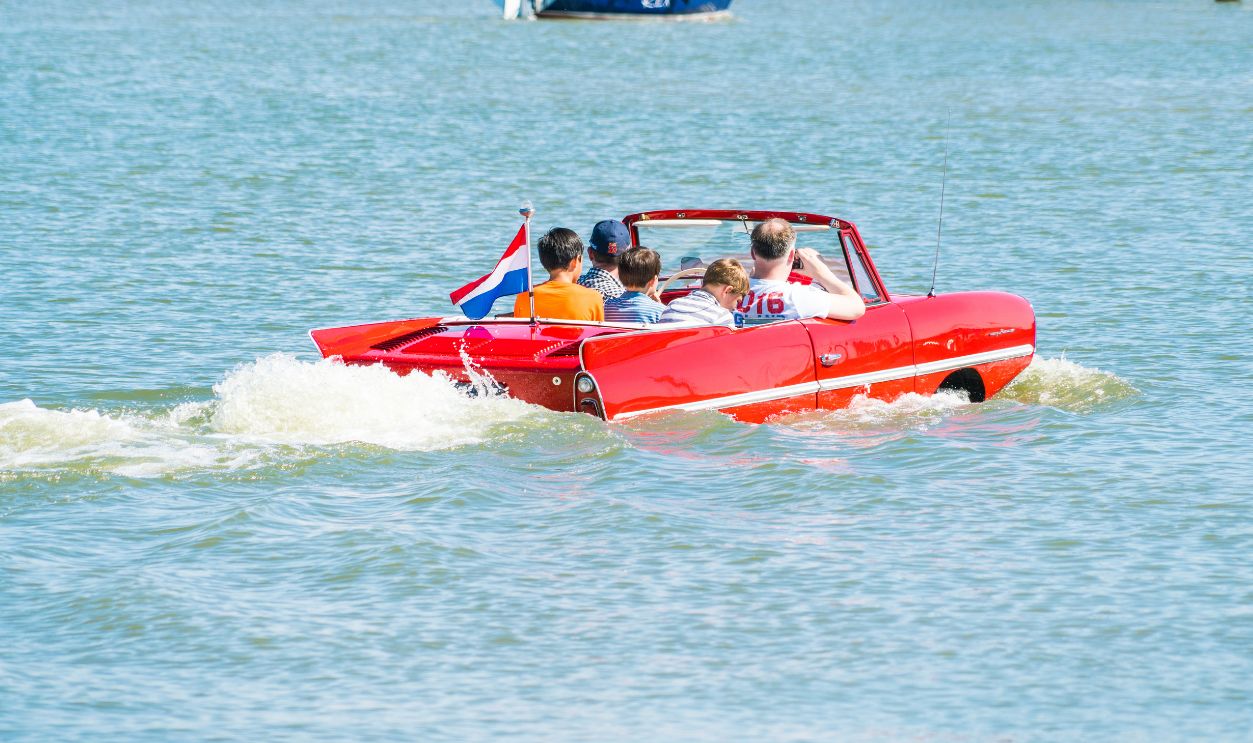
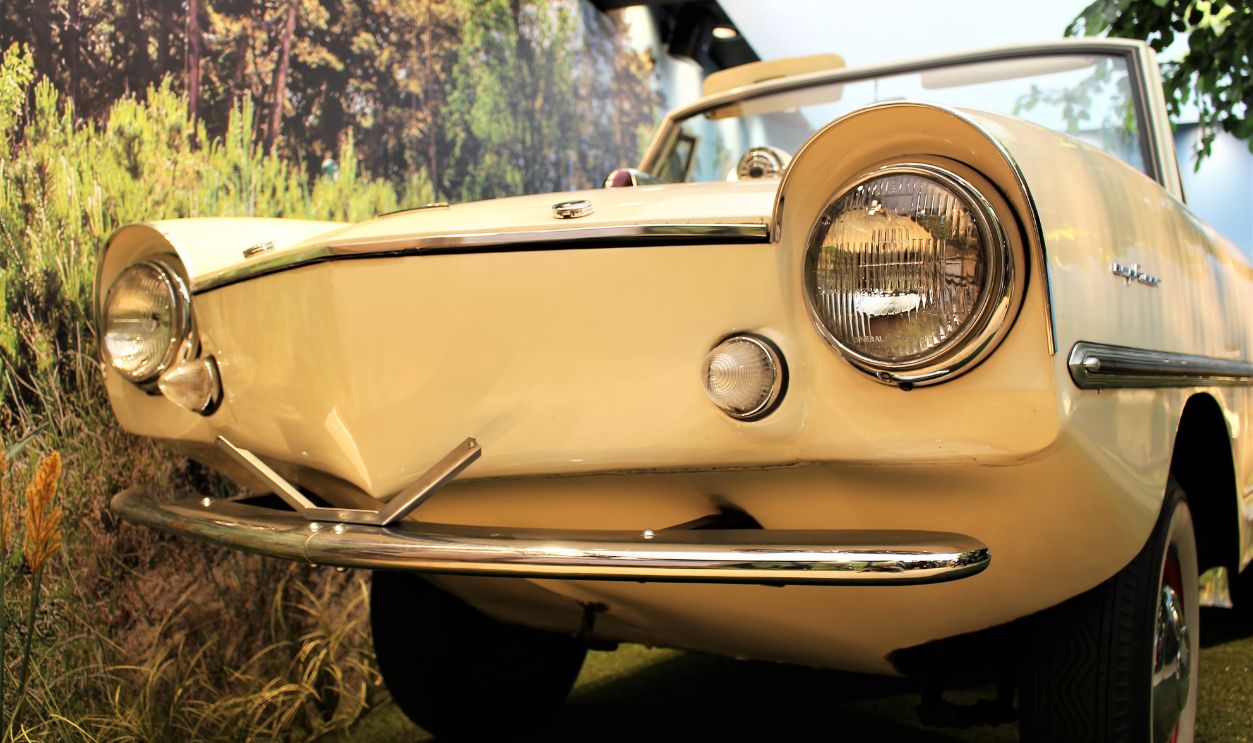
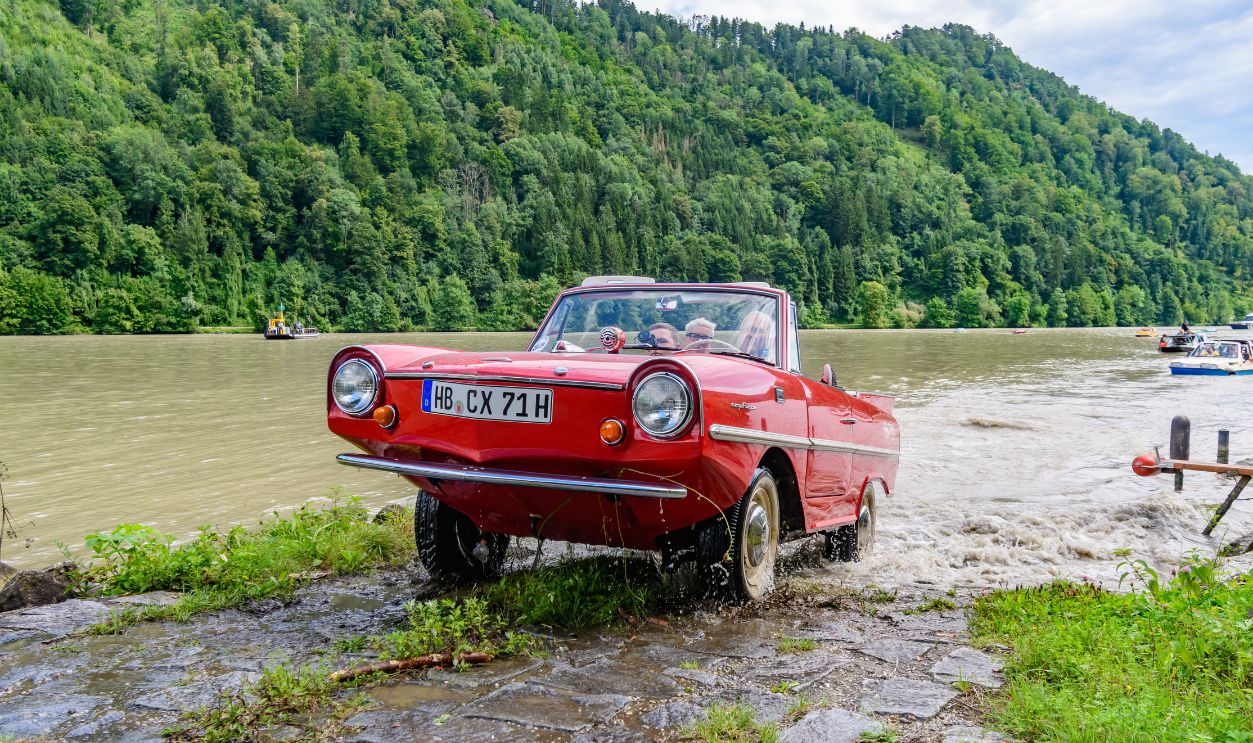
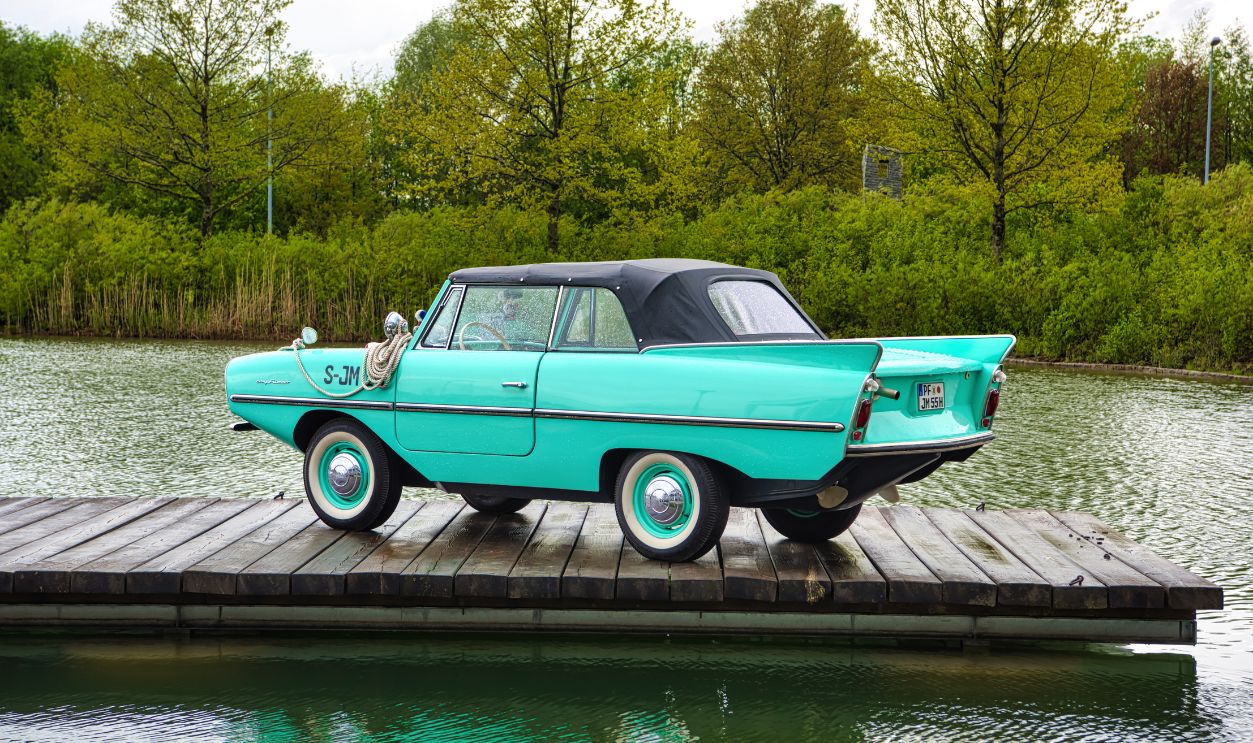
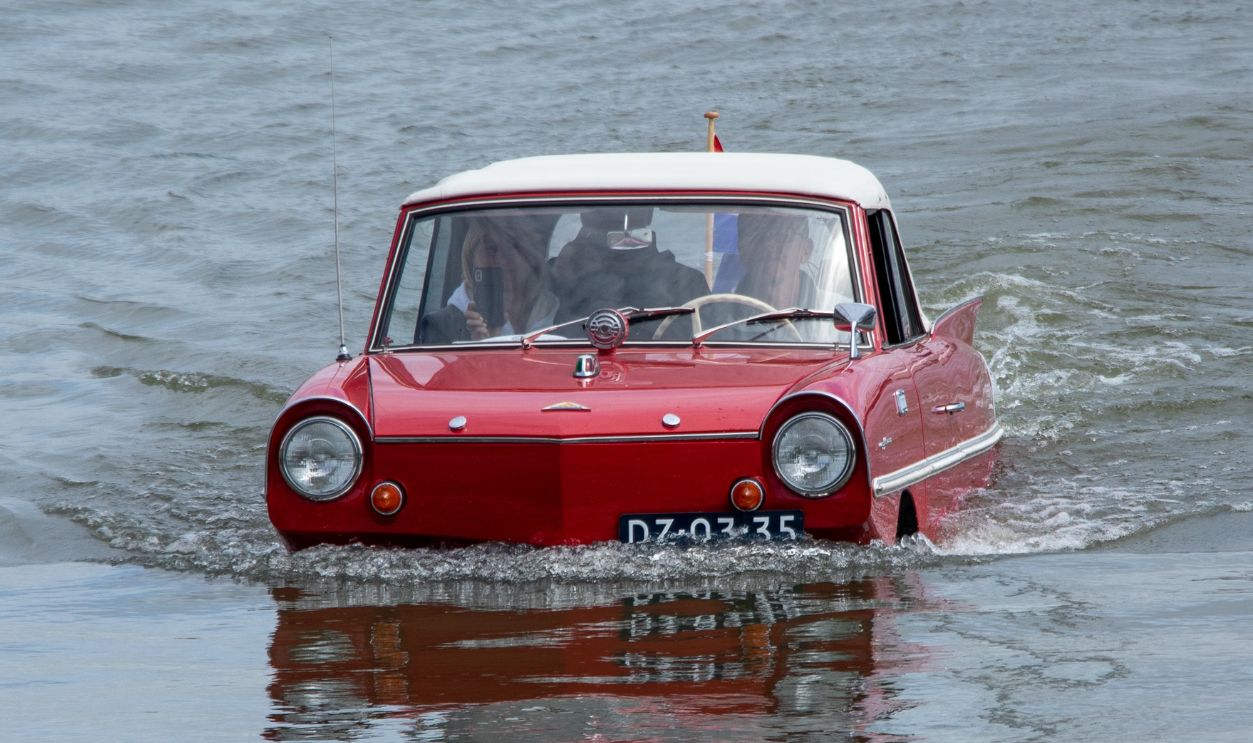
The Car That Thought It Was A Boat Imagine cruising down an American highway in the 1960s, spotting a lake, and driving straight into it. No trailer, no boat, no problem. That was the promise of the Amphicar, a remarkable little convertible that could swim. Unfortunately, its future wasn't quite so bright. A Dream That Started In Germany The Amphicar was the brainchild of German engineer Hans Trippel, who had spent decades experimenting with amphibious vehicles. He believed ordinary motorists would love a car that could travel on both land and water. His ambition was to make that unusual combination practical for everyday drivers. This Wasn't His First Attempt Trippel had been developing amphibious vehicles since the 1930s, including machines built for military use during World War II. After the war, he turned his attention toward civilians. Instead of a rugged military machine, he imagined something families could enjoy on weekend outings. The First Prototype Appeared In 1959 In 1959, Trippel unveiled an amphibious prototype called the Eurocar Alligator at the Geneva Motor Show. It wasn't ready for mass production, but the basic idea was there. With further engineering and a different engine, it would eventually evolve into the Amphicar. The Amphicar Made Its Big Debut The Amphicar Model 770 made its public debut in 1961, including an appearance at the New York Auto Show. Built in West Germany, it arrived during an era when Americans were fascinated by futuristic technology. A convertible that doubled as a motorboat certainly fit the mood. It Looked Like Something From The Future The Amphicar had rounded headlights, prominent tailfins, and a cheerful little convertible body. It looked somewhat like a conventional European economy car, only taller. Those unusual proportions weren't just styling choices. The body needed enough clearance and buoyancy to float. It Came In Four Classic Colors Buyers could choose Beach Sand White, Regatta Red, Lagoon Blue, or Fjord Green. Every Amphicar was a convertible, making it particularly appealing for sunny afternoons. Imagine pulling up alongside a lake, lowering the roof, and telling your passengers you were going for a swim. The Engine Came From Britain Underneath its distinctive bodywork sat a rear-mounted, 1,147cc four-cylinder engine borrowed from the Triumph Herald. Producing approximately 43 horsepower, it wasn't exactly muscle-car material. Still, the engine was compact and economical, two useful qualities for a vehicle expected to float. The Name Revealed Its Performance The Amphicar's official designation was Model 770. The numbers represented its advertised capabilities: seven miles per hour on water and 70 miles per hour on land. Those figures sounded reasonable enough, although neither would impress someone accustomed to speedboats or powerful American V8s. It Actually Had Two Propellers The Amphicar wasn't simply a regular car with a waterproof body. Two nylon propellers beneath the rear end pushed it through the water. A special transmission allowed the driver to select propulsion for the road or water, or use both together. Steering Was Surprisingly Simple Here's where things got interesting. Instead of a traditional boat rudder, the Amphicar used its front wheels to steer through the water. Turning the steering wheel changed their direction, allowing the car to make gradual turns. It worked, although nobody would mistake it for a speedboat. Driving Into A Lake Was Part Of The Fun Owners could approach a suitable boat ramp, prepare the vehicle for water entry, and drive directly into the lake. Once afloat, they could engage the propellers and cruise away. Spectators probably had to look twice. After all, cars weren't supposed to leave the road intentionally. The Doors Needed Special Attention Before entering the water, drivers had to secure the Amphicar's doors using special watertight locks. Rubber seals helped keep water outside the passenger compartment. Forgetting those precautions could lead to an unpleasant surprise, especially considering the entire body was surrounded by water. Even President Johnson Owned One President Lyndon B. Johnson famously owned an Amphicar at his Texas ranch. According to accounts of his practical jokes, he enjoyed frightening unsuspecting passengers by driving toward the water while pretending the brakes had failed. The passengers didn't necessarily know their automobile could float. It Even Crossed The English Channel The Amphicar wasn't restricted to sheltered lakes. In 1965, two examples crossed the English Channel despite deteriorating conditions. One suffered mechanical trouble and had to be towed by the other. The adventure demonstrated the car's capabilities, although it hardly made the crossing look relaxing. So Why Didn't Everyone Buy One? For all its clever engineering, the Amphicar faced a fairly obvious problem. Most Americans simply didn't need a car that could swim. Driving to work, shopping for groceries, and taking family vacations rarely required crossing a lake. Its biggest selling point was also an expensive luxury. The Price Was A Major Obstacle An Amphicar typically cost between $2,800 and $3,300 during the 1960s. That was serious money when a Volkswagen Beetle cost considerably less. Families could purchase a perfectly respectable automobile for less, leaving the Amphicar looking like an expensive weekend toy. It Wasn't A Great Road Car Driving an Amphicar on dry pavement wasn't particularly exciting. Its modest horsepower, unusual proportions, and compromises for water travel meant it couldn't compete with conventional automobiles. Americans accustomed to comfortable sedans and increasingly powerful engines had plenty of better choices for everyday driving. It Wasn't A Great Boat Either The Amphicar's seven-mile-per-hour water speed made leisurely cruising possible, but little else. Forget waterskiing or racing across a lake. Its front-wheel steering was also less responsive than a proper boat's rudder. The Amphicar could do two jobs, but neither particularly well. Keeping It Afloat Required Work Owning an Amphicar meant dealing with maintenance that ordinary car owners never considered. After entering the water, owners needed to inspect seals, check for leaks, and lubricate numerous components. The recommended servicing routine included 13 lubrication points, making a pleasant afternoon on the lake surprisingly labor-intensive. Rust Was Another Big Concern The Amphicar's steel construction created another headache. Repeated exposure to water increased the risk of corrosion, especially if maintenance was neglected. Unlike a traditional fiberglass boat, its body could rust. Keeping one in good condition demanded attention that many casual buyers weren't prepared to provide. The Market Was Smaller Than Expected The Amphicar's backers reportedly envisioned producing as many as 20,000 vehicles annually. Unfortunately, customers never arrived in anything approaching those numbers. The company had invested heavily in a product that appealed more to curious spectators than people actually prepared to purchase one. America Was Its Biggest Customer Despite its German origins, the Amphicar found its greatest popularity in the United States. According to the International Amphicar Owners Club, 3,046 were imported into America between 1961 and 1967. Americans loved the novelty, but that enthusiasm wasn't enough to support profitable mass production. New Regulations Made Things Worse By the late 1960s, American automotive safety and emissions requirements were becoming stricter. Meeting changing standards presented another expensive challenge for the struggling Amphicar business. With disappointing sales already undermining the project, adapting the unusual vehicle became increasingly difficult to justify financially. Production Quietly Came To An End The Amphicar's manufacturing story was complicated. Major production had effectively wound down by the mid-1960s, although remaining components allowed additional vehicles to be assembled and sold through 1968. In total, just 3,878 Amphicars were completed, nowhere near the numbers originally imagined. Failure Eventually Became Collectibility Here's the funny part. The Amphicar's commercial failure helped make it desirable decades later. Surviving examples became prized collector vehicles, attracting enthusiasts who appreciated their strange engineering and unmistakable personality. Today, a restored Amphicar can command far more money than its original purchase price. The Amphicar Was Ahead Of Its Time, But Not The Market The Amphicar didn't fail because it couldn't swim. It failed because most buyers didn't need its abilities, especially at that price. Still, few automotive experiments are quite so memorable. More than 60 years later, the idea of driving your convertible straight into a lake remains wonderfully entertaining.

 Liked by Chloé Martin, Connor Côté















 Liked by Chloé Martin, Connor Côté