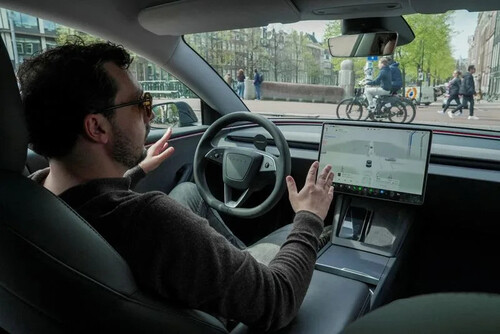
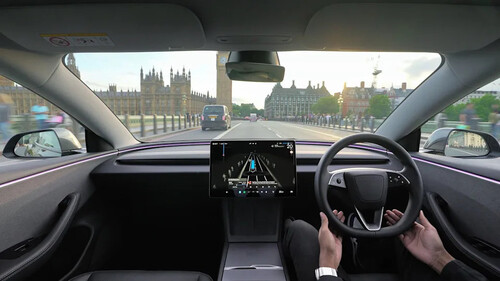
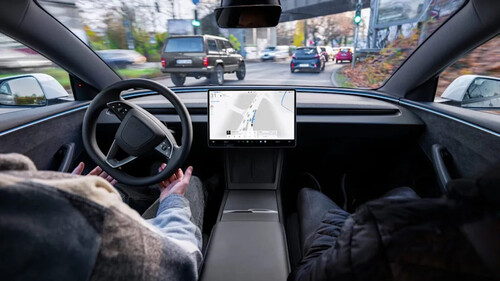
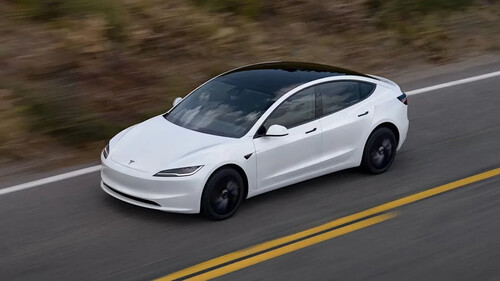
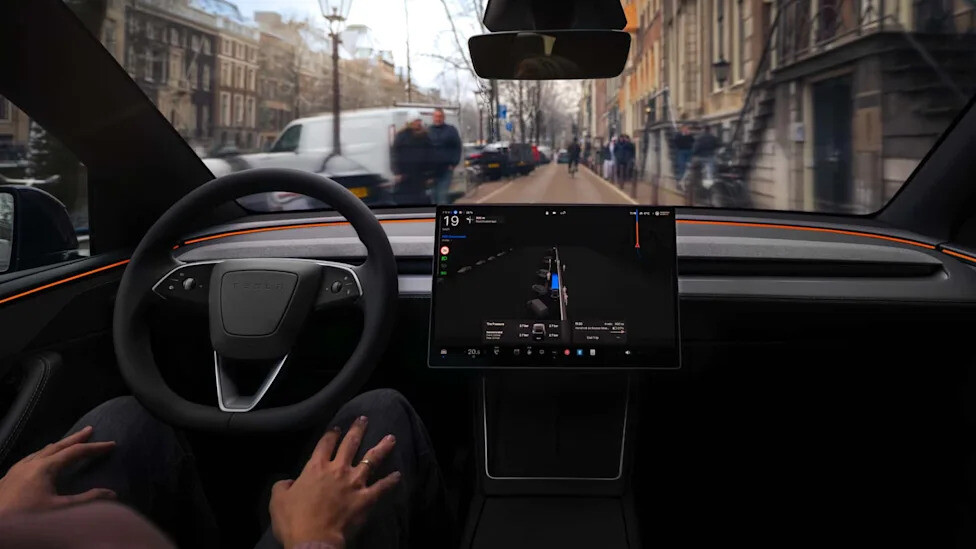
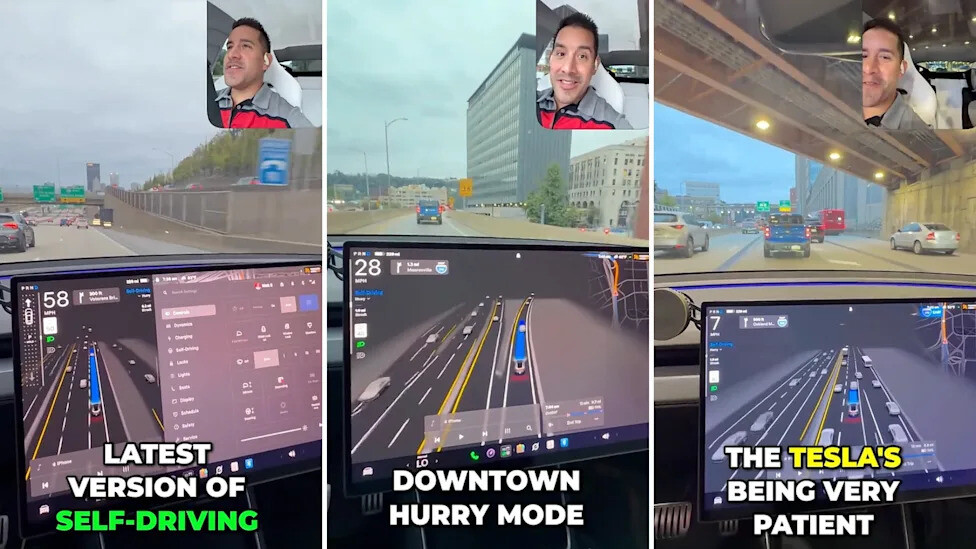
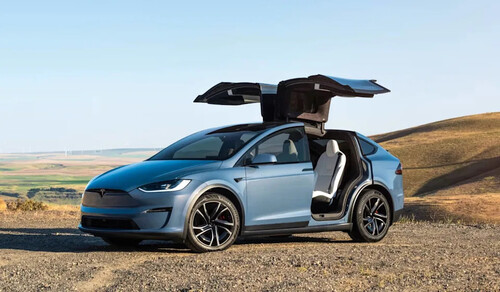
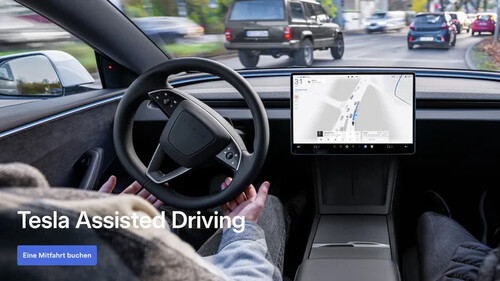
According to a recent report by Reuters, Tesla has agreed to rename its Full Self-Driving (FSD) system “Tesla Assisted Driving” in Europe, acknowledging that the technology still requires constant human supervision. Apparently, one Tesla driver in California hasn’t seen the news: according to the California Highway Patrol (CHP), the driver claimed he was asleep behind the wheel while FSD was engaged. The Tesla reportedly entered closed lanes on a California highway and crashed into an occupied patrol car, seriously injuring two officers.
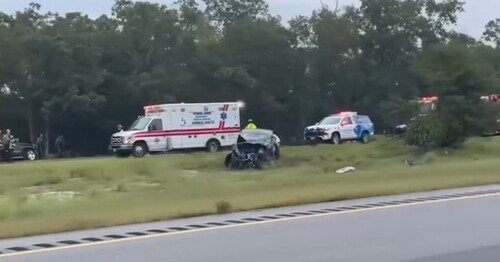
The incident took place on Tuesday, October 13. Authorities say that CHP Solano officers were investigating a fatal crash on Interstate 80; while the investigation was taking place, police closed four lanes of interstate, and all drivers were diverted to the slow lane. The lane closure was marked with cones, flares and several emergency vehicles with their lights flashing.
Apparently, none of that was enough to alert the FSD system or wake up the sleeping driver, as the Tesla reportedly drove into the closed lanes while still traveling at highway speed and crashed into a CHP Dodge Charger with two officers inside. The 22-year-old Tesla driver suffered minor injuries; the two officers suffered serious injuries, but have both since been released from the hospital.
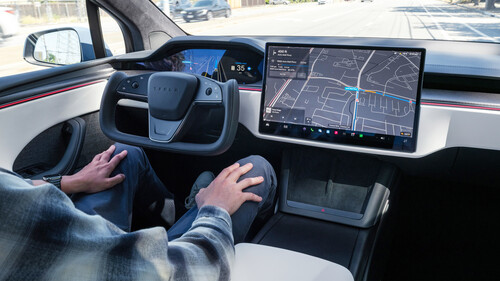
No matter what Tesla calls it, Full Self-Driving remains an SAE Level 2 driver assistance system, which means drivers must remain alert and ready to take control at all times. The CHP reinforced that point in its social media post about the crash: “Technology does not relieve drivers of their responsibility to safely operate their vehicles.”
Thankfully, it appears everyone involved will recover from their injuries. Perhaps someday we'll be able to climb into our cars, fall asleep, and wake up safely at our destinations, but that day hasn't arrived in 2026. (And my two cents: considering what happened here, maybe Tesla should perfect driving on the ground before moving onto flying cars.)