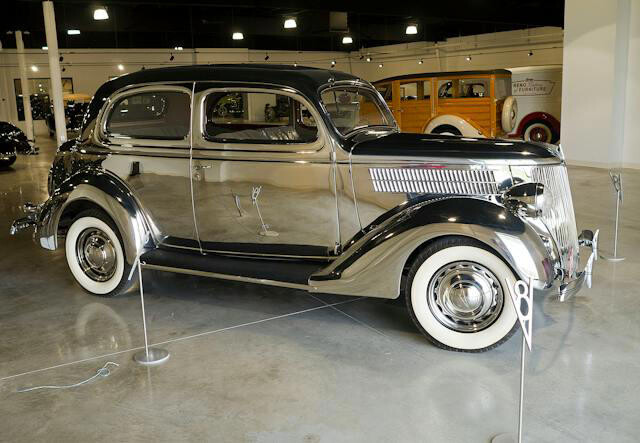
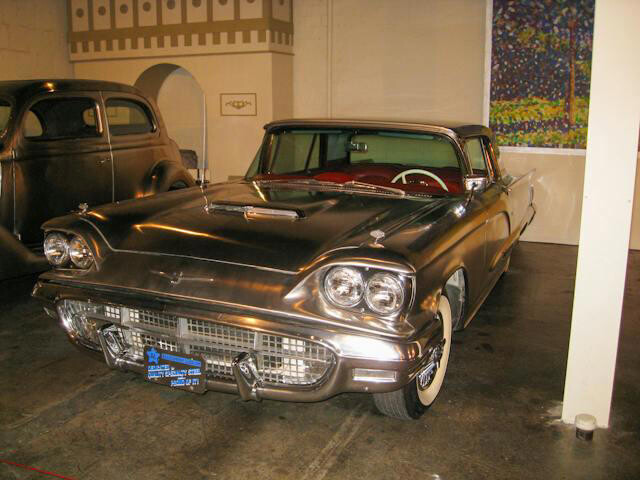
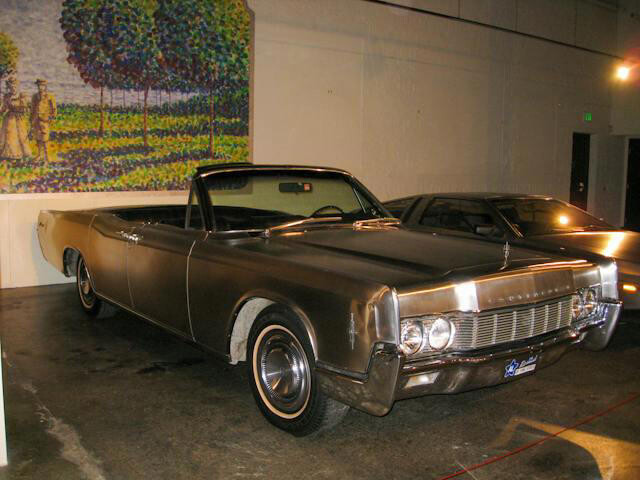
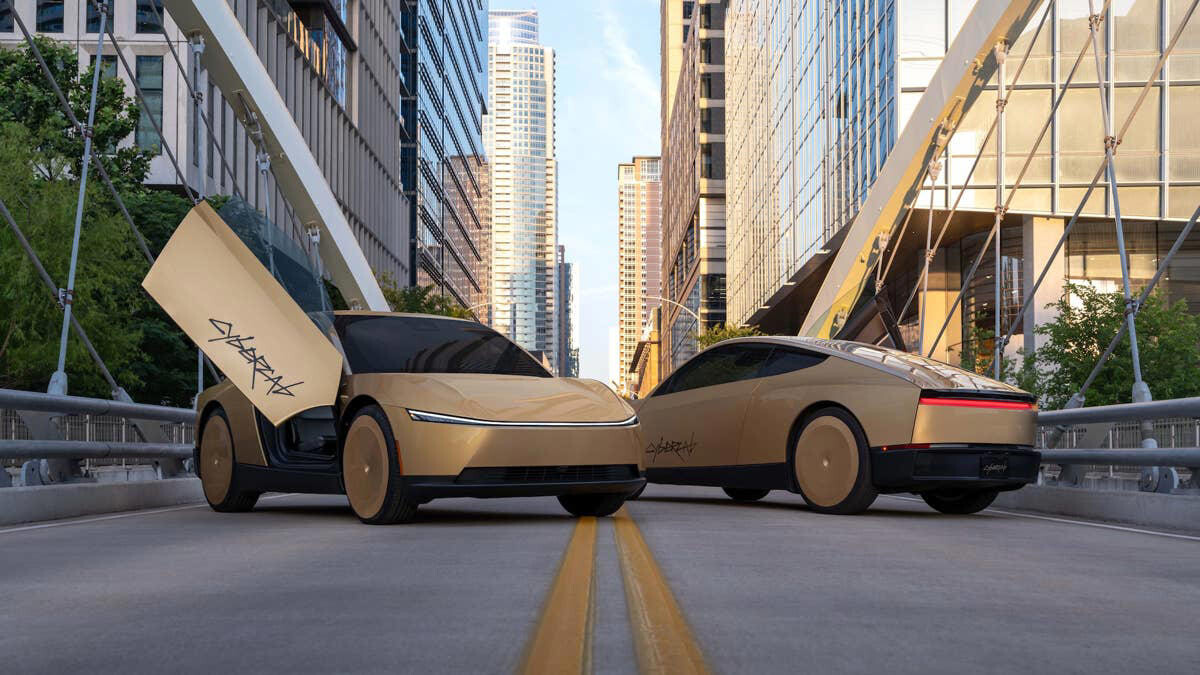
A national nightmare is almost over. Okay, that's a bit of an exaggeration, but it's still big news. Tesla CEO Elon Musk has confirmed that the company will stop building the Cybertruck at its current plant. It's the final nail in the stainless-steel coffin of a vehicle that never came close to reaching its expectations. Cybertruck's Death Announced Early Thursday Morning Tesla CEO Elon Musk announced the end of the Cybertruck the way he announces almost everything: through a post on his social media platform, X. He said, "Tesla will be winding down production of the Cybertruck at Gigafactory Texas around the middle of next year to make room for increased Cybercab production." Technically, Musk does say that Cybertruck will be "winding down" at the Texas plant, which leaves the door open for truck production somewhere else. But moving the low-volume vehicle to another site would be expensive. Since it's already seen as a commercial failure, and because Musk did not announce a new home for the truck, a move is highly unlikely. Cybercab is Tesla's next big thing. The two-door autonomous vehicle went into production earlier this year, and some units are in service as taxis as part of Tesla's autonomous driving test fleet. The Cybercab is a big part of Musk's prediction of an autonomous driving future and the future of the car company. What Led To The Cybertruck's Demise? Musk first teased the Cybertruck in 2016. In 2019, the first prototype was revealed, and it set the stage for the model's future. During an attempt to demonstrate the truck's armored bullet-resistant windows, the two windows were shattered by a metal ball thrown at them. Days after the reveal, Musk announced that he had more than 250,000 pre-orders for the truck. That figure eventually climbed to well over one million. But when the production truck finally arrived in 2023, it cost $61,000 instead of the promised $39,900. However, even that $61,000 truck had been delayed until 2025, and would only have a 250-mile range instead of the 500-mile range Musk promised. The first actual trucks delivered were $79,990 and had an estimated 340-mile range. In 2023, Musk predicted sales of 250,000 trucks per year. Reports put the actual number sold in the three years since first deliveries at just around 71,000... total. And an undisclosed number of those vehicles were sold not to retail customers, but to Musk's other business, SpaceX. Those are extremely low sales volumes when Tesla planned for 250,000. That's no doubt playing a huge part in the decision to wind down production. CarBuzz Insight – Why This Matters: If you wanted attention, the extremely angular stainless steel-bodied truck delivered. If you wanted various promised features, including unsurpassed off-roading and the ability to "serve briefly as a boat," then you were definitely disappointed. Those problems, combined with early quality issues and a price that never came remotely close to what was promised, decimated sales relative to Musk's expectations. That might actually be a benefit for customers, since their unique truck will stay that way. It's also a sign that Musk's mojo may have finally run out.

 Liked by Abigail Fortin, Abigail Lee









 Liked by Abigail Fortin, Abigail Lee