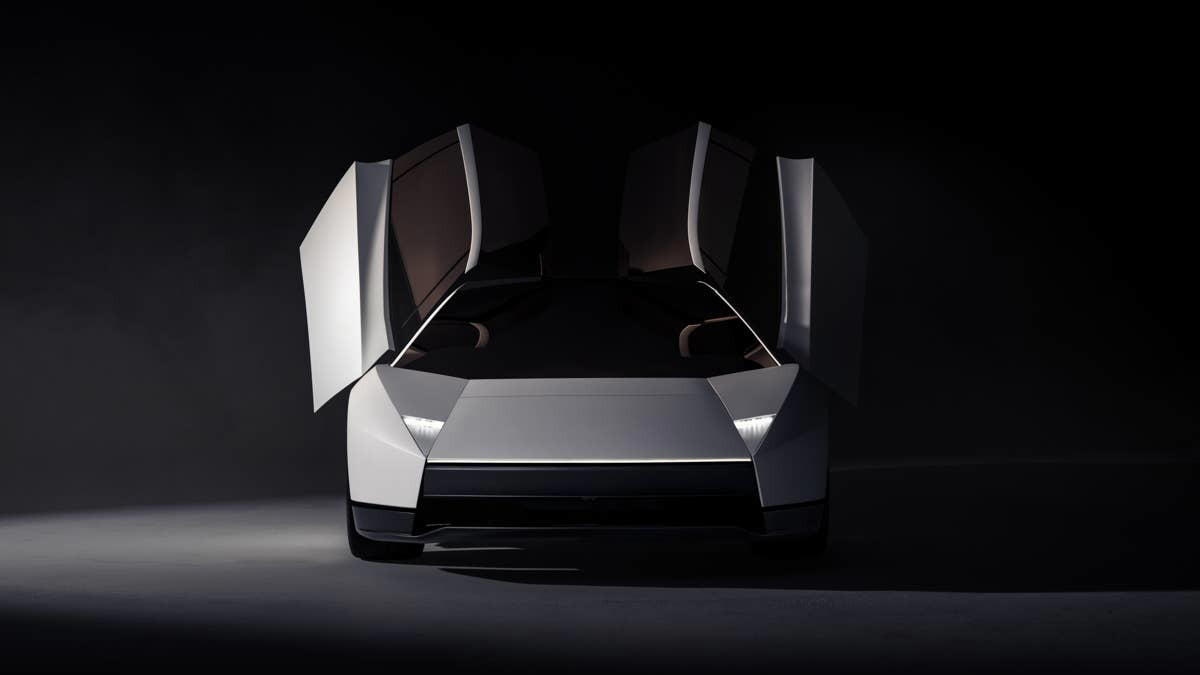
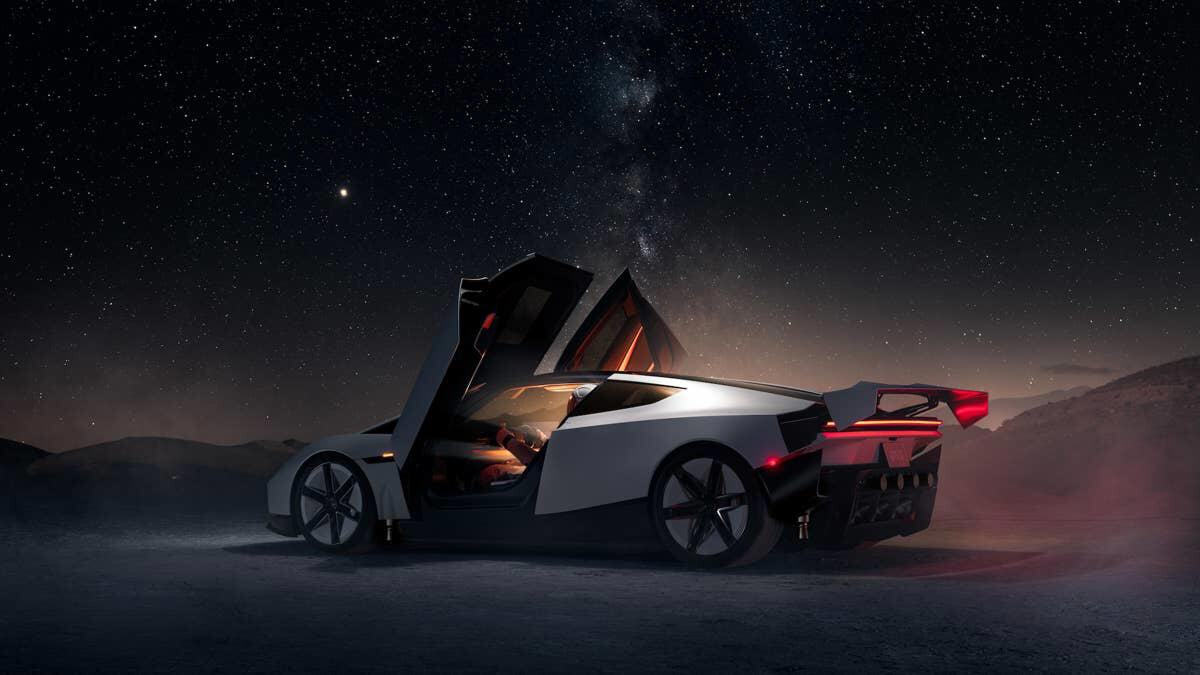
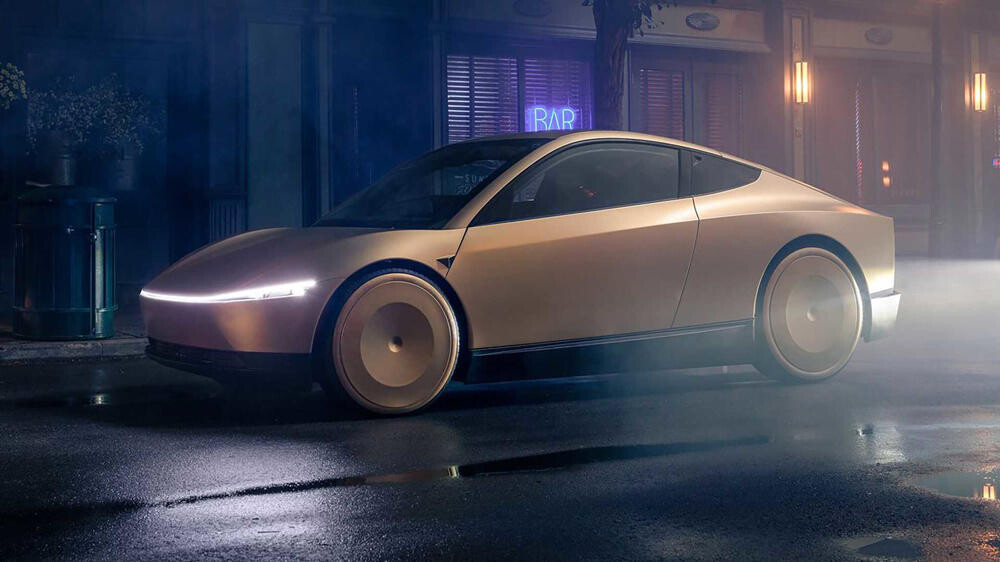
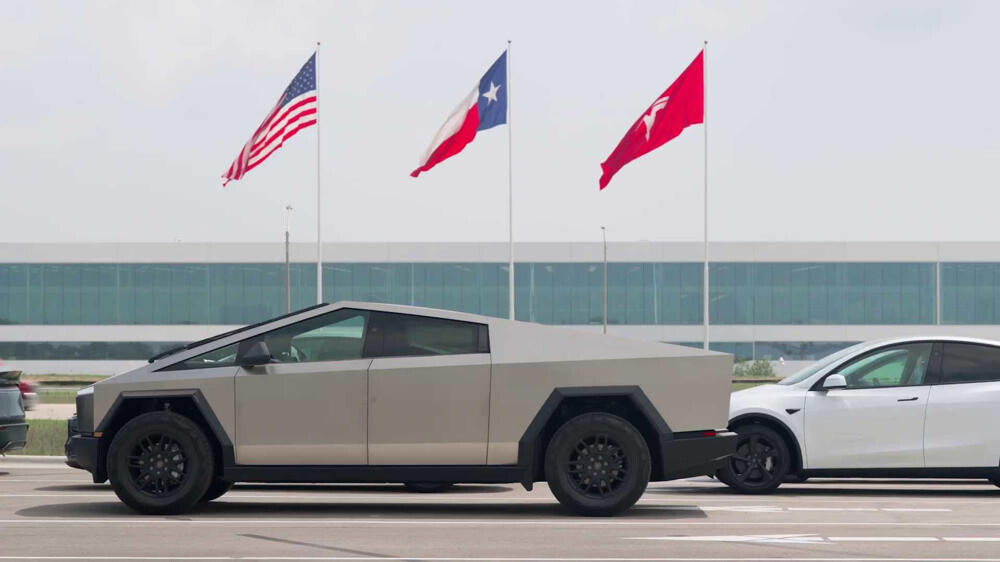
Tesla is ending Cybertruck production next year, but what about the more than one million customers who paid for a reservation but didn't get a truck? CEO Elon Musk says the company is ramping up production while the line is open, but he said there are more orders than it will be able to fill. Musk also claims that the truck isn't going out of production because it was a failure, but because it wants to build more robocars. Musk Says Cybertruck 'Wasn't Unprofitable' Last week, Tesla CEO Elon Musk announced the Cybertruck was dead. Production will stop in 2027, and the truck that he claimed would sell more than 250,000 units a year will probably end up under 100,000 sales in more than three years. Yesterday, Musk posted an update on his social media platform X. In the post, he claimed that "Cybertruck order rate far exceeds our production rate." In another post, he said that Tesla would add a production shift to try to build as many trucks as it can, but Musk tried to emphasize that he would have to leave many order-holders hanging. Anyone who paid before getting a truck will get a refund. Musk said that the company "will have to return deposits for a lot of people." Customers put down money for a Cybertruck in one of two ways. The first was a $100 reservation charge that eventually rose to $250, and Tesla started taking those when the truck was revealed in 2019. In 2024, Tesla dropped the reservation system and opened up direct orders. The fee to place an order was $250, and was advertised as non-refundable. That doesn't apply since Tesla is doing the canceling. Musk predicted sales of 250,000 units per year, and in three years the company has only sold around 70,000. At least 1,279 of those were purchased by Musk's SpaceX last fall. Will Cybercab Demand Fill The Plant? Sales were just a tiny fraction of what was planned, and Tesla built an entire new factory for the truck, but Musk doesn't call it a failure or even a loss. "This is not a case of Cybertruck being unprofitable," he said on X. Instead, he claimed that "the opportunity cost of the complexity of Cybertruck is vastly outweighed by the value of incremental Cybercab production." Meanwhile, federal safety regulators are currently investigating the Cybercab. The NHTSA is demanding answers about Tesla's self-certification that the car meets applicable safety requirements. Failure to convince the agency could run up steep penalties and pull the Cybercab off the road. Another investigation is looking into claims that Tesla's autonomous driving software is speeding through active school zones. Tesla vehicles breaking the law isn't new, but with fully autonomous prototypes on the road, the company can't blame the driver anymore. CarBuzz Insight – Why This Matters: Tesla has done its best to hide Cybertruck sales numbers since the model first launched, but it's clear that it was a sales dud. If there are so many orders, why has it built so few trucks? If it's still profitable with enough orders to ramp up production, why end it? Has Tesla figured out how to build a wild electric truck for a fraction of competitor costs... enough to cover plant and supplier inefficiencies while sitting on orders? Was production scaled because Musk knew it wouldn't sell at the volumes originally predicted? Or, is Musk not being transparent with the numbers? There are lots of questions there, and we'll let you decide on the answers. But it's worth remembering that the Cybertruck was initially presented with a sub-$40,000 starting price tag. The cheapest it ever got was $59,990.

 Liked by Henry Brown, Caleb Martin







 Liked by Henry Brown, Caleb Martin