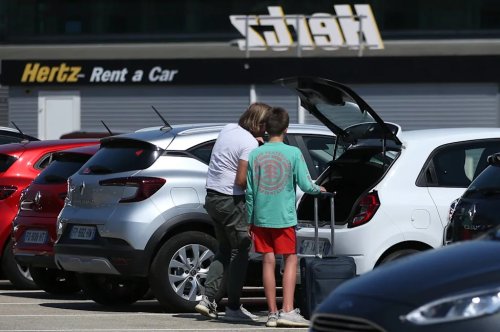
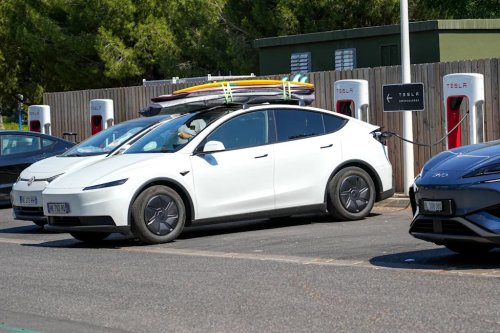
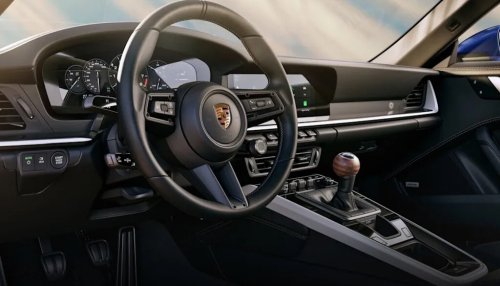
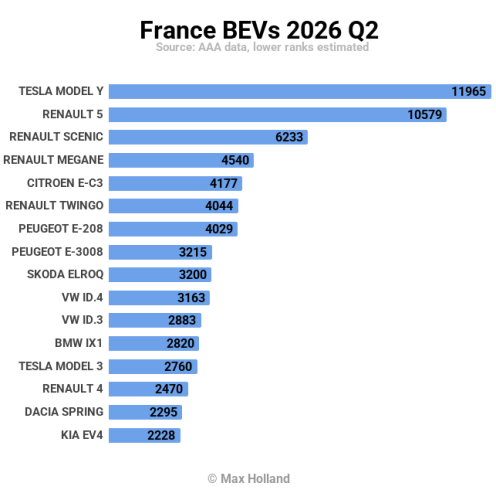
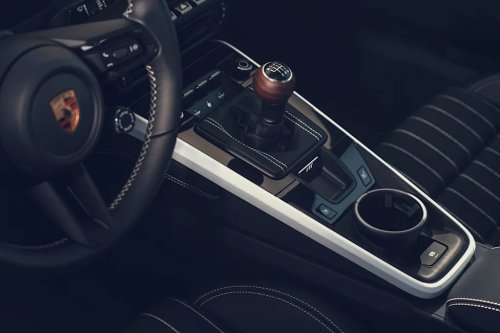
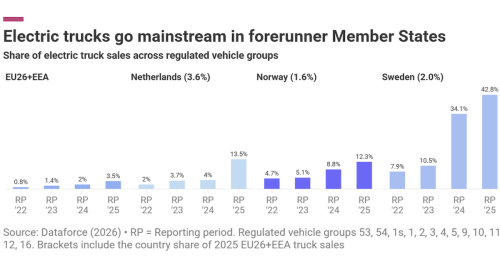
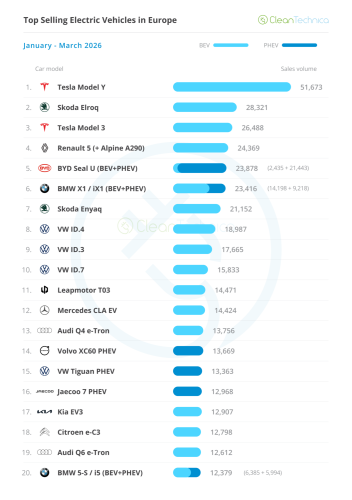
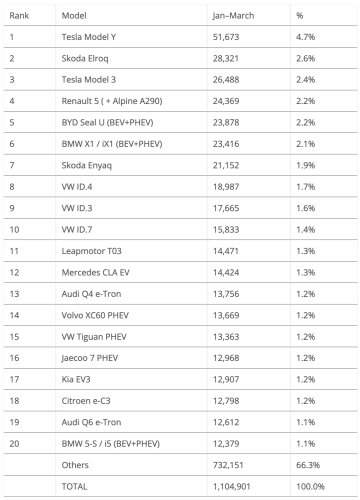
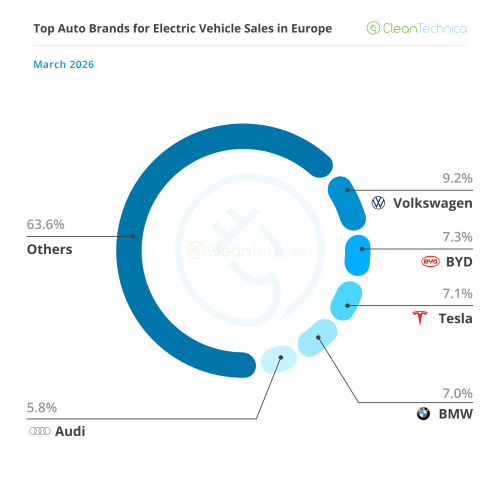
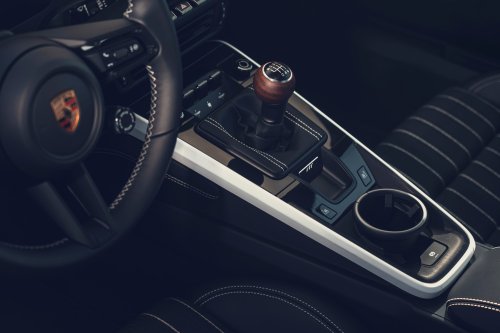
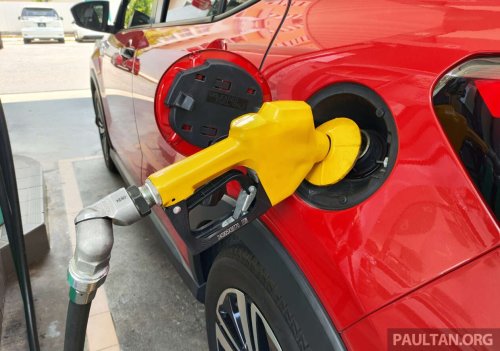
Autoblog and Yahoo may earn commission from links in this article."What Do You Mean Stick?"Traveling to Europe can be one of those life-altering bucket list events that you can experience with the people closest to you — that is, if those plans made six months or six years down the line ever make it out the group chat. But apart from mishaps that can occur from booking the wrong hotel or hostel, or dealing with the fact that a cappuccino cannot be served later than 10 a.m., renting a car in Europe can result in a situation that doesn't really occur in the U.S. If you don't specifically request otherwise, there's a real chance that the people behind the Sixt, Avis or Europcar desk may hand you something that less than 1% of new car buyers opted for in 2025: a car with a manual transmission. Automatic rentals often cost more, sometimes require booking weeks in advance to guarantee availability, and in some countries, are treated almost as a specialty request rather than the default. AdvertisementAdvertisementFor an American driver used to automatics being the overwhelming standard, it can feel like stepping back in time, or into a country that simply never got the memo about how the rest of the automotive world moved on. Neither is really true. Europe's relationship with the manual gearbox isn't nostalgia or stubbornness. It's the product of fuel prices, licensing rules, and driving culture that all pushed in the same direction for decades, and only recently started pushing the other way.PASCAL POCHARD-CASABIANCA/AFP via Getty ImagesView the 2 images of this gallery on the original articleFollow The Money The most straightforward part of the explanation of why Europeans overwhelmingly prefer three pedals over two, is as simple as pointing to fuel economy. For decades, gas prices across the pond have run dramatically higher than that in America, driven by progressive fuel taxes that go to everything from road infrastructure to broader government revenue in ways American gas taxes never approached. When fuel costs two or three times what an American driver pays per liter, the small fuel economy advantage that a manual transmission traditionally has over an automatic is not an abstract environmental talking point. Fuel, in this instance, makes up a meaningful chunk of a household's monthly budget like rent, utilities or groceries.But, as time elapsed and vehicle technology has evolved in today's digital age, the fuel economy advantage of stick-shift equipped cars and trucks has narrowed considerably as automatic transmissions improved. On paper, today's dual-clutch and continuously variable transmissions frequently match or beat manual fuel economy figures. However, cultural habits and consumer expectations move slower than technology, and generations of European drivers who learned to associate manual transmissions with real savings hasn't immediately let go of that assumption.Getty ImagesA Tougher (and Thorough) License Test Although fuel prices are an easy thing to blame off the bat, it's worth noting that Europeans and the way they treat getting a drivers license is a little different than the way they do things stateside. To put things short, European drivers don't just take a test and get handed a license the day they turn 16 or 17. Their rules for issuing driver's licenses have essentially made knowing how to drive a stick shift car more of a cultural requirement more than anything. AdvertisementAdvertisementIt goes way beyond just "when in Rome." In many parts of Europe, passing a driving test in an automatic-equipped car results in a restricted license that legally prevents the holder from driving a manual transmission vehicle at all, unless they go back and pass a separate test in a manual car. The reverse isn't true: pass your test in a manual, and you're licensed to drive both. That asymmetry created enormous pressure for new drivers and their families to simply learn on a manual from the start, since doing so meant never having to worry about the restriction at all.This path has a real generational effect. Parents who learned to drive manuals teach their kids in a manual, partly out of habit and partly because a family's second car is more likely to be a stick if that's what they had always driven. Driving schools stock manual-equipped cars because that's what most students need for the unrestricted license, which in turn makes manual instruction the more available option and keeps the same cycle going for the next generation of drivers. None of this is an accident of taste. The system created a norm throughout the decades, regardless of what any individual driver might have preferred.NICOLAS GUYONNET / Getty ImagesThe Electric QuestionIn recent years, the shift toward automatics across the pond has been real. Data from European auto industry groups has shown automatic car sales have been climbing steadily across most major markets. Part of it is due to more advanced and more efficient dual-clutch and CVT cars that closed the fuel economy gap, and partly due to another automotive phenomenon taking hold on the continent: electric vehicles. According to a recent report by Reuters, sales of EVs across continental Europe have made a considerable tear in recent months, as geopolitical complications have led to higher gas prices and generous subsidies have made affordable electric models more affordable for consumers. Industry data provided to the newswire shows that 1.2 million EVs were sold in the European Union during the first half of 2026; making up 20.7% of all vehicle sales and a 40.5% jump compared to the same period in 2025. Furthermore, generous government-backed subsidies such as France's "social leasing" EV subsidies program have made an impact. According to government data, EVs made up 29% of new car sales in France in 2026 through July. In July 2026 alone, EVs made up over 35% of new car registrations, versus just 17% the same month in 2025.AdvertisementAdvertisementFurthermore, general tastes and priorities have changed in major markets across the pond. According to data from online automotive marketplace Carwow, Just 7.9% of cars delivered in the first six months of 2026 in the UK; a country known for having stringent separate automatic and manual licenses, had a manual gearbox. This is down from 14% of orders during the same period of 2025 and 21% in 2024; reflecting a 60% decline within the last two years. Getty ImagesView the 2 images of this gallery on the original articleLeaving the Group Chat BehindBut, this doesn't mean that the stick shift isn't going to magically disappear from Europe tomorrow, and the licensing quirk that's sustained manual proficiency for generations isn't going away either, at least not yet. However, the underlying forces that made the good 'ol stick shift the practical, economical, culturally reinforced default is slowly fading. Cars are getting more fuel efficient with an automatic 'box and rising gas prices that are already expensive to begin with are turning ordinary people onto electric vehicles as an alternative to the pump. The only thing left standing in the end is just genuine cultural attachment — the kind that outlives the original reasoning behind it.So, if those travel plans finally make it out of your group chat and onto the winding roads of Europe, prepare yourself. Manual rental cars will still exist, but treat it as more than just a potential logistical hurdle. It's a window into a different way of moving; one that just 1% of American new car buys are willingly partaking too as of recent. What first looks like an outdated quirk to Americans is actually a logical outcome of decades of progressive fuel economics and strict licensing rules that created unshakable driving habits.AdvertisementAdvertisementWhile the steady rise of electric vehicles and modern automatic transmissions can mean that the era of the stick-shift is coming to a close, the three-pedal setup remains a monument to a rich driving culture. If you do find yourself at the rental counter being handed the keys to a manual, don't view it as stepping back in time. View it as an invitation to experience European travel in its purest, most traditional form — just make sure you've learned and practiced driving stick in the States beforehand.This story was originally published by Autoblog on Aug 30, 2026, where it first appeared in the Features section. Add Autoblog as a Preferred Source by clicking here.