Stellantis is on pace to snap a streak of seven annual sales declines in the U.S. this year, but its North American business remains far less profitable than a few years ago.
UAW-represented hourly employees at Stellantis could miss out on profit-sharing checks for a second consecutive year. Nine months into 2026, the automaker’s adjusting operating margin in North America remained short of the 2 percent minimum to trigger the bonuses. A loss in 2025 eliminated profit sharing for the first time since 2011, while General Motors’ factory workers got as much as $10,500 each.
Stellantis’ North American adjusted operating income rose to $71 million in the third quarter, from a loss of $528 million a year earlier. Its margin in the region was 0.4 percent, versus 1.6 percent in the previous two quarters.
Net revenue in North America declined 3 percent to $17.2 billion as U.S. sales slipped 0.3 percent. Sales rose 3.1 percent in the first nine months, positioning the company for its first annual increase since 2018.

Keep up with product planning news with Automotive News' regularly updated database.
Future Product database: 5-year vehicle timelines
Future Product guide: Our 10-week series on future products by brand
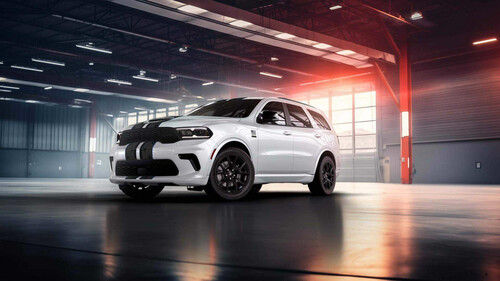
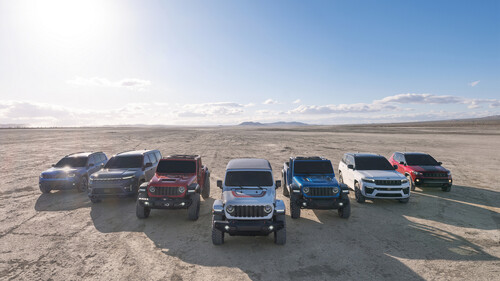
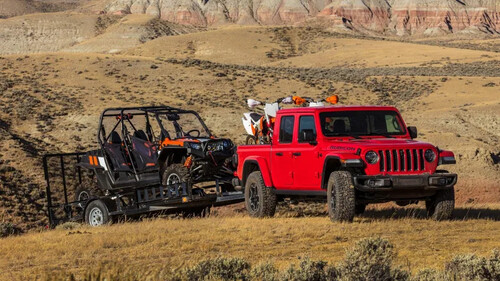
CEO Antonio Filosa is banking on an array of fresh products in 2027 to help drive North American profits higher. He told investors Oct. 28 that updated versions of the Dodge Durango, Jeep Gladiator, Jeep Grand Cherokee and Jeep Wrangler will arrive next year.
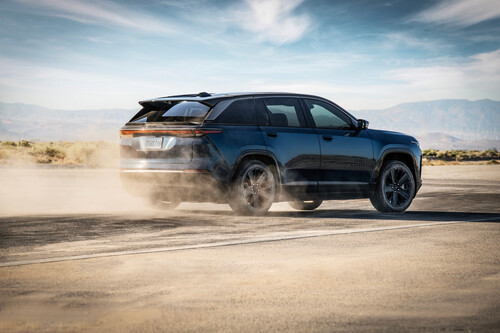
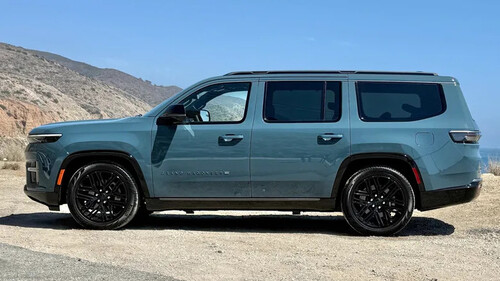
Other impending additions are an extended-range electric version of the Jeep Grand Wagoneer and a revival of the Ram ProMaster City van.
Filosa said he expects the ProMaster City to be the only small van available in this market for at least two to three years, until competitors return to a segment they also had abandoned.
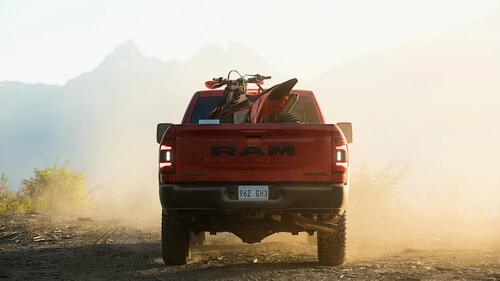
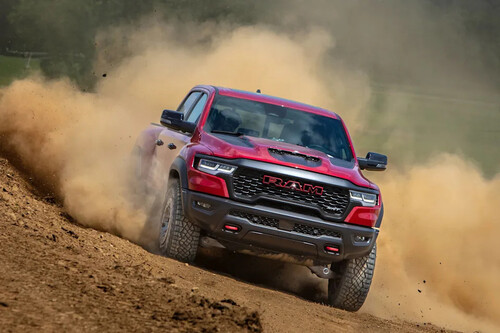
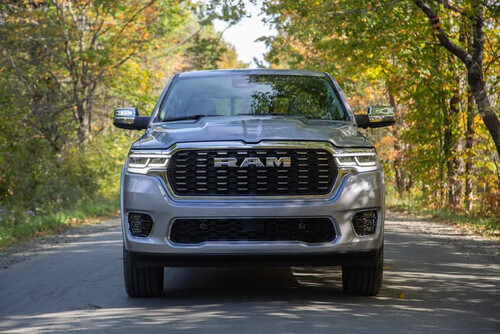
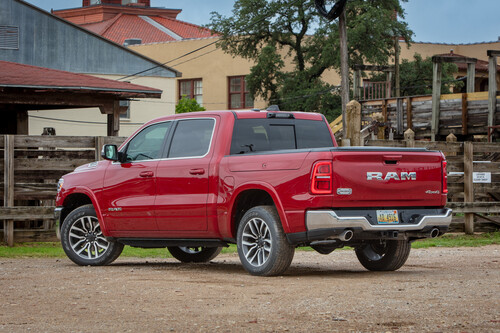
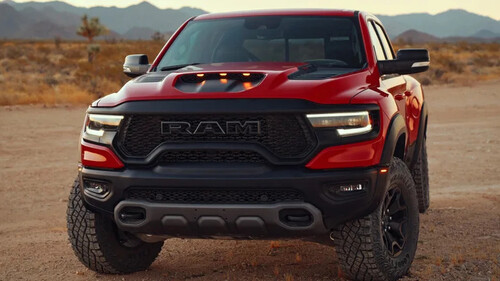
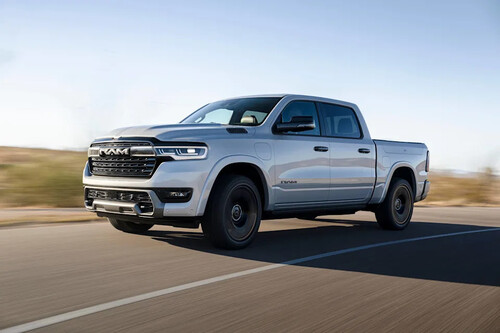
Ram also is gaining the 1500 Rumble Bee in the months ahead. Allocations of the pickup through the first quarter of 2027 sold out in 90 minutes.
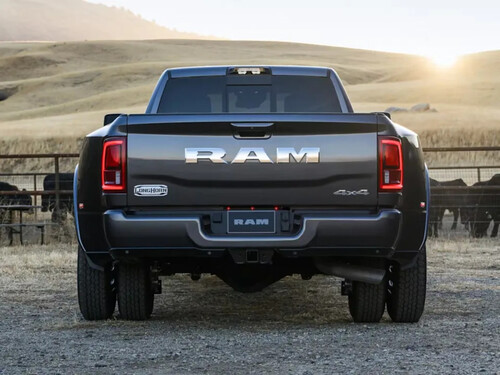
U.S. sales of the standard Ram 1500 leaped 73 percent in the third quarter, riding tailwinds from stronger incentives and the return of the 5.7-liter Hemi V-8 engine that the brand previously discontinued. Ram incentives rose more than 10 percent in September from a year earlier, to an average of $7,941 per vehicle, according to MotorIntelligence.
“Ram has led the way as the fastest-growing brand in the region, both in the quarter and year to date,” Filosa said.
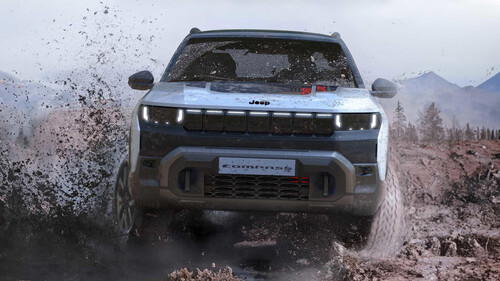
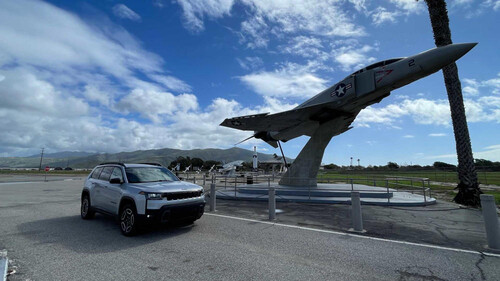
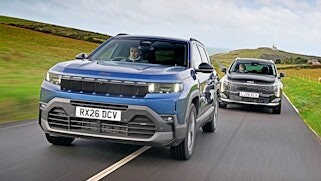
The new Jeep Recon, an electric takeoff of the Wrangler, is trickling into dealerships now.
Inventory at U.S. Stellantis dealerships declined to 368,000 units at the end of September, an 84-day supply, from 92 days’ worth going into the quarter. The company aims to have 320,000 to 350,000 unsold vehicles on hand at year end.
“Q4 will be pivotal for Stellantis to reduce dealer inventory, so dealers can be confident and order model year ’27,” said Sean Hogan, who chairs the Stellantis National Dealer Council. “Additionally, we need to have a smooth transition of incentives between ’26 and ’27 to keep the confidence in the dealer body to continue to ordering, so that’s going to be the key for Stellantis.”
Global focus on cost savings
Cost cutting also is part of Filosa’s strategy to regrow the company’s bottom line. Stellantis’ Value Creation Program seeks to deliver around $7 billion in savings by 2028.
Officials said the company expects to realize “mid-hundreds of millions” in savings in the fourth quarter, double that of the third quarter.
The effort involves evaluating the company’s “full cost structure,” Filosa said. That includes product costs, which covers all components used in a vehicle, as well as manufacturing and logistics.
To reduce product costs, Stellantis has more than 3,000 people “analyzing system by system, component by component, what are the technical and commercial saving that can be generated to reduce cost,” Filosa said. Wiring harnesses are one area where the company has found significant savings.
At a plant in France, Stellantis used a tool powered by artificial intelligence to make the production process more efficient. As a result, “equipment and machines break less,” Filosa said. “Thus, we have more productivity and less inefficiency. And with the success of this pilot plant, we are expanding this solution to 100 percent of our manufacturing plants.”