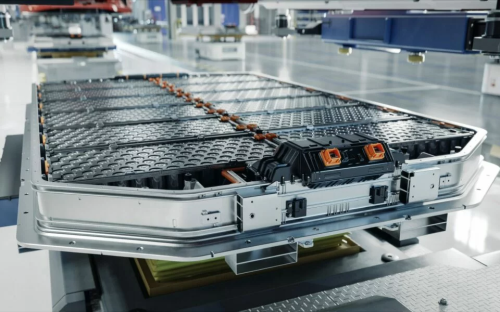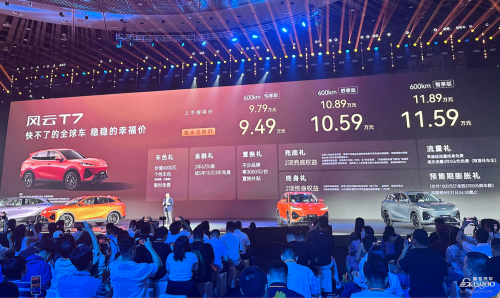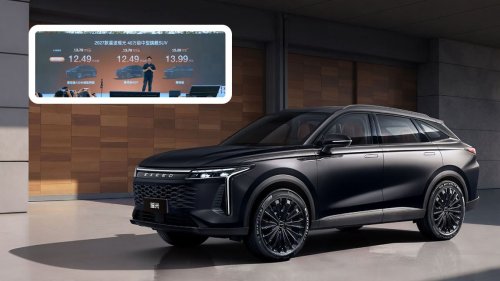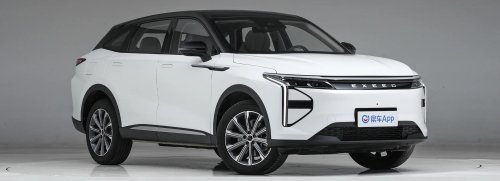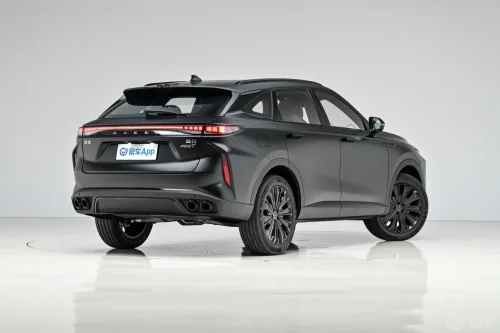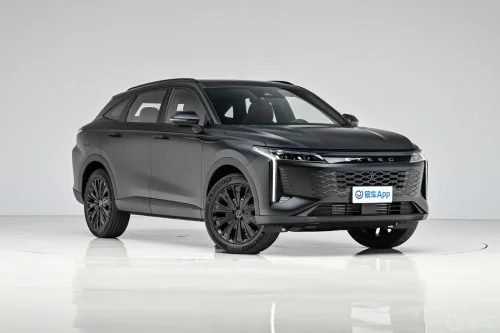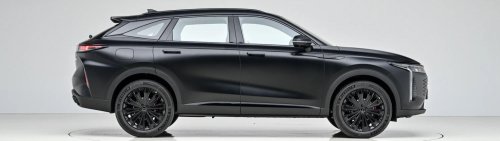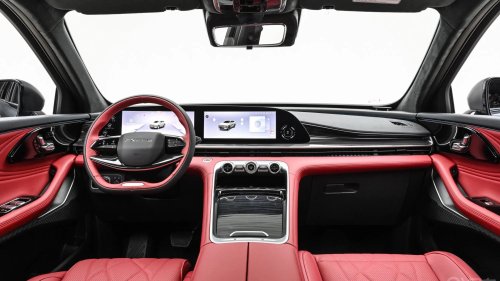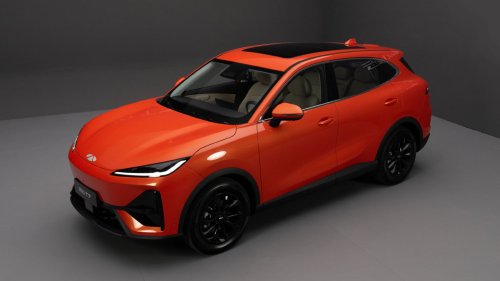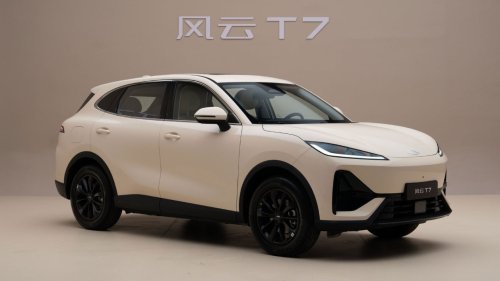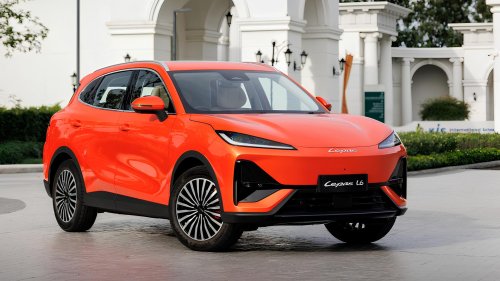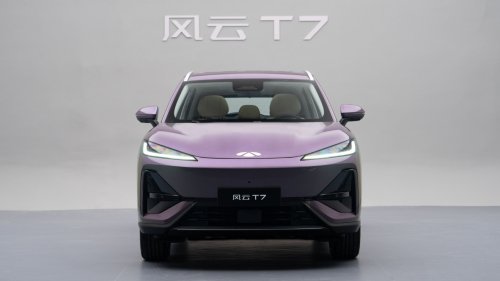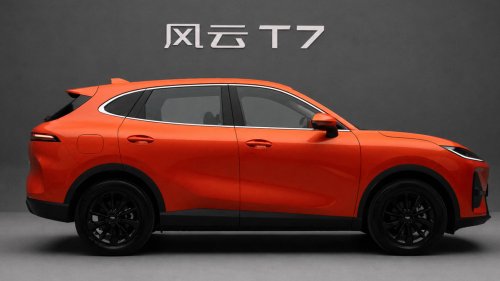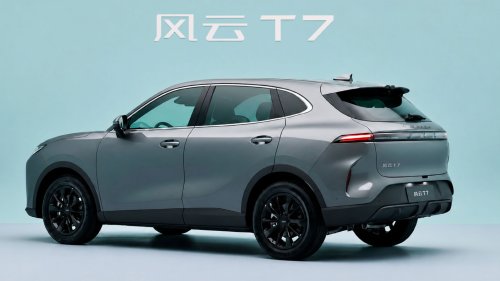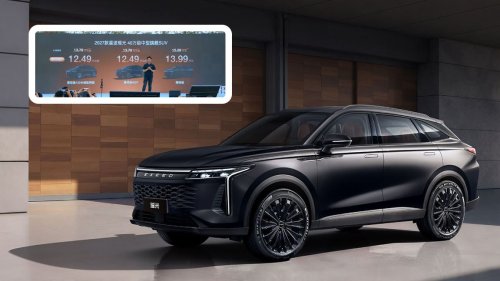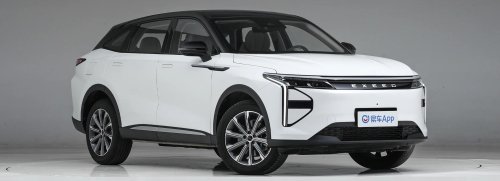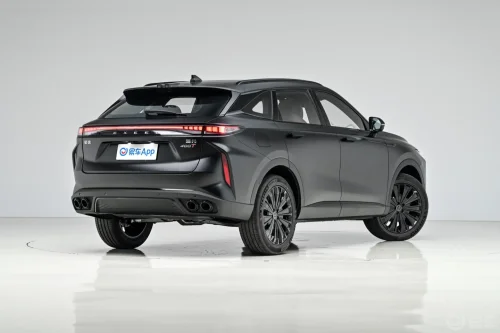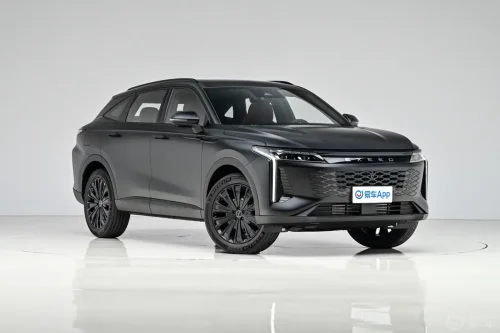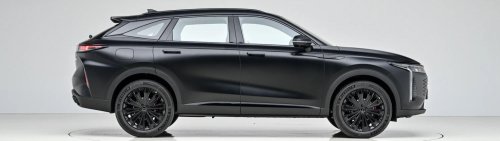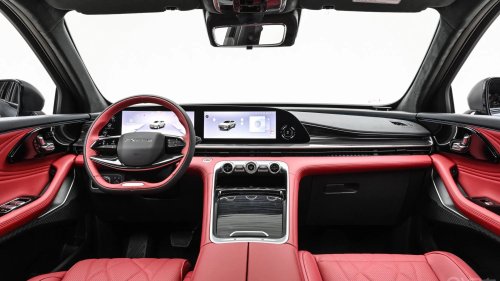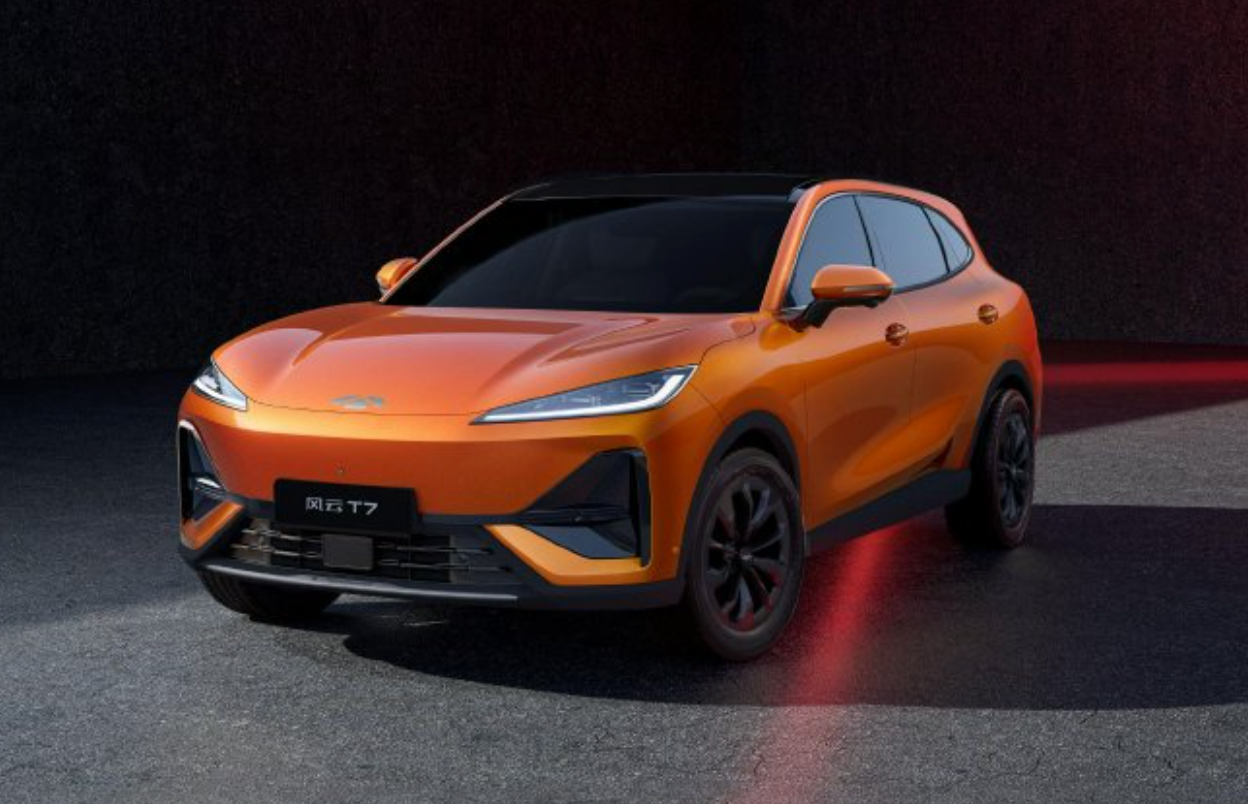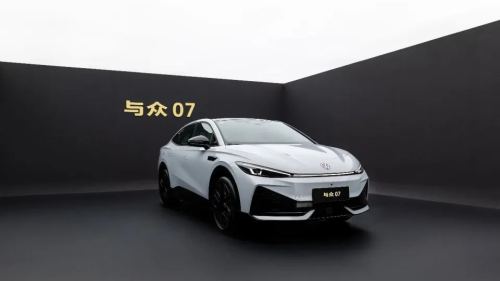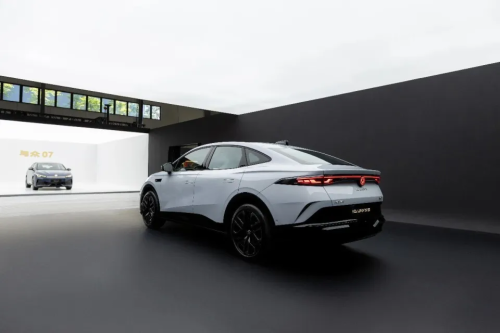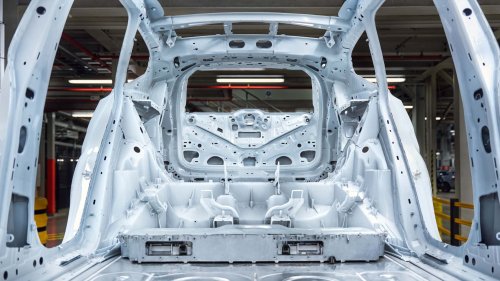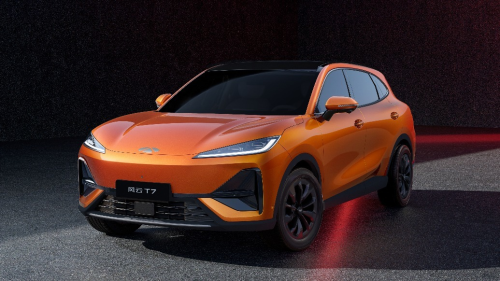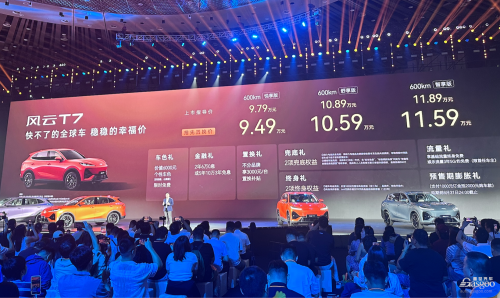
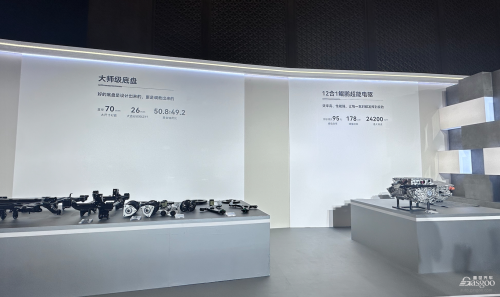
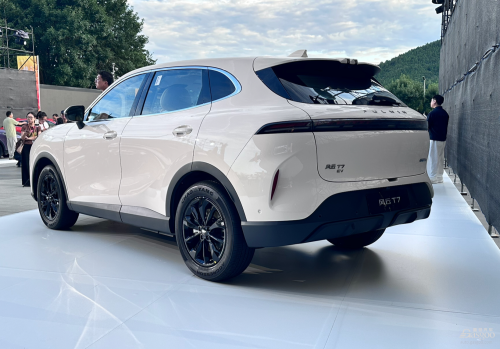
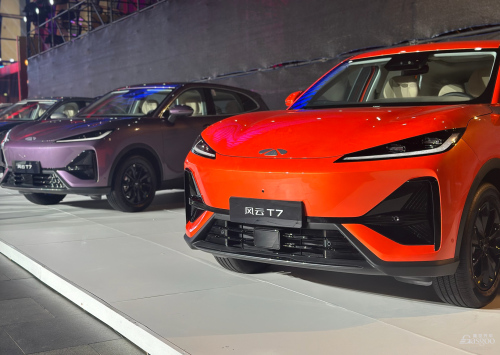
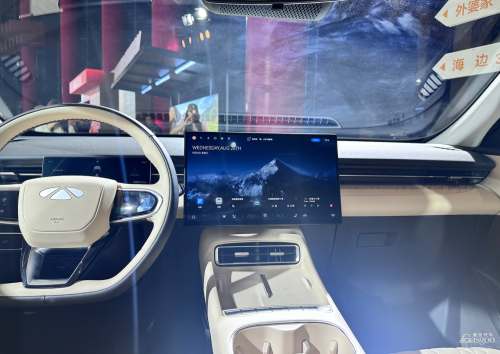
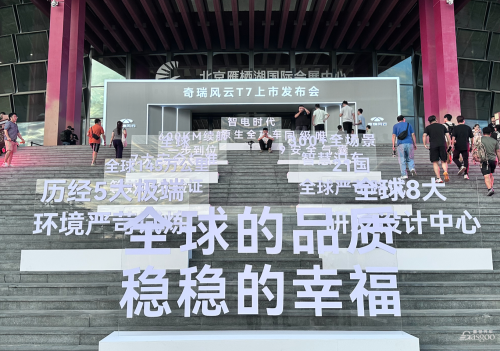



















Gasgoo Munich- The market for electric SUVs priced around 100,000 yuan is one of the most crowded lanes in the industry. Now, a new value contender has entered the ring: the Chery Fulwin T7.Positioned as a compact electric SUV, the Fulwin T7 underwent two years of planning and three years of dedicated R&D. It was engineered to meet 2026 E-NCAP five-star standards and secured over 10,000 firm orders within 72 hours of pre-sales opening.Chery launched the Fulwin T7 on August 26, offering three variants with a 600-kilometer range priced between 97,900 yuan and 118,900 yuan. Early buyers trading in older vehicles receive an additional 3,000 yuan discount. Compared to the previously announced pre-sale range of 109,900 yuan to 129,900 yuan, the entire lineup has seen a price cut of roughly 11,000 yuan.Against the segment leader, the Changan Deepal S05, which starts at 119,900 yuan, the Fulwin T7 boasts a clear pricing edge with an entry price 22,000 yuan lower.Bringing "Global Standards" Down to EarthLooking back, the 100,000 yuan electric SUV market is already crowded with specialists, each pushing specific metrics like range, autonomous driving, and size to new heights. Yet most of these competitors make compromises on core hardware—such as batteries and range—to create price tiers that attract entry-level buyers.Li Xueyong, executive vice president of Chery Automobile, insists on a "no-compromise" strategy for the powertrain across the lineup. All three variants come equipped with a 65.05 kWh Rhino lithium iron phosphate (LFP) battery, delivering a consistent CLTC pure electric range of 600 kilometers—meaning the entry-level model sees no cuts. The new model features a 178 kW motor capable of fast charging from 30% to 80% in 20 minutes, with official tests showing a range exceeding 660 kilometers.By comparison, entry-level rivals typically offer between 400 and 550 kilometers of range. The T7's strategy of "range equality" effectively shifts the decision-making focus back to the product itself, rather than the spec sheet.Safety features also see no tiering. The vehicle was developed against 2026 E-NCAP five-star standards, with a body structure utilizing 80% high-strength steel and 18.84% hot-formed steel. Every model comes standard with nine airbags, while the battery is protected by a "6D chainmail" structure with 31 layers. Its IP68 water resistance rating is 96 times the national standard, and crush resistance is double the standard."R&D cannot be rushed, verification cannot be rushed, and global co-creation cannot be rushed," Li declared at the launch. Backing up that philosophy are two significant guarantees: if the power battery suffers thermal runaway due to internal defects, the company will replace the vehicle with a new one; and if the autonomous driving system causes an accident during parking or intelligent navigation within one year of purchase, compensation will reach up to 5 million yuan.Notably, the T7's global ambitions are more than just marketing labels. The vehicle was developed in parallel with regulations for the European Union and ASEAN markets. It has completed over 6 million kilometers of global road testing across more than 100 extreme driving environments, including the EU, Australia and New Zealand, the Middle East, South Africa, Russia, Mexico, and Brazil.Its sibling model, the Lepas L6, has already launched in Thailand and South Africa. It is set to enter Spain and Italy in September, the UK in October, and Australia and Indonesia in November. Li revealed the plan is to cover more than 100 countries and regions by the end of the year.A telling detail emerged at the launch event. In videos showcasing special test scenarios, Li personally drove the T7 through moose tests, slalom courses, and offset reversals. It is uncommon for a top executive to perform such dynamic testing during a marketing campaign. This served as both a talking point and a strong endorsement of the product.While the new car's product fundamentals are solid, viewed against the broader market landscape, this is just the entry price.Competition Reaches the Eve of HomogenizationZooming out, the Fulwin T7 faces the reality of a hyper-crowded 100,000 yuan electric SUV sector. Public data shows the top three sellers in the compact electric SUV segment over the past year were the Changan Deepal S05, GAC Toyota Bozhi 3X, and Geely Galaxy E5, all with annual sales hovering around 100,000 units. Meanwhile, the BYD Yuan PLUS remains an unavoidable benchmark.While the T7's starting price of 97,900 yuan is fiercely competitive, its product capabilities do not create a decisive gap over its rivals.Each competitor plays a different hand. The Deepal S05 piles on advanced autonomous driving features, with high-end trims supporting City NOA and a claimed 15-minute fast charge from 30% to 80%. The Bozhi 3X relies on its joint-venture heritage and balanced performance to hold its ground. The Galaxy E5 highlights its space with a 4,615 mm length and 2,750 mm wheelbase. The Yuan PLUS boasts a 240 kW motor and leverages BYD's deep market penetration to secure stable monthly sales.By comparison, the Fulwin T7 does not lead in size (2,700 mm wheelbase, 4,570 mm length) or raw power. Its advanced driver-assistance system (Falcon 500, covering over 300 parking scenarios) is reserved for the top trim, and it currently lacks City NOA. In other words, while the T7's strengths lie in its consistent range, comprehensive safety redundancy, and aggressive pricing, its weaknesses are equally objective.A deeper signal points to homogenization. As every player pushes range, fast charging, large screens, autonomous driving chips, and parking features, the gaps in spec sheets are rapidly vanishing. The focus of competition is shifting from piling up features to standards and guarantees. Terms like lifetime vehicle warranties, autonomous driving liability coverage, battery guarantees, and global verification—once reserved for mid-to-high-end models—are now trickling down to the 100,000 yuan segment.Final ThoughtsThe Fulwin T7's real leverage lies not in a single specification but in its attempt to redefine the trust threshold for 100,000 yuan electric SUVs by combining global development standards with strong guarantees. Amid the controversy over "fast-tracked" car manufacturing, whether this meticulous approach will win market response depends on two follow-up indicators: whether monthly sales can stabilize above 10,000 units, and whether the plan to enter 100 countries can be realized by year-end.In a market where specifications are converging, the player that can turn "standards" into a tangible experience is the one most likely to emerge from the red ocean.