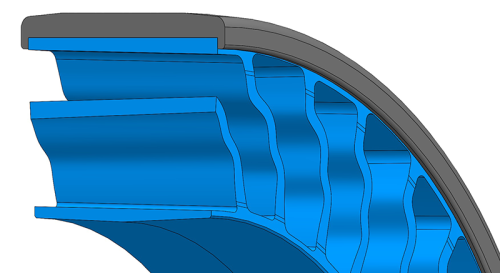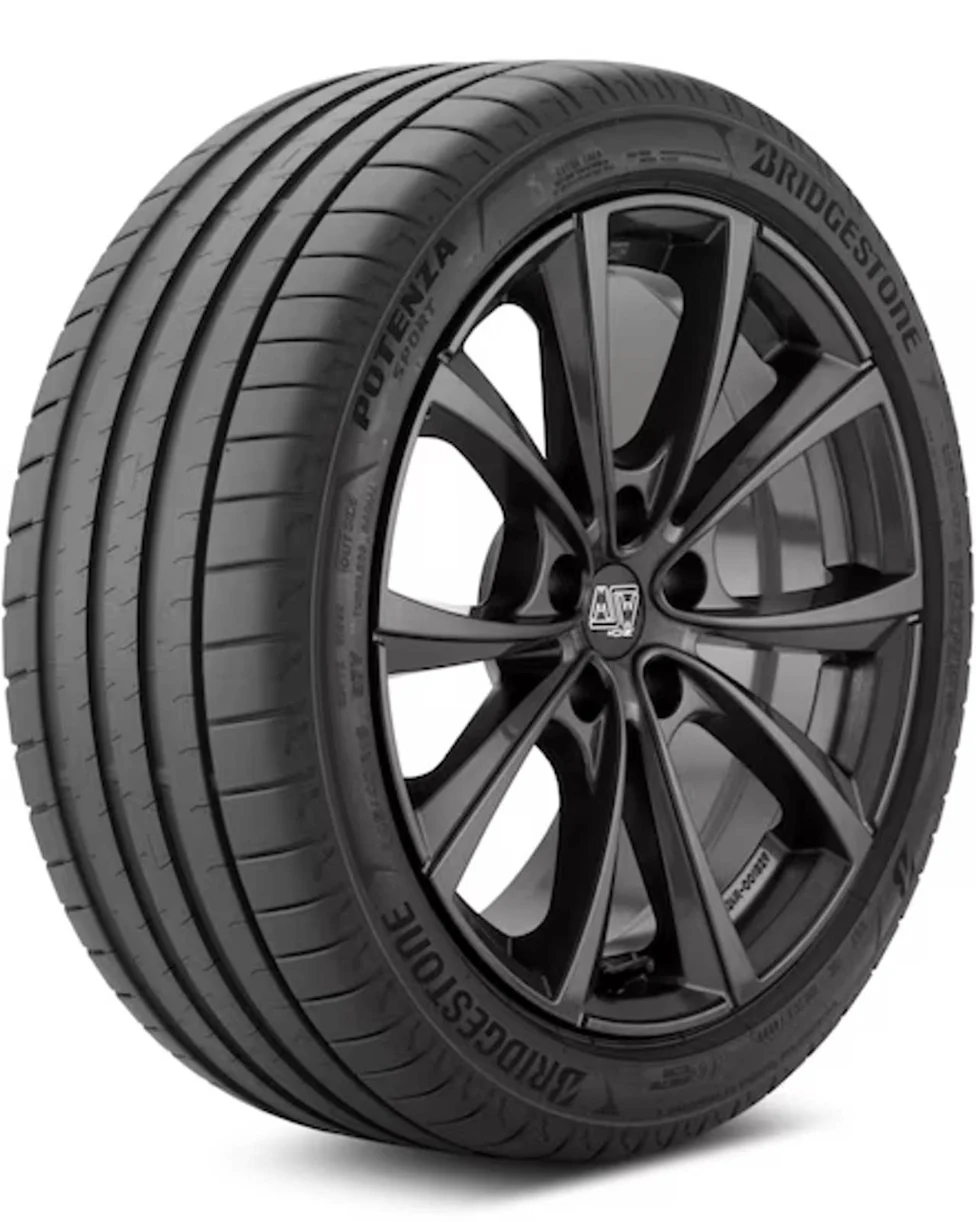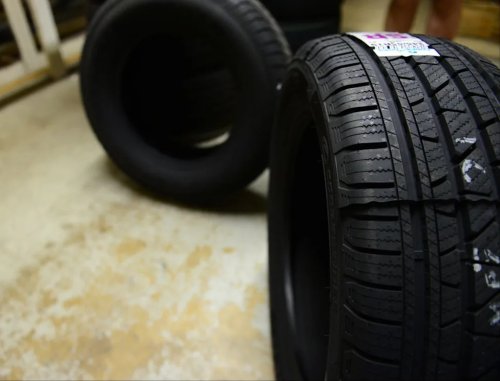
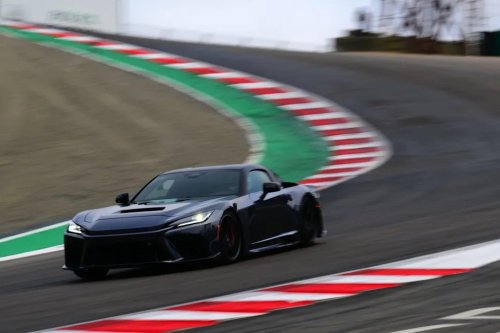























Say Goodbye to Sticky Tires in CaliforniaMediaNews Group/Reading Eagle via Getty Images - Getty ImagesThe California Energy Commission, which has some authority over these things, launched a new regulation that will require low-rolling-resistance tires on most replacement tire purchases in the state starting in 2029."The California Energy Commission (CEC) on Monday approved the Replacement Tire Efficiency Program (RTEP), the nation's first efficiency standards for replacement tires sold for passenger vehicles and light-duty trucks in California," the CEC said in a release.The CEC says it will lower pollution by essentially giving all cars and light trucks better gas mileage or electric range, but will also save consumers money.Justin Sullivan - Getty Images"The standards, approved unanimously by CEC commissioners, will save California drivers nearly $1 billion per year in gasoline and electricity costs, putting money back in their pockets," CEC said. "The standards will also reduce carbon dioxide (CO2) emissions by 2 million metric tons per year, equivalent to taking approximately 400,000 gasoline cars off California roads."AdvertisementAdvertisementThere were other opinions on the new regs.Representing tire industry concerns during the California Energy Commission (CEC) proceedings, Goodyear lobbyist Bret Gladfelty was quoted in the New York Times saying that the new low rolling resistance tire regulations were "not ready for adoption." Goodyear warned that the mandate would eliminate roughly 70 percent of currently available replacement tires, significantly drive up upfront consumer costs, and reduce market choice.The CEC says it'll cost relatively little."The incremental cost for consumers is very low—only $1.50 per tire during Phase 1 (2029-2033) and $6.50 per tire during Phase 2 (2033 and beyond). A typical driver of a gasoline car with more efficient tires will save $179 of gasoline over the life of a set of tires, or about seven times the incremental cost. These savings were calculated with gasoline prices of $4.60 per gallon. At the elevated gasoline prices of mid-2026, the savings could be 25 percent higher than estimated."Grip around corners is important.toyotaLeft unsaid was the safety benefits of having tires with more grip. While low-rolling resistance tires do roll with less resistance as long as you're going in a straight line, they tend to grip less in corners. In an evasive maneuver you want performance tires, not hardened LRRs.AdvertisementAdvertisementThe tires that come on new cars are typically designed to give drivers better fuel mileage, the CEC argued. But average replacement tires are less efficient, meaning that consumers often lose mileage and range when they replace their tires. These cost-saving standards are designed to ensure that replacement tires are at least as energy efficient, on average, as tires sold on new vehicles, the CEC said."Today, we are proud to approve the nation's first replacement tire efficiency standards," said CEC chair David Hochschild. "This action will help Californians save approximately $1 billion a year on refueling while reducing pollution and extending the range of vehicles on the road. I would like to thank all the consumer organizations, industry leaders and public health advocates for their support of this important step forward for California."Mariia Grishina - Getty Images"California's direction is consistent with Michelin's all-sustainable and holistic approach for reducing the impact of tires at every stage of the life cycle without compromising safety and other performances that are important to consumers," said Michelin North America Director of State and Local Government Affairs, Francesca Mosteller. "We support the efficiency goals and believe the proposed thresholds in this rulemaking are technically feasible within the defined timeframes.""[The state] is at the cusp of adopting a program that will deliver real cost savings and environmental benefits to the people of California, allowing you to drive forward energy and climate benefits," said Karim D. Marshall, director of climate and energy policy, Consumer Federation of America.AdvertisementAdvertisementThere are already replacement tires that meet the standards and are available today, CEC said."These tires are popular, safe, long-lasting, competitively priced, and made by a wide range of manufacturers. Manufacturers will have many years to adjust the design of tires that do not yet meet the standard, which comes into full effect in 2033."Can a branch of the state government essentially make a law?Jackyenjoyphotography - Getty Images"California's 200-plus executive branch agencies, departments, boards, and commissions have either express or implied rulemaking authority," said the news site California Globe, which focuses on news stories from the Golden State "The power to adopt regulations in this state is by use of quasi-legislative authority, which has been delegated by the California Legislature to executive branch administrative agencies. This power comes from a statute enacted by the Legislature, rather than the state Constitution, which grants the lawmaking power to the legislative branch of state government."AdvertisementAdvertisementSo someone could take the matter to court, as carmakers did during the first ZEV mandate, which was de-clawed over 30 years ago.And no one has heard much about governor Gavin Newsom's executive order requiring 100 percent ZEVs by 2035, either. So it's possible that one way or another this won't come to pass. All you have to do is sue. Or vote.