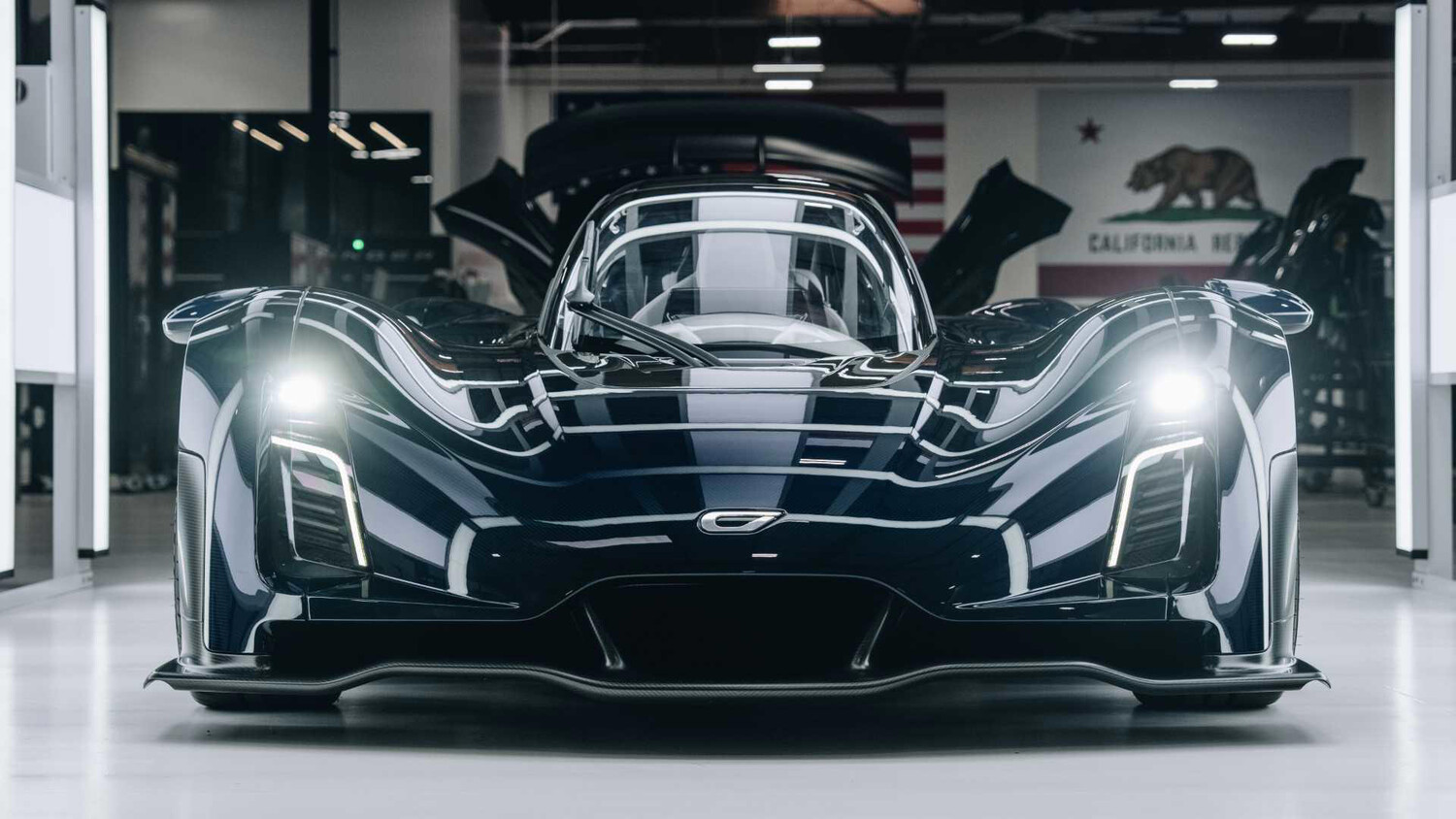
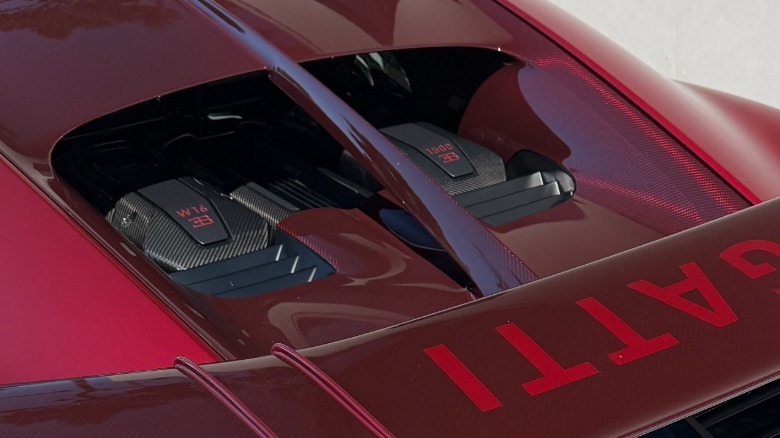
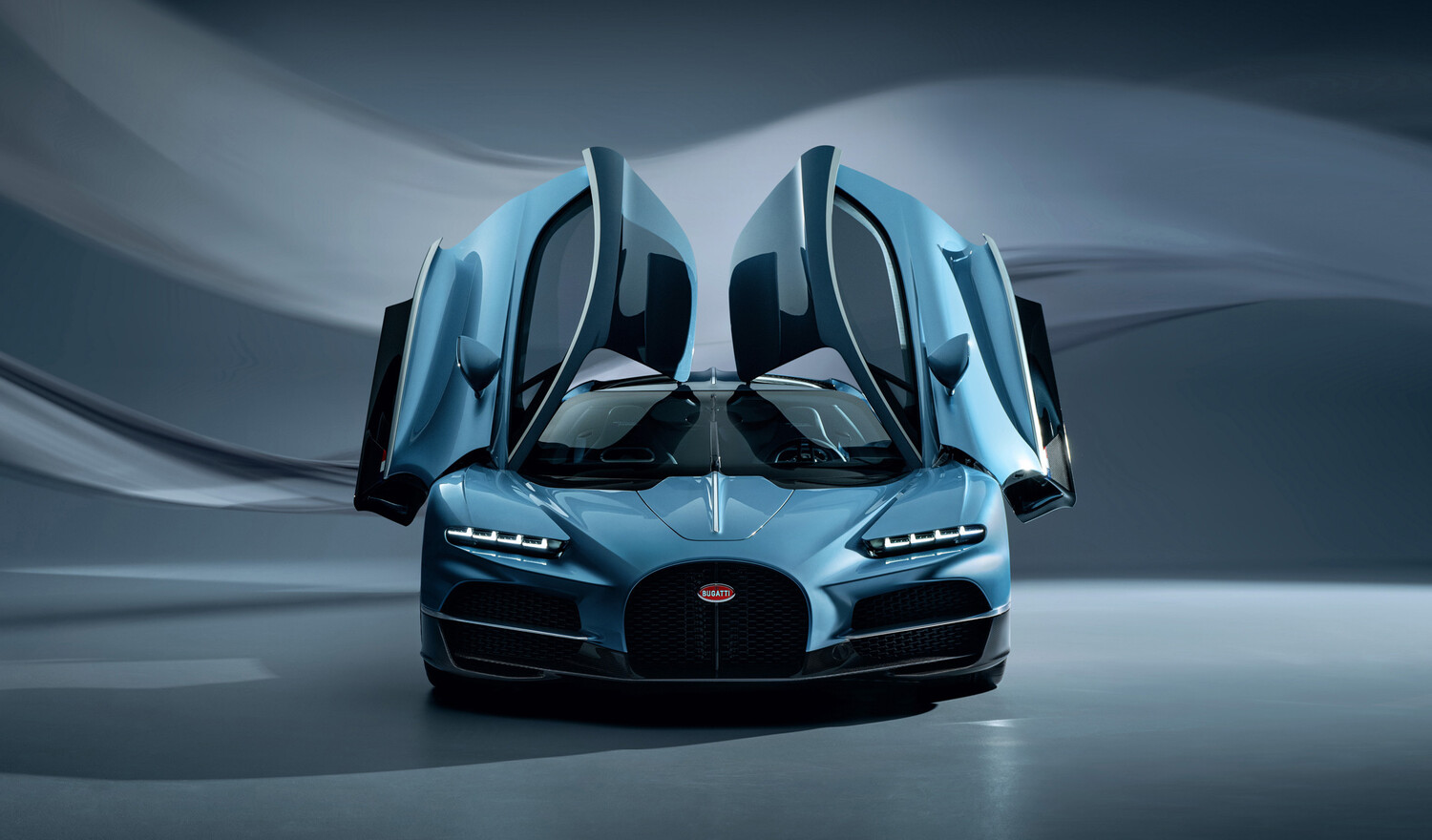
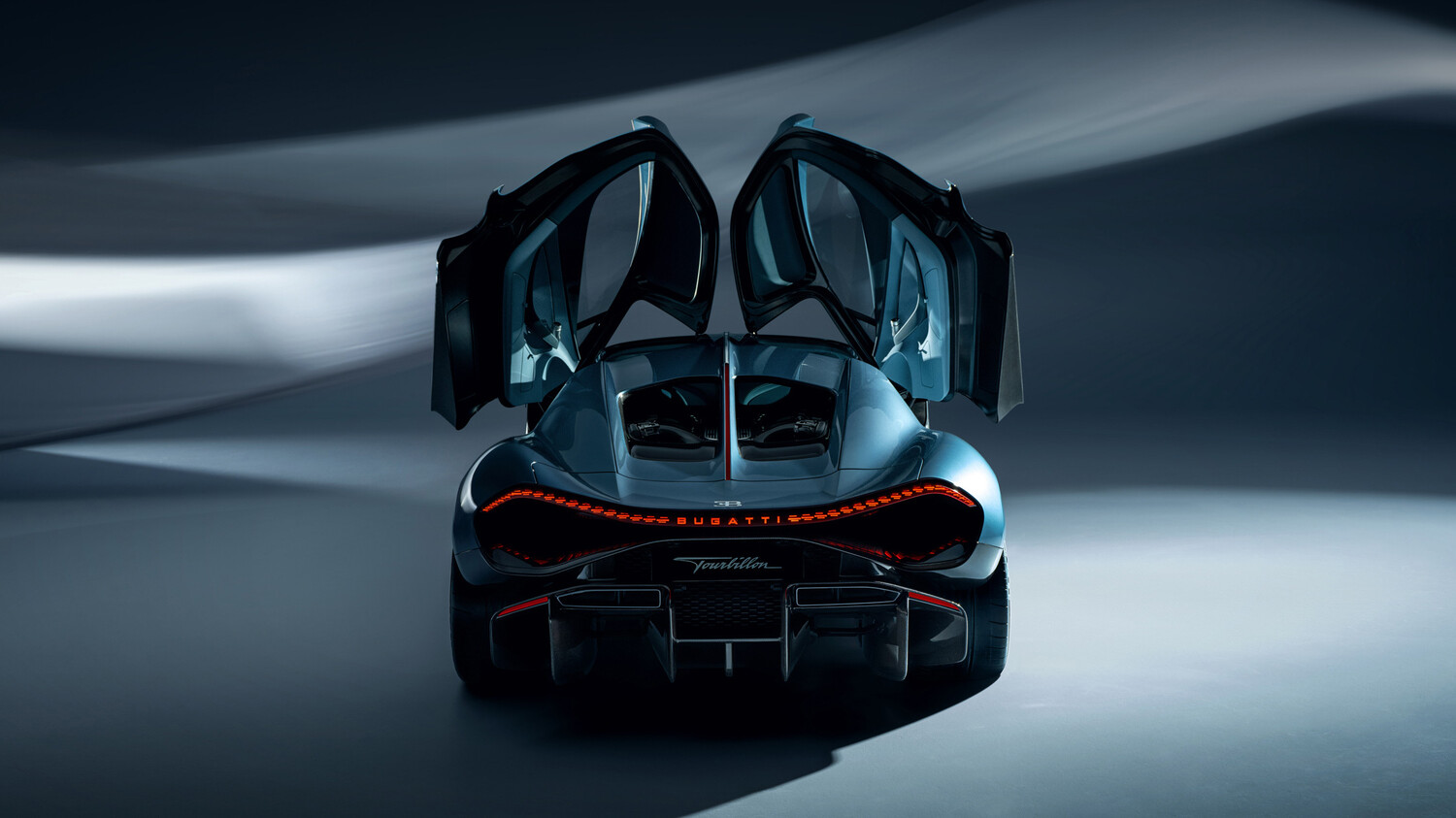
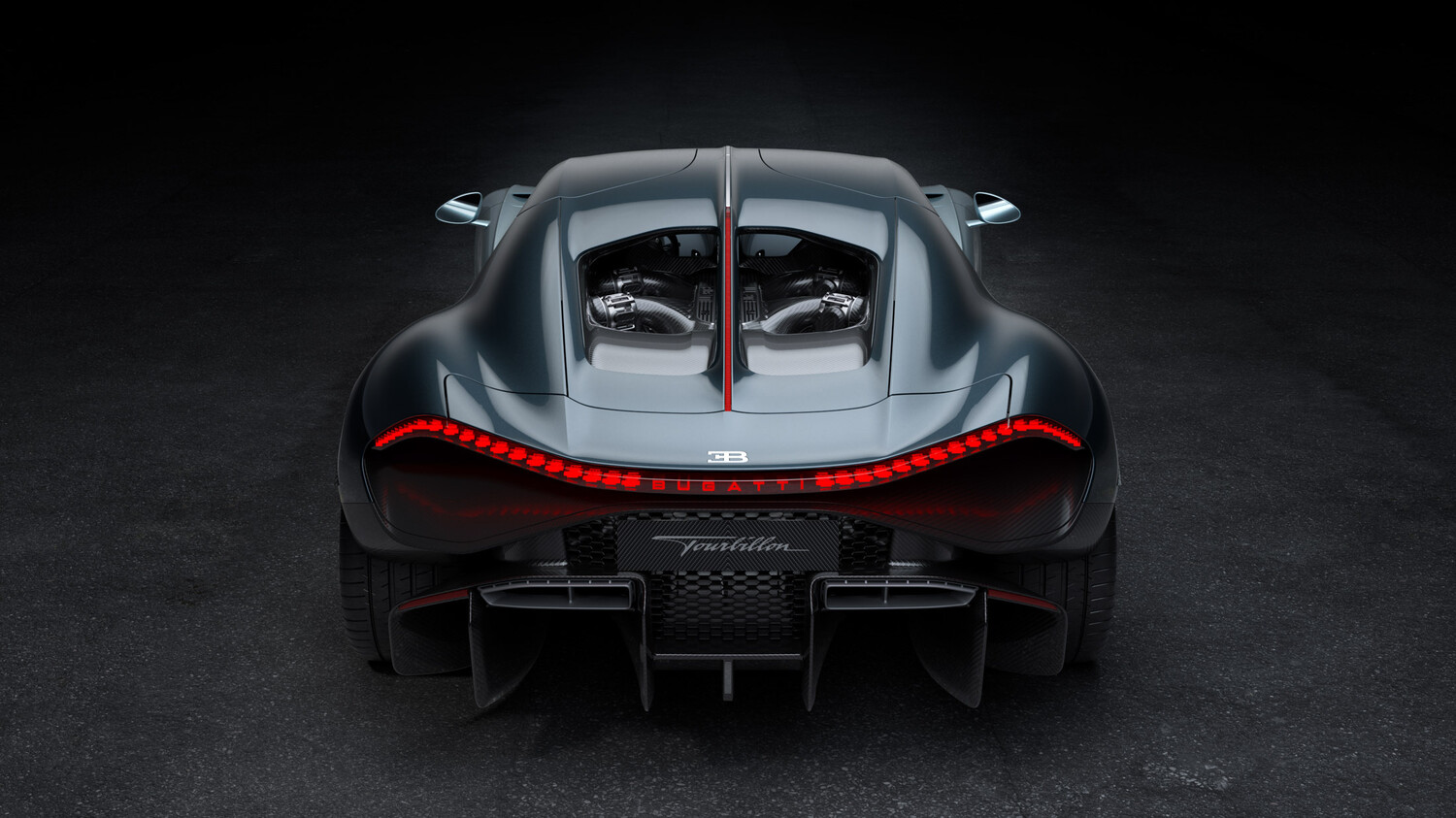
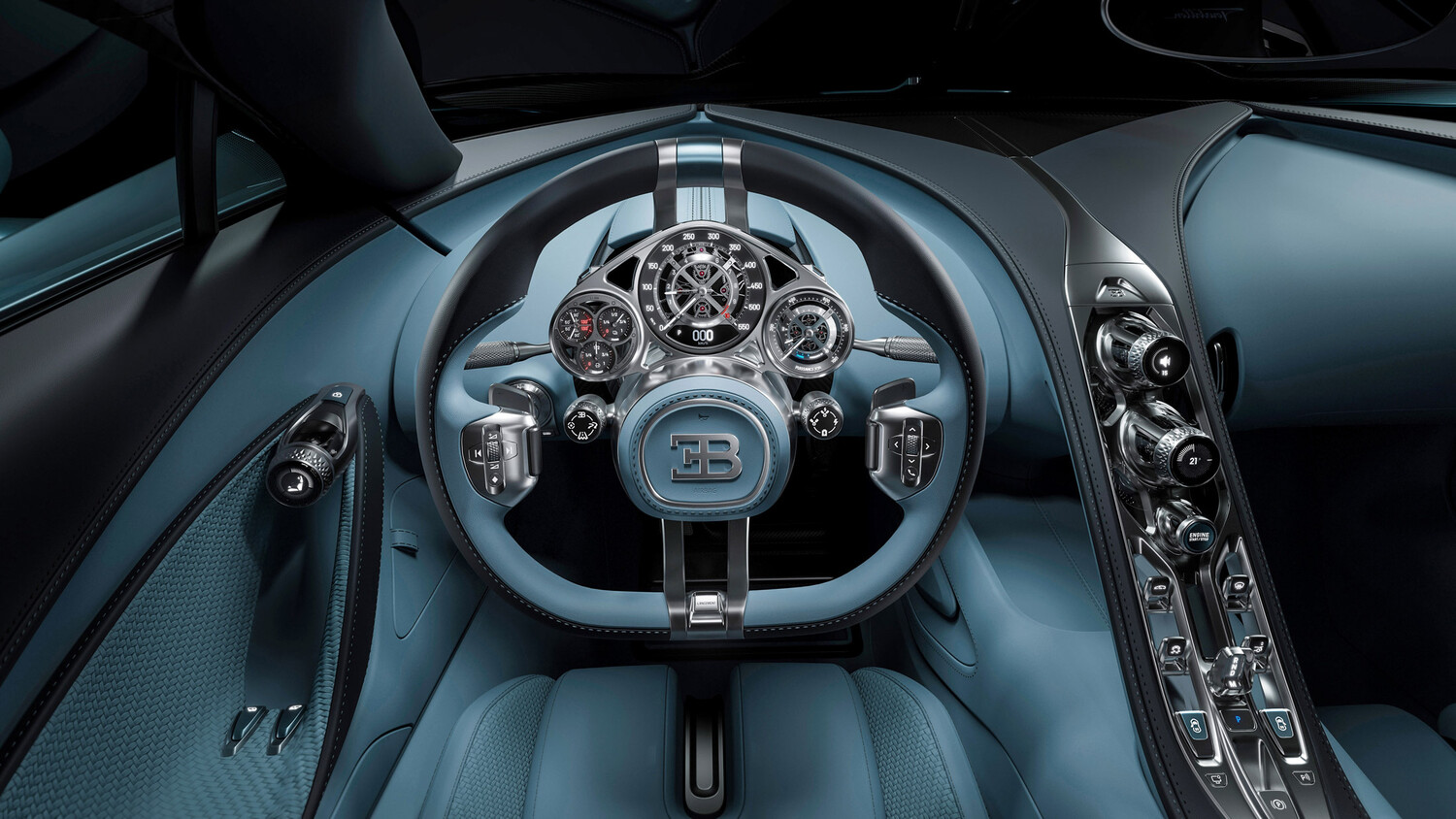
Rimac will reportedly end production of the Nevera at the close of 2026, with the 71st car marking the finish. The electric hypercar collected records throughout its life, but buyers never arrived in the numbers the Croatian company expected. According to a Carscoops report, 51 of the 71 are standard Neveras, and the rest of them are the Nevera R. The original goal for the standard car alone was 150 units. Falling Short of the Plan When the Nevera R was unveiled in August 2024, Rimac set a limit of 40 units for it, bringing the combined target to 190 cars. Auto Motor und Sport calculates that 71 cars are only about 37 percent of that. Measured against the 150 figure, the result is still less than half. Image Credit: Rimac The slowdown began early. In May 2024, Mate Rimac told a conference in London that just over 50 cars had been delivered, and the total has risen only slightly since. Only around 20 Nevera Rs will be built, half the 40 originally planned. Records That Weren't Enough The engineering was never in doubt. The Nevera's powertrain makes 1,914 hp, and in May 2023 Rimac reported 23 record performances in a single day. That year it also lapped the Nürburgring Nordschleife in 7:05.298, an electric production-car record. The Nevera R pushed on, reaching 431.45 km/h and setting 24 further records in 2025, including a 0-400-0 kph run in 25.79 seconds. The Koenigsegg Jesko Absolut has since beaten that time. On November 1, 2026, a street-legal Yangwang U9 Extreme reached 503.17 km/h, well beyond the Nevera R's top speed. Image Credit: Rimac Buyers Want Engines When the Nevera was unveiled in 2021, electric performance cars seemed to be the industry's future. Pininfarina even used the car as the base for its Battista hypercar. Since then, wealthy buyers have shifted toward screaming combustion engines. Mate Rimac compares electric cars to smartwatches: technically ahead of mechanical watches, but lacking their prestige. He expects high-end cars to stay combustion-powered, as the Bugatti Tourbillon does. It was meant to be an electric Bugatti built on the Nevera, but became a hybrid with an 8.3-liter Cosworth V16. Without the Nevera, the VW Group might never have pursued a deal with Rimac.