By the end of 2026, the final Rimac Nevera will roll off the production line, as announced by company founder Mate Rimac on Instagram. However, a review of production figures reveals that the model received less demand than originally planned. The standard Nevera was intended to be built 150 times, while the sharpened Nevera R version, introduced in August 2024, was planned for 40 units. By the end of production this year, however, only 51 and 20 respective vehicles will have been built. Of the 20 R versions, ten belong to the limited Founder’s Edition, which customers configured together with Mate Rimac and which have been delivered since January 2026. Another ten are currently in production.
The weak demand was not due to performance: with 1,408 kW – or 1,550 kW in the Nevera R – the electric hypercar set numerous records, including a Nürburgring lap as a production electric vehicle in 7:05.298 minutes and a top speed of 431.45 km/h. Nevertheless, demand for the hypercar, which costs at least two million euros, began to wane from mid-2024.
As Mate Rimac himself admitted, immense acceleration is no longer a unique selling point for the ultra-wealthy, now that significantly more affordable saloons can sprint from 0 to 100 km/h in under three seconds. Instead, collectors are seeking emotional resonance – comparable to Swiss luxury watches, which retain their appeal despite the functional superiority of smartwatches.
However, Mate Rimac does not view the early discontinuation of the Nevera as a setback. Instead, he credits the Nevera with having already accomplished its mission – it enabled the company to reach its current position. On Instagram, he said: “I think this is still a pretty good achievement. It’s the most sold electric hypercar in the world. And without that, there wouldn’t be a Tourbillon today, nor this factory. So it has done its job and I think it’s a pretty cool car that will secure its place in history. And thank you to all the owners who have been part of this incredible journey.”
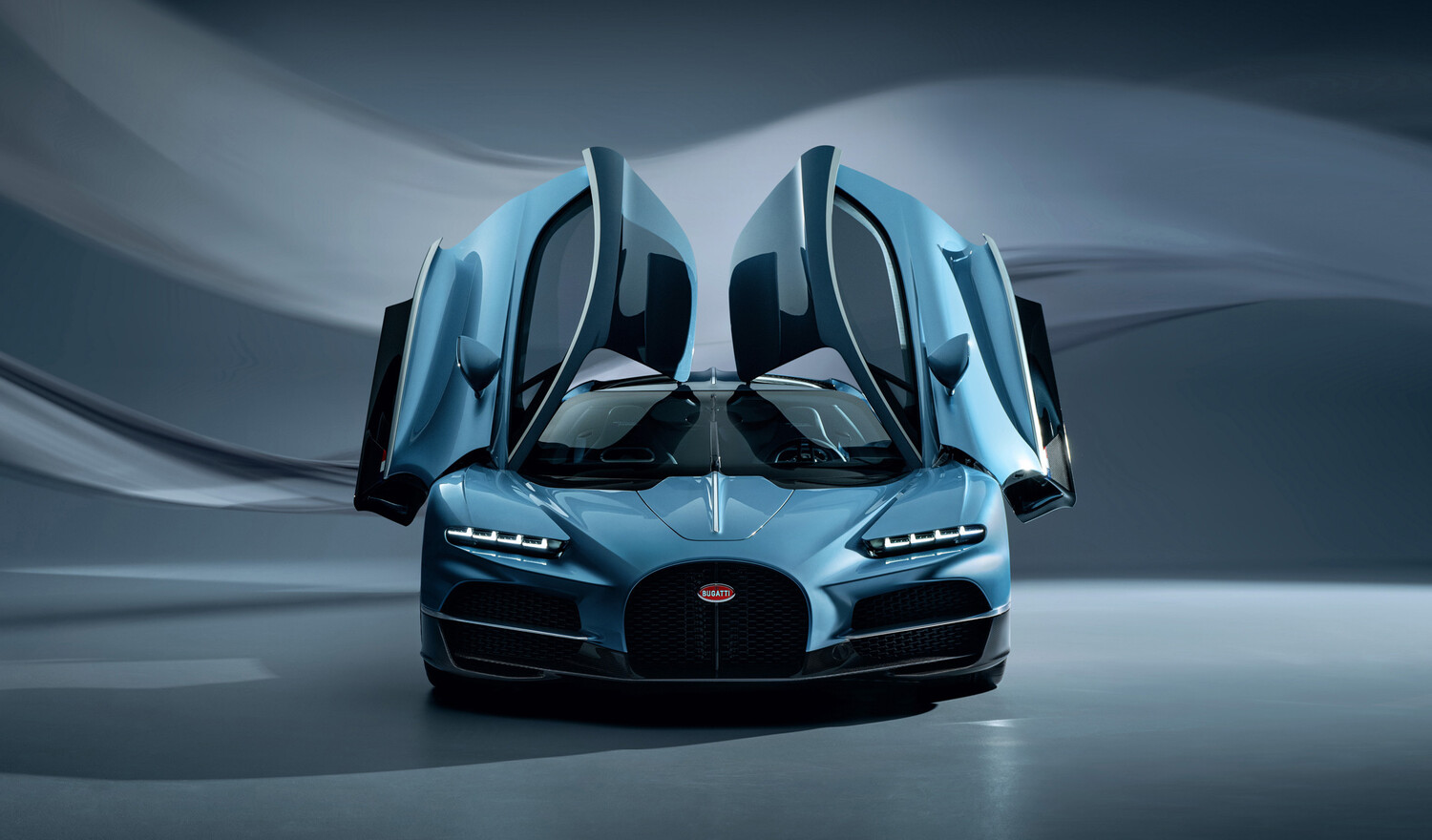
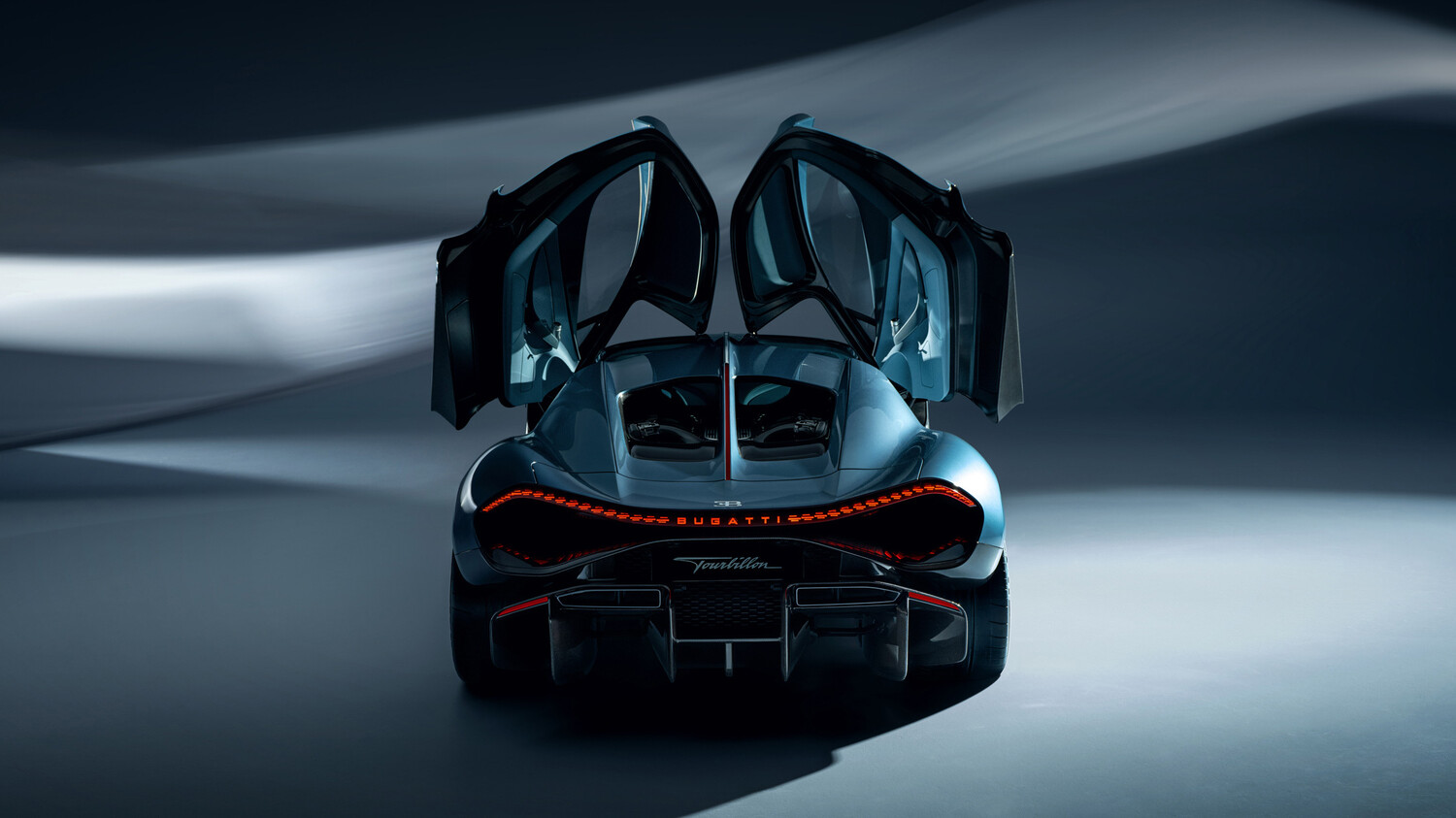
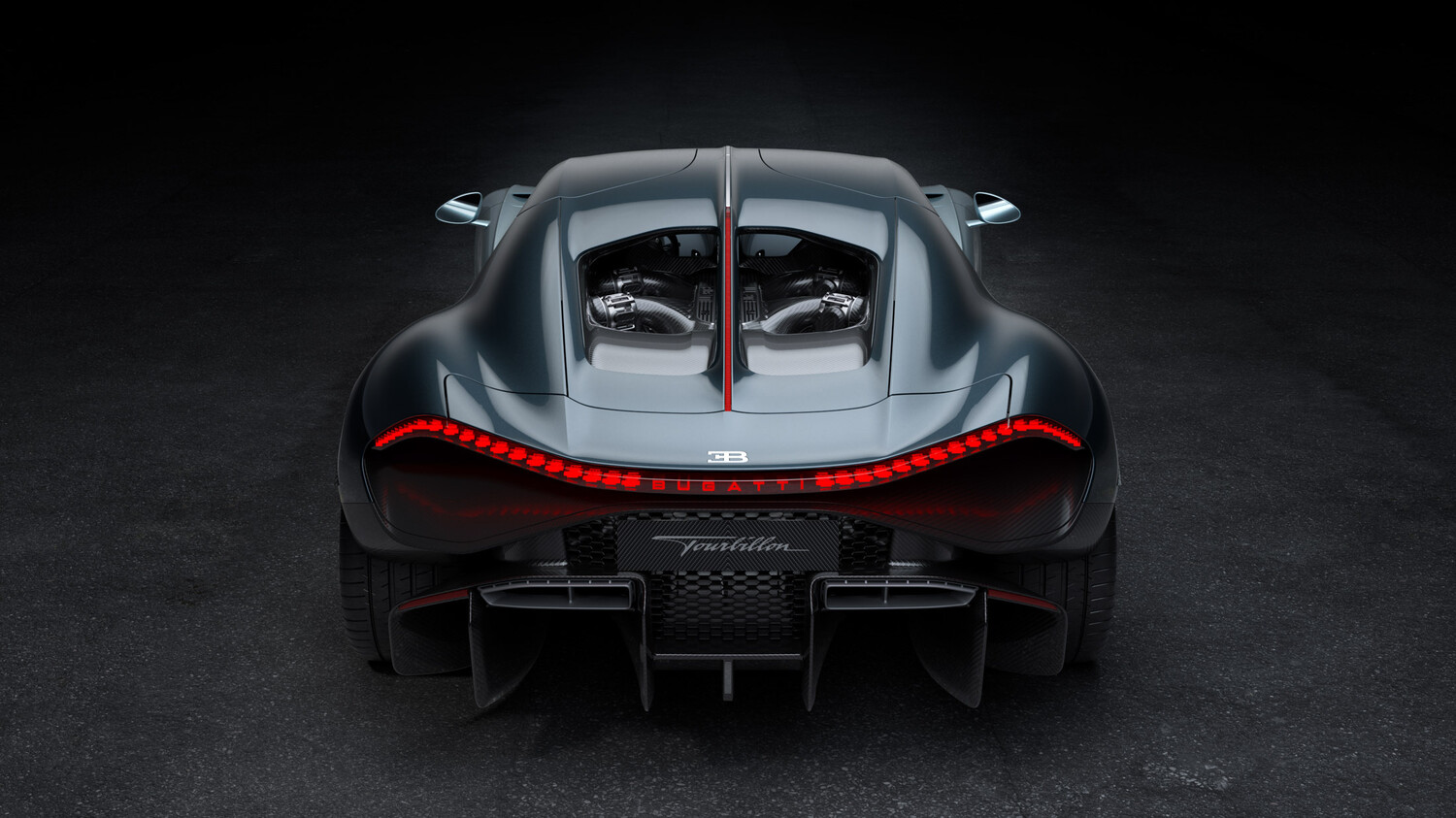
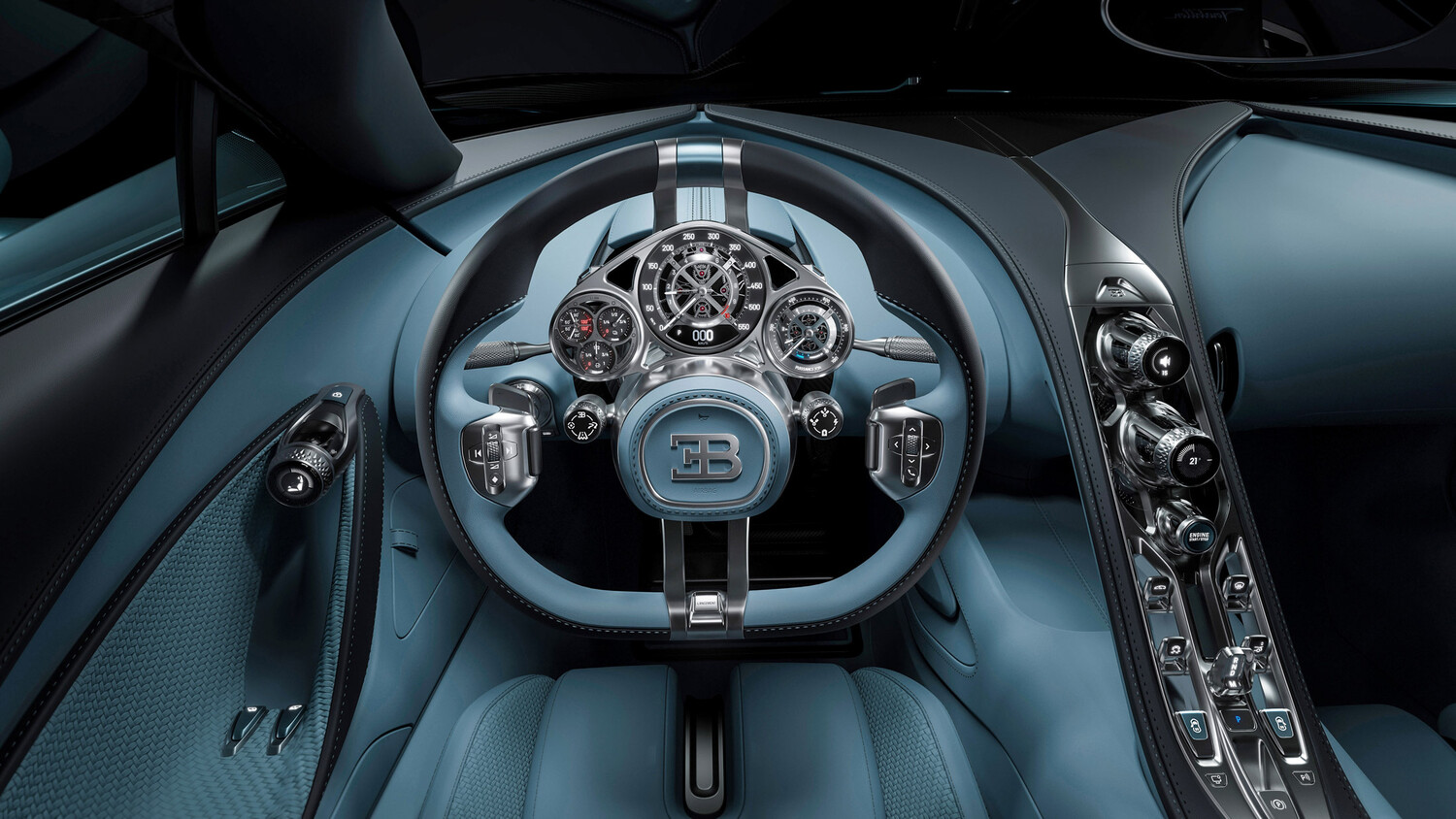
In addition to producing the already sold-out V16 hybrid Bugatti Tourbillon at the joint venture Bugatti Rimac, Rimac also celebrated the launch of the new Rimac Campus in Zagreb for the production of high-voltage battery systems at the beginning of 2026. Furthermore, the autonomous shuttles of Rimac’s subsidiary Verne began their first commercial operation in Zagreb in spring 2026, for which dedicated production capacities were also established in Croatia.
This marks Rimac’s definitive transformation from a niche manufacturer of electric record-breakers into a broadly positioned technology conglomerate – while, according to Mate Rimac, the emotions on the road will in future be reignited by a V16 combustion engine.
instagram.com (Video by Mate Rimac), thesupercarblog.com, auto-motor-und-sport.de (DE)