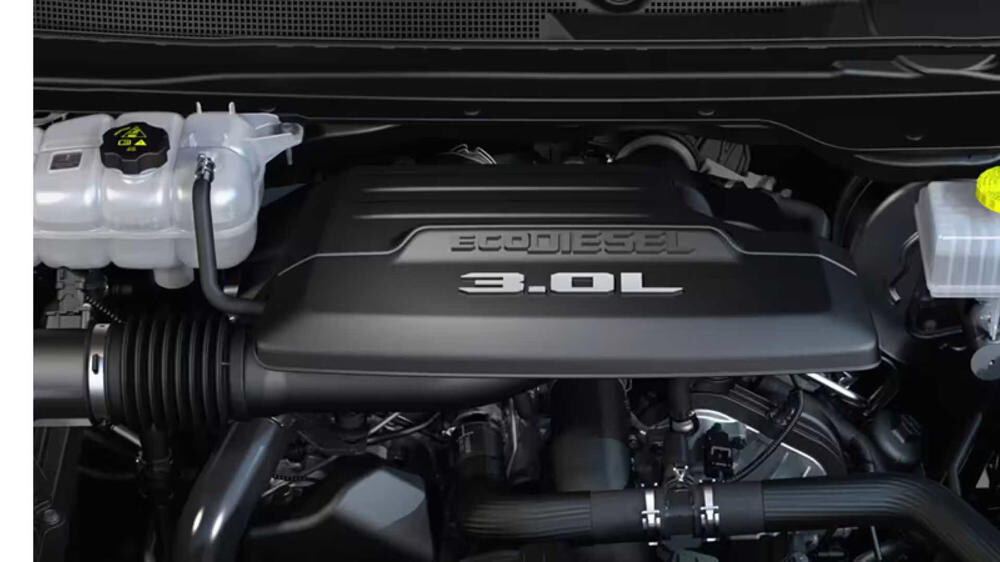
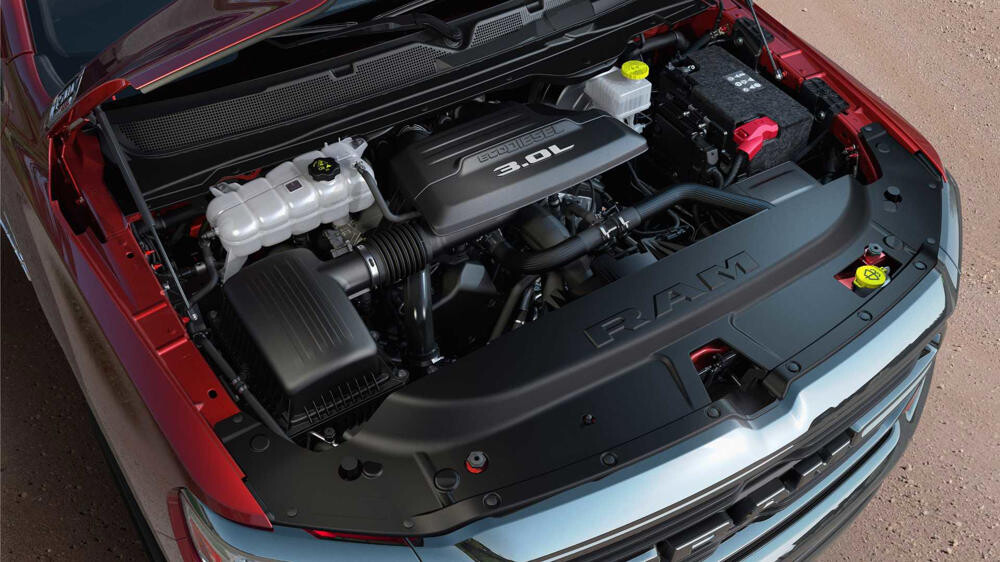
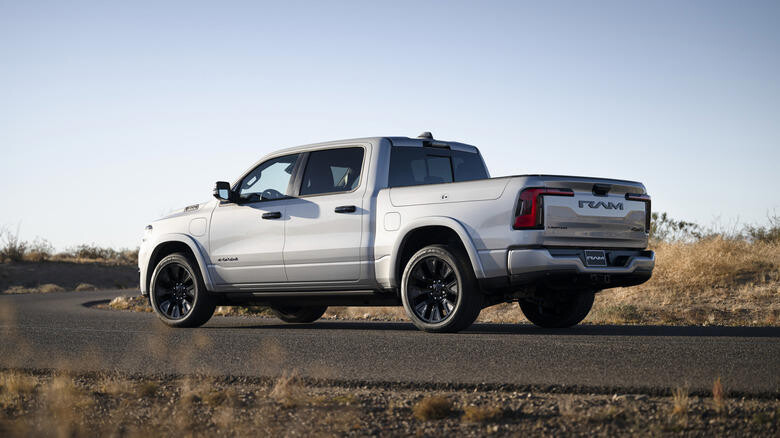
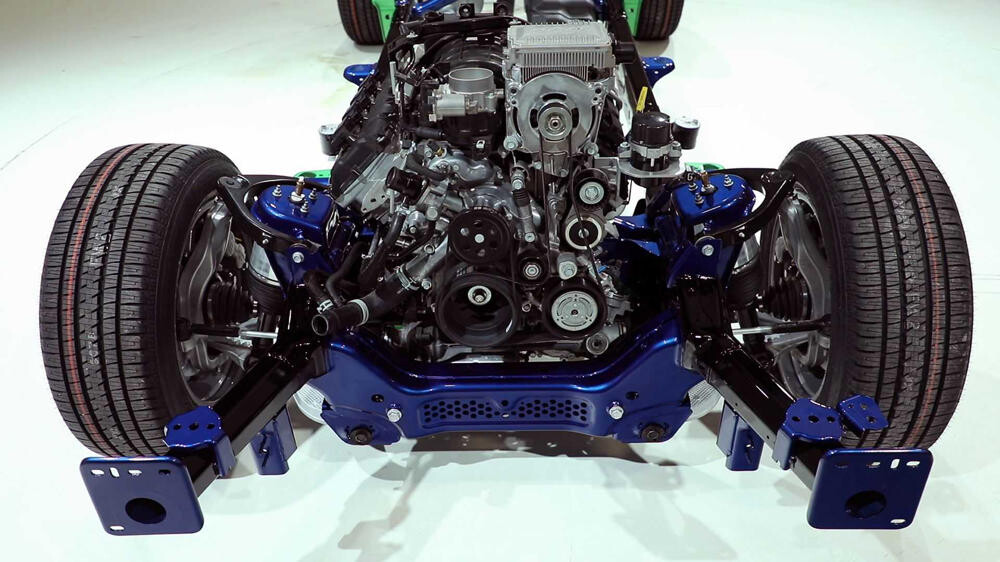
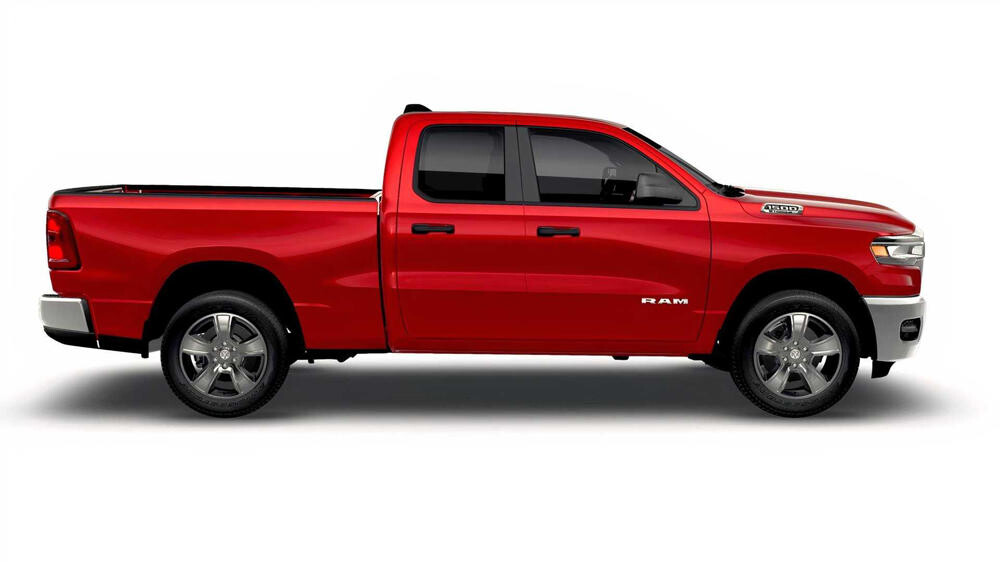
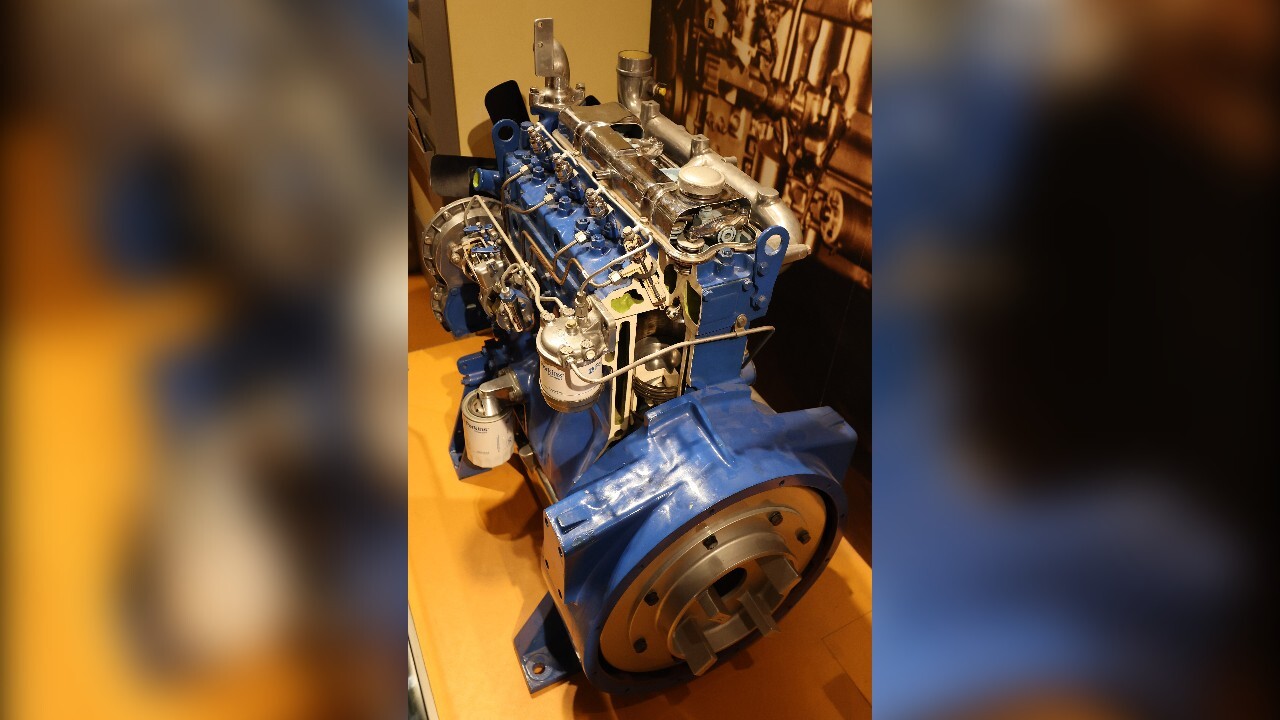
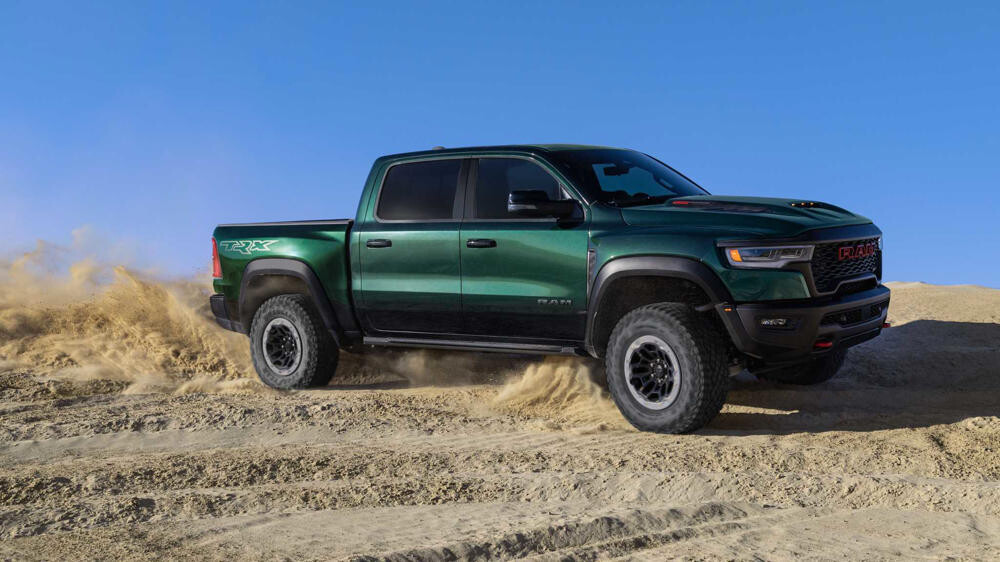
Even though diesel isn't exactly in vogue right now, given the significant increase in the cost of the fuel due to the ongoing conflict in Iran, it's hard to argue against its continuing merits in certain vehicles. It's barely used in light vehicles thanks to the dangerous nitrogen oxide levels the fuel emits, but the enhanced torque, reliability, and fuel efficiency enjoyed by engines that use it make it useful in heavier-duty capacities, like in pickup trucks. That said, popular power plants like those built by Cummins can be expensive to buy, even on the used market. That's why a less prolific, but still effective, unit found in old Ram 1500s could be the ideal alternative. Ram 1500s Sporting An EcoDiesel Can Be Found For Peanuts Should this arrangement sound appealing, consider the Ram 1500 available with the 3.0-liter EcoDiesel engine, which was available from 2014 until early 2023. While the larger and more powerful Cummins turbodiesel powerplants were only found in the heavy-dutyRam 2500and3500trucks during that time period, as well as other trucks like theNissan Titan XD, the smaller 1500 got the EcoDiesel instead. While it doesn't produce quite as much torque as the larger Cummins units, buyers seeking a capable pickup truck that isn't the size of a building should find the EcoDiesel's performance more than satisfactory. This is especially true when you factor in just how much cash you can save by opting for an EcoDiesel-equipped 1500. You can find mid-range SLT and Big Horn trim levels of the truck on the used market with less than 100,000 miles on the odometer for less than $14,000 — a reasonable price for a truck capable of hauling extremely heavy loads without needing to stop for fuel every five miles. By comparison, finding a Ram 2500 equipped with the Cummins diesel at a similarly mid-level spec, and with comparable mileage, will cost closer to $25k. That's significantly more money for a vehicle that most buyers aren't looking to use for heavy-duty, industrial-level work. That raises the question: why are such trucks so much cheaper? The EcoDiesel Was Developed By An Italian Manufacturer The EcoDiesel first arrived in the 1500 for the 2014 model year, though it was simply a rebadged VM Motori L630 engine. VM Motori is an Italian diesel engine designer that primarily focused on developing engines destined for a range of vehicles, such as pickup trucks, SUVs, and even London taxis. Fiat acquired the company in 2011, and after later becoming Stellantis, elected to rebadge the manufacturer's engines for use in models like the 1500 pickup. The EcoDiesel is a turbocharged 3.0-liter V6 powerplant, tuned to prioritize peak torque over outright power, given its role as a workhorse. It produced 240 horsepower, but more importantly, a solid 420 lb-ft of torque, which ensured the Ram 1500 could tow up to 13,070 lbs when properly equipped. Alongside providing the power needed for the 1500 to get more demanding jobs done, the EcoDiesel afforded up to 28 MPG on the highway, which ensured heavy loads could be transported without spending an absolute fortune on constantly filling the tank. It's clear the EcoDiesel lacked outright grunt versus the Cummins, but the reason why the 1500 equipped with it is so much cheaper on the used market versus a 2500 goes further than that. While the Cummins has a legendary reputation for reliability, the EcoDiesel hasn't fared so well. A Plastic Valve, An Emissions Scandal, And A $300m Fine: The EcoDiesel's Troubled History Arguably the most infamous issue faced by the EcoDiesel is oil cooler failure, since the oil check valve built into the component housing has a tendency to fail over time. Due to being made from plastic, the constant heat and pressure from the engine eventually weakens the valve, leading to it breaking and allowing oil to enter the engine's cooling system. The result is that the powerplant won't get enough lubrication, leading to overheating and eventual terminal damage. Watch for any oil in the vehicle's expansion tank, as that is a clear sign the valve has failed and severe engine damage is imminent. Beyond that, the EGR cooler has also been known to let go earlier than anticipated, while some engines suffer from spun bearings due to a manufacturing defect. The latter issue only affects low-mileage engines though, so opting for a truck approaching 100,000 miles will mean you're safe. The controversy didn't end there either, as the EcoDiesel found itself in the middle of an emissions scandal involving Stellantis. In 2019, theUS Environmental Protection Agency found thatRam 1500s featuring the engine built between 2014 and 2016 were equipped with a defeat device that allowed the engine to emit more pollutants than deemed acceptable during normal use. Following a stiff $300 million fine, Stellantis rolled out a recall program that involved updating the ECUs installed in affected vehicles with new software that reduced the volume of harmful emissions from the exhaust. Following reports of the updated software causing the engines to run rough and lose power, a further update was released in 2020 to address these issues. That's a lot of baggage – but most of it has a fix. And knowing exactly which repairs to look for could turn this liability into the best diesel bargain on the used market. EcoDiesel 1500s Can Be Upgraded To Be More Dependable That doesn't mean you should walk away, however. Thanks to the passage of time and plenty of development, hard-wired fixes for most of the major problems have been found over the years. Upgraded EGR coolers are available to help prevent the buildup of soot, and thus the resulting loss of power and rough idle, so be sure to review the service history of any used truck you're considering to confirm whether such an upgrade has been carried out. If not, expect to shell out north of $1,000 to have it applied. There was also a recall issue for a faulty tone ring, which is a crucial component that helps the crankshaft position sensor function correctly. It had a tendency to break apart over time, which would eventually prevent the vehicle from starting. Ensure that the recall has been correctly addressed; otherwise, you could face complications down the road. Speaking of recalls, the 2014–2016 Ram 1500s that needed updated ECU software were also treated to extended warranties due to the revised settings having an effect on how the engines ran. It's important to confirm the required changes were carried out on the vehicle you're inspecting, since the 10-year or 120,000-mile extended warranty afforded to affected models has likely now elapsed. That said, if the recall hasn't yet been carried out, getting it done means you get an additional four years or 48,000 miles. The chances of the affected trucks having made it that far without the recall are very low, though. As long as the truck you're considering has these various repairs applied – and provided you're prepared to invest some extra cash in the event that it hasn't – the EcoDiesel-equipped Ram 1500 can be a reliable daily driver. Plus, given the amount of money you'll save by not opting for the vastly more expensive Cummins-equipped Ram 2500, you should still have plenty of your hard-earned dollars left over. The Ram 1500 EcoDiesel may not have the best reputation, but that doesn't have a bearing on its future as long as it has been treated with the correct remedial work. Sources: Ram.

 Liked by Adam Lavoie, Morgan Young
 Liked by Adam Lavoie, Morgan Young