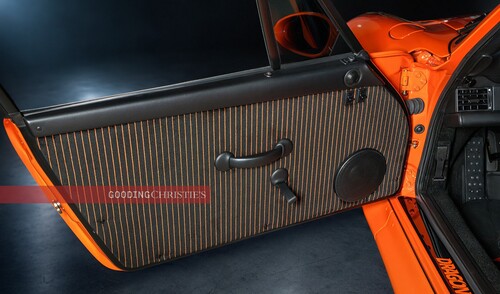
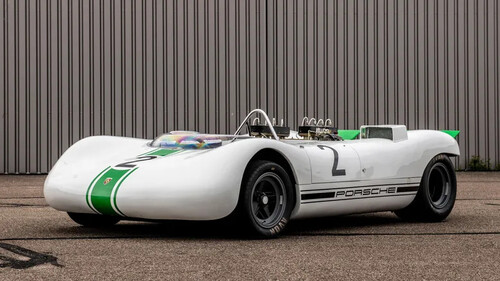
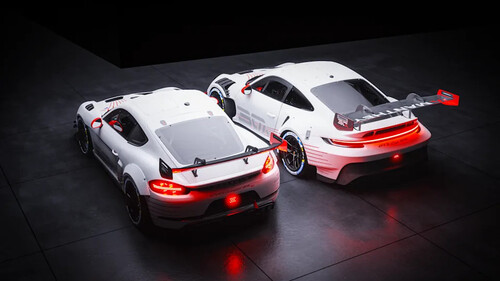
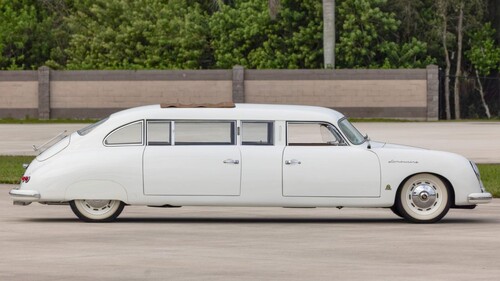
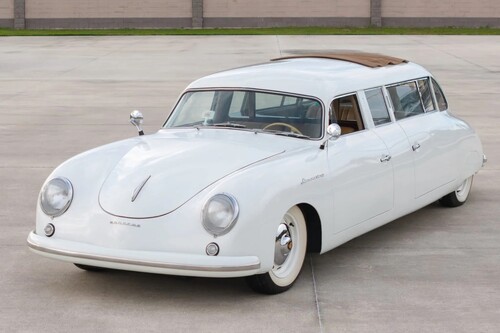
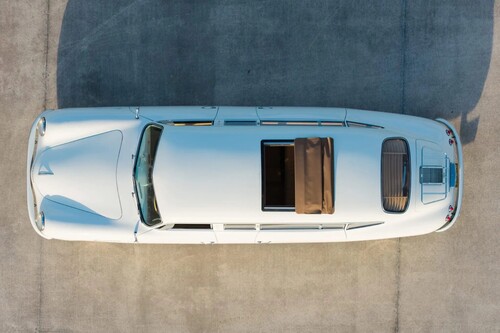
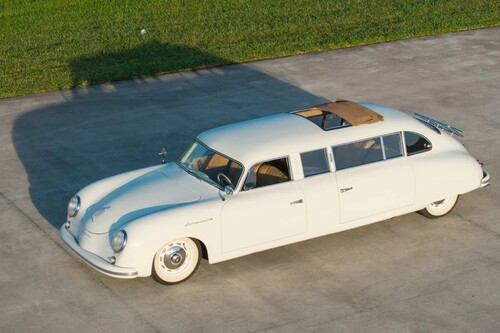
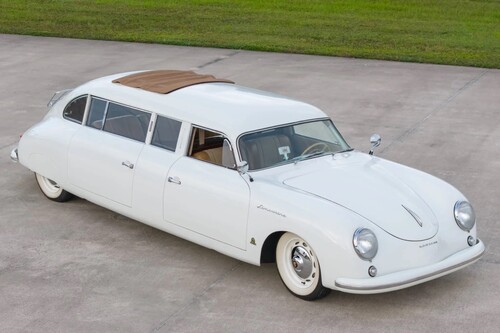
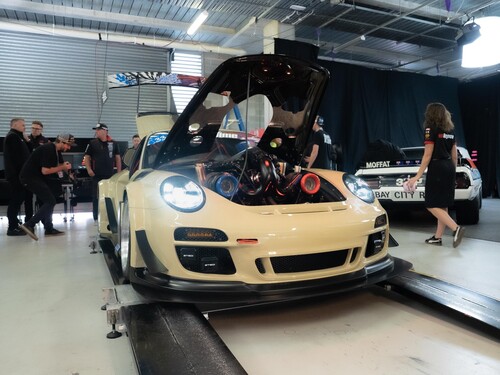
Lauren Wright · 2 months ago@laurenwright16Porsche’s Next 911 GT3 Is Almost Certainly Going Turbo. Here’s Why. Liked byPost commentRelated PostsThis Bright Orange Ruf Might Sell For $8 MillionHenry Moreau · 15 days agoPorsche's Most Uncompromising Race Car Had Carcinogenic BrakesMorgan Scott · 14 days agoPaint-to-Sample Racing Red 911 Sport Classic Heads to Broad Arrow's Las Vegas AuctionElla Hill · 15 days agoNo, This Porsche 356 on BaT Is Not 100 Percent OriginalOwen Clark · 14 days agoManthey Celebrates 30 Years of Speed with Ultra-Limited 4.2-Liter 911 GT3 and 718 Cayman GT4 RSCaleb Rogers · 15 days agoMercedes-Benz 300 SL Roadster Wins Best of Show at Bugatti-Led Concurso de Elegancia Costa del Sol 2026Logan Roy · 14 days agoThe Best Cars Doug DeMuro Ever Drove Cost Between $20K and $9M — Find YoursEmily Carter · 15 days agoI drove the Polestar 5 – the electric super-GT ready to take on the Porsche TaycanEmily Roy · 14 days agoManthey Celebrates Its 30th Anniversary With a New Porsche 911 GT3 Cup and 718 GT4 RS ClubsportBenjamin Morgan · 15 days ago2012 Audi A4 Avant for Sale With 124,000 Miles ShownNicole Mitchell · 15 days agoManthey Racing Debuts Two Legendary Porsche Models, Limited to 15 EachZoë Walker · 15 days agoBring A Very Big Trailer For This Stretched Porsche 356 AuctionOliver Rogers · 15 days agoManthey Shows Off 30th Anniversary Porsche 911 GT3 Cup and 718 GT4 RS ClubsportEthan Girard · 15 days agoPorsche Mission S Supercar Concept Teaser Reveals 8000-RPM RedlineRyan Johnson · 15 days agoSinger's 'Elroy' 911 Is a 791-Mile Tangerine Orange Masterpiece Heading to Cars & BidsCharlotte Brown · 15 days agoNext Porsche Panamera, Audi A8 Will Reportedly Share Both a Factory and a PlatformAmélie Campbell · 15 days agoA Front-Engined, Twin-Turbo V8 Porsche 911 Sounds Like Sacrilege But Actually WorksLauren Clark · 16 days agoAre Porsche’s Manthey Kit Upgrades Actually Worth It? We Took to the Track to Find Out.Mia Walker · 15 days agoFall Carlisle’s Six-Figure Cars Paid for Proof, Not HorsepowerAudrey Côté · 17 days agoNext Audi A8 Porsche Panamera Will Reportedly Share Platform, FactoryLucas Wilson · 15 days ago