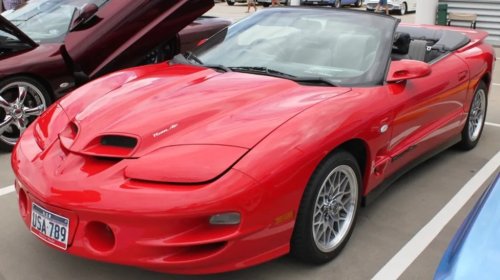
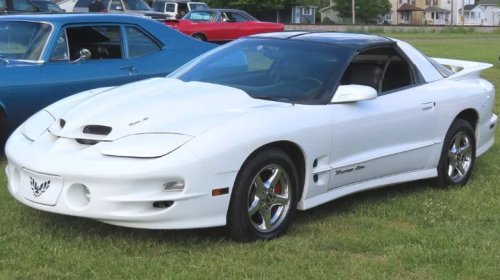
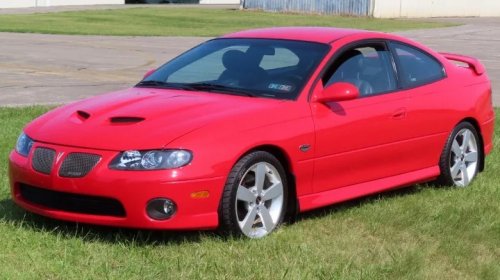
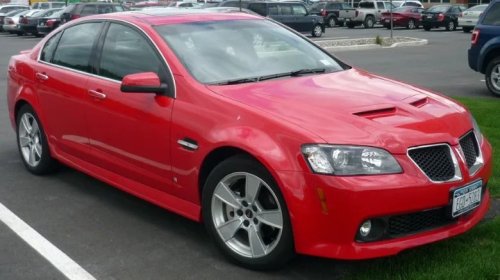
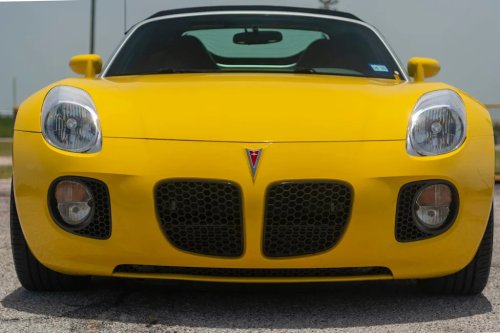
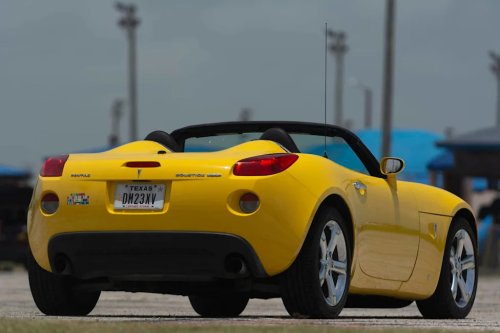
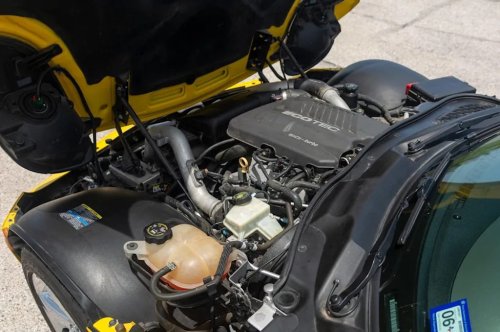
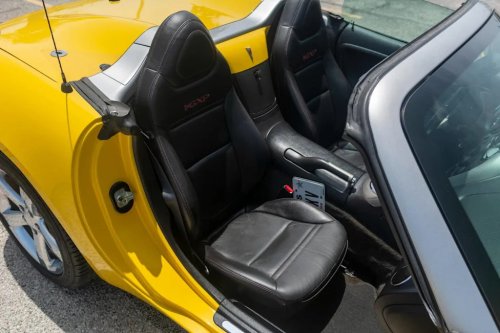
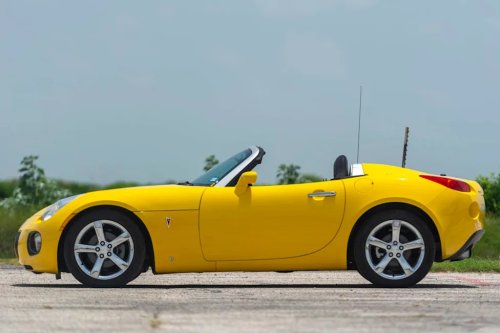
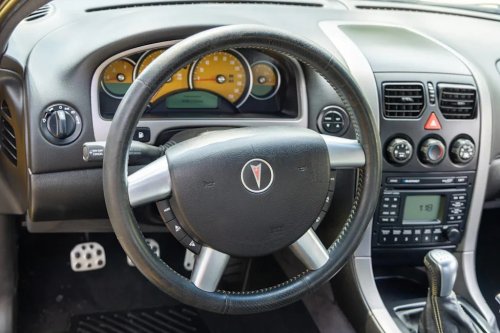
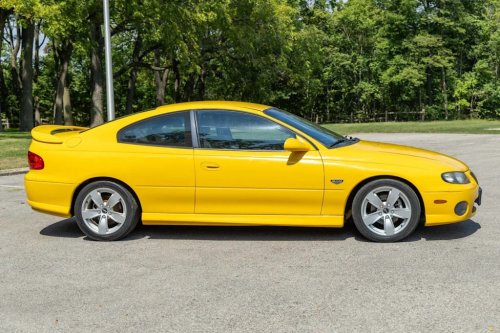
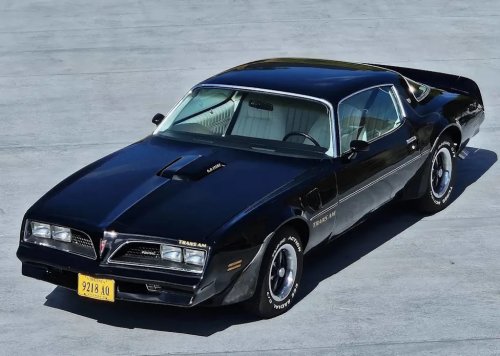
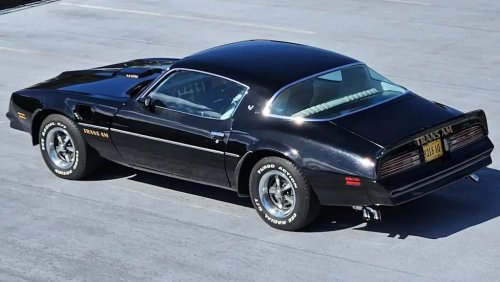
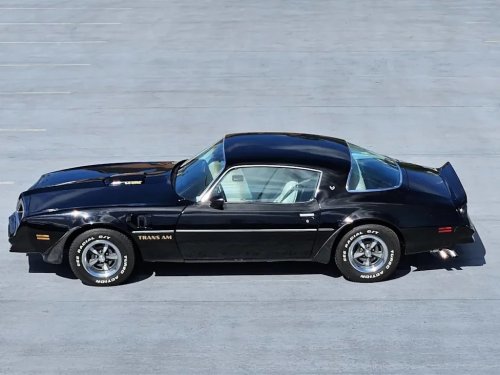
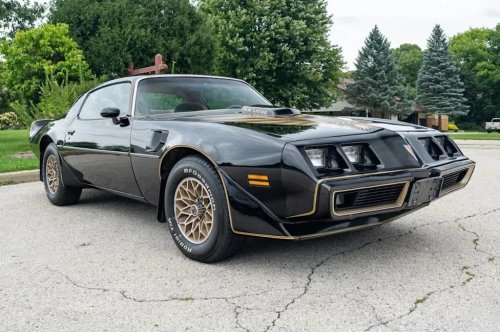
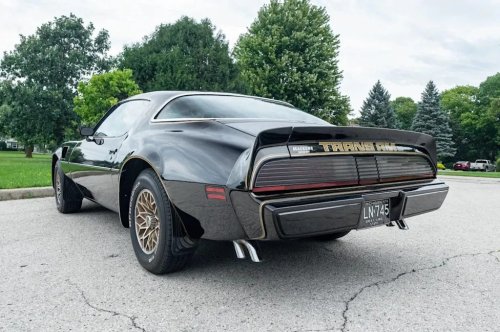
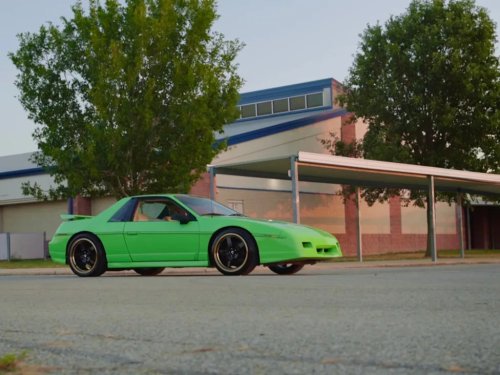
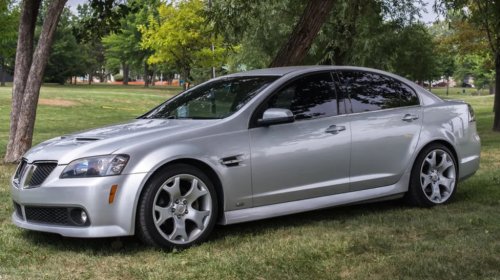
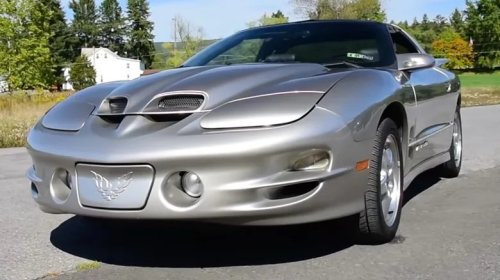
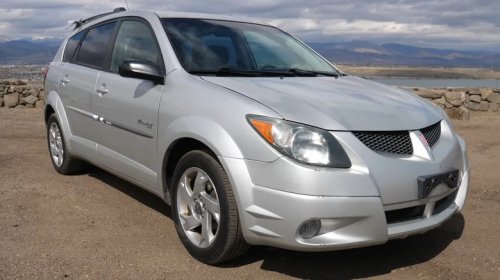
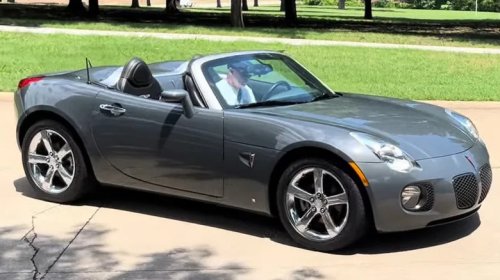
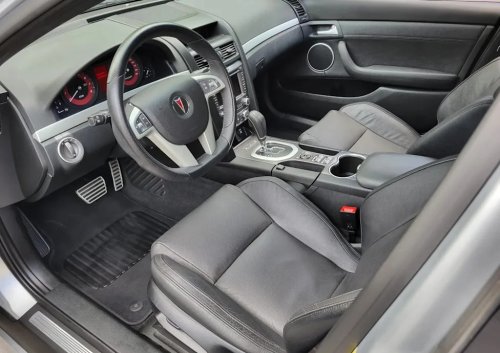
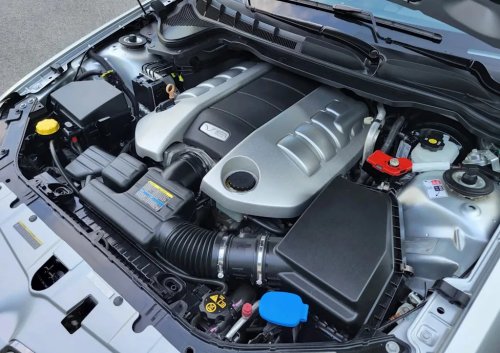
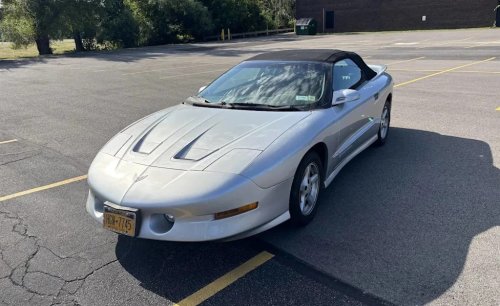
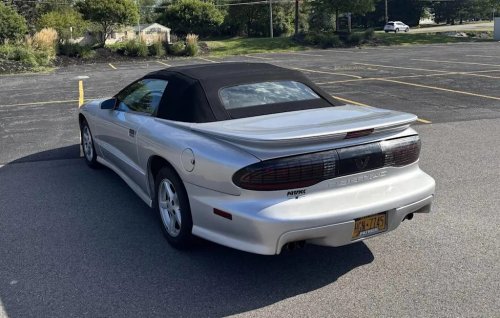
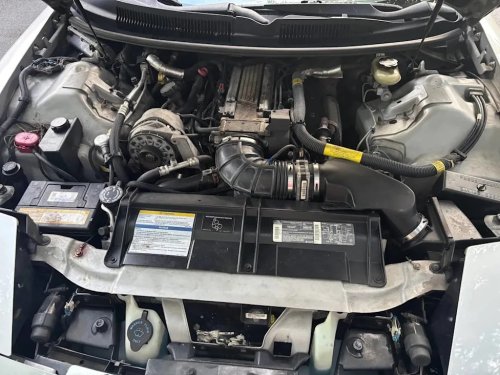
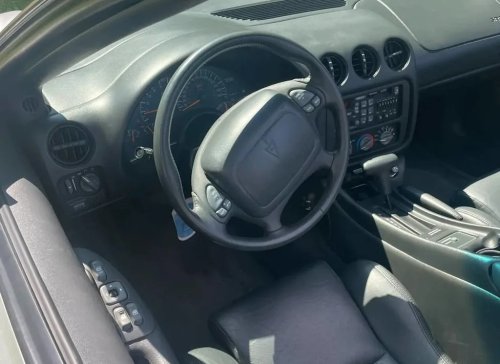
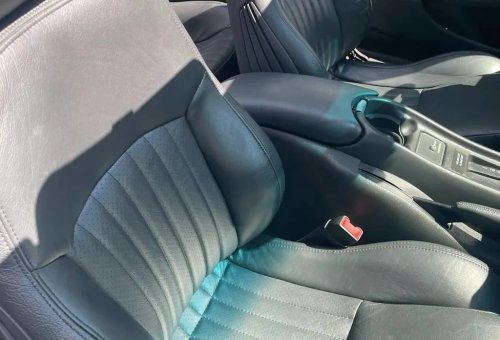
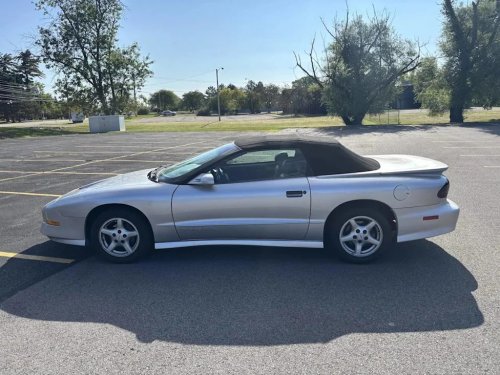
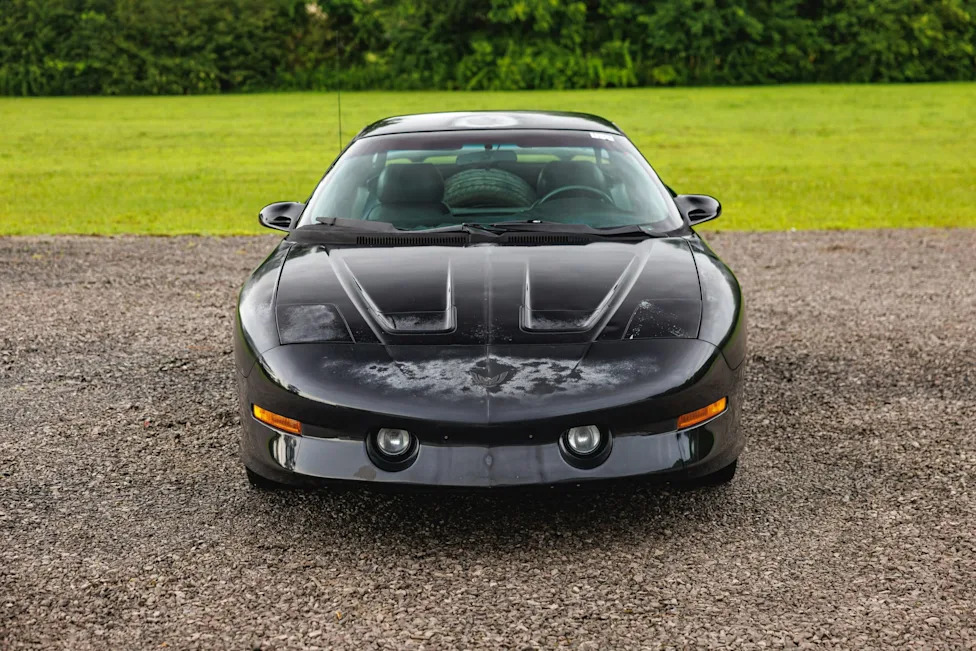
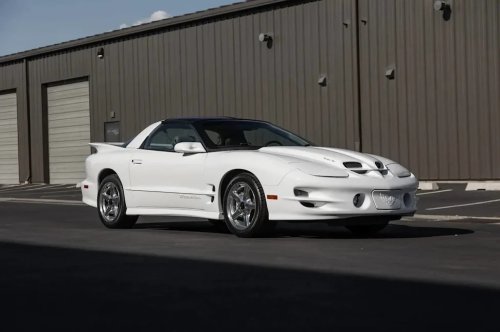
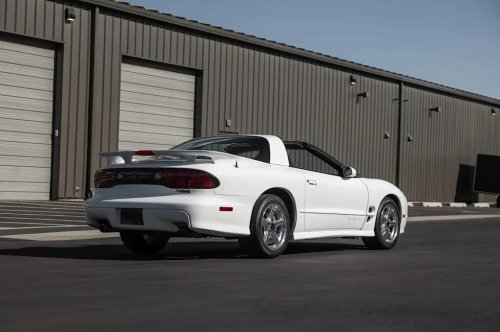
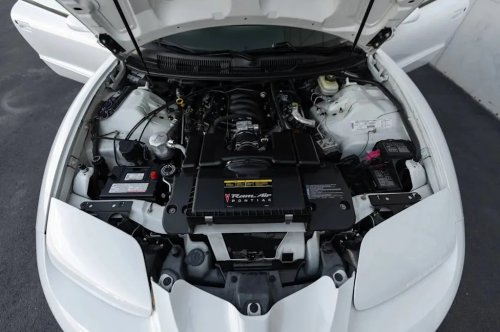
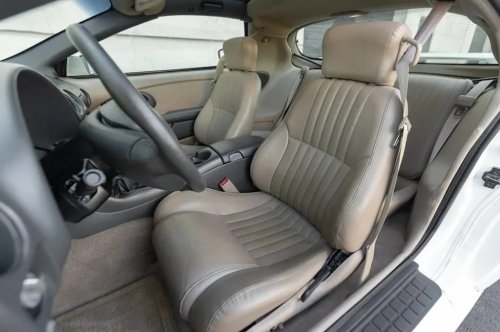
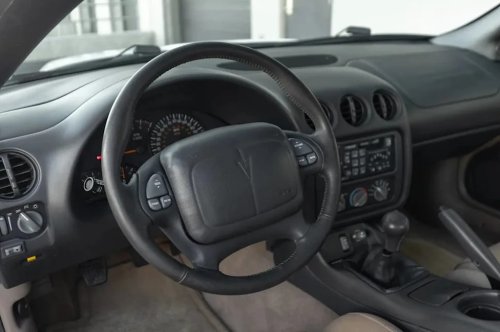
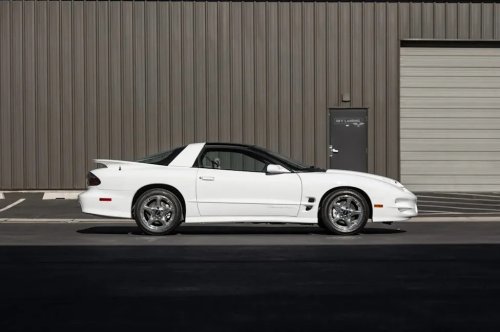
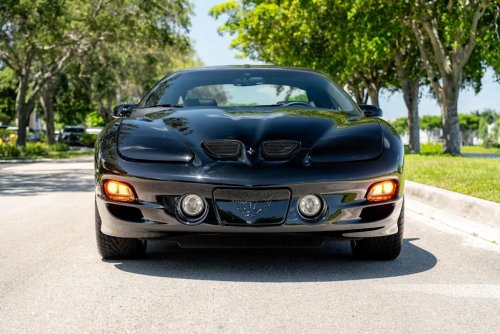
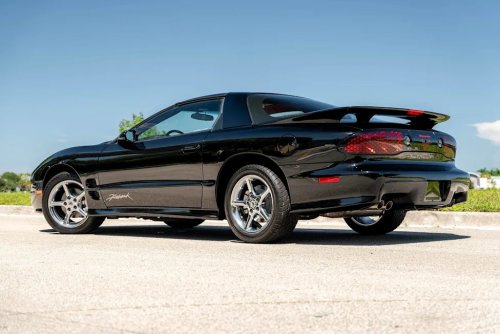
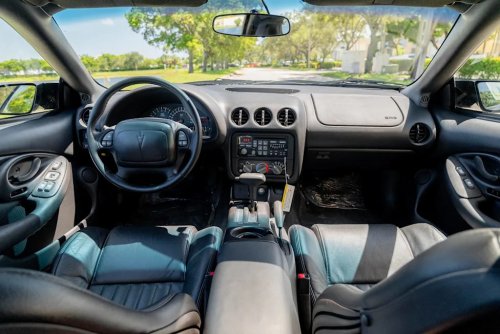
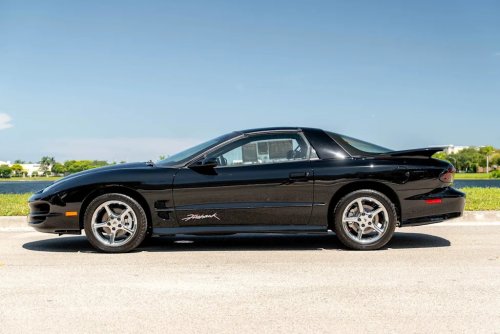
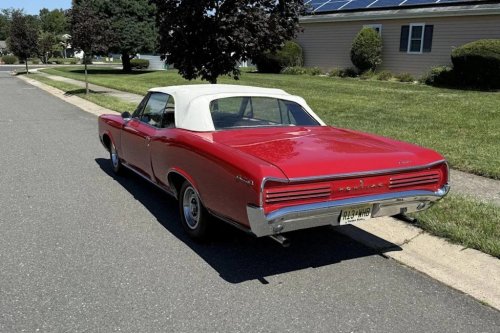
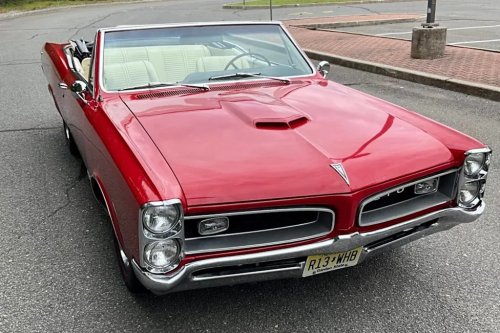
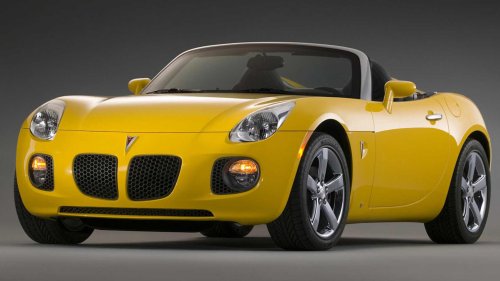
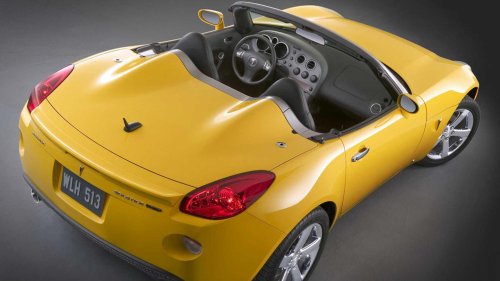
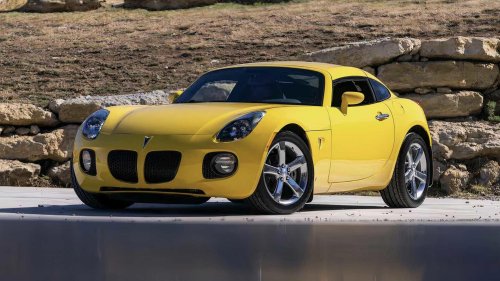
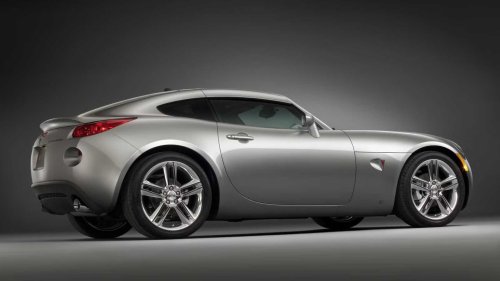
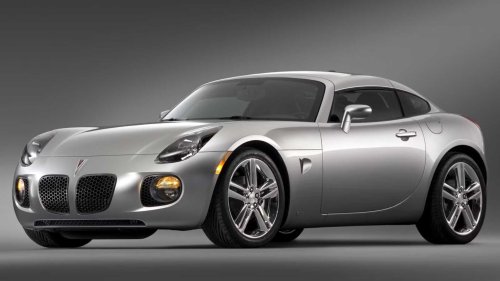
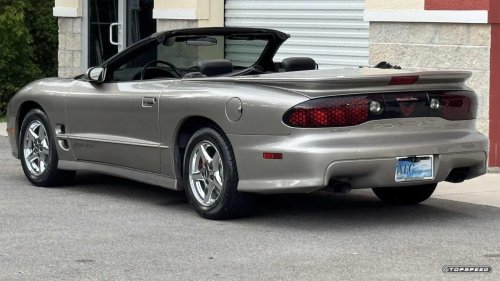
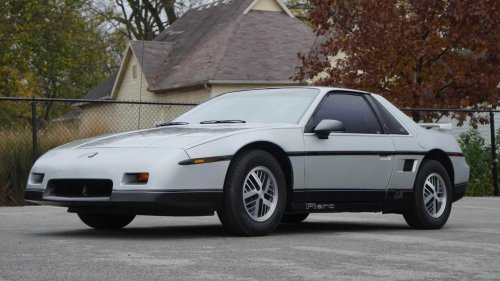
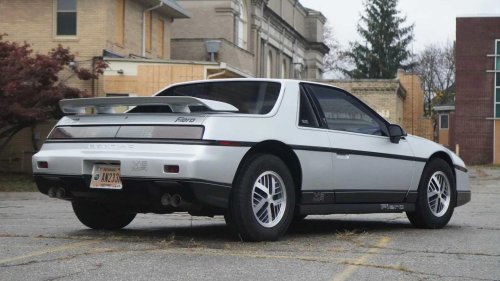
Jump LinksThe Forgotten RoadsterThe Solstice CoupeThe Forgotten High Performance VariantThe Forgotten Sports CoupeThe Brand's Most Infamous Sports CarPontiac has a long and storied history of building some of America's wildest sports cars and muscle cars. From the older Firebirds, to the final generation of the GTOs in the 2000s, and even some tamer models like the G6 sedan, there was no other brand as dedicated to horsepower as Pontiac. But, as we all know, in 2009, General Motors shut the brand down due to bankruptcy, and for the last 15 years, the brand has been a figment in our rearview mirror, and inflating some of the brand's most prominent models. That being said, there are a few Pontiac sports cars that have slipped through the cracks and might be worth taking a look at if you're after an alternative option, so here are the Pontiac sports cars you may have forgotten about.This list is not exhaustive and we don't cover every Pontiac model ever made; for the purposes of this article, we focus on four unique models we believe deserve highlighting. Pontiac Solstice The Forgotten Roadster PontiacThe Pontiac Solstice, in co-development with the Saturn Sky, was the last dedicated sports car ever built for Pontiac. A two-door, two-seat manual sports car meant to rival the Miata, the Solstice had high aspirations of becoming a mini-Corvette, although this never ended up happening. First available for the 2005 model year, the Solstice was available only as a four-cylinder option, which would have been fine if it weren't for the fact that this car weighed 2,869 lbs - 400 lbs more than the equivalent Miata. This resulted in some lethargic performance, coupled with General Motors' iffy build quality in the early 2000s, making the Solstice a tertiary option for buyers, rather than being a frontrunner in the segment.NetCarShowStill, despite these issues, the Solstice did have some upsides. For one, that extra weight meant it had softer suspension and, therefore, rode more comfortably. It was also much better equipped on the interior, with leather seats and a center console inspired by the C6 Corvette. It also wasn't a bad-looking car, with that long hood reminiscent of older two-door two-seat sports cars, and its trunk with inserts behind the headrests; it certainly made for a stylish option for those looking for a sporty Pontiac model. In the end, however, a little over 65,000 of these cars were produced, half of them being from the Solstice's first two model years, proving that while maybe an initial success, the Solstice was never able to live up to being the perfect sports car. The Solstice Coupe FreepikAlong with the convertible, the Solstice was also available as a coupe. The Solstice coupe was largely the same car as the convertible, but with a stylish hardtop that could be transformed into a targa top by taking the middle panel off the roof, not too dissimilar from the Porsche 911 Targa. While the Solstice convertible made up a bulk of this car's sales, the coupe was only available in limited quantities, making the Solstice coupe one of the rarest modern Pontiac sports cars on the used market, and is one of the last hardtop sports cars ever produced by General Motors, outside the Camaro and Corvette family of cars.PontiacThe Solstice was also one of the last cars ever built by Pontiac, with twelve Solstice coupes and convertibles being some of the last to roll off Pontiac's Wilmington, Delaware, production facility in 2010, a year after the brand was shuttered. Due to the rarity of these cars, they are rarely available for sale. However, when they do, they often fetch big bucks due to the small volume of production. The Little-Known Pontiac Solstice GXP The Forgotten High Performance Variant 2009 Pontiac Solstice Coupe Exterior The holy grail of the Pontiac Solstice was the GXP model, built by Pontiac's performance division, which made high-end cars for the G8, G6, and GTO. Like those cars, the Solstice GXP received an extra boost in power. The 2.4-liter four-cylinder was swapped out for a 2.0-liter turbocharged four-cylinder, making an upgraded 260 hp, almost 100 more than the equivalent Mazda Miata, helping further put the Solstice back in line with the legendary convertible. In 2008, for the final two years of the Solstice's production run, those numbers were increased to 290 hp, and an impressive 340 lb-ft of torque for the six-speed manual option, putting it on par with cars like the BMW Z4 and Porsche Boxter, for a fraction of the price. Available as both a targa and soft-top model, the Solstice GXP was capable of an impressive 5.2-second 0-60 run thanks to that extra power, meaning this small sports car had serious street cred. These performance upgrades, while helpful, didn't do enough to make the Solstice GXP a serious contender in the sports car field, and while a flop back in 2009, they've gained a niche cult following today, with low-mileage Solstice GXP models frequently touching the $20,000 mark on websites like BringaTrailer and AutoTrader, meaning that the Solstice may have been a delayed success for the brand. The Last Trans Ams The Forgotten Sports Coupe 2002 Pontiac Firebird Trans Am ConvertibleOne of Pontiac's longest-running nameplates, the TransAm was originally an optional performance package for the Pontiac Firebird in the 1970s and 1980s, being the signature car behind Smokey And The Bandit - one of the most recognizable films of the past 50 years. However, as the Firebird entered its fourth and final generation in 1993, the name was dropped altogether and changed to just TransAm, presumably to help market the car as Pontiac's flagship sports car of the time. Built on the same platform as the Chevy Camaro, the TransAm was available with a selection of V6 and V8 engines, the latter being a 5.7-liter variant making up to 350 hp, making it one of the most powerful American cars on sale at the time.The TransAm was often compared to the Chevy Camaro, what with it sharing the same engines, interior, and body style. So much so, that there was internal friction between both brands as to which of the muscle cars should sit as General Motors' flagship muscle car. By 2002, it was clear that the platform for both the TransAm and Camaro would not be long for this world, and production on both cars was axed. While the Camaro would later be reborn in 2008 and re-killed in 2024, the TransAm would not get the same second chance, instead being replaced by the GTO in 2004. The Pontiac Fiero: The Forgotten Dud The Brand's Most Infamous Sports Car Bring A TrailerWhile Pontiac was known for creating some of America's finest muscle and sports cars, it wasn't immune to the occasional dud. This swing and a miss came in 1984 with the introduction of the Fiero, which, on paper, seemed like it would be a hit. A mid-engine, rear-wheel-drive, five-speed manual sports car seemed like a recipe for a great idea. However, the Fiero had two major problems. The first was its engine; despite being available with a 2.8-liter V6, the Fiero was rated at a miserable 140 hp, leaving some to question the sporting potential of this sports car. If you had wanted the 2.5-liter four-cylinder engine, you'd have to suffer with just 98 hp for the 1985 model year, a truly pedestrian number for a car that wanted to compete with other sports car offerings.Bring A TrailerThe Fiero's other Achilles heel was its tendency to spontaneously combust. According to the NHTSA, when oil levels in the Fiero fall below regular levels, connecting rods will heat up and brake, letting hot oil hit the engine and cause some moderate to severe fires. This problem was severe enough that not only did Feiros catch fire at a rate of 20 a month, but the NHTSA enacted a stop sale for the car to let General Motors fix the problem. This stop-sale, along with the poor reputation the Fiero had due to its low power and risk of fires, meant the car was dead before it could even sell. Across a five-year production run, the Fiero sold just 26,000 units, most of which ended up as replica kits for cars like the Ferrari 308GT, meaning, despite the Fiero's limited success, it did find its second wind in a different market. This proves that even a poorly received sports car can still find its way back to a fan base.*Numbers used for 1987 model year



















 +27 others