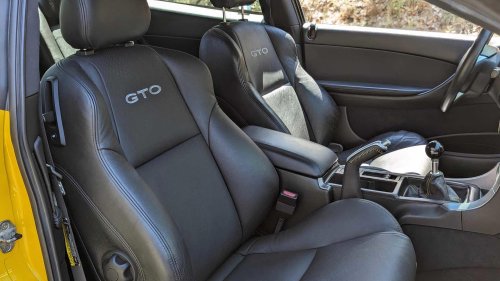
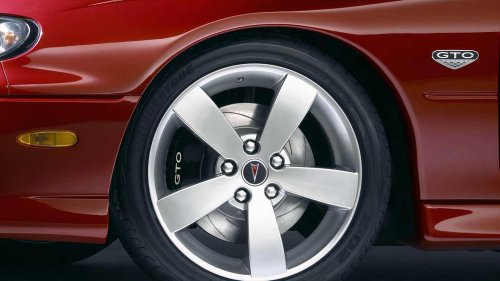
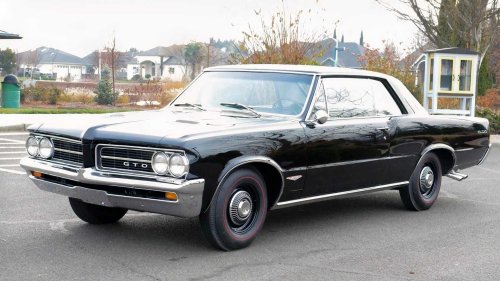
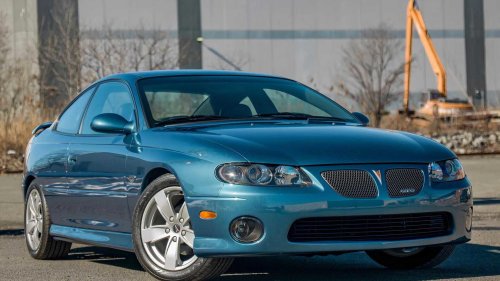
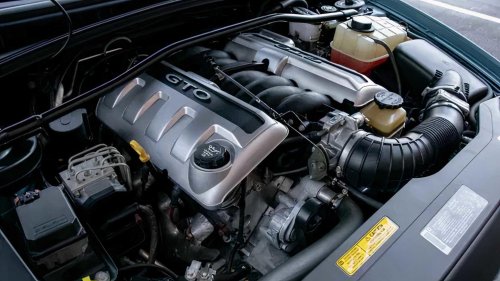
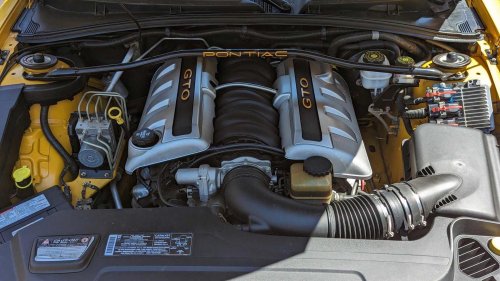
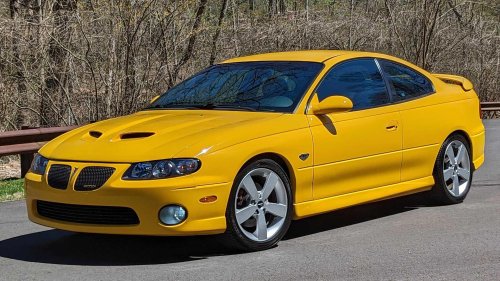
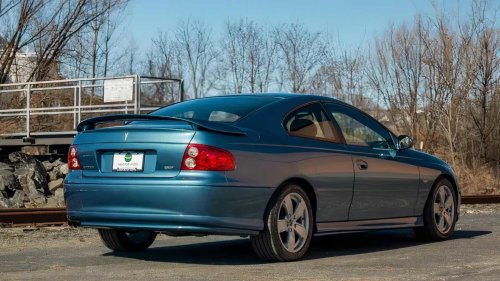
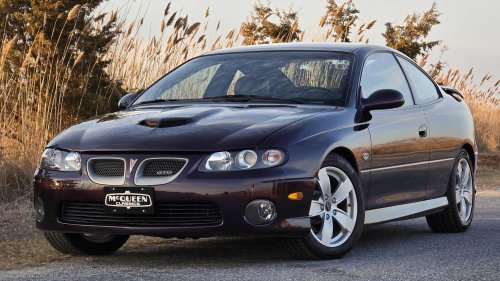
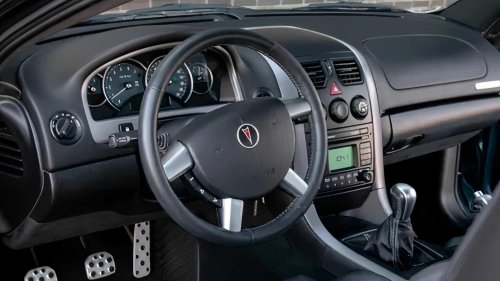
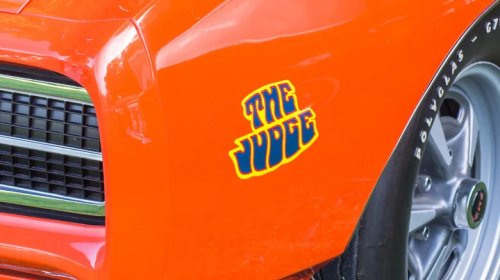
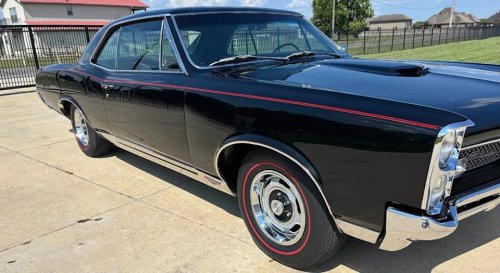
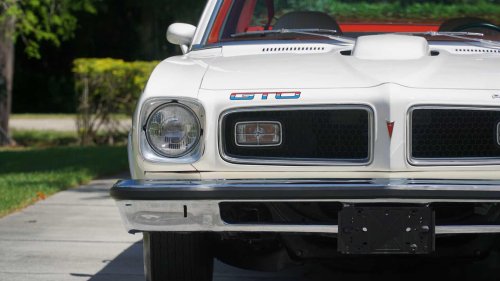
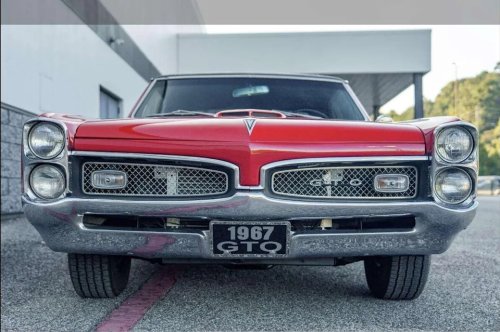
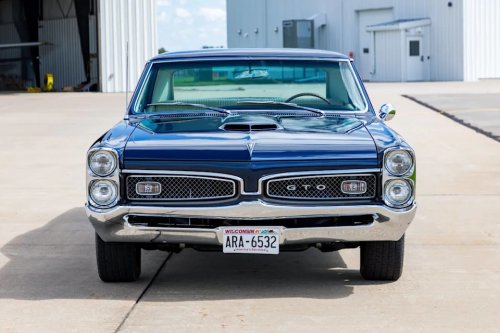
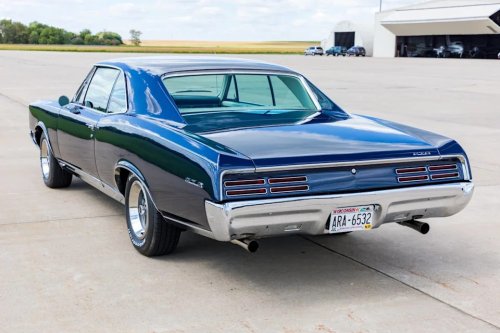
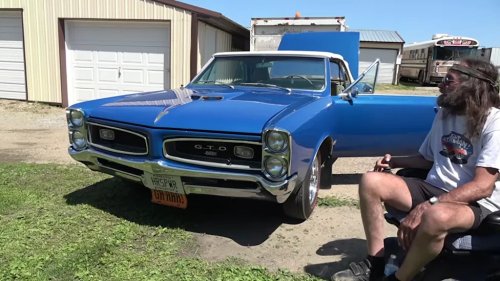
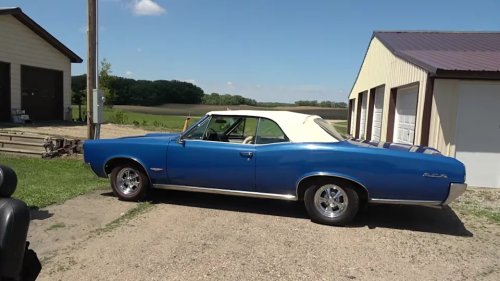
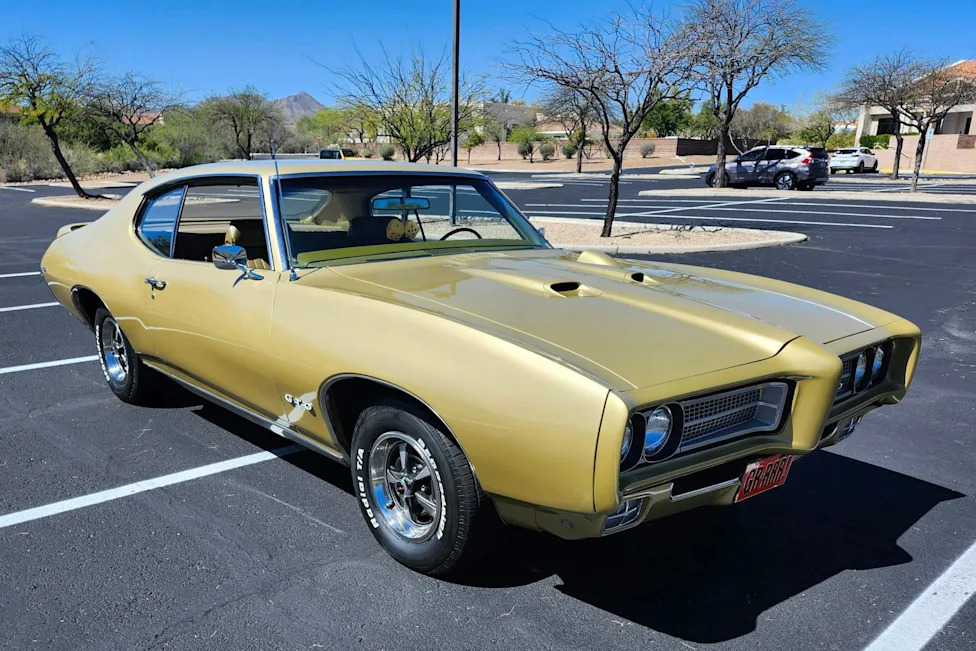
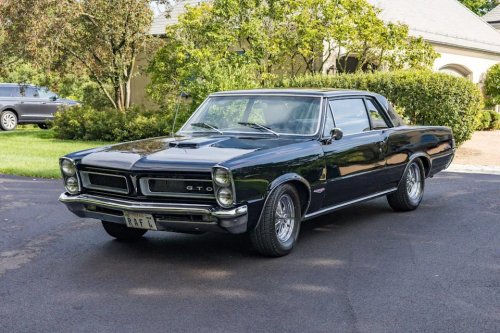
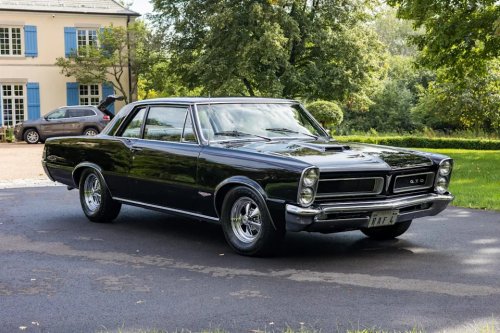
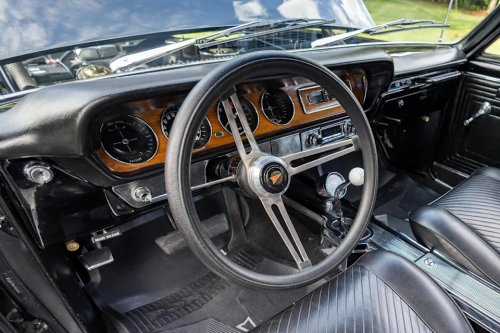
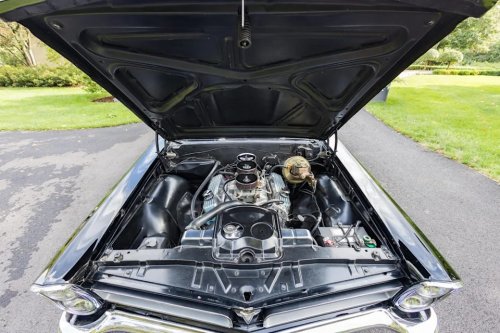
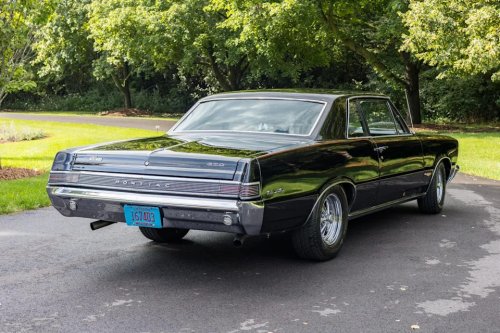
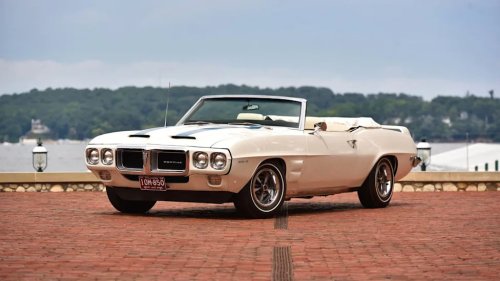
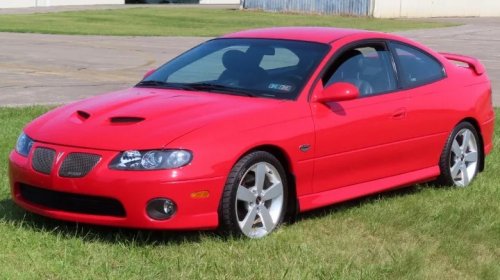
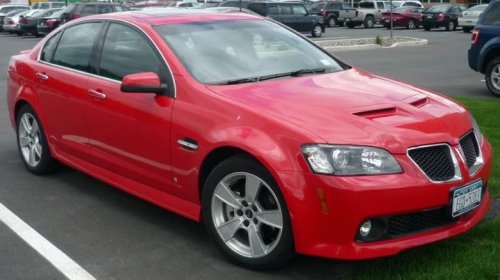
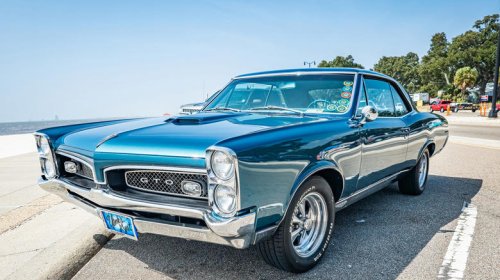
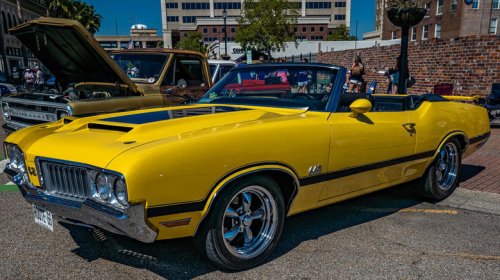
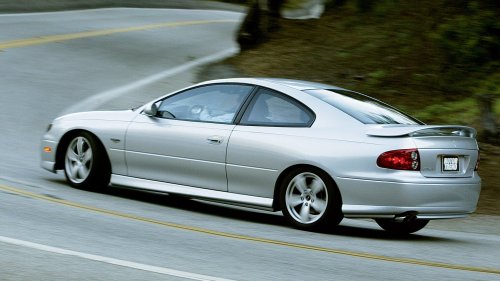
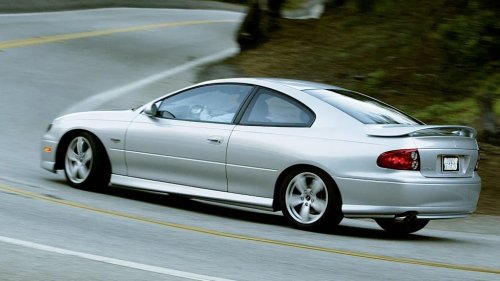
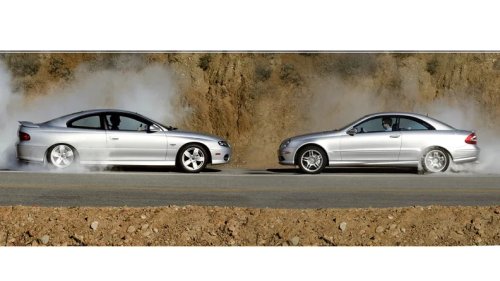
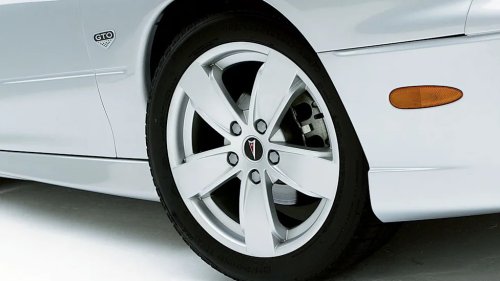
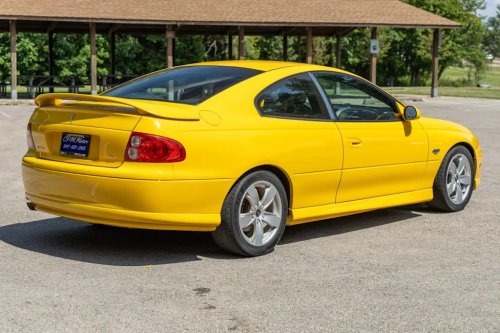
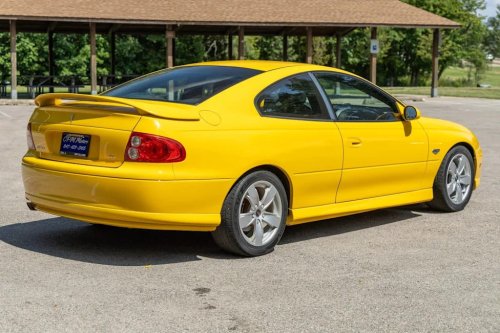
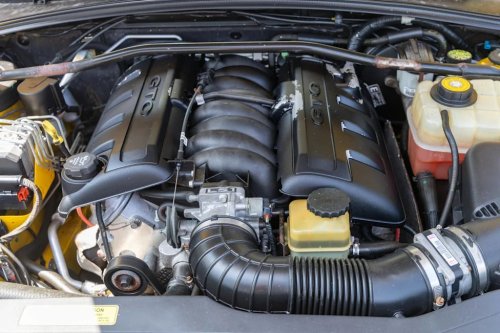
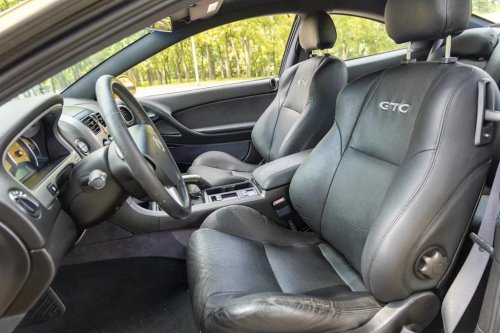
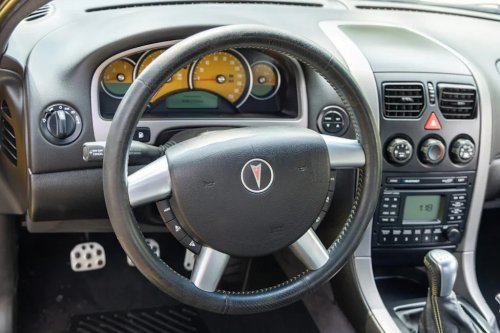
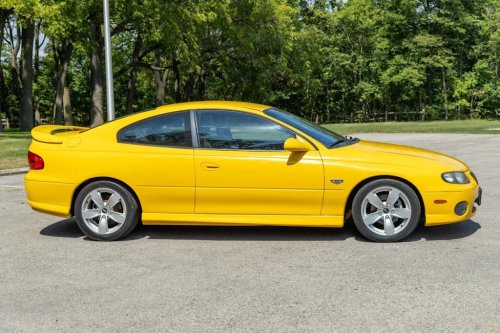
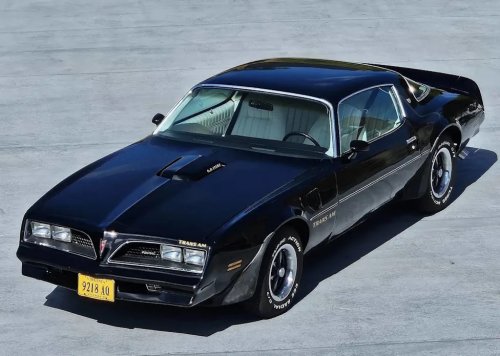
Long before retro-inspired muscle cars became a major industry trend, Pontiac took a bold gamble on nostalgia by reviving one of the most legendary performance names in American automotive history. It was an attempt to reconnect modern buyers with the rebellious spirit that helped define the original muscle car era of the 1960s.The revived Pontiac name brought muscle-car-era characteristics to the 2000s but didn’t quite hit the same mark that Dodge achieved with the renewal of the Charger and Challenger. Still, the revived muscle car delivered serious horsepower and rear-wheel-drive performance, but its understated styling and unusual Australian roots sparked debate almost immediately. Over time, however, the car earned something many overlooked performance models never achieve: respect. Pontiac Tried To Bring Muscle-Car Emotion Back For A New Generation The Auto Industry Was Leaning Into Retro-Inspired Performance Cars In The Early 2000s Bring a Trailer Brands that made muscle cars famous in the 1960s were mostly gone by the 2000s, but a few remained. The big three, Ford, Dodge, and Chevrolet, continued with strong vehicle lineups, but most of the other brands were gone, except for Pontiac. Pontiac had been a pioneer in the muscle car world of the 1960s, giving Americans some of the most iconic cars in history, but it was nearing extinction and had very little to offer drivers.As other brands leaned heavily into retro-inspired styling, as seen in the fifth-generation Ford Mustang and the reignited Dodge pairing, Pontiac saw an opportunity to revive one of the most famous nameplates of the muscle car era and capitalize on nostalgia while offering modern V8 performance. Pontiac Needed A Halo Vehicle To Reignite Enthusiast Interest Pontiac When the calendar flipped to the new millennium, Pontiac was struggling to stay relevant. Its vehicle offerings included the Sunfire, a subcompact; the Montana SUV; the Grand Prix, a family car; the Grand Am, a compact; the Bonneville, a large; and the Firebird, a muscle car. By 2002, the Firebird was gone, leaving Pontiac without a car that defined the brand and harkened back to the good old days. This led to the development of a new RWD V8 coupe that could bring back excitement and credibility to the brand. The goal of driving excitement was achieved, but the muscle car image never quite returned. The GTO Name Returned Nearly 40 Years After Its Original Debut The Original Pontiac GTO Helped Define The Muscle-Car Era Bring a Trailer The return of the Pontiac GTO wasn’t just about adding another V8 coupe to showroom floors; it was about allowing the brand to return to glory. The original 1964 Pontiac GTO is widely considered one of the first real muscle cars. It began as an optional package for the Tempest but eventually gained notoriety as the muscle car to get. It was so popular that it sold at six times the rate GM originally predicted, which any company would love to have.In the 1960s, automakers and dealers were trying everything they could to bring more power to the road. During this decade, GM had a size limit on midsize cars, limiting them to 330 cubic inches. How did the GTO have a 389 cubic-inch V8 engine in 1964? The rule applied only to the base engine, and since the GTO was an optional trim package of the Tempest, which came with a 215 cubic-inch inline-six engine, it followed the self-imposed rule. Pontiac Revived The GTO Nameplate Using An Australian Performance Coupe Platform Bring A Trailer Offering a Pontiac GTO in the 2000s should have meant the development of a successor to the Firebird, but that was not the case. Instead of creating an entirely new platform and a real muscle car, GM used a version of the Holden Monaro, built by Holden in Australia. If this sounds familiar, it's because Holden also built the Chevrolet SS, which remained part of the Chevy lineup until 2017.The car wasn’t exactly the same as the Monaro; it was re-engineered for the US market and rebadged as the Pontiac GTO. The basic foundation was present in the Monaro, giving Pontiac the ability to quickly launch a RWD V8 performance coupe without spending hefty sums on development, but maybe GM should have. Underneath The Styling Was A Legitimate V8 Performance Machine The 2004 Model Used A 5.7-Liter LS1 V8 With Serious Straight-Line Speed Bring A Trailer The revived GTO hit the market in 2004 with the Chevy LS1 V8 engine under the hood. The 5.7-liter V8 has been a top performer for years and a trusted engine that never quits. This gave the new Pontiac performance machine Corvette-level power and sounds, in what looked like a mild-mannered coupe. The engine, with 350 horsepower and 365 pound-feet of torque, sends power to the rear wheels through a six-speed Tremec manual transmission, making the modern GTO a serious sleeper. With this setup, the GTO could reach 60 MPH in 5.3 seconds and finish the quarter-mile in 14.0 seconds at 102 MPH. That’s certainly better than the 1964 version, which reached 60 MPH in 6.6 seconds and finished the quarter mile in 14.8 seconds at 95 MPH. Later Models Upgraded To The 6.0-Liter LS2 And Became Even More Impressive Bring a Trailer Much like the original Tempest GTO from the 1960s, the modern-day Pontiac GTO was quickly upgraded with more power. The 2005 model came with a 6.0-liter LS2 V8 engine, which gave the car more power, substantially improving acceleration. This bigger engine boosted horsepower to 400 and torque to 395 pound-feet, making this car faster and more responsive.With the LS2 under the hood, the 2005 GTO could reach 60 MPH in 5.1 seconds and finish the quarter-mile in 13.5 seconds at 108 MPH. This upgrade made the GTO feel much more willing to push hard and fast, but did not change the car's design or style. Fans Loved The Performance But Debated The Design Critics Argued The Styling Was Too Conservative For A Car Wearing The GTO Badge Bring a Trailer While other automakers were embracing retro styling, Pontiac did little to give the GTO a classic 1960s look. Instead, the GTO looked anonymous, like the Grand Prix of the time. This conservative design became one of the largest issues facing the new GTO, causing many driving enthusiasts to look elsewhere for actual retro styling that matched performance and name recognition.The GTO looked so plain and uninteresting that it could easily be mistaken for a coupe or sedan that you might expect to be the company car of a business executive or military recruiter. The lack of styling effort was a serious challenge to the incredible power and performance waiting under the hood of every GTO. Enthusiasts Eventually Appreciated The Car’s Sleeper Personality And Everyday Comfort Bring A Trailer Some things are not appreciated in their present day. That can be said of some rock bands, artwork, and certainly the modern-day Pontiac GTO. It took several years after Pontiac deleted the GTO for enthusiasts to appreciate what this car brings to the table. The GTO nameplate lasted only three model years and never sold as many versions as GM projected. A car name that was six times as successful as expected in the 1960s couldn’t reach 18,000 units annually in the 2000s and was eventually dropped from the lineup.Over time, the GTO has developed a reputation for being a comfortable, refined muscle coupe that works well as a daily driver, as long as you don’t mind putting gas in the tank regularly. It gained incredible notoriety as one of the “best kept secrets” and a sleeper car that is well-respected today, despite being mired by criticism in the 2000s. The Revival Didn’t Last Long, But The Car Earned Respect Over Time Sales Struggled Despite Strong Performance Credentials Bring A Trailer The 2004-2006 Pontiac GTO was made to give the brand something that had been missing for several years, and in terms of on-road performance, it did just that. The performance figures and use of the Corvette LS1 engine gave it an amazing jump-start. Moving to the LS2 was a stroke of genius that could have propelled the GTO to stardom had GM chosen to create a stylish muscle car. Instead, this Pontiac GTO revival struggled, with its best year being 2004, when nearly 13,600 units were sold. In 2005, only 11,590 models were sold, and in 2006, 11,268 GTOs left dealership lots. This was all GM needed to cut the GTO from the lineup. Today’s Enthusiasts View The 2004–2006 Pontiac GTO As An Underrated Modern Muscle Car 2004 Pontiac GTO interior showing dash and steering wheelDespite its styling issues, the revived Pontiac GTO has gained an appreciation in the automotive world as a collectible car and an underrated modern muscle car. Both LS engines have proven to be reliable and impressive, even when pushed hard and driven under the most grueling conditions. A car that was not appreciated while it was around but is now favored by many is the revived Pontiac GTO.In the end, the revived Pontiac GTO may not have looked exactly the way many enthusiasts expected, but it succeeded where it mattered most: delivering authentic V8 rear-wheel-drive performance at a time when Pontiac desperately needed excitement. What once seemed like an odd revival has gradually become one of the most respected and underrated modern muscle cars of the 2000s.Sources: Pontiac, Hagerty, GoodCarBadCar, ClassicCars.com