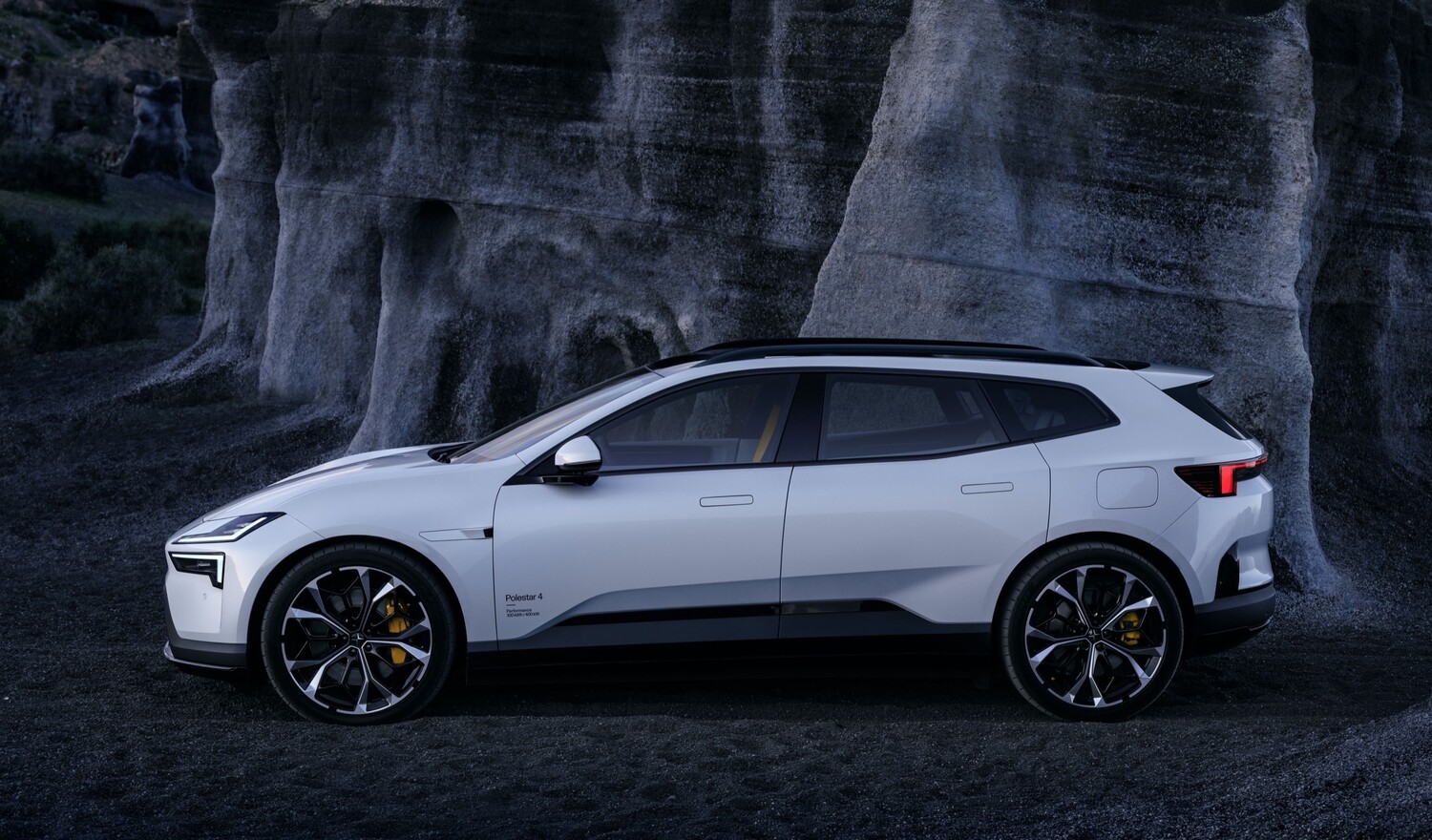
Electric vehicles are becoming more than a way to get from one place to another. Polestar is introducing a major software upgrade for its Polestar 4 that allows the vehicle to supply up to 3.3 kilowatts of electricity to external devices, effectively transforming its battery into a portable power source.
However, Canadian owners are missing out on one of the update’s most interesting capabilities. Although the new vehicle-to-load technology is being introduced in most Polestar markets, Canada, the United States and South Korea have been explicitly excluded.
The decision is particularly disappointing because Polestar previously promoted the technology as an upcoming addition to the entire Polestar 4 lineup. Canadian drivers will still receive several improvements, but the missing functionality raises questions about how the automaker delivers new technology across different markets.
A 3.3-kW Upgrade That Does More Than Improve Convenience
Polestar’s newest enhancement is not designed to make its electric SUV accelerate faster. Instead, it introduces vehicle-to-load technology, commonly called V2L, which allows electricity stored in the vehicle’s high-voltage battery to power external devices. In supported markets, the Polestar 4 can deliver up to 3.3 kW of electrical output, creating possibilities that extend well beyond conventional driving. Owners could potentially operate camping equipment, charge portable electronics or run compatible electrical tools without relying on a separate generator or electrical connection.
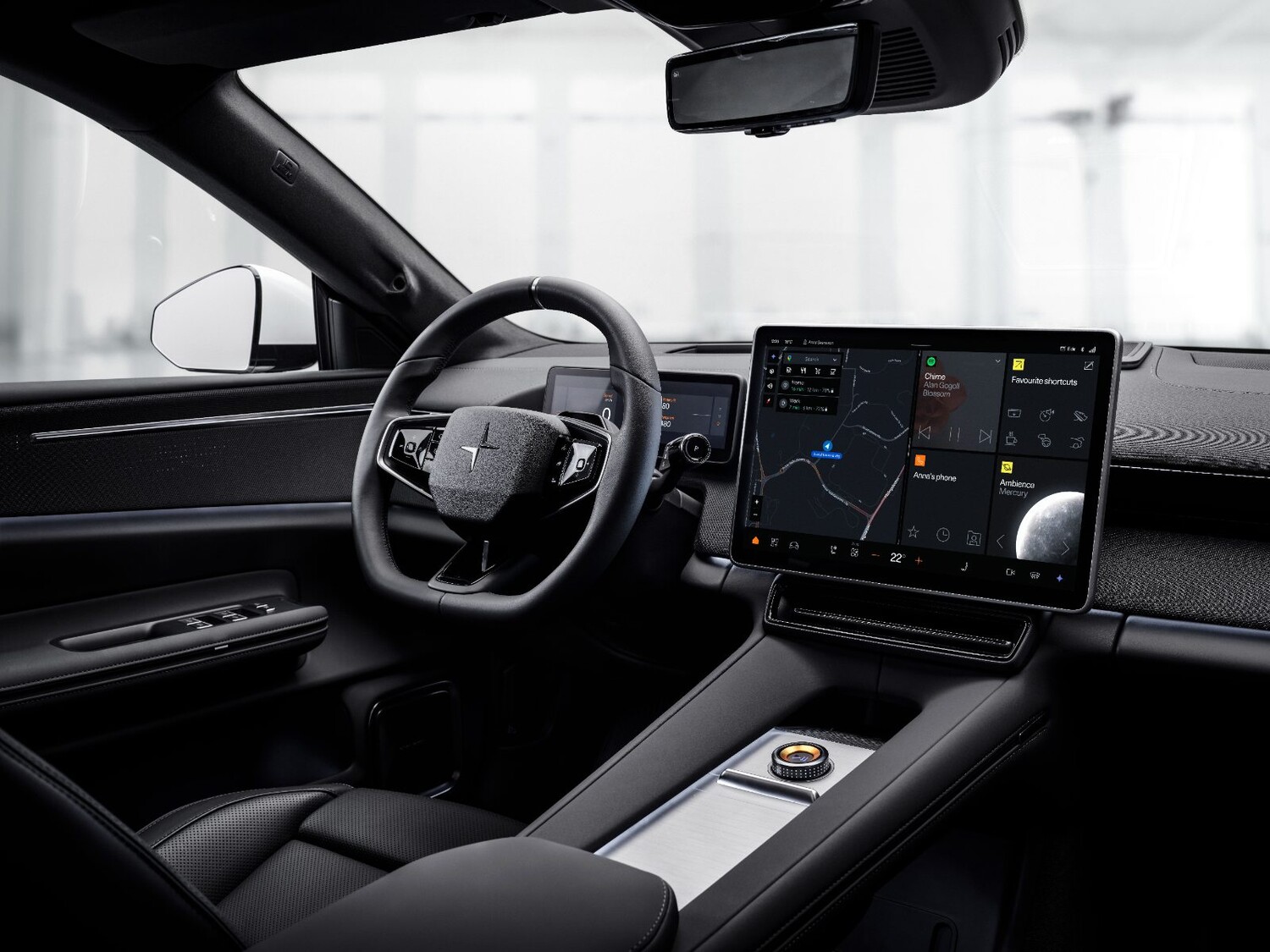
The system works through a certified adapter connected to the vehicle’s charging port. Polestar specifies a single-phase, 230-volt output rated at 16 amps, with the necessary adapter sold separately. Drivers can also establish a minimum battery-charge level through the central touchscreen, preventing the system from continuing to discharge beyond their chosen threshold. The distinction is important: the 3.3-kW figure measures external electrical output, not an increase in horsepower, driving range or motor performance.
Canadian Owners Are Explicitly Excluded From the Biggest New Feature
Polestar’s November software announcement contains an important limitation that changes the significance of the upgrade for North American customers. While the company describes vehicle-to-load as a major addition to the Polestar 4, its official release specifies that the functionality will not be available in Canada, the United States or South Korea. This means Canadian owners cannot expect the same external power capability being introduced in supported European and other international markets.
The difference is also visible in Polestar’s regional software documentation. British release notes for software version P4.3.0 specifically describe the new V2L function, including its electrical specifications and compatible adapter. The Canadian release notes contain many of the same software improvements but omit the dedicated V2L addition. Polestar has not provided a specific explanation for the regional restriction in its announcement. Consequently, it remains unclear whether the decision relates to technical compatibility, certification requirements or another consideration. None of those possible explanations has been confirmed by the manufacturer.
Polestar Previously Promised the Technology Across Its SUV Lineup
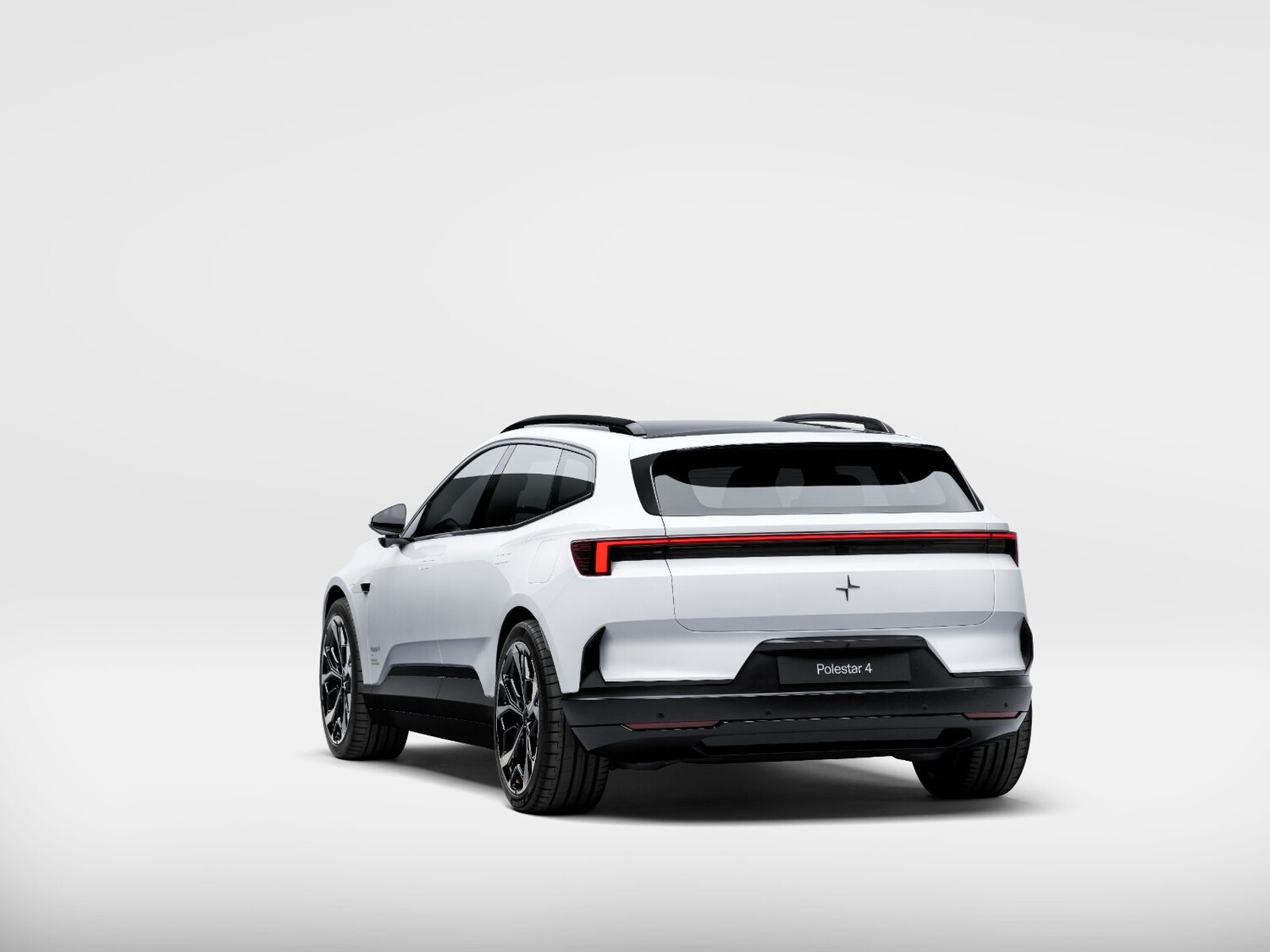
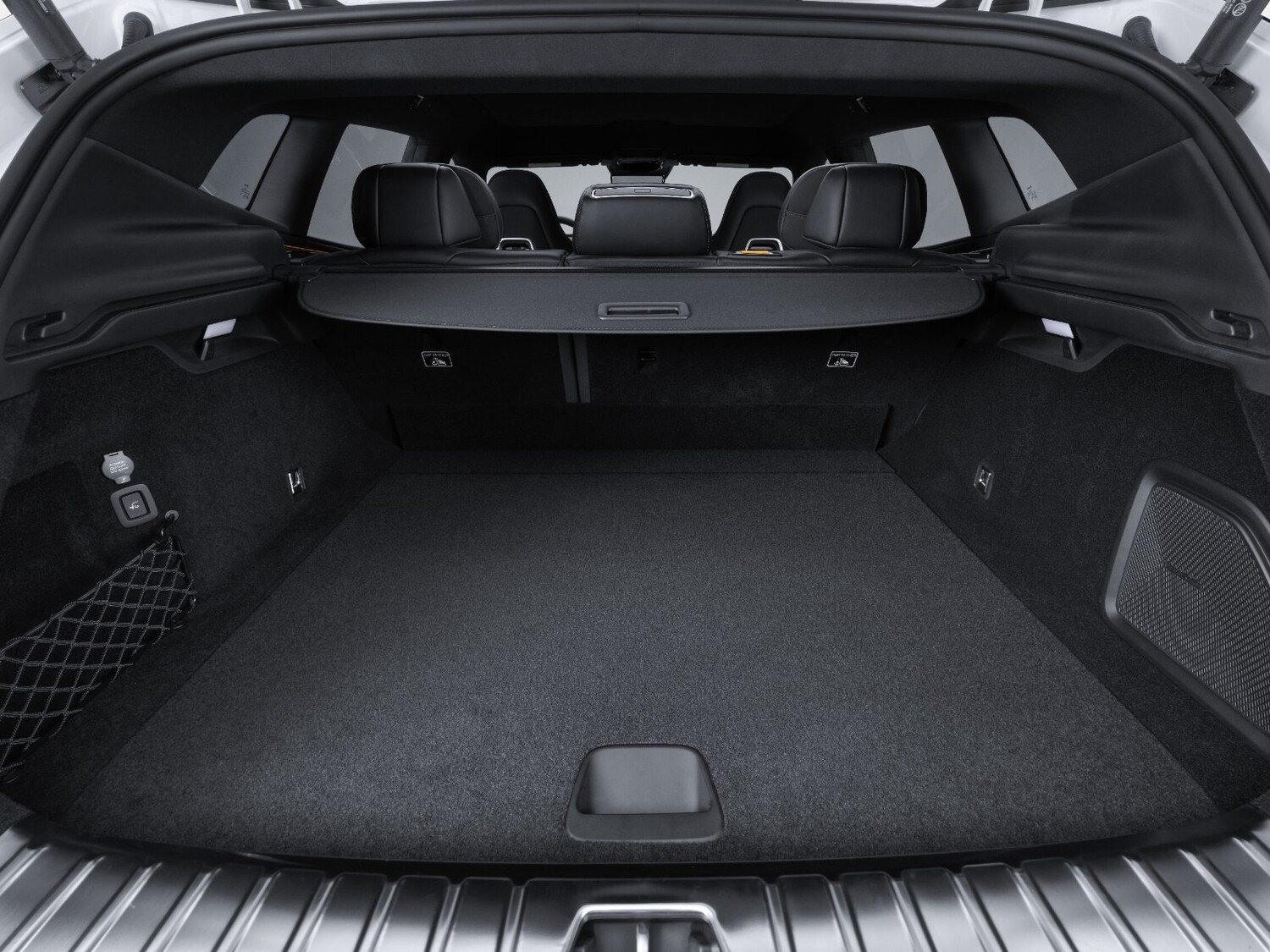
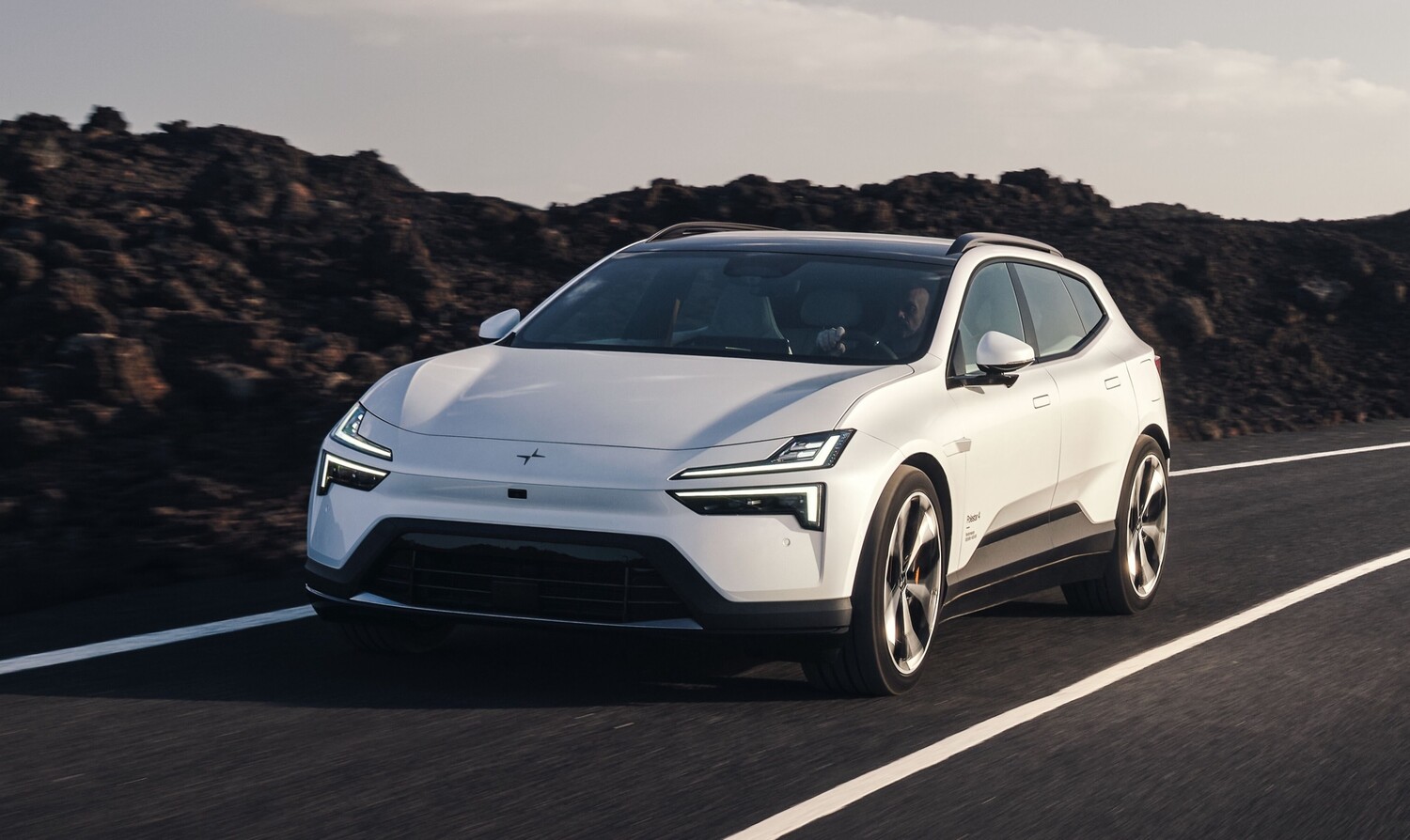
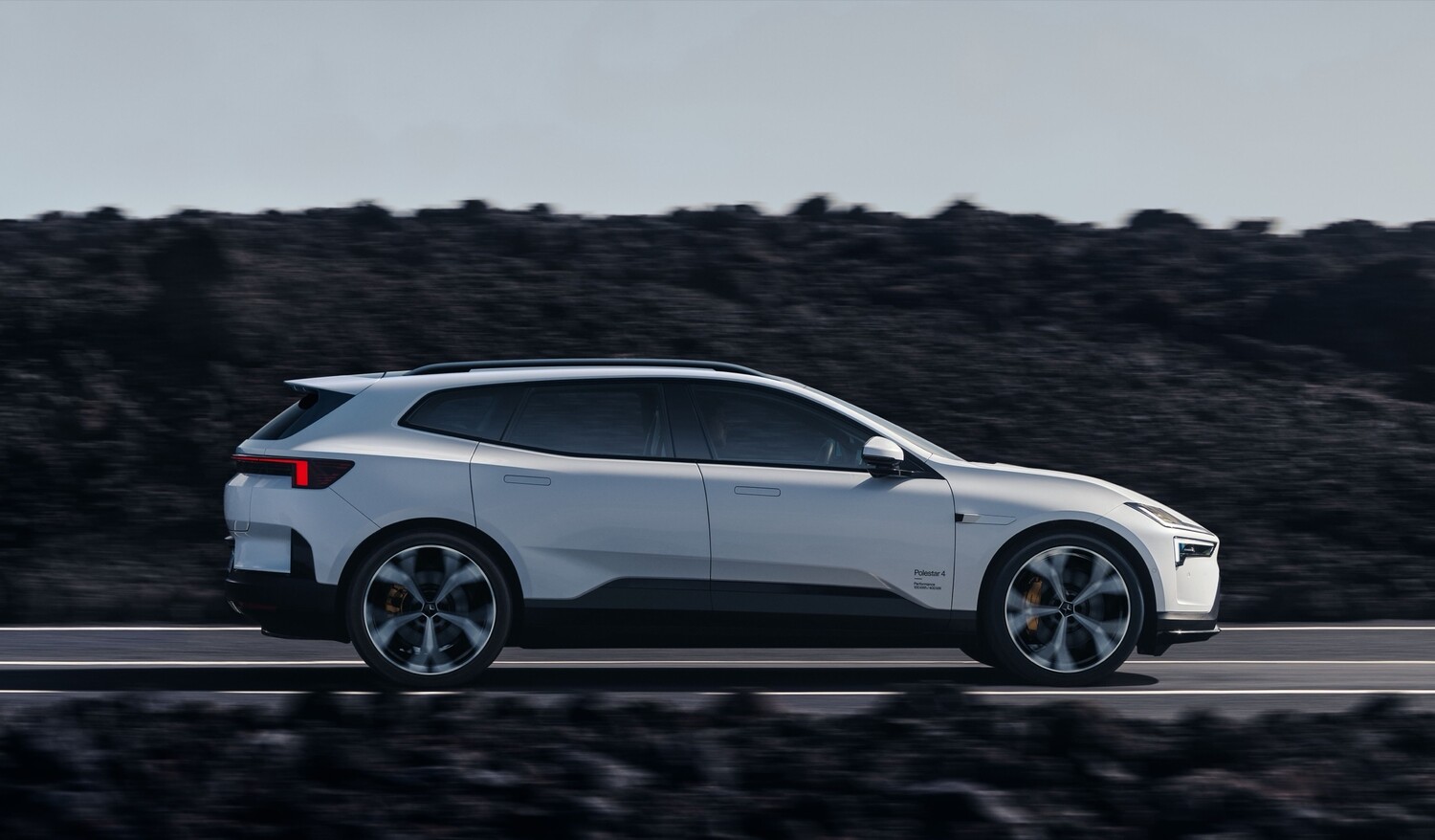
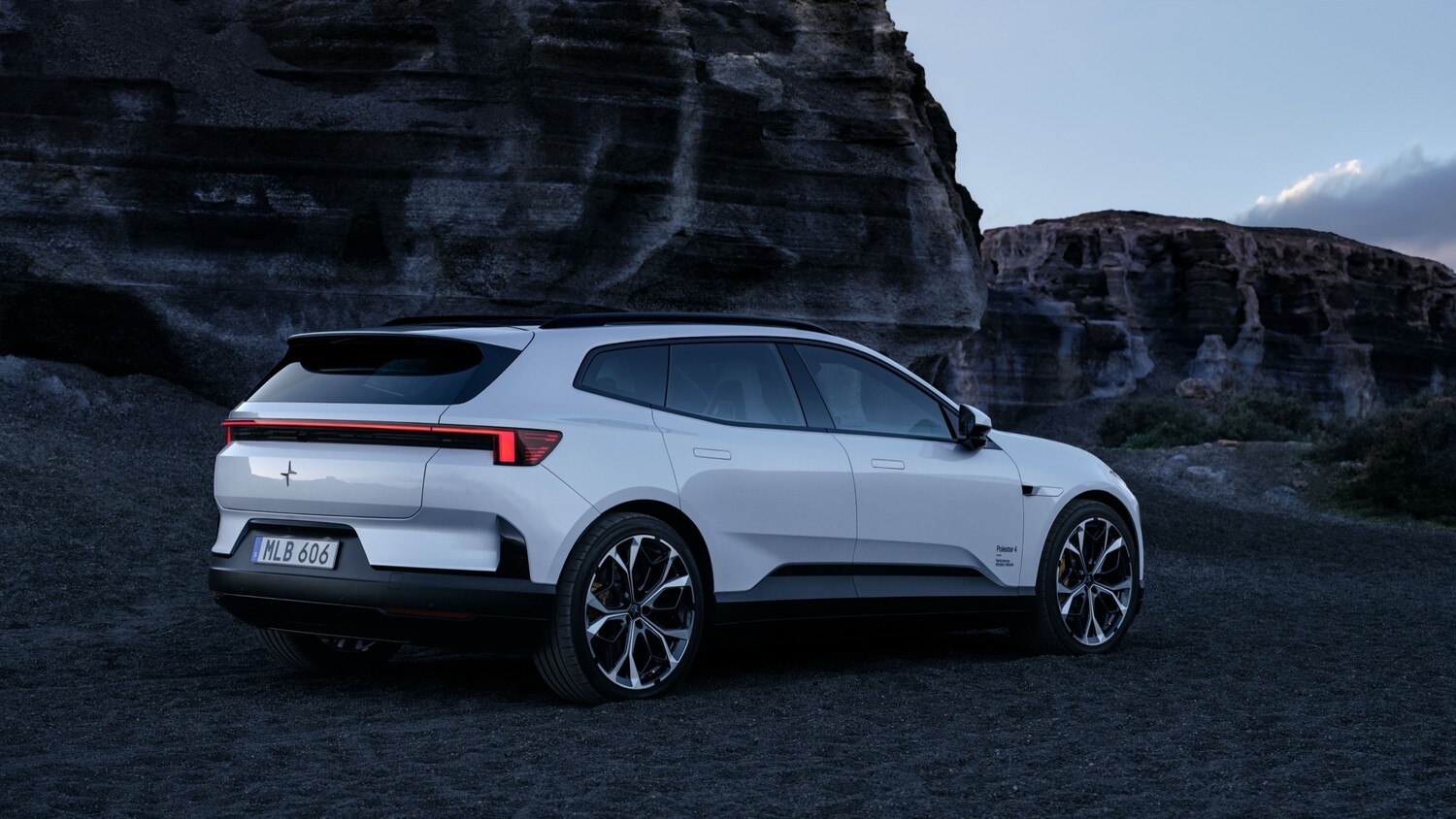
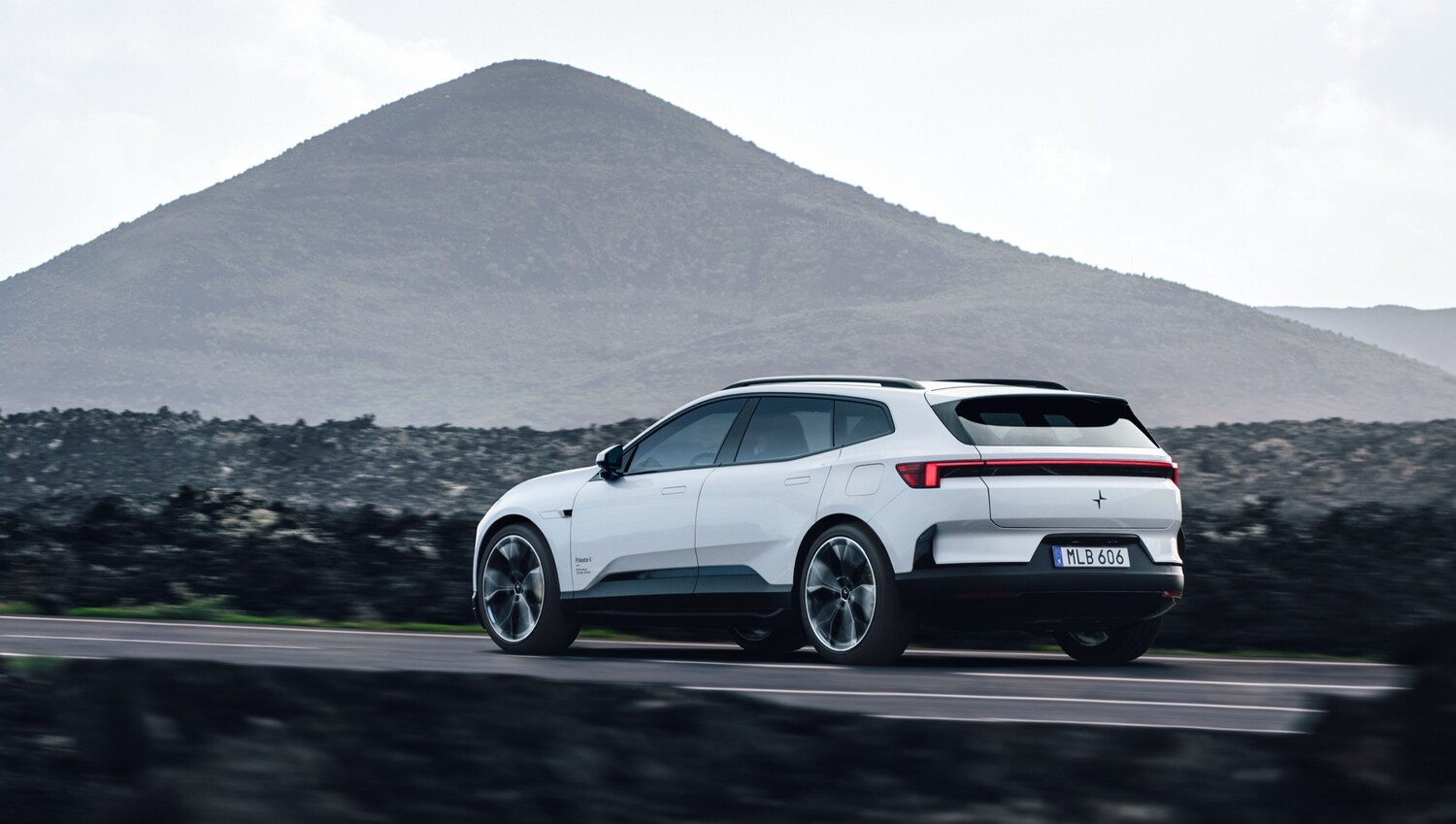
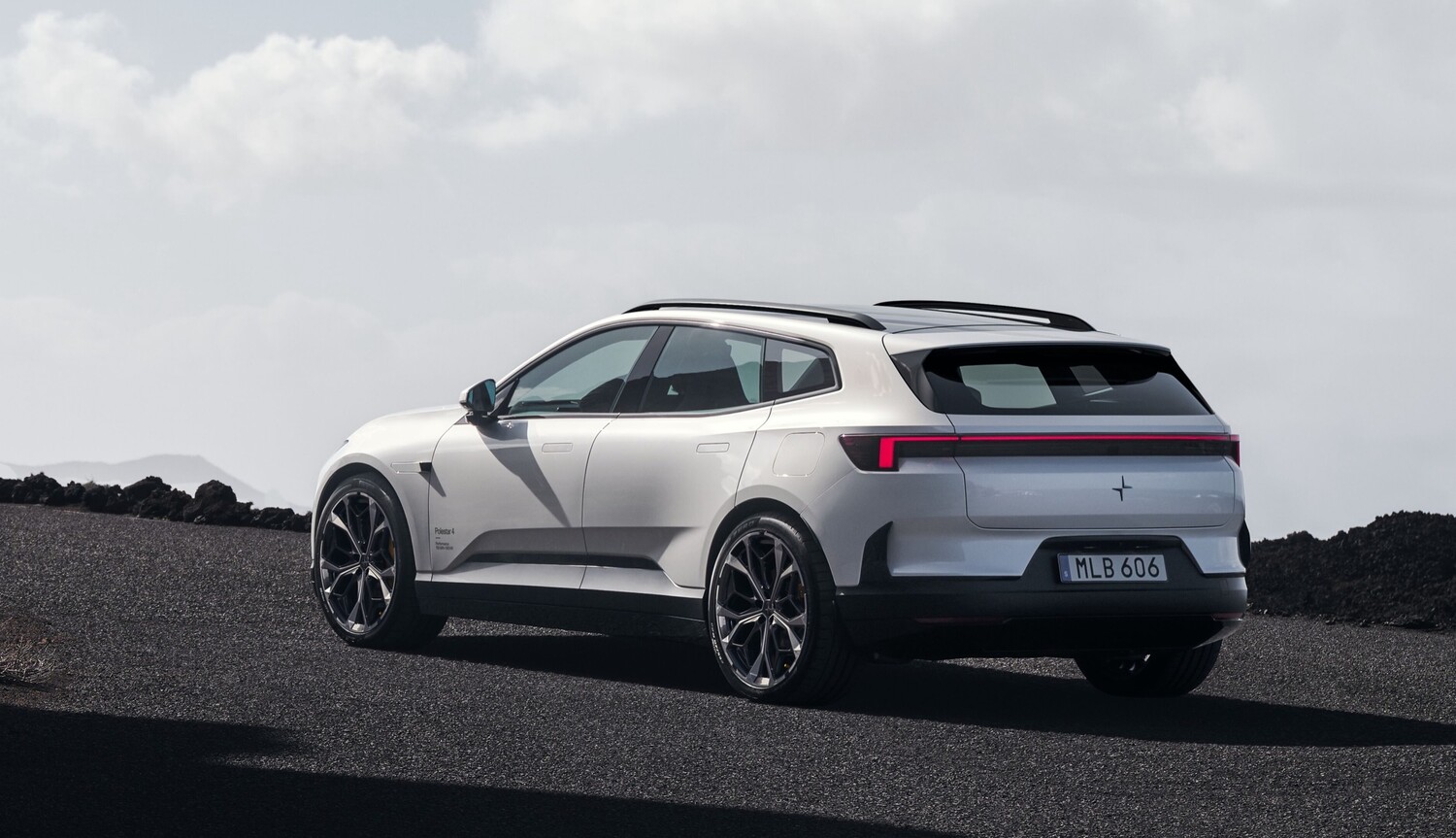
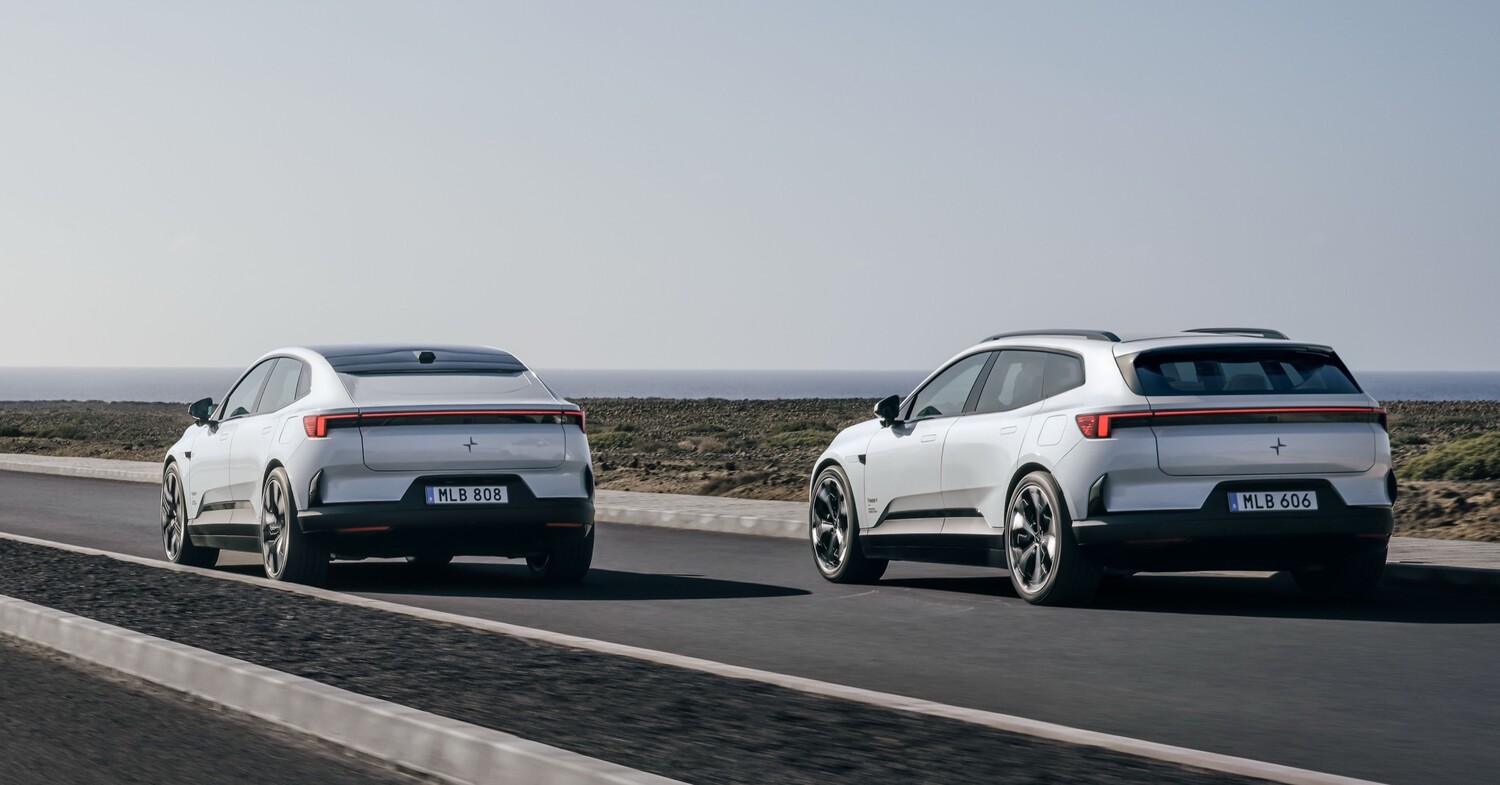
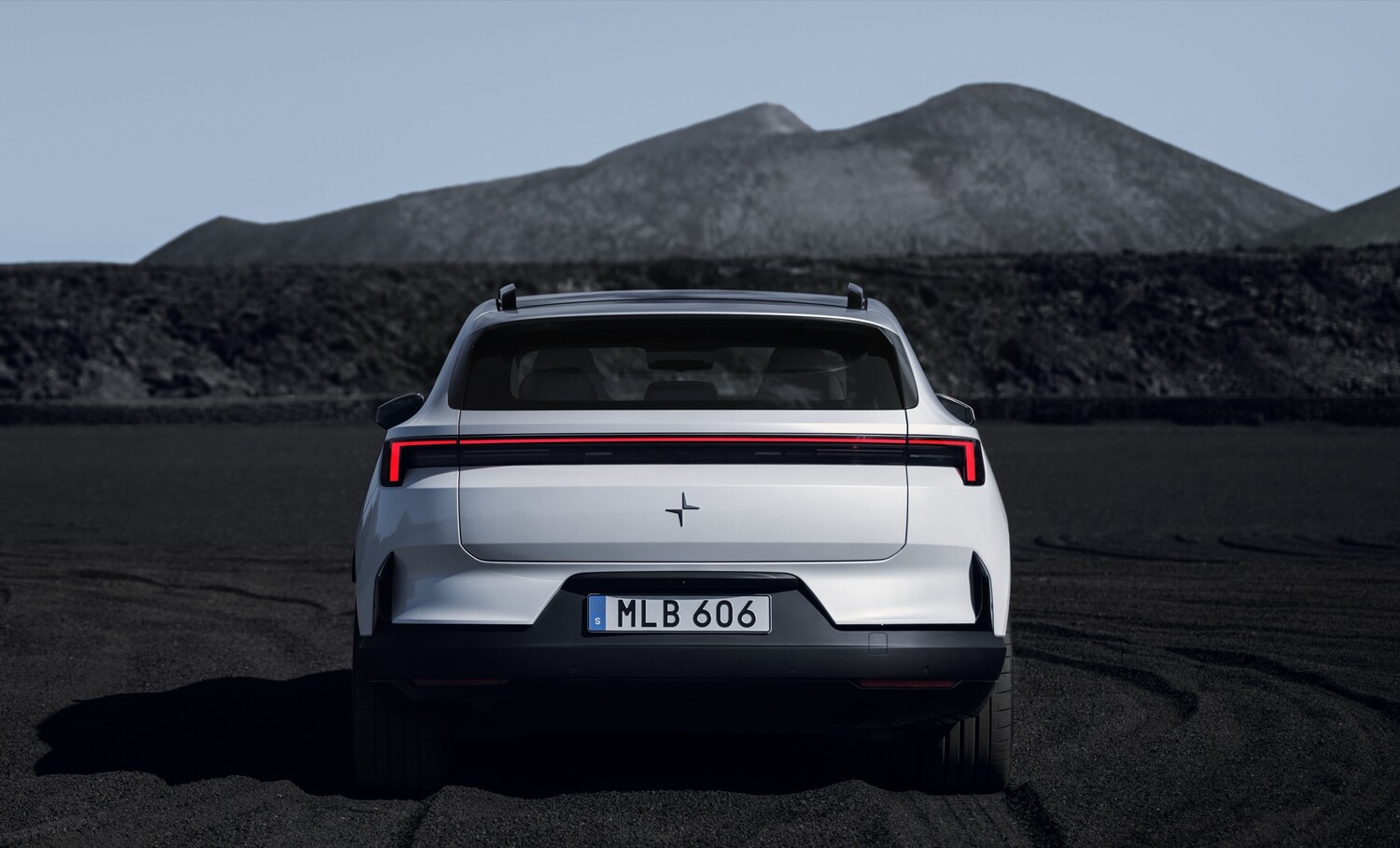
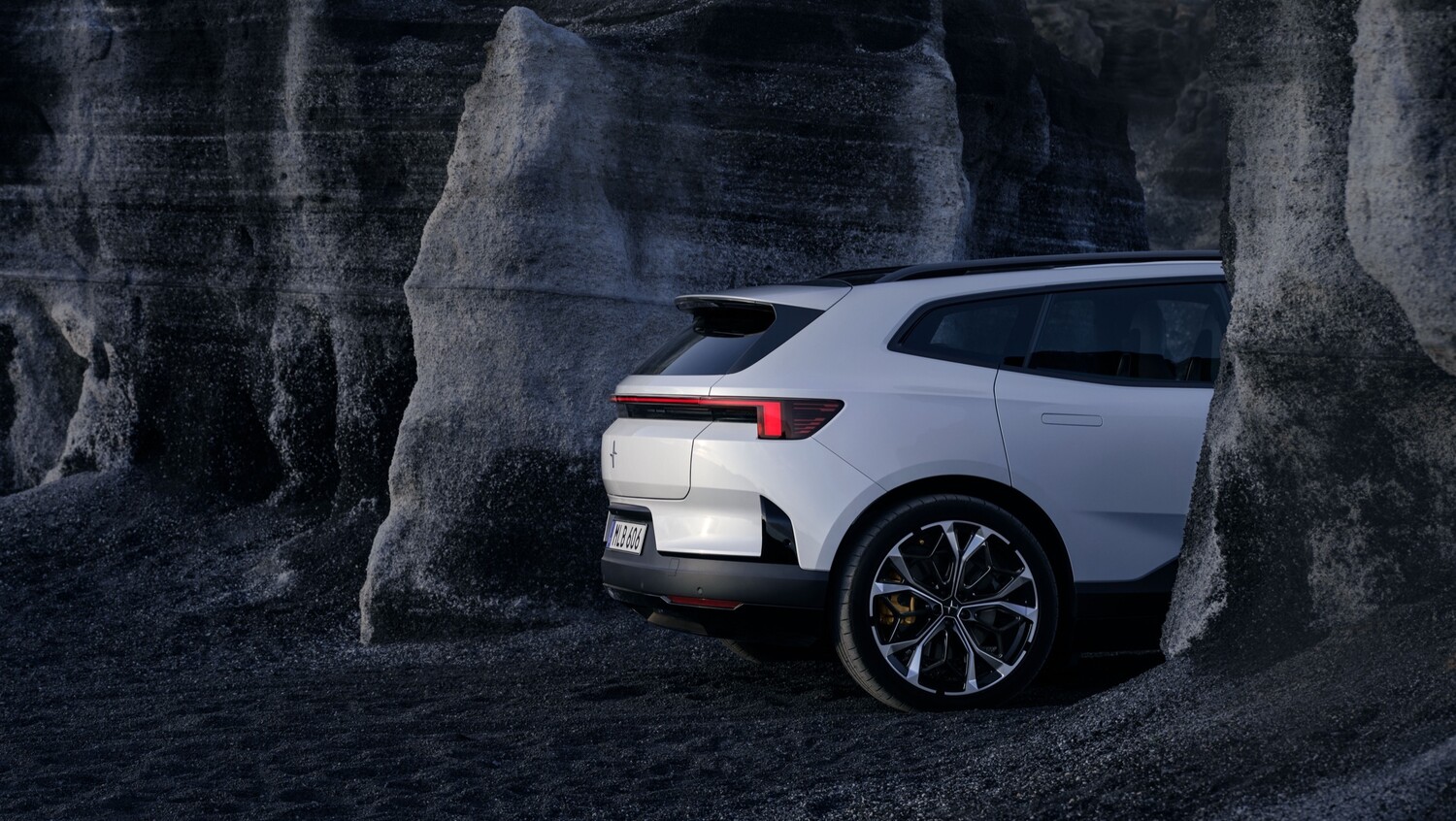
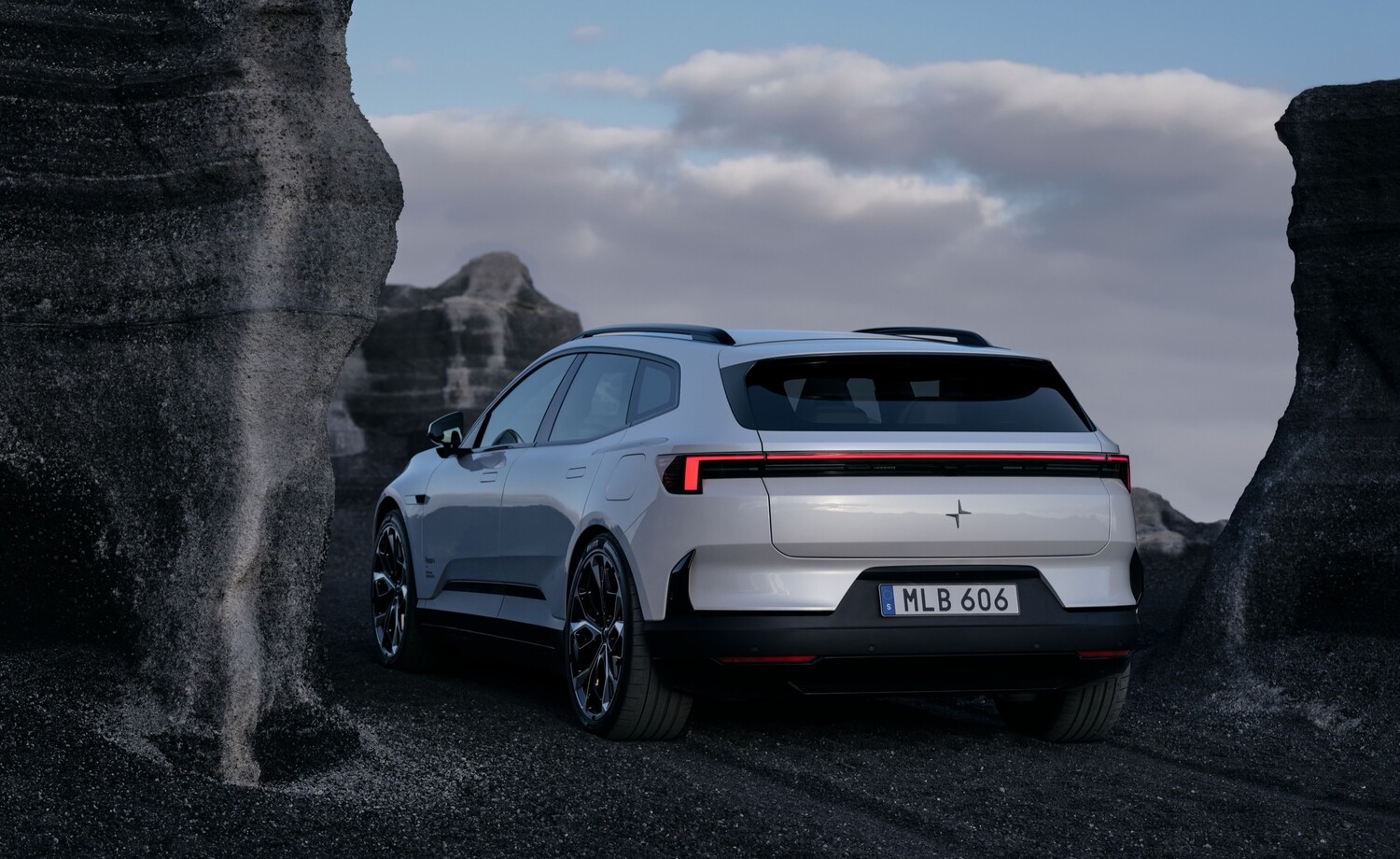
The Canadian exclusion is especially notable because of how Polestar originally presented its vehicle-to-load technology. During the September 2026 launch of the Polestar 4 SUV, the company described V2L as an upcoming feature for all Polestar 4 vehicles. The newer SUV variant was introduced as a more practical alternative to the original coupé-style model, featuring a conventional rear window, additional passenger headroom and up to 1,665 litres of cargo space with the rear seats folded.
That announcement positioned external electrical power as another advantage for customers seeking greater versatility. Polestar explained that the technology would arrive through a future software update, meaning drivers would not necessarily receive it when their vehicles were first delivered. The November rollout fulfills part of that commitment internationally, but the explicit Canadian exclusion creates a clear difference between the original broad messaging and actual regional availability. For Canadians considering the Polestar 4 SUV for camping, travel or outdoor activities, the distinction is significant. An advertised future capability is not necessarily a confirmed feature for every market.
Why 3.3 kW of Portable Power Could Make a Real Difference
Vehicle-to-load technology offers practical advantages that extend beyond occasional outdoor adventures. At a campsite without electricity, a compatible EV could power cooking appliances, lighting, battery chargers or other equipment. At a remote worksite, it could provide electricity for certain tools without requiring a conventional generator. During a power outage, V2L could also supply selected standalone appliances, provided the equipment is used safely and remains within the system’s electrical limits. These possibilities make an electric vehicle more versatile when parked, especially for owners who frequently travel beyond established charging and electrical infrastructure.
However, electrical output and battery capacity measure different things. An appliance consuming 1,000 watts for one hour uses approximately 1 kilowatt-hour of energy, excluding conversion losses. The Polestar 4 SUV’s announced 100-kWh battery offers substantial stored energy, but actual runtime depends on the battery’s charge, electrical demand, efficiency losses and discharge limits. V2L also differs from vehicle-to-home technology, which requires appropriate equipment to supply a building’s electrical system. Polestar’s announcement concerns portable electricity, not an approved whole-home backup installation.
Canadian Drivers Still Receive a New Camping Mode
Although vehicle-to-load functionality is unavailable in Canada, Polestar is introducing Camping mode as part of the broader software update. The feature allows occupants to maintain a preferred interior temperature while the vehicle is parked, creating a more comfortable environment during overnight stays or extended breaks. It also keeps supported USB and 12-volt outlets available for smaller devices while providing convenient access to cabin lighting, entertainment and vehicle controls. For Canadian owners who enjoy road trips, the change adds genuine practicality without requiring external electrical equipment.
Polestar has also incorporated several operating safeguards and convenience features. When Camping mode is activated, the central touchscreen and instrument display automatically enter sleep mode after 20 seconds without interaction, although touching the screen restores access. According to the company’s Canadian release notes, Camping mode shuts down when the battery reaches 20% charge, with the windows opening to maintain cabin air quality. One important distinction remains: although the Canadian documentation references V2L within its general Camping mode description, the company’s explicit regional exclusion means that enabling Camping mode does not unlock the missing 3.3-kW external power function.
Android 15 and Digital Keys Bring Improvements to Canadian Vehicles
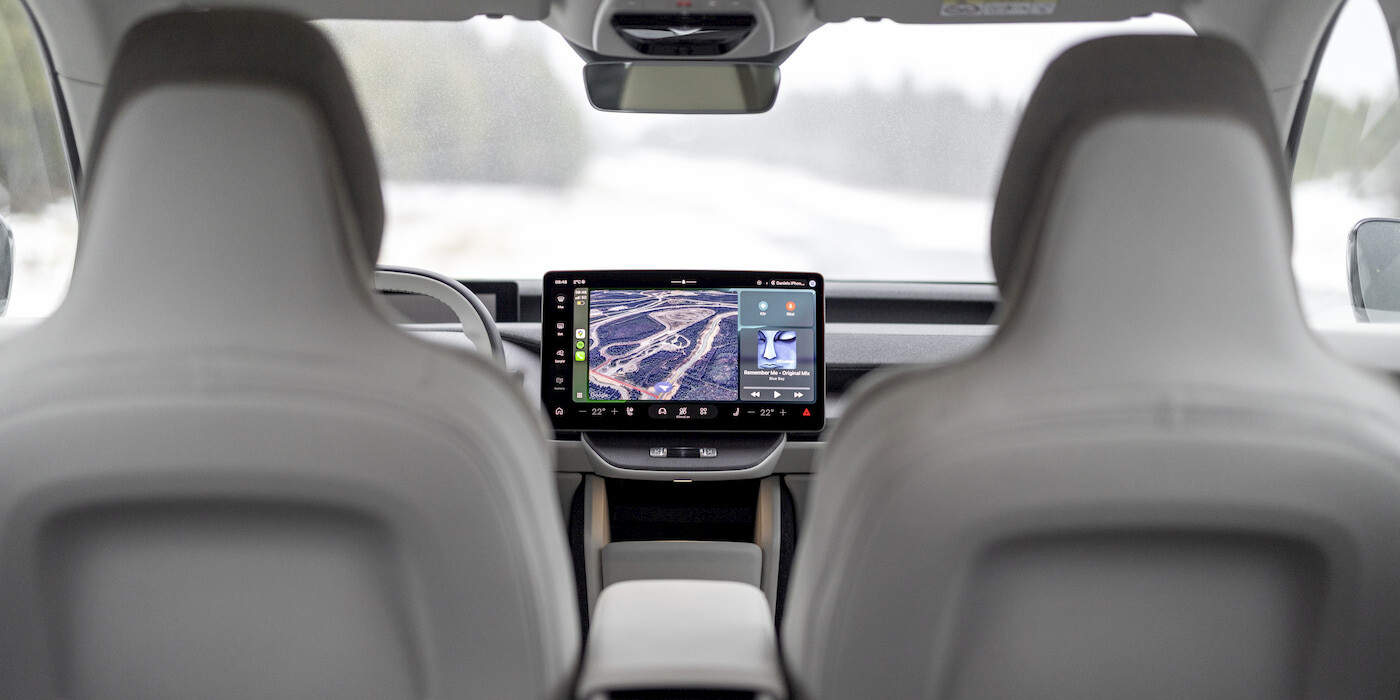
The most widely available changes in Polestar’s P4.3.0 update involve the vehicle’s digital experience. The Polestar 4 is receiving Android Automotive OS 15, an upgrade to the operating system built directly into the vehicle’s infotainment hardware. Unlike Android Auto, which projects applications from a smartphone, Android Automotive operates within the car itself. Polestar says the update improves infotainment responsiveness, vehicle startup performance and several connected services. Its Google Maps energy calculations are also being refined to incorporate factors such as current consumption and accessories, including roof-mounted equipment and trailers.
Smartphone-based vehicle access is expanding as well. Compatible Google and Samsung devices are being added to Polestar’s digital key system, which previously gained support for Apple devices. This allows eligible owners to use their phones for locking, unlocking and starting their vehicles once the feature is activated in their market. Polestar says primary drivers will receive the necessary activation information as the functionality becomes available. Other improvements include more responsive remote vehicle controls, additional home-screen shortcuts and a new Valet mode that can restrict access to certain vehicle functions, establish a maximum driving speed and lock the glove compartment.
Automatic Parking Arrives, but Not Every Polestar 4 Qualifies
Another noteworthy addition is Park Assist Pilot, designed to reduce the effort involved in certain parking situations. The system can identify available perpendicular parking spaces while the vehicle is moving slowly, displaying potential spaces through the central screen’s camera interface. After the driver selects a suitable space and confirms the manoeuvre, the vehicle can manage steering and braking to complete the parking operation. Polestar specifies operation at low speeds of up to 30 km/h. For drivers navigating crowded parking garages or tight spaces, this could be one of the more noticeable improvements included in the update.
There are important eligibility restrictions, however. The new automated parking function is available for 2026 and 2027 model-year Polestar 4 vehicles equipped with the Pilot Pack. Polestar says 2025 models cannot receive the same functionality because of hardware differences. The system is also unavailable when the vehicle’s towbar is extended. These limitations demonstrate that over-the-air updates do not necessarily provide identical capabilities to every vehicle in a model family. Software can introduce new functions, but existing hardware, purchased equipment packages and regional approvals may still determine which features an individual vehicle can actually use.
The Missing Feature Raises Questions About Polestar’s Software Strategy
Polestar’s approach reflects an increasingly important change in the automotive industry: a vehicle’s capabilities no longer have to remain fixed after delivery. Software updates can improve navigation, refine driver-assistance systems, introduce convenience functions and sometimes enable entirely new uses for existing hardware. The company says newly delivered Polestar 4 vehicles come with P4.3.0 pre-installed, while existing vehicles receive the update through its rollout process. That creates opportunities to improve the ownership experience, but it also makes accurate communication about feature availability increasingly important.
For Canadian buyers, the vehicle-to-load exclusion illustrates why regional specifications deserve careful attention. A feature announced globally may not be available locally, even when vehicles share a model name and receive the same software version. As of November 19, 2026, Polestar’s published announcement does not identify a future Canadian V2L release date or explain what would be required to enable it. Until that changes, Canadian customers should treat the 3.3-kW external power capability as unavailable rather than as a confirmed upcoming upgrade. The broader update remains meaningful, but its most versatile new energy feature is staying outside Canada.