Good stuff
Strong looks, striking interior, longer range option to keep up (just) with newer rivals
Bad stuff
A little pricey, cramped in the back, rivals are more fun... and have more rage... and are cheaper
Overview
What is it?
This is the electric version of Peugeot’s 208 supermini. It looks very much like the combustion-engined alternative: this isn’t a car for anyone who wants to show off their zero emission, planet-saving credentials.
And it looks like a regular 208 because it really is a regular 208. Performance and space, and even running costs, are pretty similar to the 208s that you pour flammable liquid into. The battery isn't a slab under the whole floor; rather it's tucked into the spaces under the seats, and where a petrol car has its exhaust, fuel tank and other gubbins.
And being a 208 is a good thing. It's a car we like: the sharp styling makes it the first genuinely desirable Peugeot 2-0-something for a long while.
Is it as good as it looks?
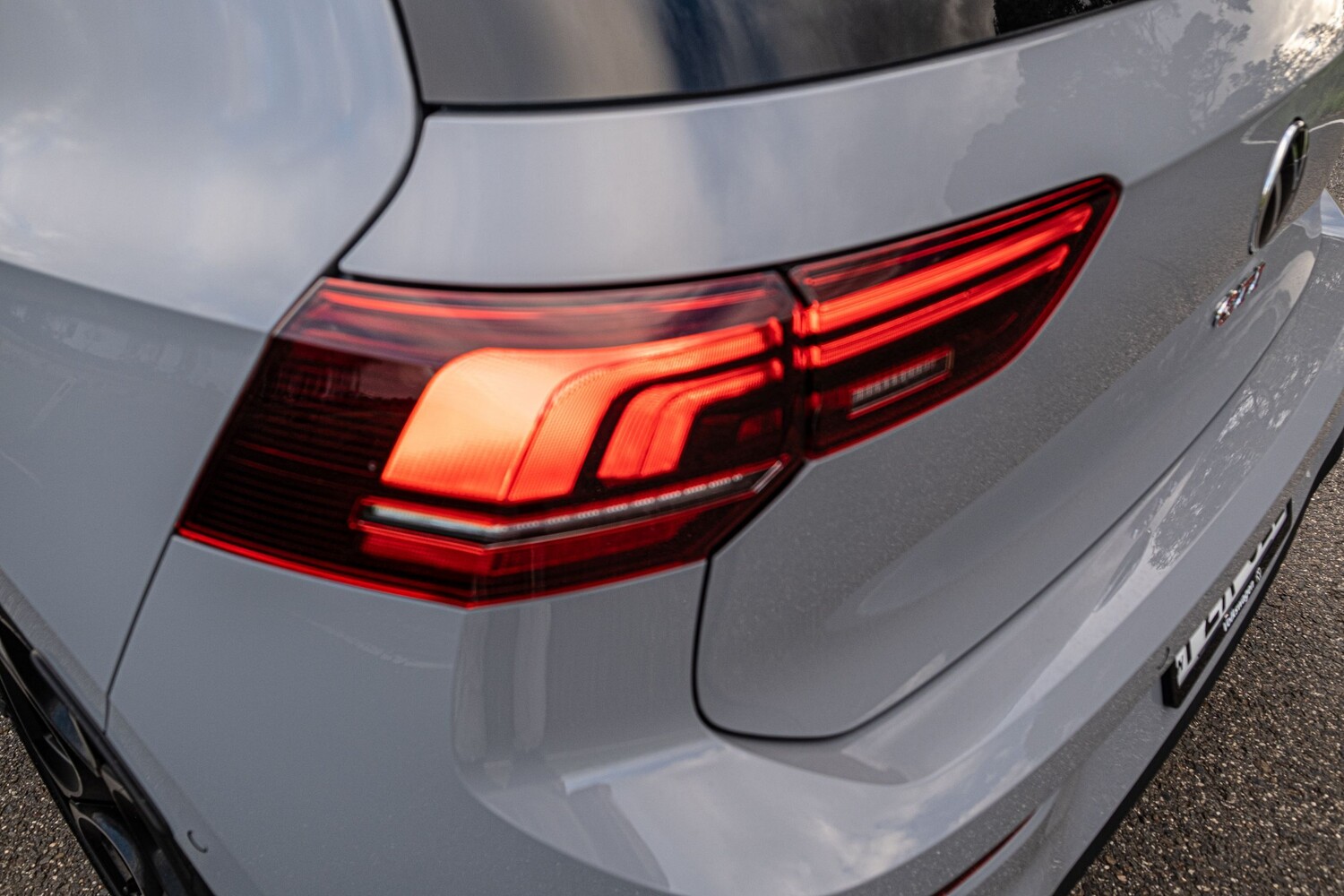
Broadly, yes. A quick word on those looks – a mid-life facelift in 2023 brought around mild updates, including new front lights and quasi-grille, new wheels, and freshened tail-lamps. You’d be hard pressed to notice though.
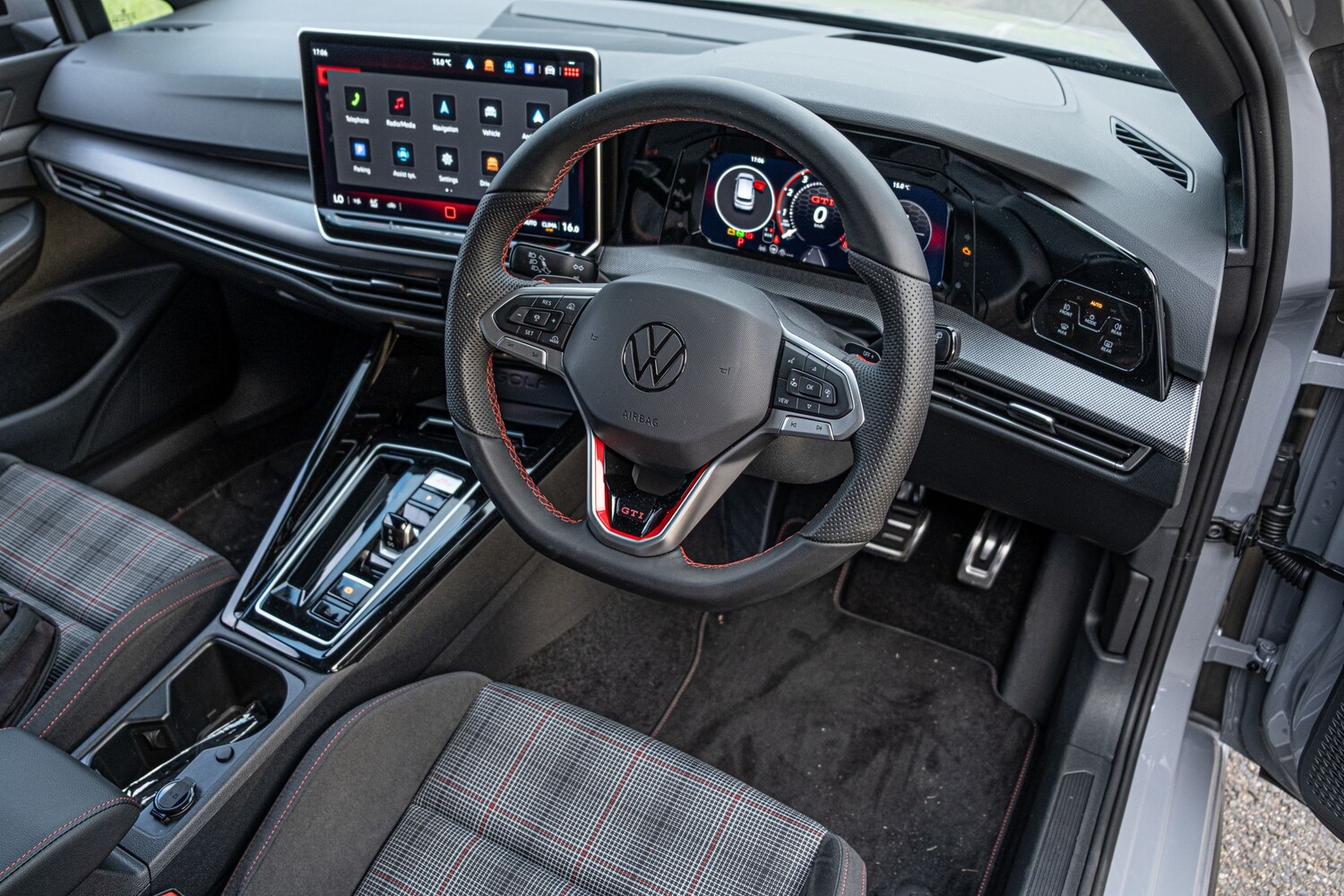
Inside there’s a digital instrument panel, wireless charging and USB sockets, but it pleasingly still feels as sophisticated and classy as ever and it's generally very pleasant to drive too. Forget the poor trim and tin-box refinement of older French superminis. The weight of the battery makes it feel more mature than the petrol version, but of course also subtracts from the agility. See the Driving tab of this review for more.
So it’s original on the inside and nicely put together, while also being decent to drive. It’s the whole package.
Give me some e-numbers.
There are two electric set-ups. They sound similar: one is a 45kWh (usable) battery and 136bhp motor. Post facelift, you can step up to a 48kWh pack and 156bhp motor. The batteries are confusingly labelled in the price lists by their gross capacities of 50 and 51kWh, instead of the net values. Weird.
The range figures are 226 miles and 268 miles WLTP respectively. In the bigger-battery one we got 4.1 mi/kWh driving briskly on a warm day, which amounts to 200 miles total. Top specs get a heat pump as standard to reduce winter range fall-off: it cuts down on the amount of battery you use up to warm the cabin in colder weather.
The fact the car remains fairly small and light is good for overall efficiency. Mind you, at 1,558kg with driver it's still carrying 200kg of extra lard versus a comparable 208 petrol auto. Charging times on public chargers (the E-208 will max out at 100kW) are around half an hour for a 10-80 per cent top-up.
Is there a go faster one?
Yes, actually – and it wears a recognisable badge. It’s called the E-208 GTI, and pairs a 277bhp motor with a 51kWh (54kWh gross) battery. It sees off the 0-62mph sprint in 5.5 seconds on to a limited 112mph top speed, while also returning up to 233 miles of range.
We like it, for it joins the growing ranks of electric hot hatches helping to save the genre from extinction, but it’s far removed from GTIs – and Peugeot hot hatches – of old. Its electric powertrain sees to that. But it looks the business and there’s mild fun to be had. Click these blue words to find out more.
And the rivals?
Unsurprisingly the closely related Vauxhall Corsa Electric is an obvious competitor, though we prefer the looks (and more notably, the interior) of the E-208. There’s also the Mini Cooper Electric, which is better to drive and more desirable, and the Renault 5... which is even better to drive and even more desirable than the Mini. Awkward.
Then you've got the new VW ID. Polo, Cupra Raval and Skoda Epiq triplets from Volkswagen Group, all of which embarrass the E-208 for range despite having similar sized batteries.
Prices for the E-208 start from £24k; significantly cheaper than it was at launch, but still undercut by loads of stuff. Including – and a deep breath would be advisable here – the Leapmotor T03, Dacia Spring, BYD Dolphin Surf, Citroen e-C3, Fiat Grande Panda, Nissan Micra and that class-leading R5. For the latter, it's partly because the Renault gets a chunkier government grant to bring the cost down.
Our choice from the range
What's the verdict?
In the old days you chose a car then decided what sort of engine and transmission to get. With the 208, in addition to petrol with several outputs and manual or mild-hybrid auto, there's also electric.
So the E-208 can appeal both to people who primarily want a 208 then opt for that powertrain, and to those who want an electric car and then opt for an E-208. Two birds, one stone. Bosh. And because it doesn't shout about being electric, it leaves the design to do the talking. Which in this case is a good thing.
However the electric supermini market is far more congested than it once was, and there are now better driving, roomier, and cheaper options out there that trump the Peugeot's good looks.