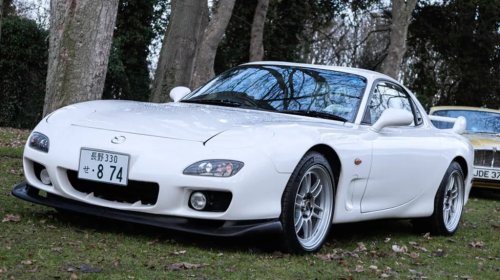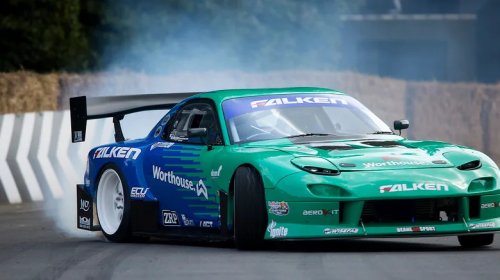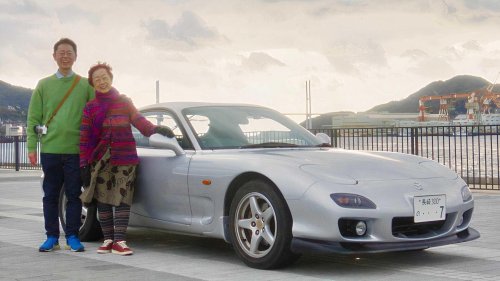
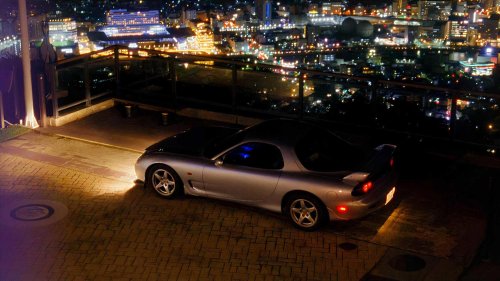
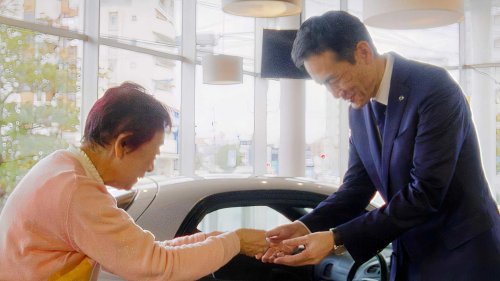
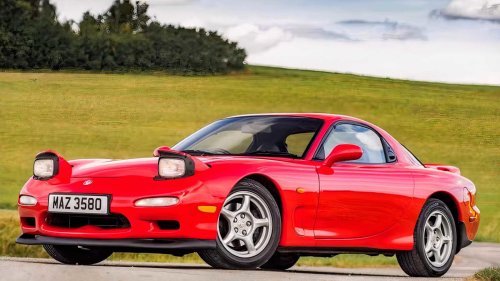
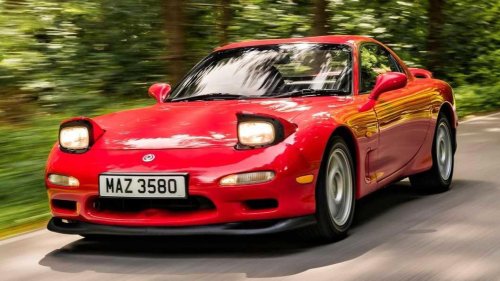
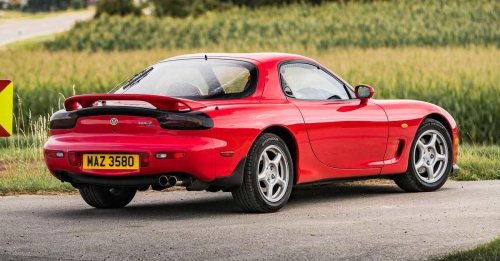




















Most 25-year-old JDM classics have been thrashed, crashed or treated to more wings than your average late night chicken shop. But one woman who bought a new in the year 2000 has kept it both original and in perfect condition — and has now decided to give it back to Mazda. The story of how the rotary masterpiece found its way home has now become a symbol of our love and innate connection with the cars we own. Naoko Nishimoto Bought The RX-7 After Watching Initial D But on her 80th birthday, Nishimoto decided she would surrender her driver’s license. Naturally, it would be time to part with her beloved RX-7 and during an interview with NBC Nagasaki Broadcasting she announced that she was looking for someone who might be interested in owning the car. Hmm, a mint condition, one owner, manual RX-7? Any takers? There Was A Healthy Response To The Callout Mazda Unsurprisingly, the YouTube video of the broadcast quickly reached almost 1 million views, and straight after it went online, Nishimoto received over 400 emails from people desperate to get their hands on the car. But a Mazda engineer also happened to be watching the program and contacted the PR department, suggesting that Mazda might be interested in taking the car back. Nishimoto was keen for the car to go to the right home, and, having considered many options, she decided to return it to its place of creation: Mazda. The RX-7 Is Returned To As New Condition Mazda After a ceremony to hand over the keys, Mazda gave the RX-7 a comprehensive overhaul, but was careful to retain traces of its time under Nishimoto's ownership. The car is now on display at the R&D center in Yokohama, as well as being used as a publicity vehicle, sharing the joy of driving and creating new connections with more people, said the company. When Nishimoto heard that the car would be fully overhauled, she said: "I'm a little jealous. My RX-7 gets to become young and beautiful again—how wonderful is that!” Nishimoto Said The Car Was A Dear Friend MazdaAt the handover, Mazda CEO, Moro Masahiro, gave her flowers, the license plate from her car, and even some original design sketches of the RX-7. “This was a moving reminder that you see a car not just as a means of transportation, but as an important partner in life,” he was quoted as saying. “It was also the first model for which I was responsible for marketing after joining Mazda, so it is a car that holds very special memories for me. We will treasure this car, along with stories of the days when you lived a happy, energetic, and vibrant life, drawing vitality from the power of cars.”Nishimoto, who said she would be starting a YouTube channel for my hobby of reading aloud, added: "This car is my friend. A friend who was always there for me. I'm saying farewell to a dear friend." Here's What Makes The FD RX-7 So Special MazdaThe third and final generation RX-7 arrived in 1992 with a new sequential twin turbocharger that boosted output from the latest 1.3-liter 13B engine to 255 horsepower. The looks were sublime — thought by some to have influenced the C5 Corvette — and the car could sprint to 60 mph in around 5.3 seconds. No wonder the RX-7 is so collectible today. By 2002, the RX-7's days were numbered, the car bowing out with a total of 811,634 units produced between 1978 and 2002, by far the most of any rotary model. The RX-7 spirit continued in the Mazda RX-8, which followed in 2003, but we can now only hope that there will one day be a replacement. How Much A Clean FD RX-7 Is Worth Today Mazda Stories like this hit even harder when you look at what a pristine FD RX-7 is worth in today’s market. Values for clean, unmodified examples have climbed steadily over the past few years, with most well-kept cars now sitting between $40,000 and $80,000 depending on mileage and condition.Low-mileage, completely original cars—especially rare trims like the Type RB S—can push well beyond that, with some collectors willing to pay six-figure sums for near-perfect examples. That makes Nishimoto’s car not just emotionally valuable, but financially significant as well.What really drives those prices is originality. The FD RX-7 became one of the most modified Japanese sports cars of all time, meaning untouched examples are now incredibly rare. A one-owner, factory-spec car like this is exactly what collectors are chasing today. Could Mazda Ever Bring The RX-7 Back? source:MazdaMoments like this inevitably raise the question: could Mazda ever revive the RX-7? The company has hinted at keeping the rotary engine alive in various forms, including range extenders and experimental performance applications. But a true RX-7 successor would need to capture more than just the engine—it would need to recreate the balance, lightness, and driver-focused feel that made the original so special.Modern regulations and electrification make that difficult, but not impossible. If anything, stories like Nishimoto’s remind manufacturers that cars are more than transportation—they’re emotional objects. And that’s exactly the kind of thinking that could justify bringing back something as iconic as the RX-7 in a new form.