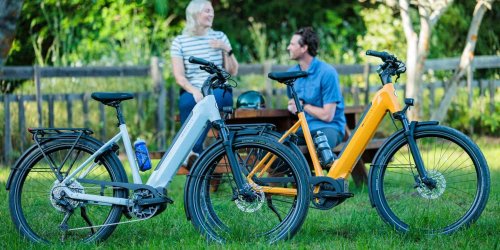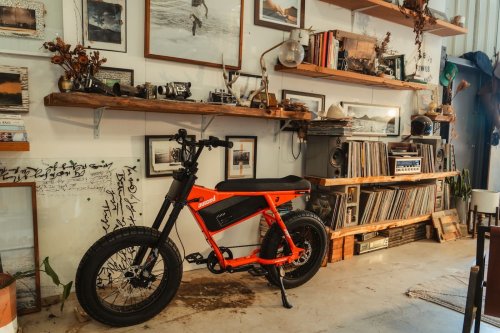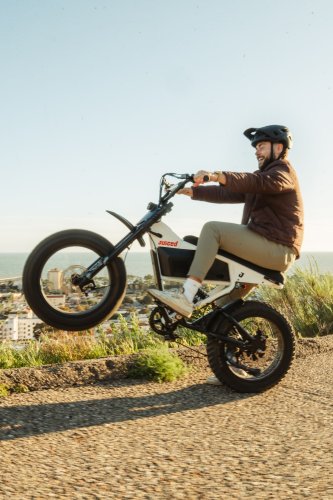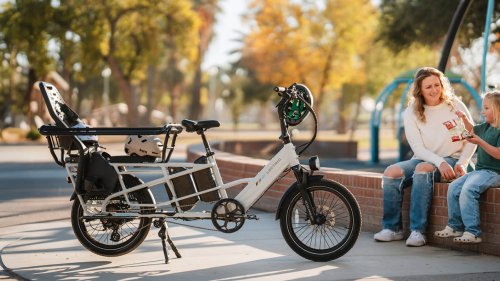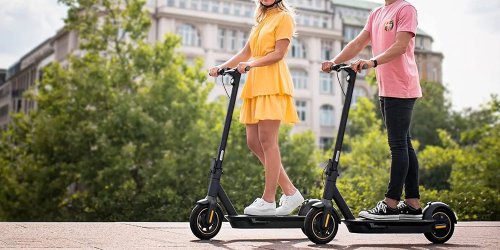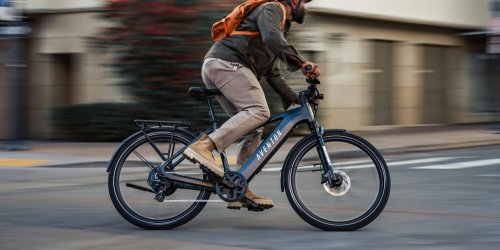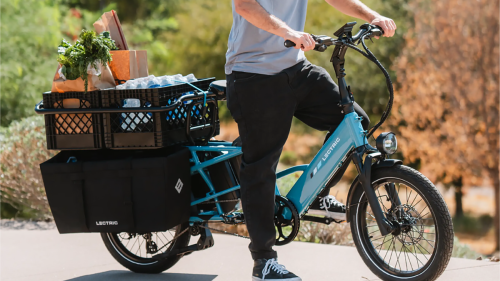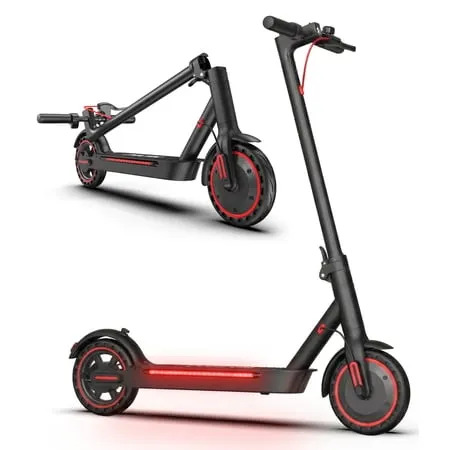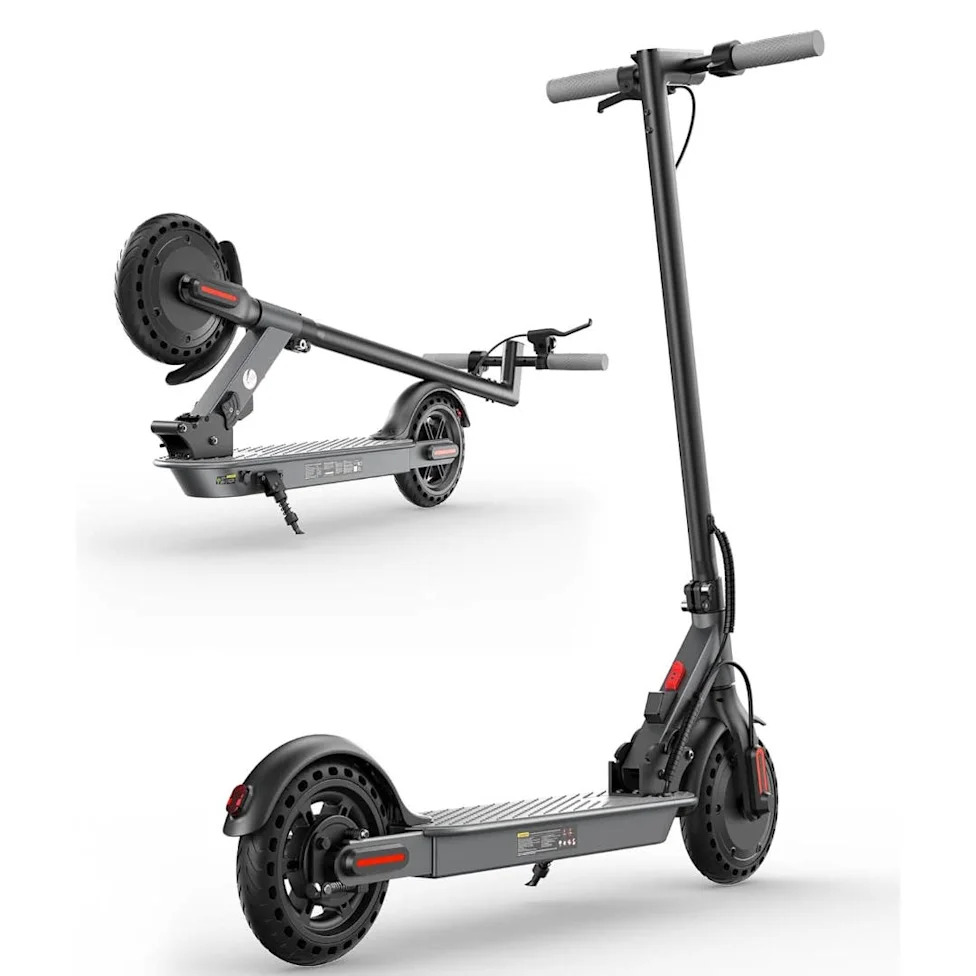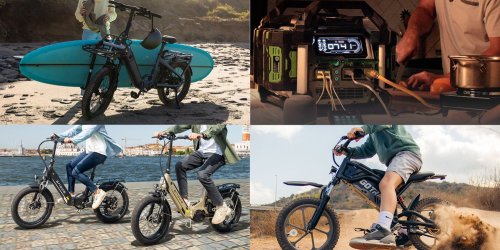




















Micromobility regulation continues to tighten in New York City, and now Mayor Zohran Mamdani is taking aim at the online retailers that have become a major source of high-speed electric bikes and scooters. The mayor’s office has sent cease-and-desist letters to 40 online retailers, including Amazon, Walmart, Target, Temu, Wayfair and others, demanding that they stop selling electric bikes, electric scooters and similar vehicles that don’t comply with New York City’s laws. According to the city, retailers have until later this month to stop selling the prohibited vehicles to New York City residents or potentially face fines of up to $2,000. The move is part of the city’s ongoing effort to crack down on e-bikes that fall outside of NYC’s definition of electric bicycles. New York declared stricter limits on electric bicycles and e-scooters than most of the nation. For example, while Class 3 electric bicycles that can reach up to 28 mph (45 km/h) are legal almost everywhere in the US, they exceed the slightly lower 25 mph (40 km/h) speed limit for electric bicycles in New York, and are thus considered illegal there when exceeding that 25 mph figure. Advertisement - scroll for more content In addition, Mamdani declared a goal of cracking down on even faster e-motos, which exceed normal electric bicycle classifications and fall in off-road electric motorbike territory. It’s a distinction that has become increasingly blurred in recent years as manufacturers, particularly overseas brands selling directly online, have introduced ever more powerful two-wheelers with top speeds well above what most states define as an electric bicycle. While federal law limits consumer e-bikes to 750W of continuous motor power, many online listings advertise several thousand watts of power and speeds exceeding 30 mph (51 km/h) while still using the term “electric bike.” Those machines often lack VINs or the equipment necessary to be legally registered as mopeds or motorcycles, leaving riders with vehicles that don’t fit cleanly into existing regulations. Amazon has already responded to the cease-and-desist letter, saying it is reviewing the products identified by the city. “Safety is a top priority and we require e-bikes sold in our store to meet applicable safety standards and Amazon policies,” an Amazon spokesperson said, adding that the company is willing to work with the mayor’s office and City Council on the issue. The crackdown also highlights a growing challenge for cities attempting to regulate micromobility. Brick-and-mortar bike shops generally understand local regulations and stock compliant products, but online marketplaces often host thousands of third-party sellers shipping directly to consumers with little regard for local vehicle classifications. For riders, it serves as another reminder that just because a product is advertised online as an electric bike doesn’t necessarily mean it’s legal to ride as one. Increasingly, cities are drawing a hard line between genuine e-bikes and electric motorcycles disguised as bicycles – and in the case of cities like NYC, sometimes an arbitrary line. And now those cities are asking retailers to do the same. Stay up to date with the latest content by subscribing to Electrek on Google News. You’re reading Electrek— experts who break news about Tesla, electric vehicles, and green energy, day after day. Be sure to check out our homepage for all the latest news, and follow Electrek on Twitter, Facebook, and LinkedIn to stay in the loop. Don’t know where to start? Check out our YouTube channel for the latest reviews.