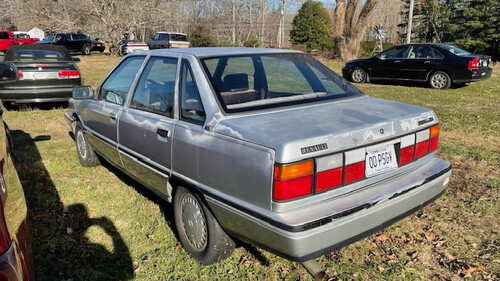
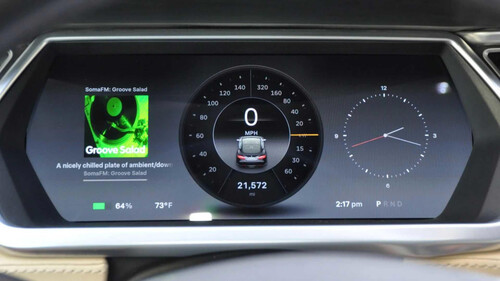
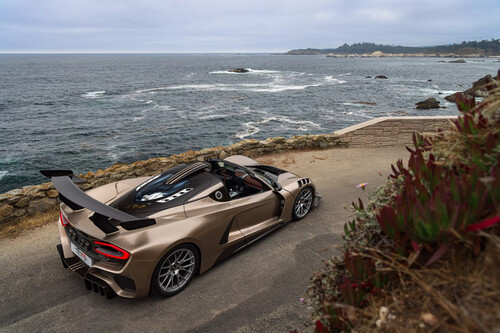
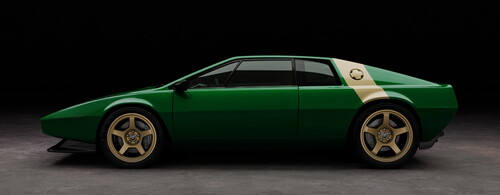
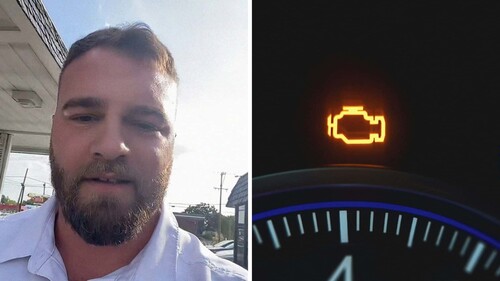
Mia Lee · 4 months ago@mialee41No, Your Check Engine Light Isn't Always A Death Sentence, But Don't Ignore It Either Liked by+25 othersPost commentRelated PostsFord Recalled 110,000 Mustangs This Week — and Still Doesn't Have a Fix for Either Problem 26 · Thomas Leblanc · 3 months agoThe 10-Foot-Wide M3 Isn’t Photoshopped, But It Isn’t A BMW Either 62 · Morgan Rogers · 3 months agoCan Ferrari and Hamilton Stop Either Mercedes Driver This Weekend? 93 · Matthew Moreau · 3 months agoBMW Motorrad's iFace Facial Recognition Anti-Theft System Is Either Brilliant or Deeply Concerning 93 · Isabelle Lewis · 4 months agoMidsize Trucks Just Got Pricier, and the Rest of the Auto Market Isn't Slowing Down Either 43 · Mason Tremblay · 4 months ago3 polarizing motorcycle features bikers seem to either love or hate 23 · Lily Fortin · 4 months agoFord’s European Bronco Won’t Be Fake-Tough, But It Won’t Be A Real Bronco Either 29 · Mia Macdonald · 4 months agoAt $2,000, could this 1988 Eagle Medallion go either way? 91 · Parker Hall · 5 months agoEither 1 or 4 'Fast & Furious' TV Shows Are in the Works for Peacock 37 · Isabelle Rogers · 5 months agoA 12-year-old Tesla Model S is either a brilliant used buy or a ticking clock 65 · Matthew Wright · 5 months agoA 355 HP Acura MDX Type S With A Rooftop Tent Is Either Brilliant Or A Complete Contradiction 94 · Ethan Scott · 6 months agoA 6-Speed Gated Manual In A 2,031-HP Hypercar Is Either Brilliant Engineering Or A Very Expensive Dare 43 · Adam Gagnon · 6 months agoThis is the interior that will either kill or save Jaguar 43 · Nicole Macdonald · 6 months agoEncor’s Lotus Esprit Costs More Than Two New Ferraris But Sounds Better Than Either 57 · Adam Scott · 6 months ago‘I Didn't Know It Either & I'm Almost 60:’ Man Shares How to Read Interstate Exit Signs. You’ve Probably Been Doing It Wrong 32 · Chloé Lewis · 11 months agoGeorgia’s Lift-Kit Law Exempts Basically Every Pickup Since 2011. A Wrongful-Death Suit Wants a Jury to Draw the Line.Lauren Wright · 5 days agoGeorgia Wrongful-Death Suit Goes After the Dealer, the Installer and the Maker of a Six-Inch F-150 LiftCaleb Roy · 7 days ago6-Inch Ford F-150 Lift Kit Blamed in Wrongful Death LawsuitVictoria Poirier · 8 days agoLegendary BMW Tuner AC Schnitzer Saved From DeathZoë Walker · 17 days agoNHTSA Is Probing An Aftermarket Self-Driving Device After Three Deaths 43 · Chloé Lewis · 19 days ago


 +25 others+25 others
 +25 others