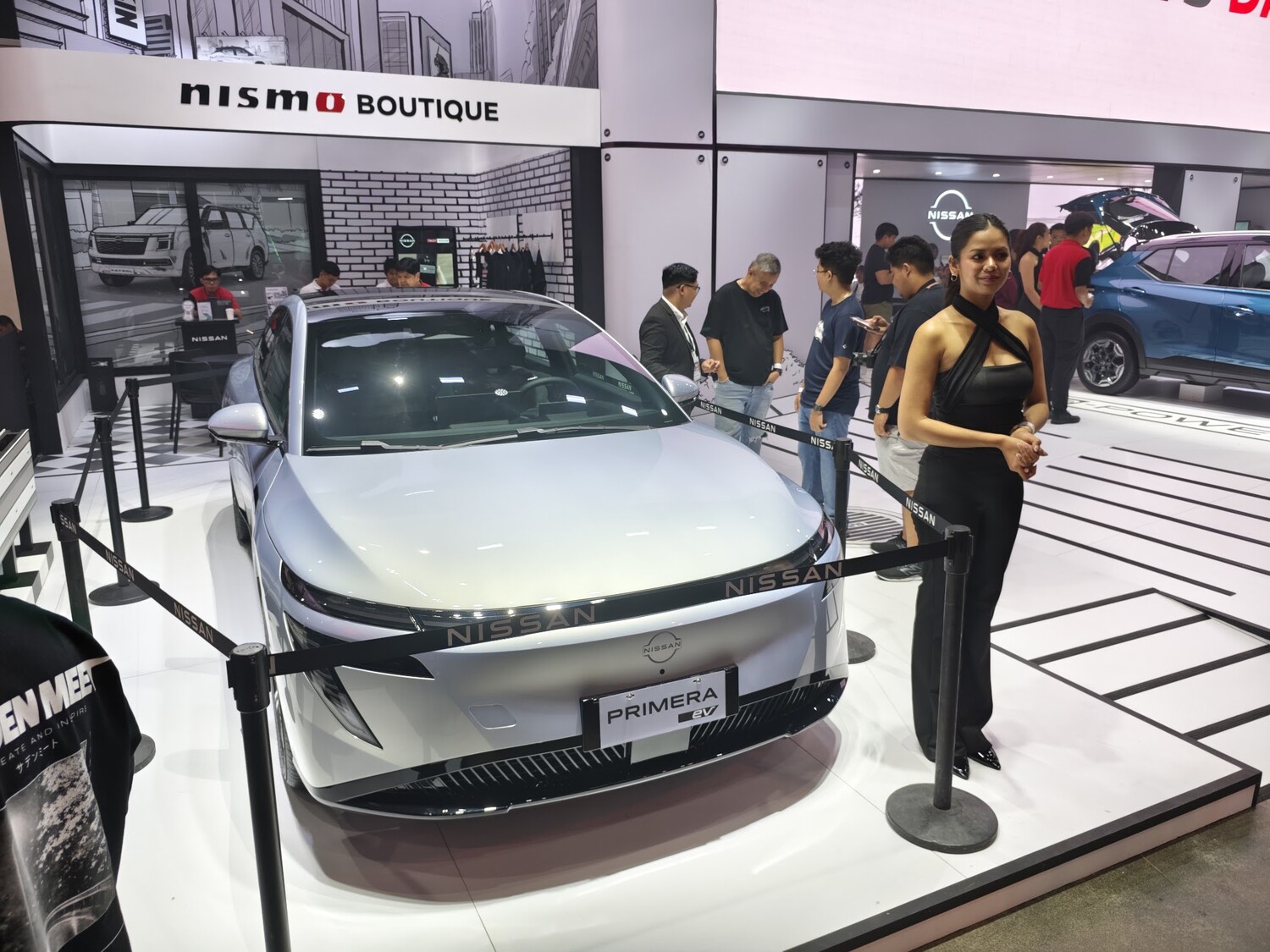
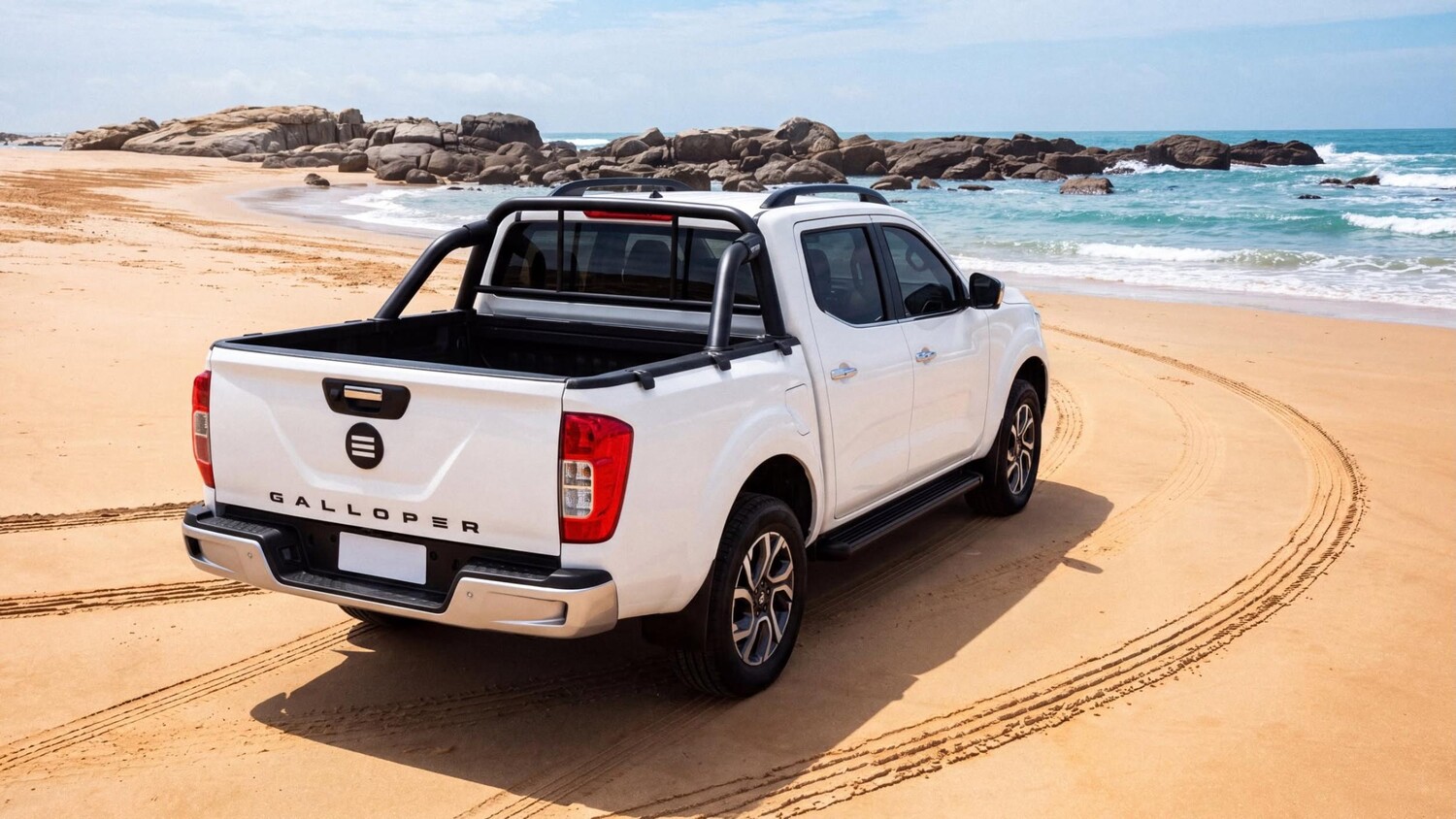
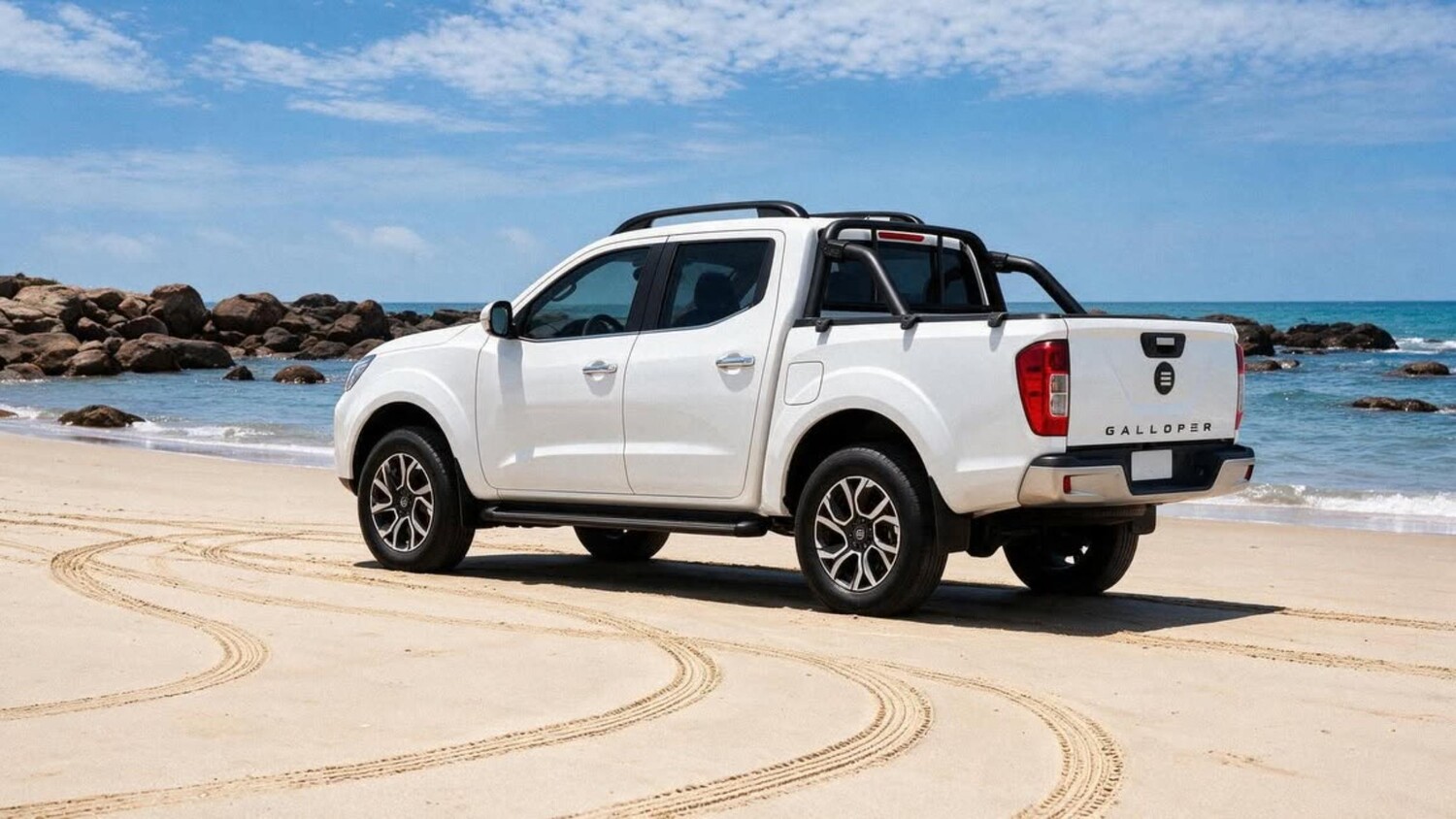
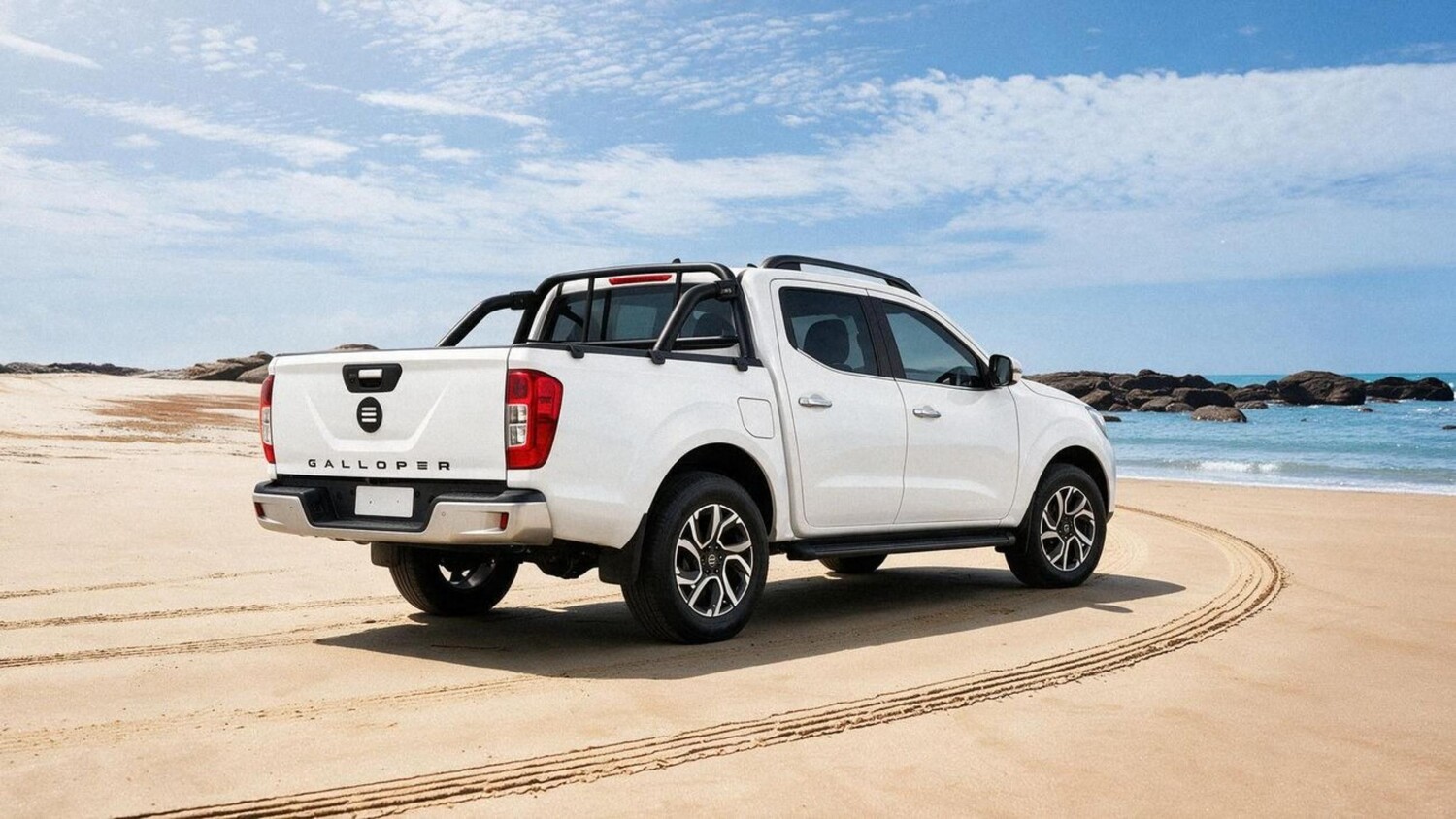
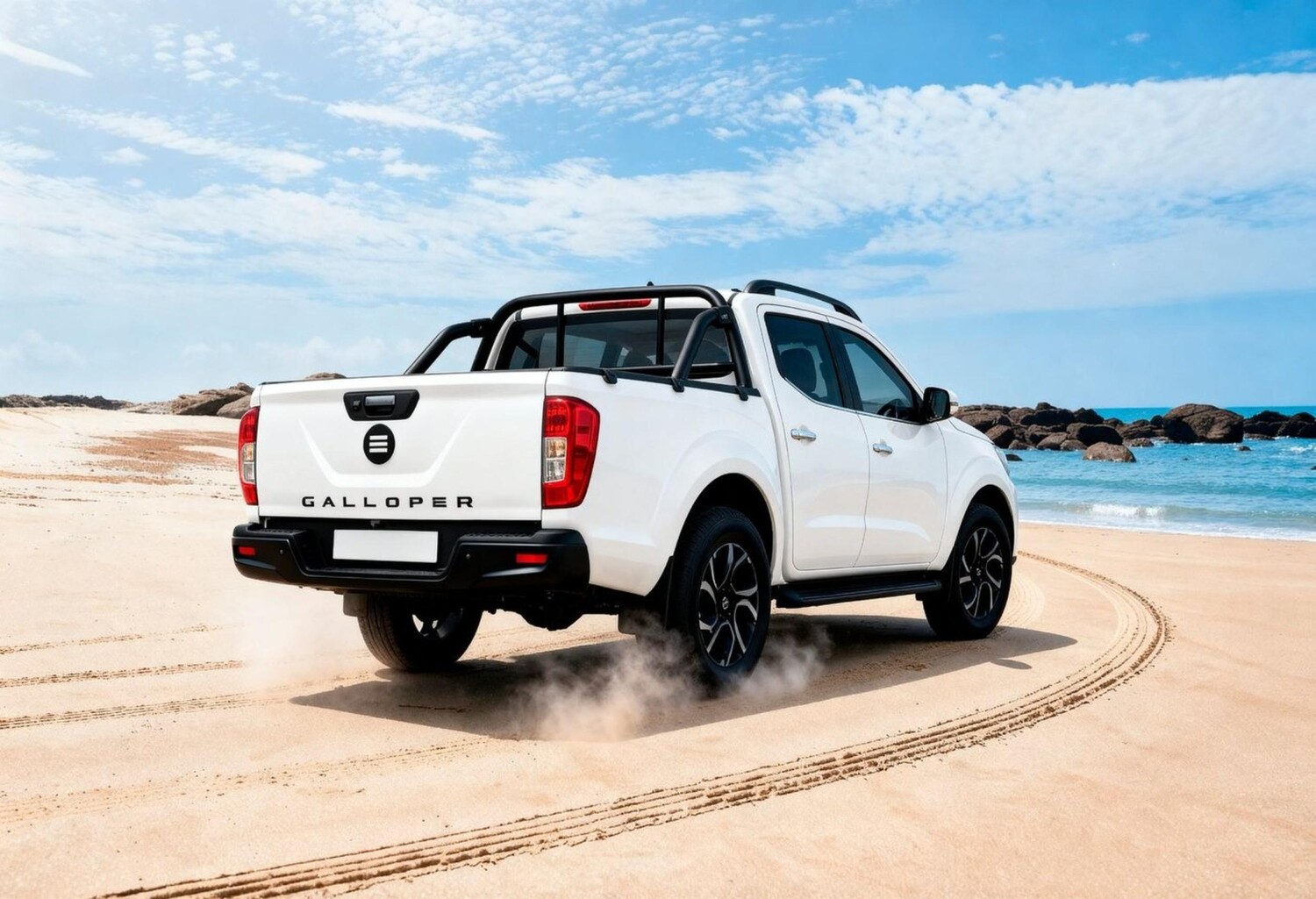
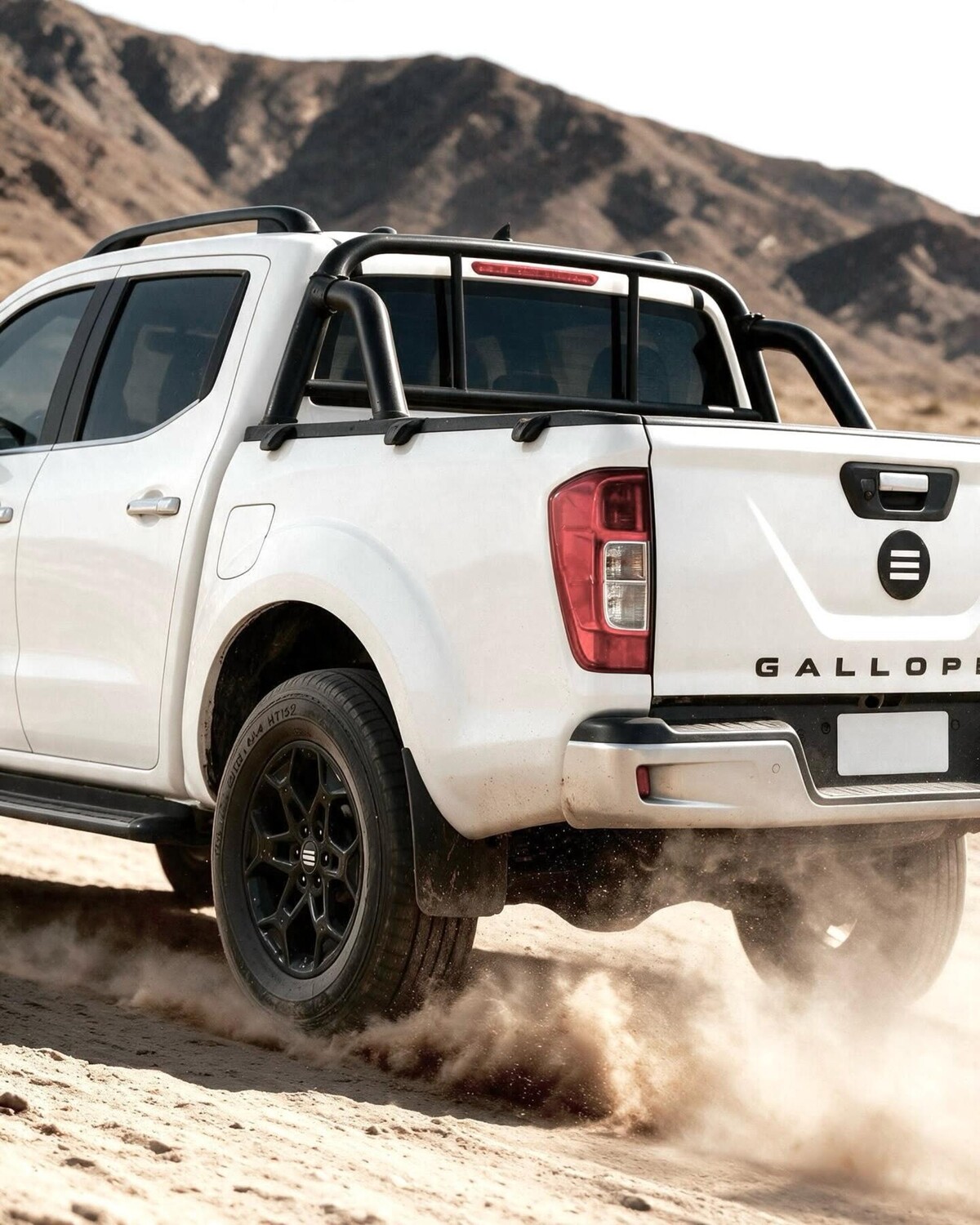
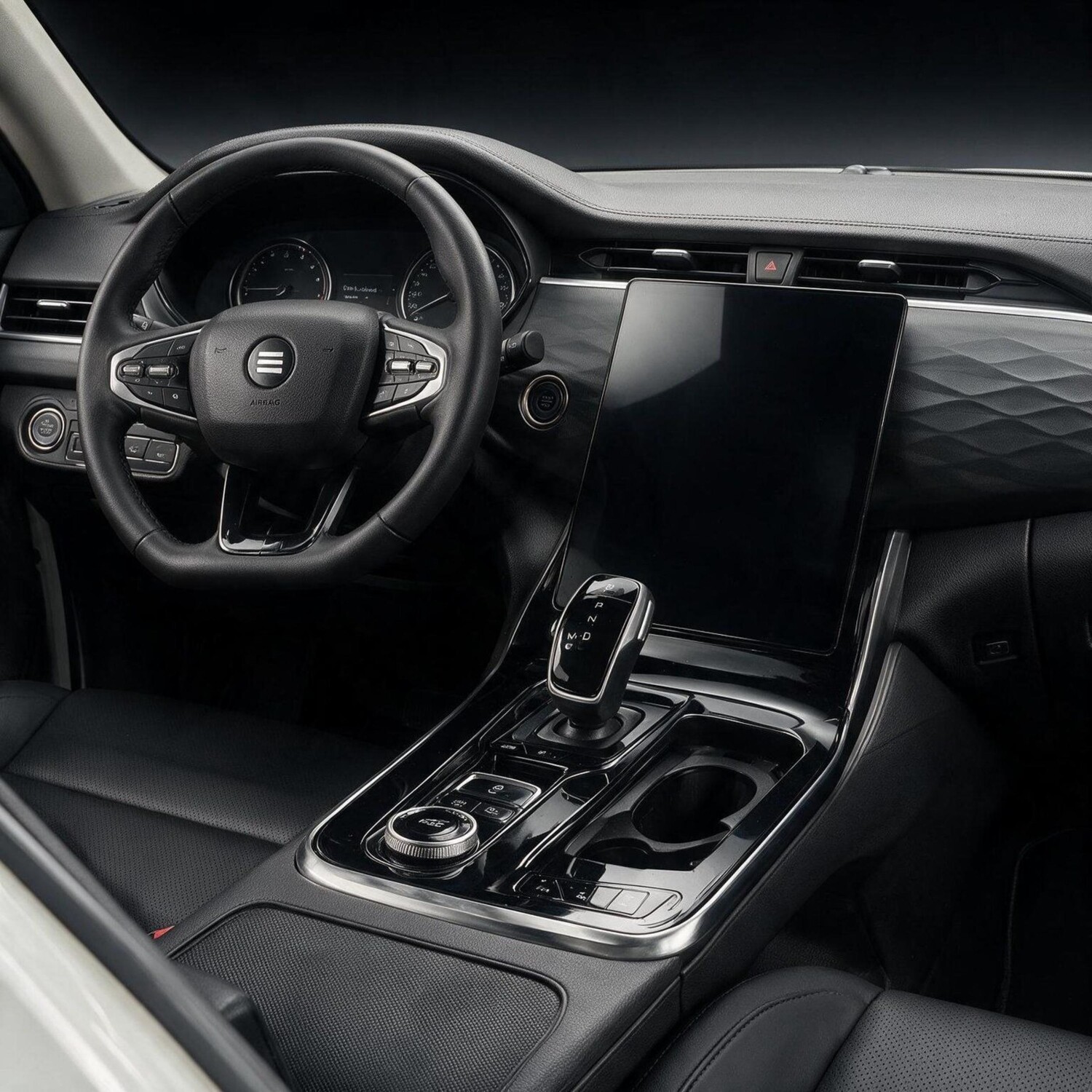
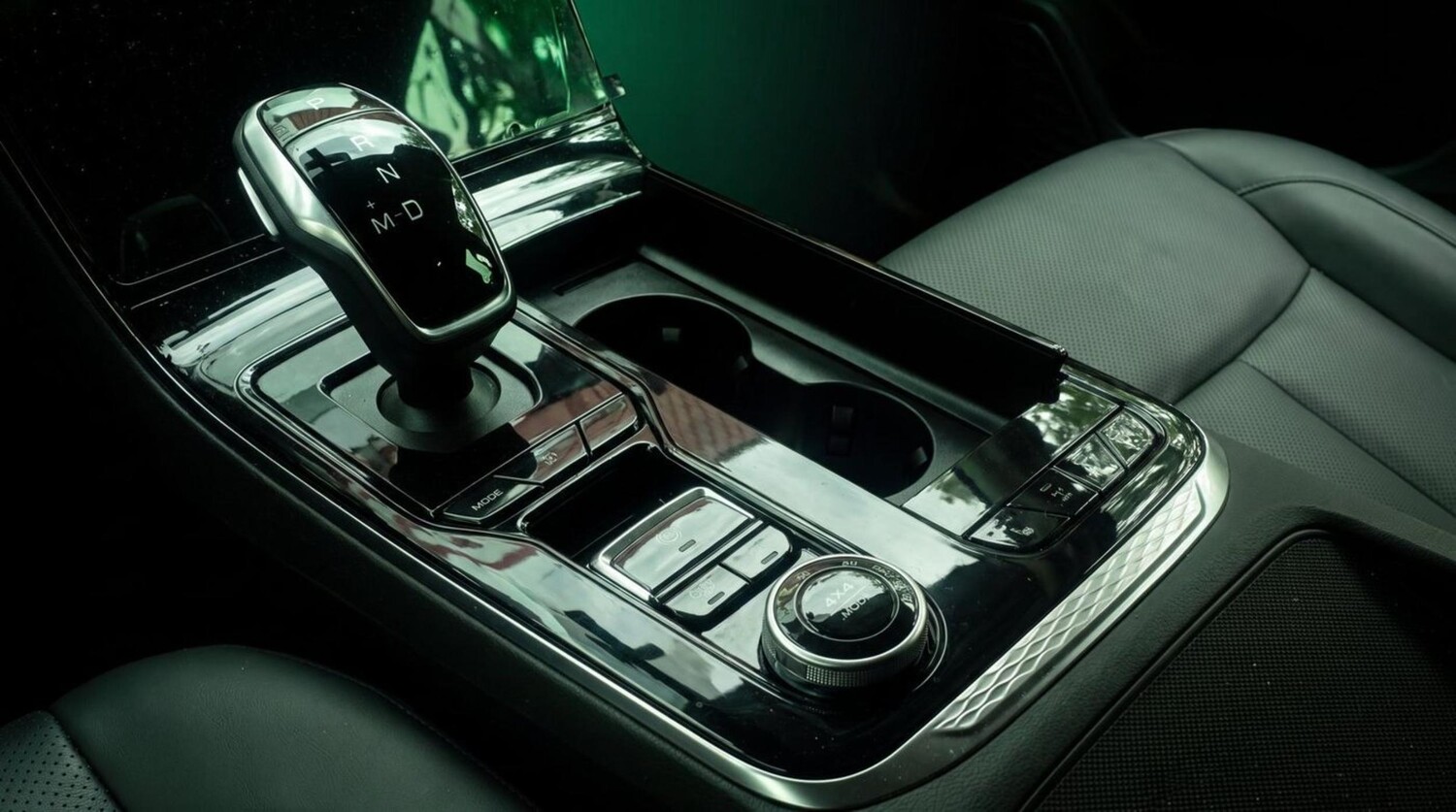
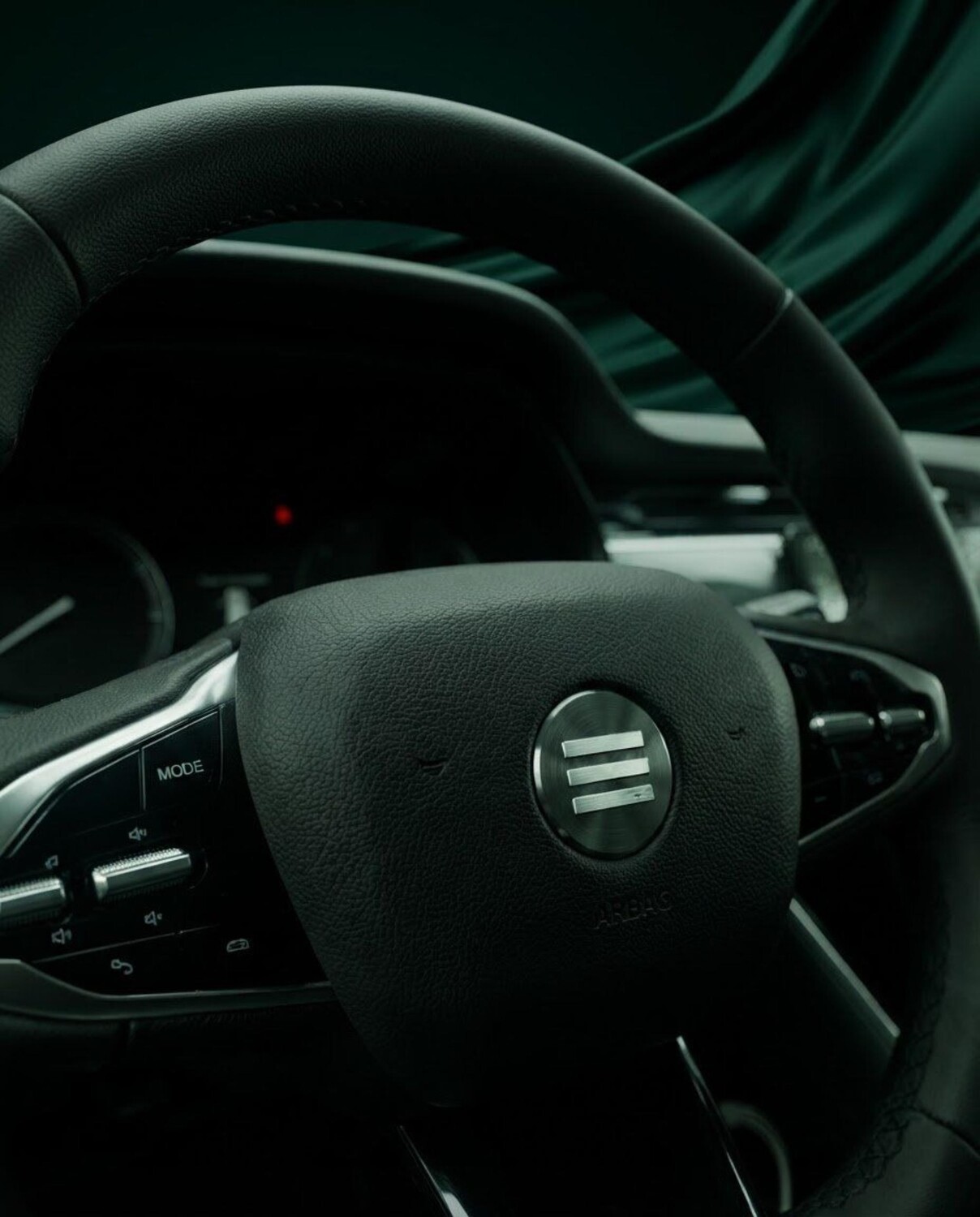
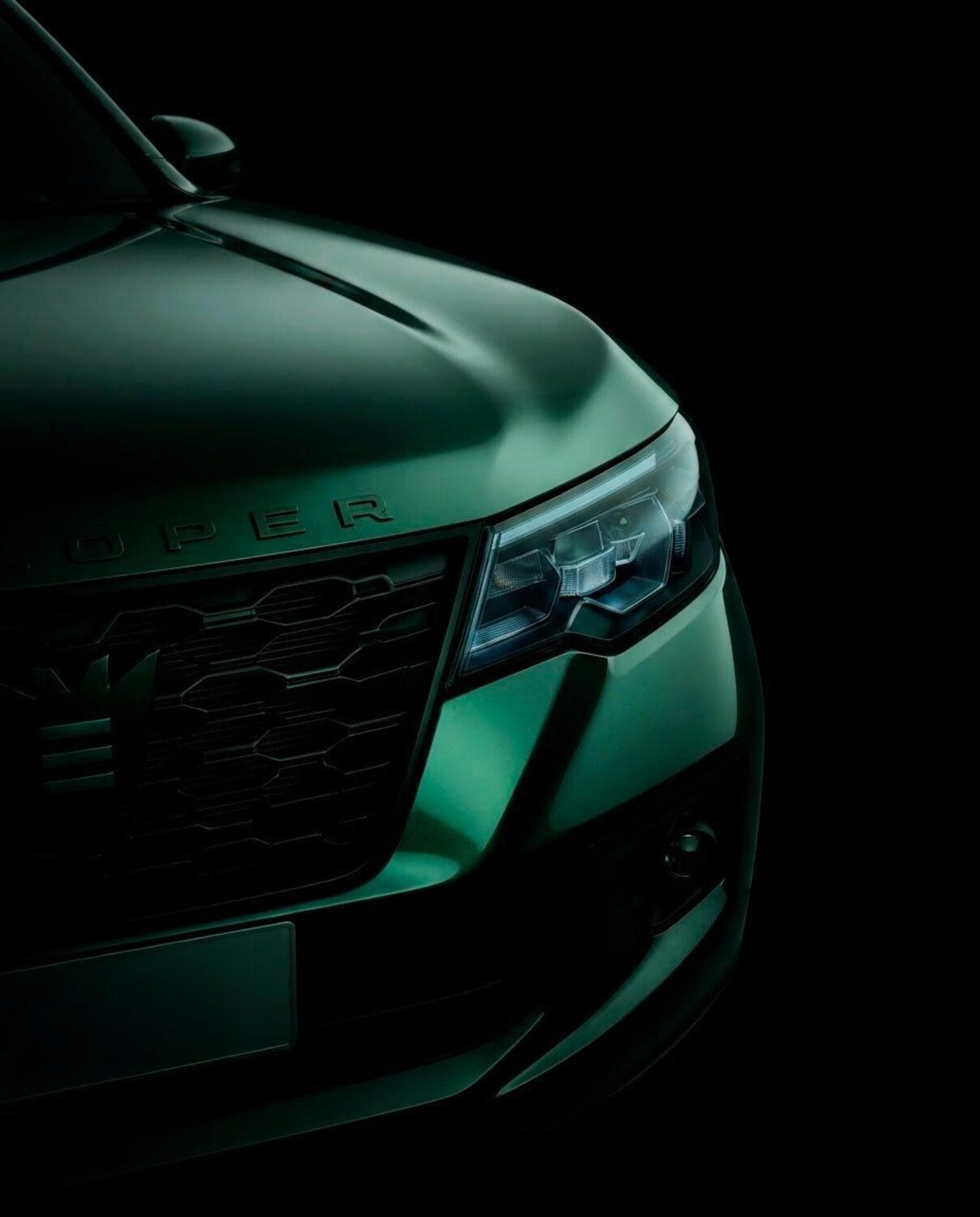
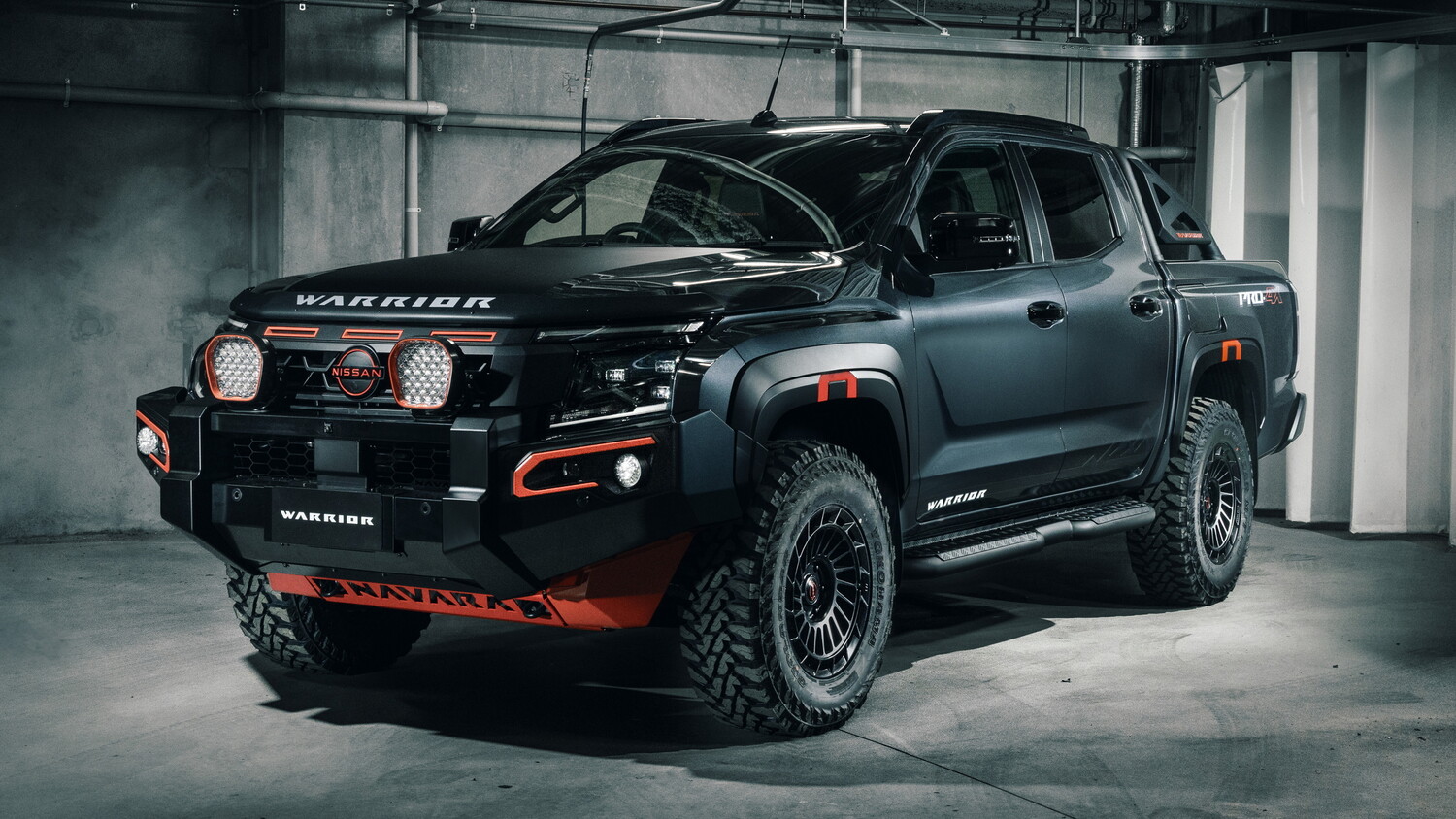
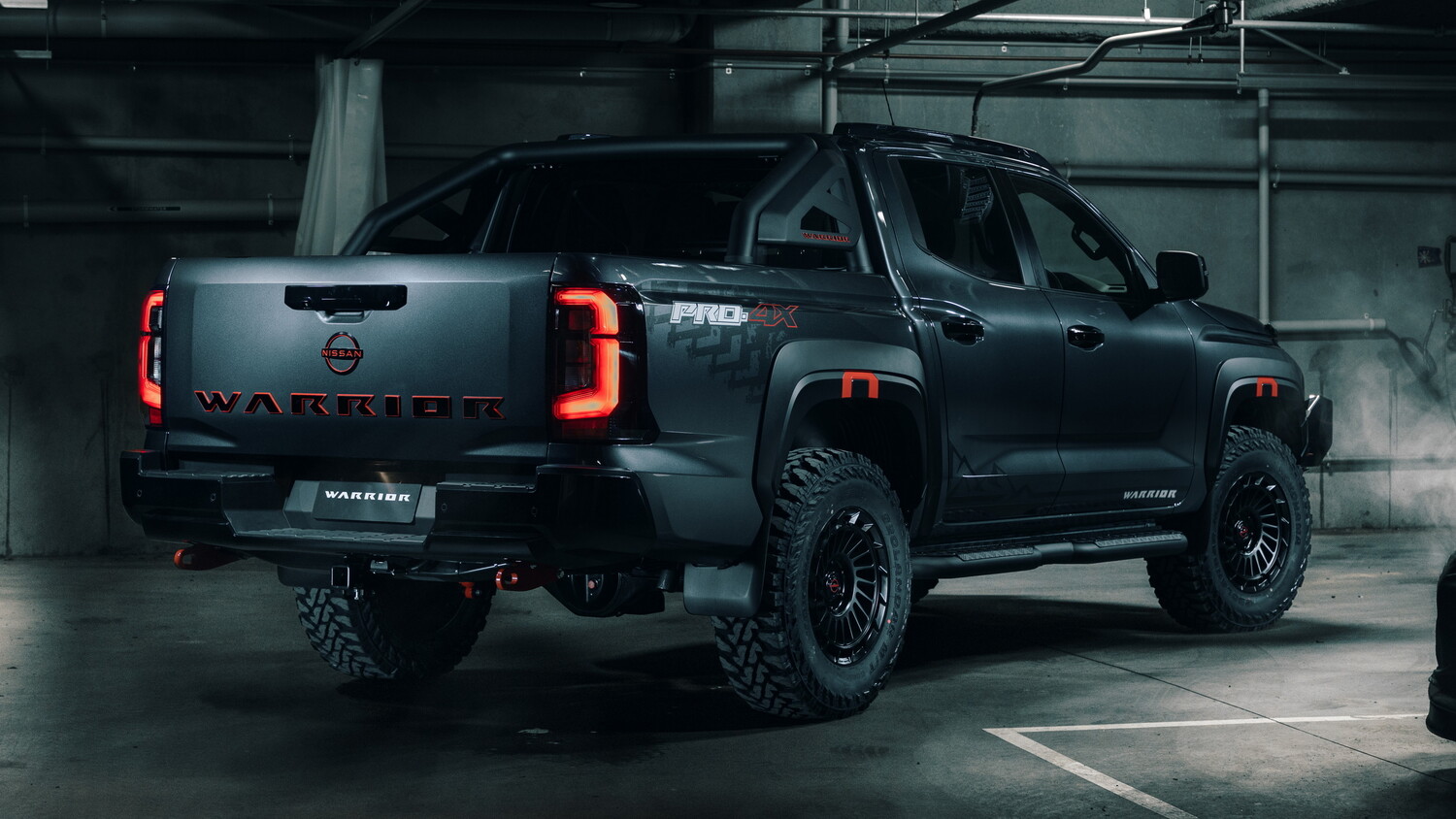
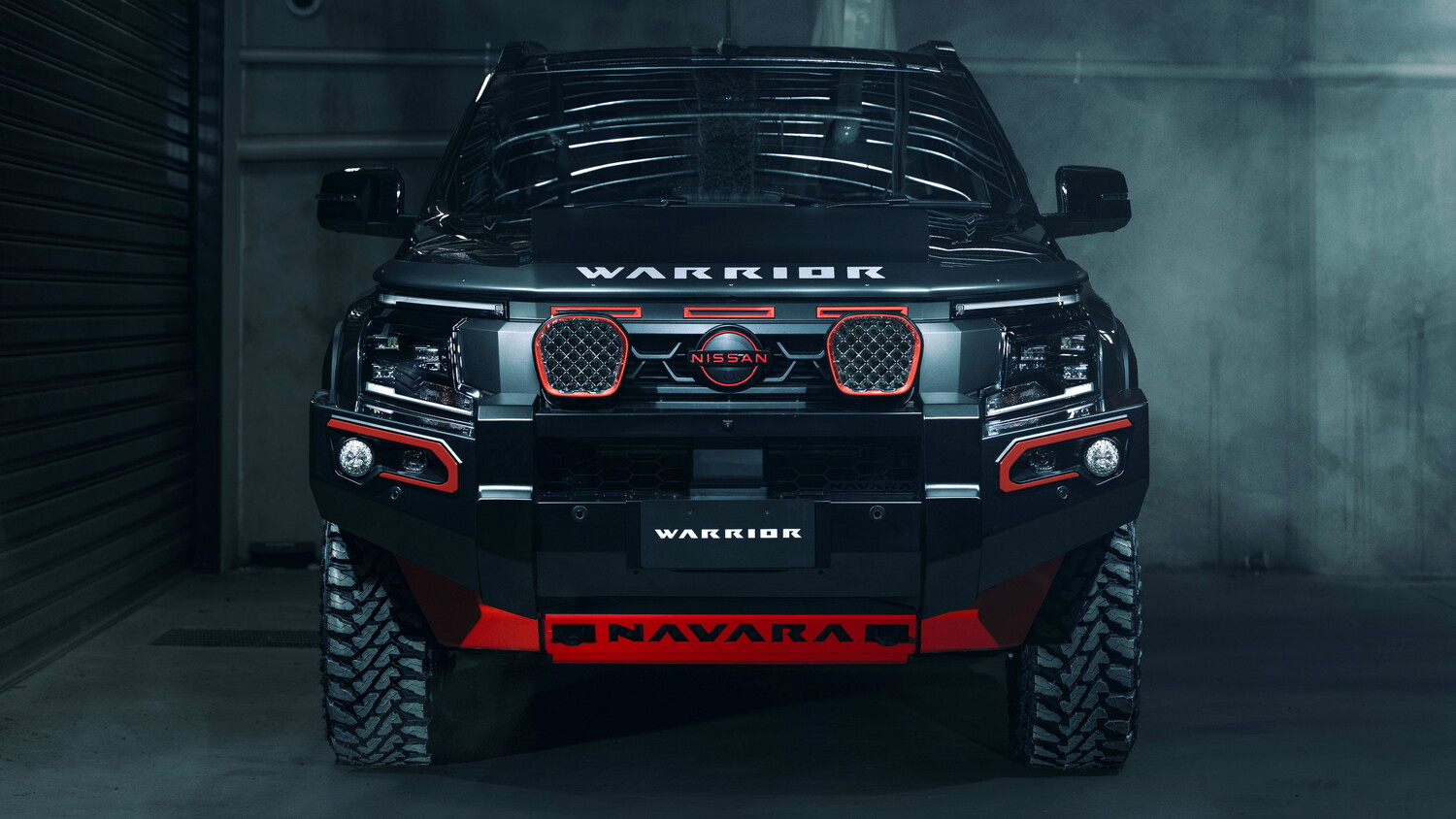
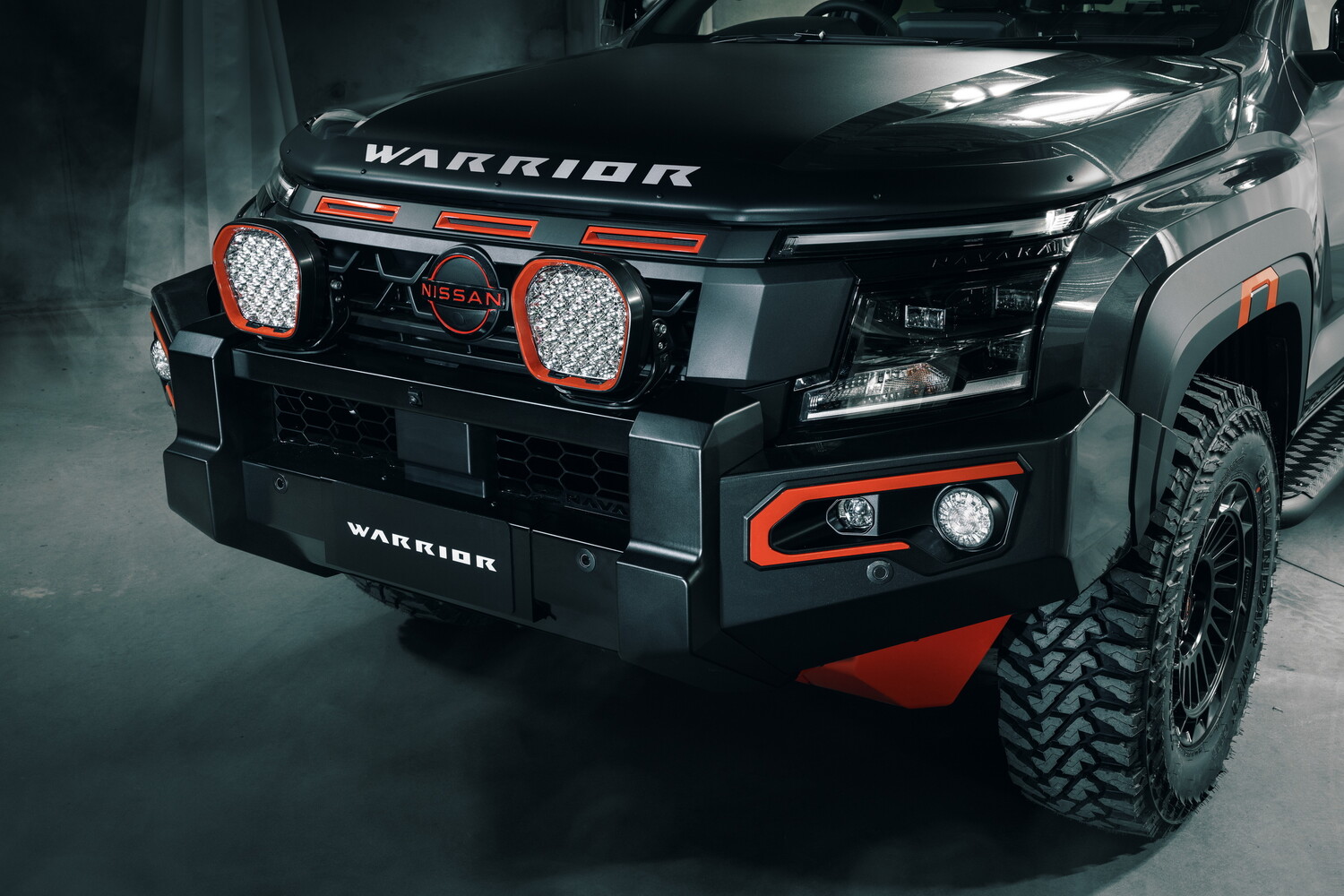
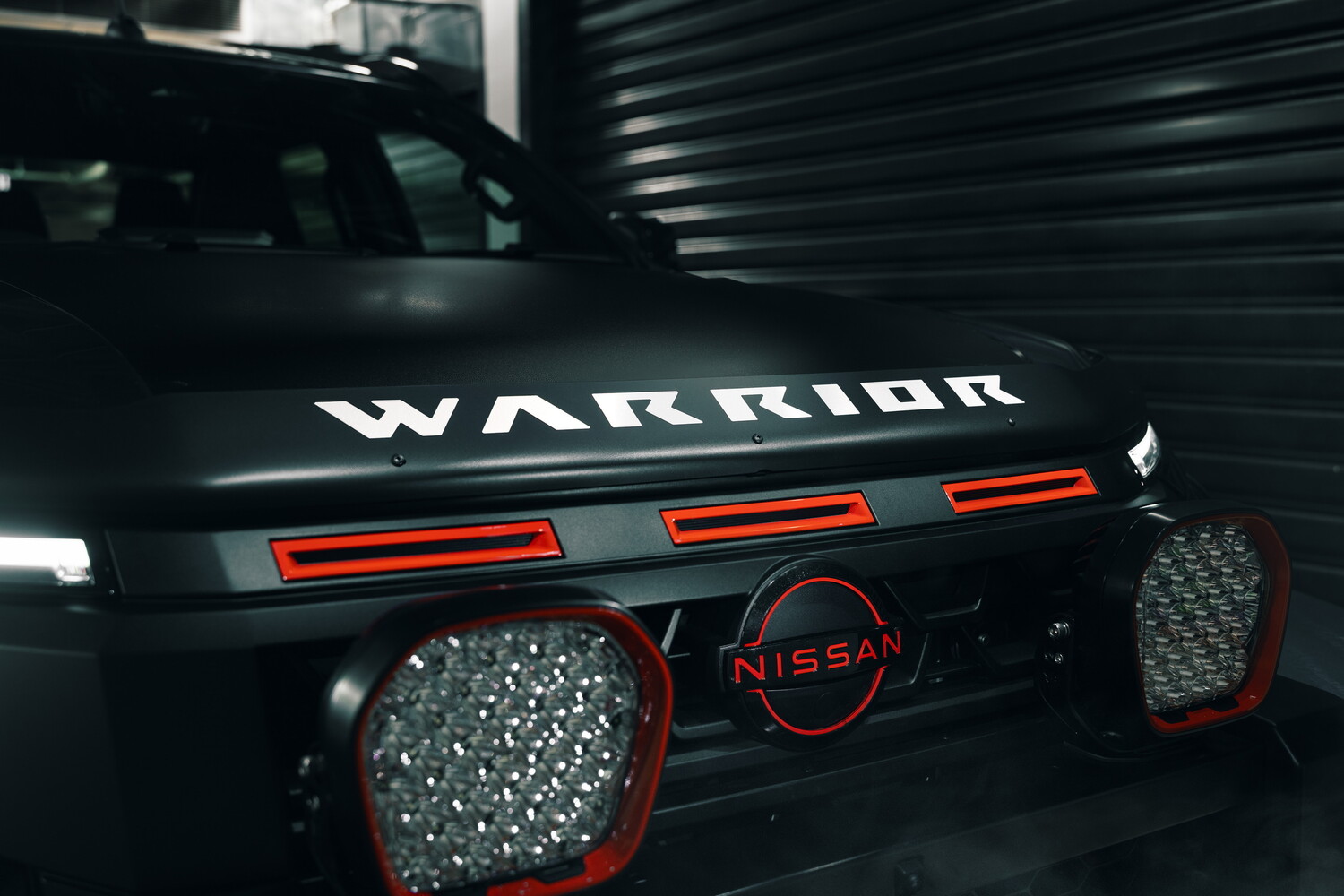
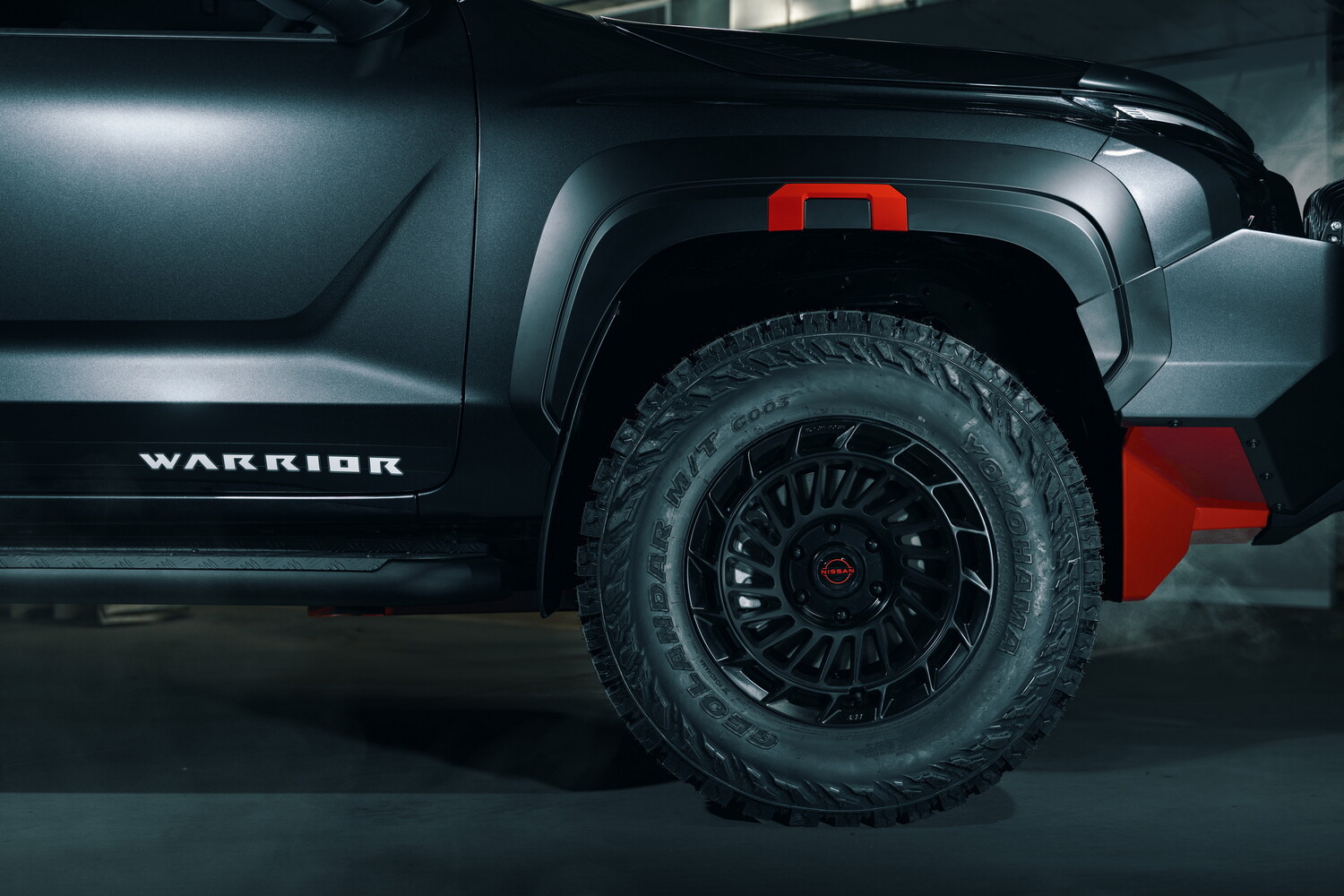
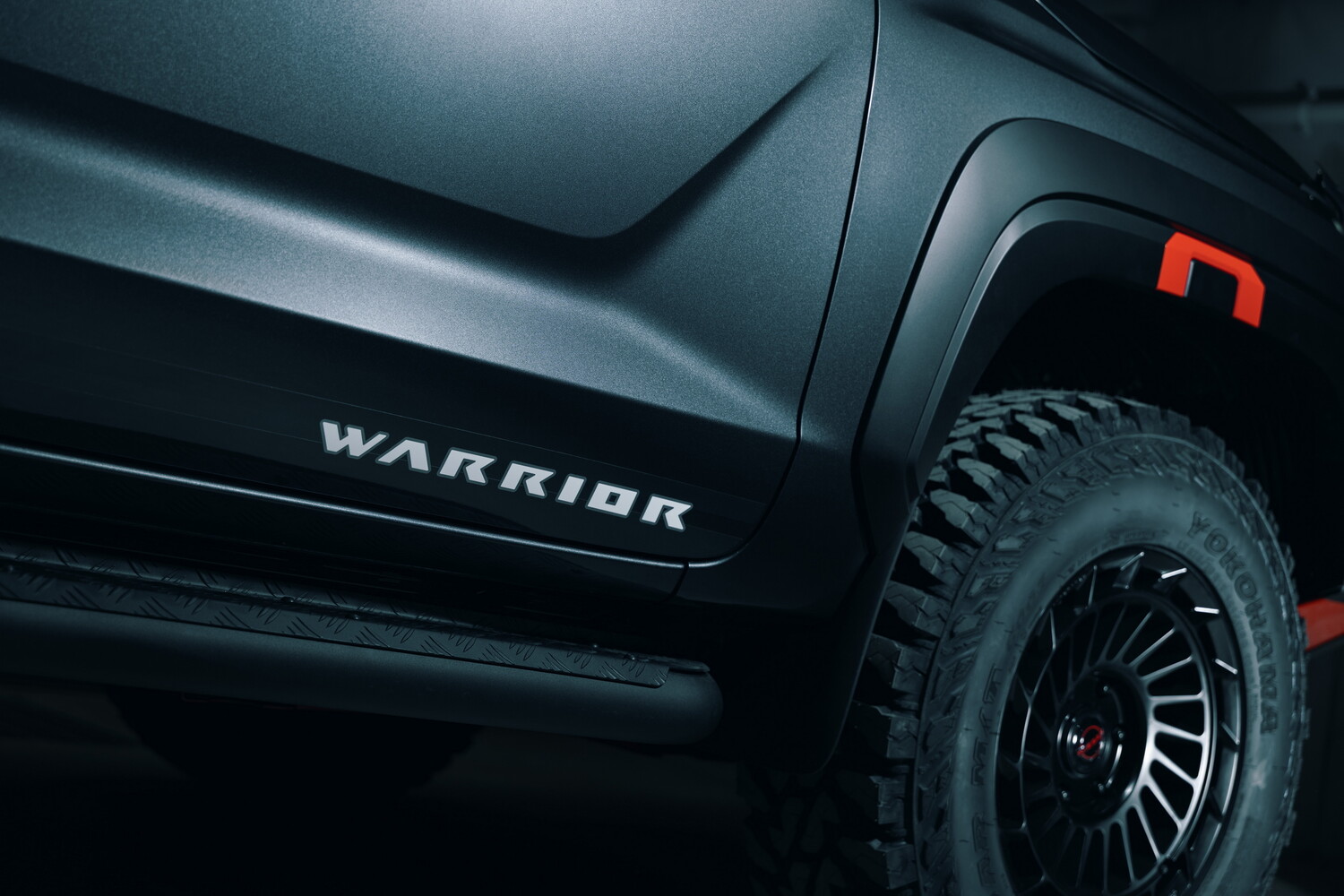
HYBRID PICKUP The Nissan Navara Pro PHEV combines a turbocharged gasoline engine with an electric motor and offers up to 75 kilometers of claimed electric-only range. NISSAN Philippines has entered two new segments of the country’s growing electrified vehicle market (EV) with the launch of the Navara Pro Plug-in Hybrid Electric Vehicle (PHEV) and the all-electric Primera EV at Bonifacio High Street on Nov. 6, 2026. The two models bring plug-in hybrid technology into the pickup segment while adding another electric sedan to the growing selection of battery-powered passenger vehicles available locally. The launch comes as competition in the Philippine market intensifies, with established manufacturers and newer Chinese brands introducing alternatives to conventional gasoline and diesel vehicles. With these two models, Nissan is targeting different buyers: those who want the versatility of a pickup with the added benefit of electric driving, and motorists ready to make the switch to a fully electric passenger car. The Navara Pro PHEV combines a 1.5-liter turbocharged gasoline engine producing 143 PS and 220 Newton-meters (Nm) of torque with a permanent magnet synchronous electric motor delivering 212 PS and 350 Nm. Its 20.24-kilowatt-hour (kWh) lithium-nickel-manganese-cobalt (Li-NMC) battery provides a claimed electric-only driving range of 75 kilometers (km) under the New European Driving Cycle (NEDC). The powertrain is paired with a 4DHT automatic transmission and Nissan’s Intelligent 4WD system, which offers 2H, AUTO, 4H and 4L settings. Drivers can also choose among four driving modes: HEV, EV, Performance, and Snow. The plug-in hybrid system allows the pickup to run on electric power for shorter trips while retaining its gasoline engine for longer journeys. Its Type 2 charging port supports AC (alternating current) charging, with Nissan claiming a charging time of approximately three hours from 20 to 100 percent. For Filipino motorists, this setup offers an alternative to conventional diesel pickups, particularly for owners who spend much of their time in city traffic but still need a vehicle capable of longer provincial trips and heavier work. The Navara retains its utility capabilities, with a rated payload of 865 kilograms (kg) and towing capacity of 3,500 kg. Ground clearance is 232 mm, while its stated water-wading capability is 700 mm. The cargo bed also has vehicle-to-load (V2L) functionality, with two 220-volt (V), 15A outlets, and a 12V socket for powering compatible electrical equipment. This could prove useful for contractors, businesses, and outdoor enthusiasts who need electricity in locations without access to conventional power. Inside, the Navara comes with a 10-inch digital instrument cluster, a 14.6-inch touchscreen, wireless Apple CarPlay and Android Auto, dual-zone automatic climate control and leather seats. Nissan’s ProPILOT driver-assistance system includes Intelligent Cruise Control, Lane Intervention, and Traffic Jam Assist. Other safety features include Intelligent Emergency Braking, Forward Collision Warning, and a 3D Intelligent Around View Monitor. The Navara Pro PHEV is offered in two 4x4 variants. The VL is priced at P2.498 million, while the higher-specification LE costs P2.698 million. A P50,000 launch discount reduces the introductory prices to P2.448 million and P2.648 million, respectively. The LE adds an electronic locking rear differential, powered tonneau cover, powered cargo door, retractable cargo step, and a 12-speaker FOCAL premium audio system. Primera targets the electric passenger-car market. Fully electric Primera While the Navara uses a plug-in hybrid powertrain, the Primera EV runs entirely on electricity. The sedan is powered by a permanent magnet synchronous motor producing 218 PS and 305 Nm of torque, driving the front wheels. Its 58-kWh lithium-iron phosphate (LFP) battery provides a claimed range of 500 km under the NEDC cycle. The Primera supports AC and DC charging through Type 2 and CCS connections. Its maximum DC charging rate is 150.4 kW, allowing the battery to charge from 10 to 80 percent in a claimed 19 minutes under suitable conditions. AC charging is rated at 6.6 kW. The sedan also has V2L capability and comes with a portable charging cable. Measuring 4,930-mm long, 1,895-mm wide, and 1,487-mm high, the Primera has a 2,915-mm wheelbase and seating for five. Its luggage compartment offers 450 liters of space, with another 54 liters of underfloor storage. Inside, Nissan has focused on comfort and technology. The Primera comes with Zero Gravity front seats with power adjustment and memory functions. Both front seats have ventilation and heating, along with a massage function. Other equipment includes perforated leather upholstery, a fixed panoramic glass roof, dual-zone automatic climate control with voice command, customizable ambient lighting, and a 15.6-inch touchscreen. The infotainment system includes built-in navigation with online traffic information and route planning, wireless Apple CarPlay and Android Auto, and a 12-speaker audio system. A 10.25-inch digital instrument display and 50W ventilated wireless charger are also provided. Safety equipment includes six airbags, Nissan ProPILOT Intelligent Cruise Assist, a 3D Intelligent Around View Monitor, Intelligent Emergency Braking, Blind Spot Warning, Rear Cross Traffic Alert, and Lane Departure Warning. MyNISSAN Connect allows owners to monitor charging status, check vehicle information, access location services and control certain vehicle functions remotely through a smartphone application. It also includes an eCall emergency function. The Primera EV has a suggested retail price of P2.099 million. A P100,000 launch discount brings its introductory price to P1.999 million. Moving beyond conventional engines The arrival of the Navara Pro PHEV and Primera EV gives Nissan a presence in two different segments of the Philippine electrified vehicle market. The two vehicles also show the different approaches available to motorists considering the move away from conventional gasoline and diesel engines. The Navara retains the flexibility of a gasoline engine while allowing electric driving for shorter journeys. The Primera, on the other hand, relies entirely on battery power. Both have their advantages, but buyers will also need to consider charging infrastructure, electricity costs, battery warranties, parts availability, and after-sales support. For Nissan, the challenge goes beyond offering competitive specifications and a long list of features. The company must also demonstrate that it can provide dependable ownership support over the long term. With the Navara Pro PHEV and Primera EV, Nissan now has two very different products competing in an increasingly crowded electrified vehicle market. Whether they succeed will depend not only on what they offer on paper but also on how well they perform in everyday Philippine driving conditions.