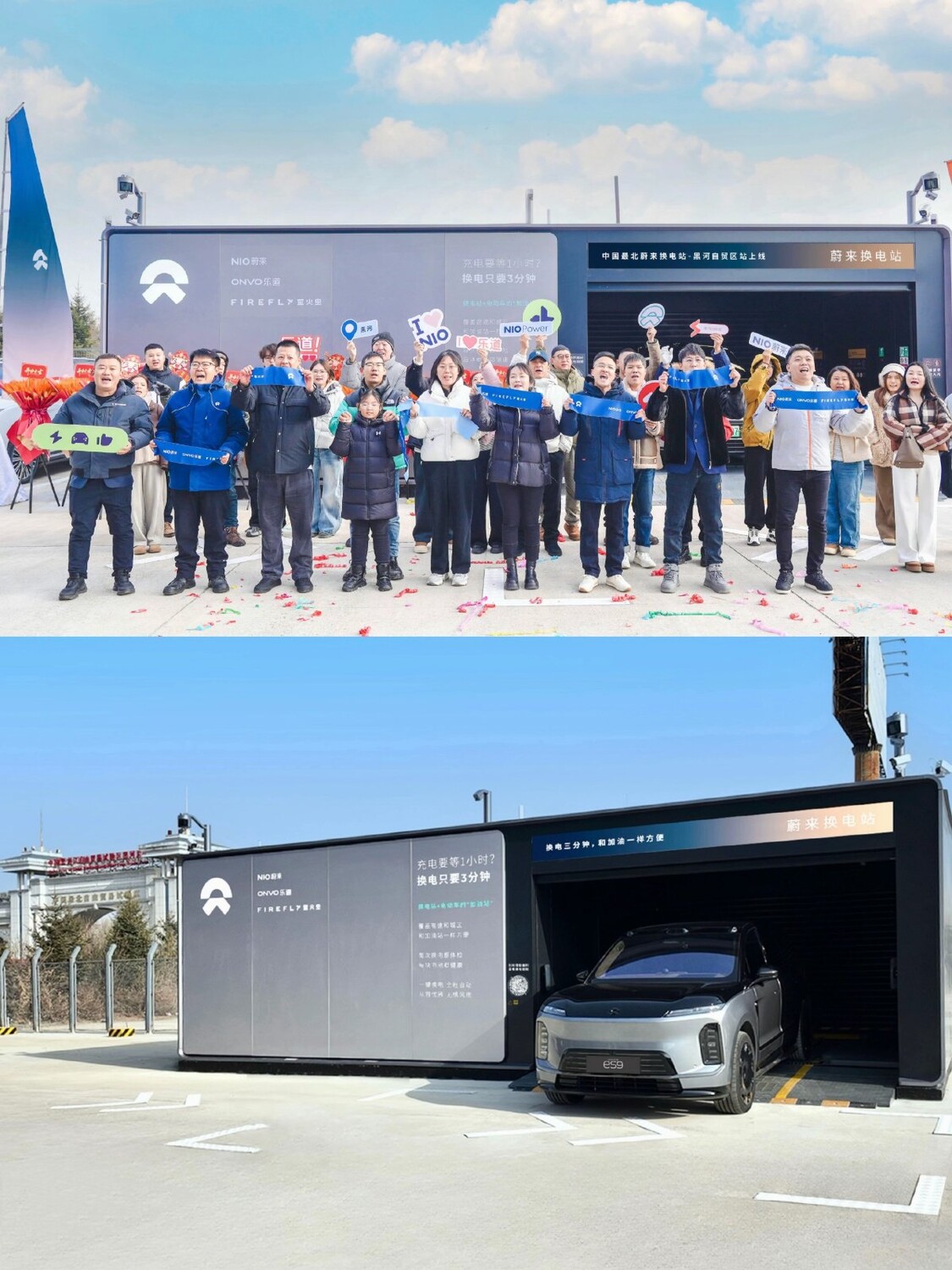
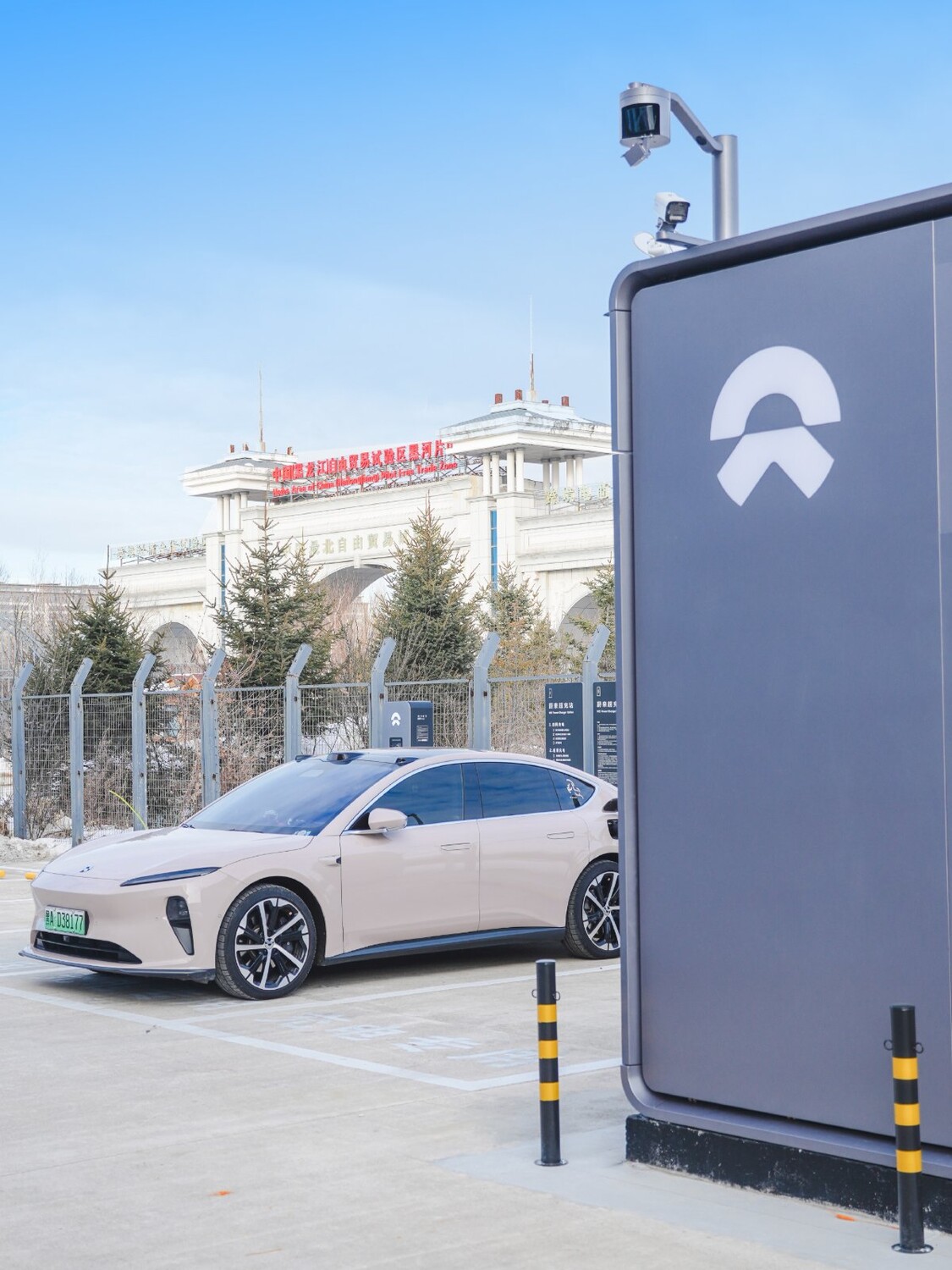
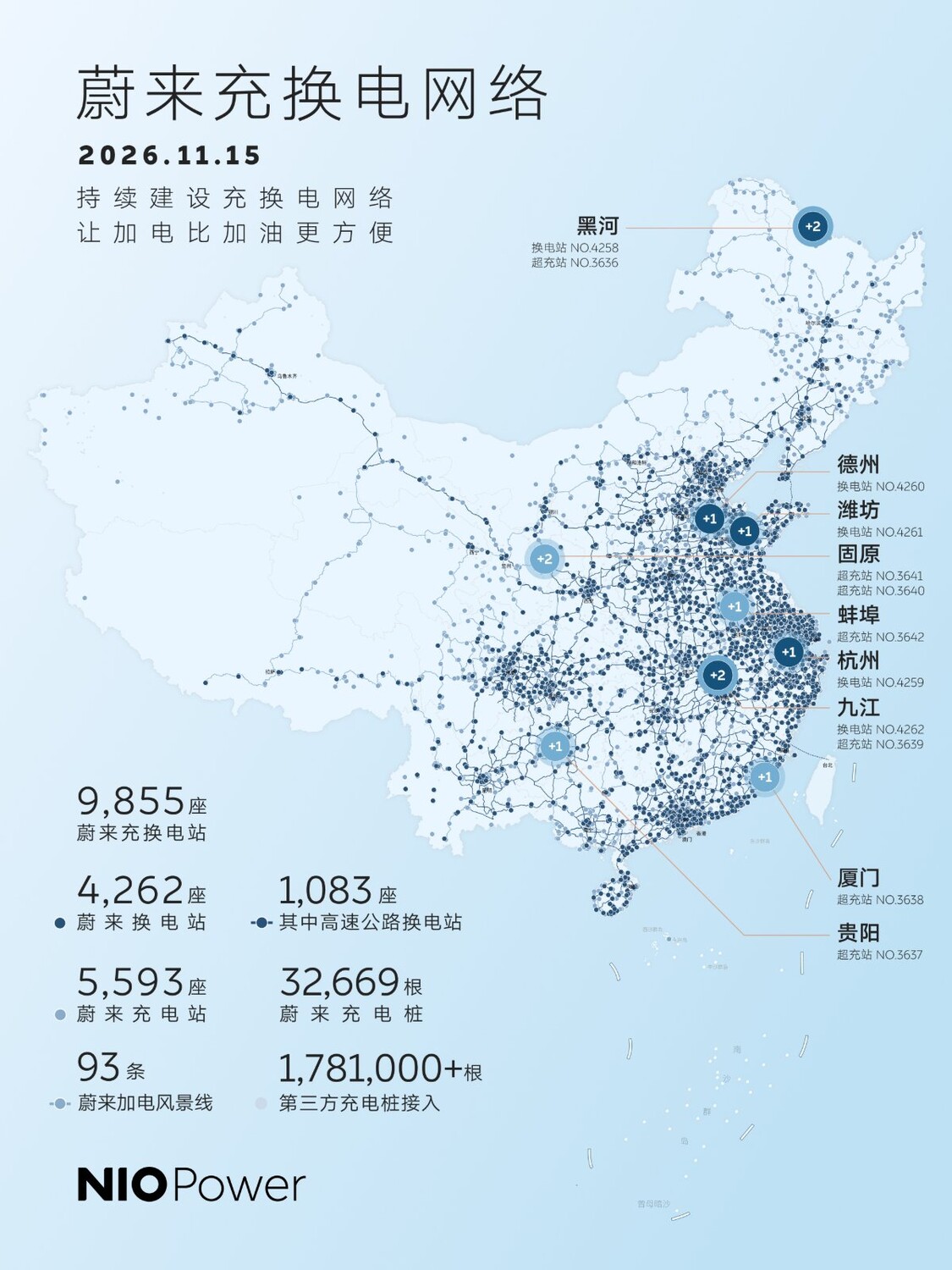
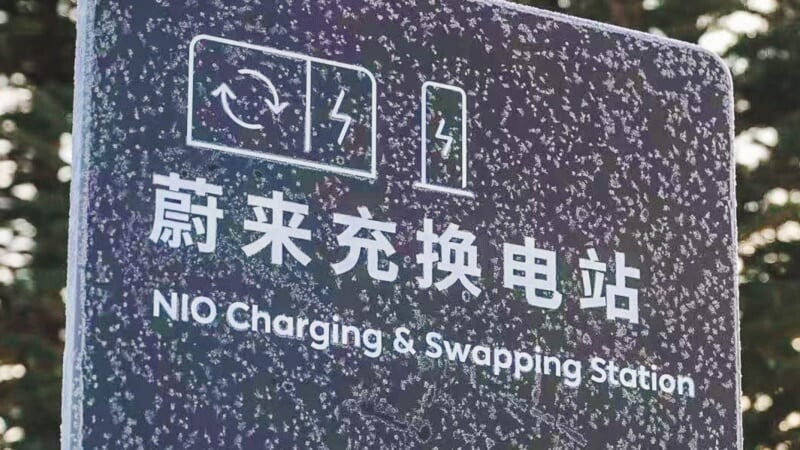
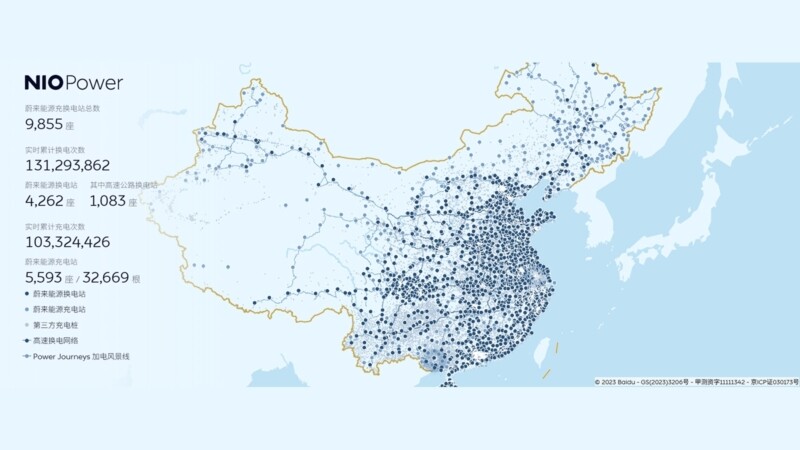
The electric vehicle revolution has never been just about building better cars. It is also about creating the infrastructure that makes electric mobility practical, convenient, and accessible at scale. China offers an important example. Over the past decade, advances in batteries, vehicle technology, and charging infrastructure have reinforced one another, helping electric vehicles become a mainstream choice. By September 2026, China had nearly 24.8 million charging connectors, including 5.2 million public and 19.6 million private connectors, according to the National Energy Administration. But the significance goes beyond infrastructure scale. Home charging, public fast charging, highway networks, and battery swapping address different mobility needs. NIO demonstrates how infrastructure can become part of an automaker's customer experience. By November 11, it had established 4,252 battery-swapping stations and 5,584 charging stations, delivering more than 230 million cumulative charging and swapping services, including over 130 million battery swaps. NIO Power Swap Station 4.0; image source: NIO CATL is pursuing a different approach. Its Choco-Swap network had reached 2,520 stations across 200 Chinese cities by late September, with a target of exceeding 3,000 by year-end. Image source: CATL While NIO has built its network around vehicle ownership and energy services, CATL is developing a standardized swapping ecosystem designed to serve multiple automakers. These examples show how infrastructure is reshaping the relationships between automakers, battery suppliers, energy operators, and customers. The relationship between EV adoption and infrastructure development works in both directions. Growing vehicle ownership creates demand for charging services. Better infrastructure reduces practical barriers to EV adoption, potentially supporting further market growth. Meanwhile, charging technology is evolving beyond faster energy delivery. High-power charging, battery storage, renewable electricity, and intelligent energy management are becoming increasingly interconnected. However, infrastructure expansion does not automatically guarantee commercial success. Charging networks depend on utilization rates, electricity prices, grid capacity, and operating costs. Battery swapping also requires standardization, effective battery asset management, and sufficient customer demand. Different markets will need different solutions. Dense cities, suburban households, commercial fleets, and highway users have distinct charging requirements. The next challenge is not simply to build more infrastructure. It is to make charging networks more accessible, reliable, efficient, and economically sustainable. In my view, China's experience offers a broader lesson for global electrification. Successful EV adoption depends on the coordinated evolution of vehicles, infrastructure, energy systems, and services. The objective is not to replicate one country's model, but to develop an ecosystem that fits local conditions. The EV revolution is not only happening on the road. It is also being built into the infrastructure around it