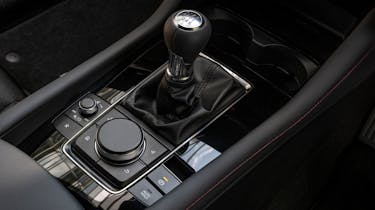
Looking at the new car market, you’d be forgiven for thinking the manual gearbox is on its way out. At the more premium end of the market, aside from more specialised sports cars, automatic-only line-ups are becoming the norm, while choices at the cheaper end of the market are disappearing, too. The rise of electric cars is further fuelling a move away from what those across The Pond call ‘stick shift’. Meanwhile, in 2025 some 30 per cent of practical driving tests were completed in an automatic car, the highest proportion on record. But that doesn’t mean the manual gearbox is dead just yet – according to research from AA Cars, some 51 per cent of 18-34-year-olds still expect their next car to be of the manual variety. For most, this won’t be anything to do with being a driving enthusiast seeking more engagement with their car – it’ll simply be down to pragmatic things including cost and choice. At the cheaper end of the market, shopping only for automatics will limit your options significantly. The survey’s results coincide with the AA lobbying the government to change the licensing rules, proposing a manual conversion course for automatic licence holders. The AA suggests up to 10 lessons to cover clutch control, gearchanges and hill starts, followed by an assessment At present, the only route is to simply do the practical test all over again, but in a manual. That’s not the most appealing prospect when the current waiting time for a practical test slot is about 10 weeks. AA Cars managing director James Hosking said: “The manual gearbox is vanishing from new-car showrooms, but it remains part of everyday life in the used market. That helps explain why younger drivers are proving reluctant to give it up. For first-time buyers on tighter budgets, a manual licence keeps both manual and automatic cars in play and gives them more choice when looking for the right car at the right price. “The AA’s proposed conversion route recognises how much the market has changed. Drivers would still have to learn clutch control, gear selection and hill starts, and prove they could use them properly, but they would not have to sit another full driving test after already demonstrating that they can drive safely on the road. Any conversion scheme would, of course, need a robust assessment.”

 Liked by Aiden Hall, Ava Macdonald









 Liked by Aiden Hall, Ava Macdonald

