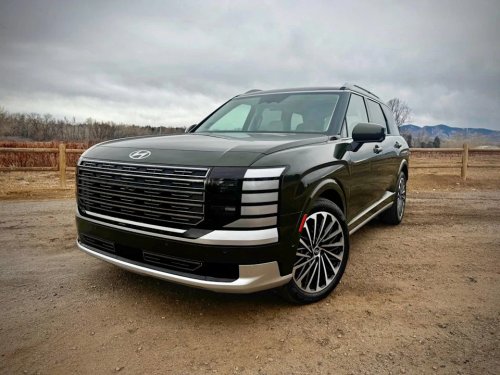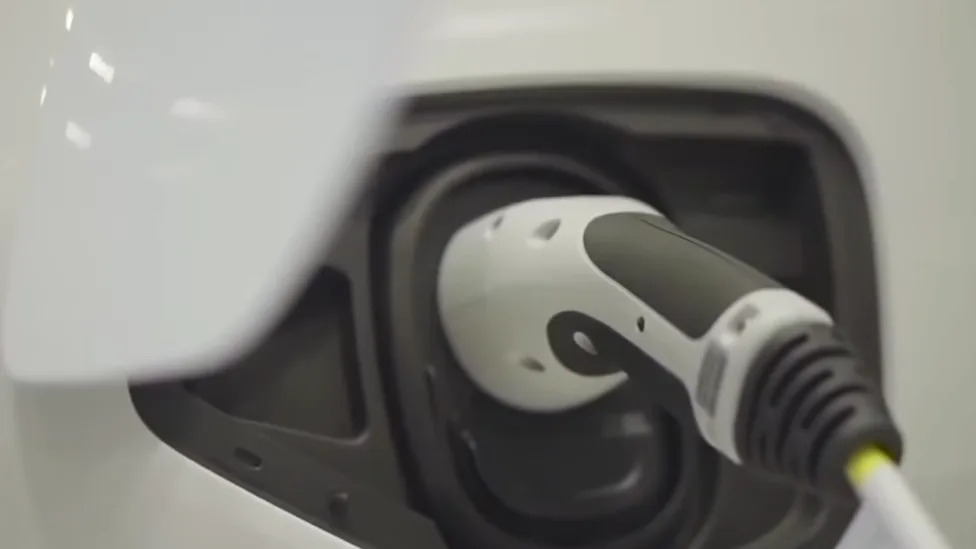


















Image Credit: WXYZ / YouTube.A Michigan man looking for enough electricity to get a rental Chevrolet Bolt home found a charging station through the EVgo app, plugged in, and spent 44 minutes charging.The bill was $418.The charger at Elder Hyundai in Macomb Township was priced at $5 per kilowatt-hour plus another $5 per minute. The dealership told a Detroit television station those unusually high rates were intentional: The charger was meant for the dealership's customers and vehicles, and the price was designed to discourage other drivers from using it.AdvertisementAdvertisementThere was one problem. The charger was available through EVgo's app, where Stanley Kpenkann found it when his Bolt was running low on battery. EVgo's own instructions say private stations belonging to roaming partners do not appear on its map.A $418 ChargeEmbedded media follows; please allow a moment to load.Kpenkann, of Clinton Township, told WXYZ-TV that he was returning home after dropping a friend off at the airport when the rental Bolt's remaining range became a problem."I'm down to the last 20 minutes on my battery," Kpenkann told the station.He used EVgo's app to look for a nearby charger. It directed him to a Hyundai dealership on Hall Road in Macomb Township.AdvertisementAdvertisementThat dealership is Elder Hyundai at 19077 Hall Road.Kpenkann charged there for 44 minutes. When the resulting $418 charge appeared, he initially thought something had gone wrong with the billing."This is probably just a billing glitch," he recalled.It wasn't.The PriceWXYZ photographed the pricing displayed by the charging station: $5 per kilowatt-hour and $5 per minute.Kpenkann said he did not see those rates before beginning the session.The dealership told WXYZ the charger was intended for its customers and vehicles. Its general managers said the exceptionally high pricing was set to deter outside drivers from using it.AdvertisementAdvertisementThat explanation created a different question: Why could an outside driver find and use the charger through EVgo in the first place?The equipment is part of the ChargePoint network. EVgo and ChargePoint have a roaming arrangement that allows EVgo customers to find and use ChargePoint stations through their EVgo accounts.EVgo even provides instructions specifically for doing so. Drivers can display ChargePoint locations on EVgo's map, select one, and start a charging session from the EVgo app.But EVgo draws a distinction between those stations and private ones."Some of our partners, like ChargePoint, offer private charging stations to their members," EVgo explains in its help center. "These stations won't appear on the EVgo map."AdvertisementAdvertisementKpenkann's station did.Who Sets It?EVgo told WXYZ that roaming was enabled at the Macomb dealership, allowing drivers to charge there through an EVgo account.The company also said it wasn't responsible for setting this particular price.EVgo's own ChargePoint instructions say pricing for a ChargePoint charger is set by the charger owner, not EVgo, and advise drivers to check the price shown in the app before charging.That leaves an unusual arrangement: The dealership said it didn't want outside drivers using the charger, while an outside driver could find it through EVgo, activate it through EVgo, and pay to use it.AdvertisementAdvertisementKpenkann didn't see much logic in that setup."It makes no sense for you to have it on the app, but say we don't want anyone to use it because of private use, then make it private, don't make it public," he told WXYZ.Most Of It BackKpenkann eventually got most of the $418 back.After exchanges with EVgo, the company issued what it described as a goodwill refund of $405. EVgo said the remaining $13.27 represented what the session would have cost under Kpenkann's subscription plan.The story drew a strong response after WXYZ posted its report to YouTube, with many commenters focusing less on the existence of a private dealership charger than on making that charger available to outside drivers while using the price to discourage them.AdvertisementAdvertisementOne commenter who said they manage ChargePoint stations at work argued that private chargers can be configured so unauthorized drivers cannot see them on ChargePoint's map. Another put the question more simply: Why not put up a sign saying the charger was private?Kpenkann said he was glad the charge was largely reversed, but questioned why getting a television station involved had been necessary."It shouldn't take the intervention of a TV station for me to be refunded," he said.If you want more stories like this, follow Guessing Headlights on Yahoo so you don't miss what's coming next.