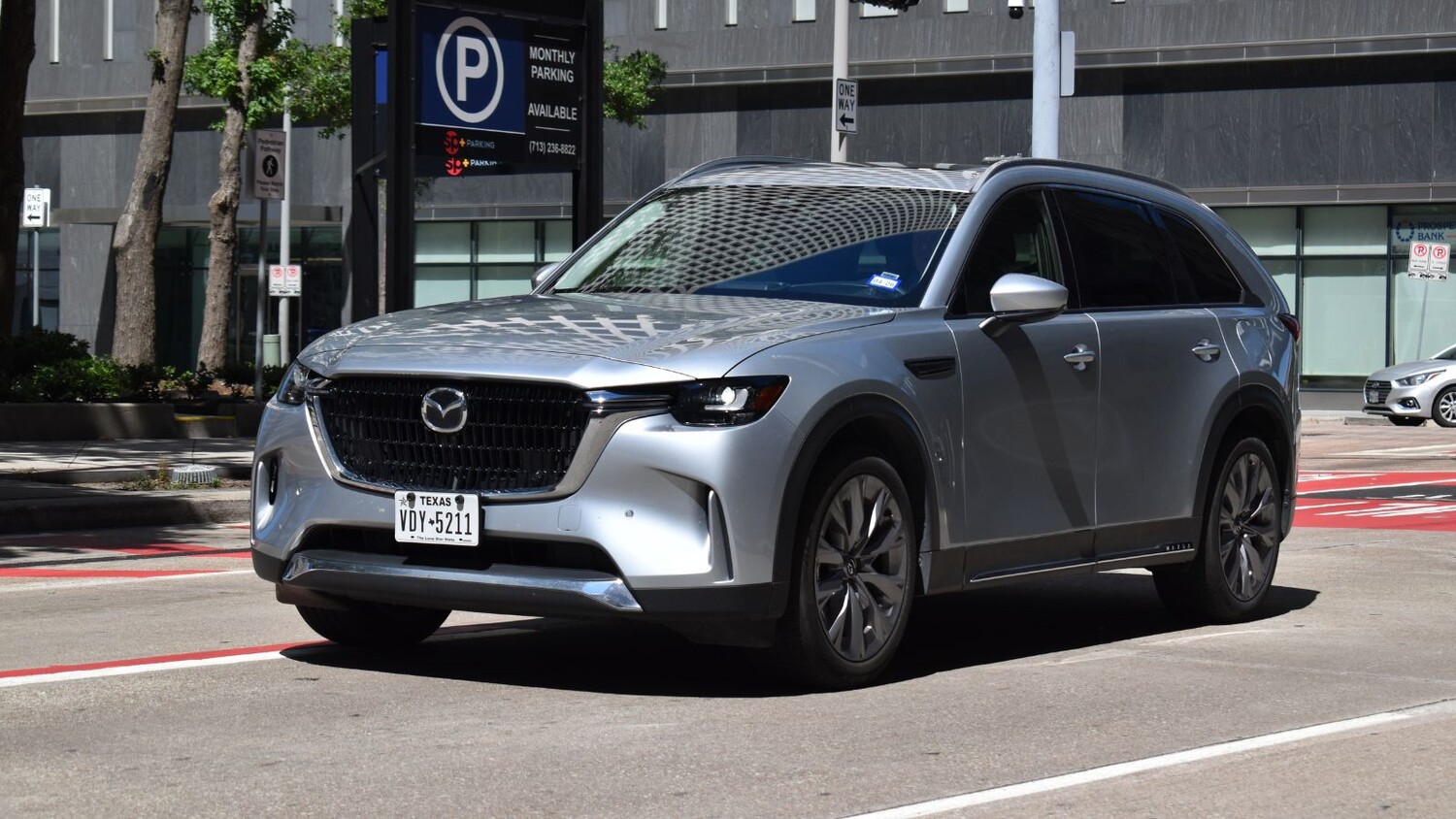
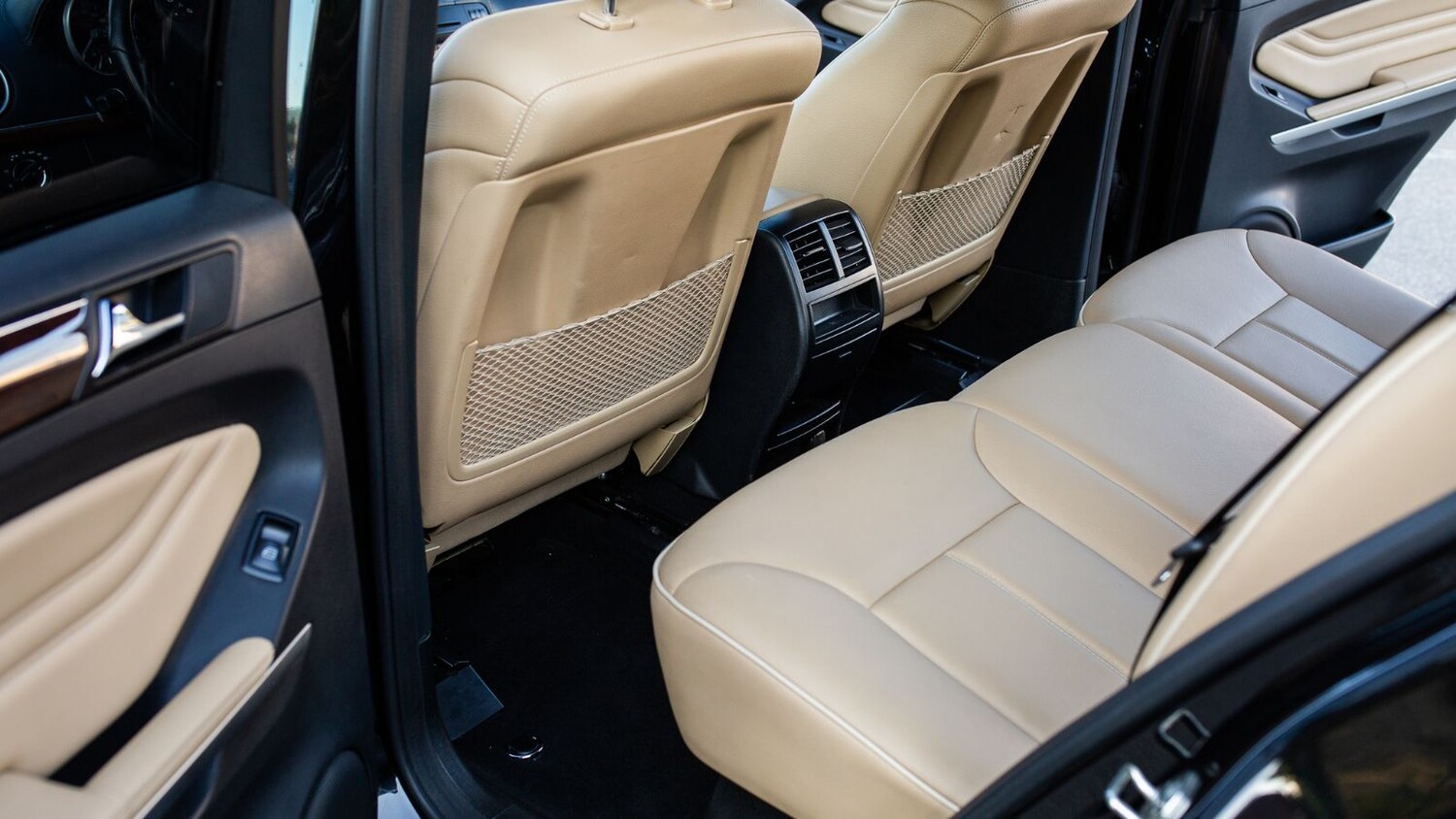
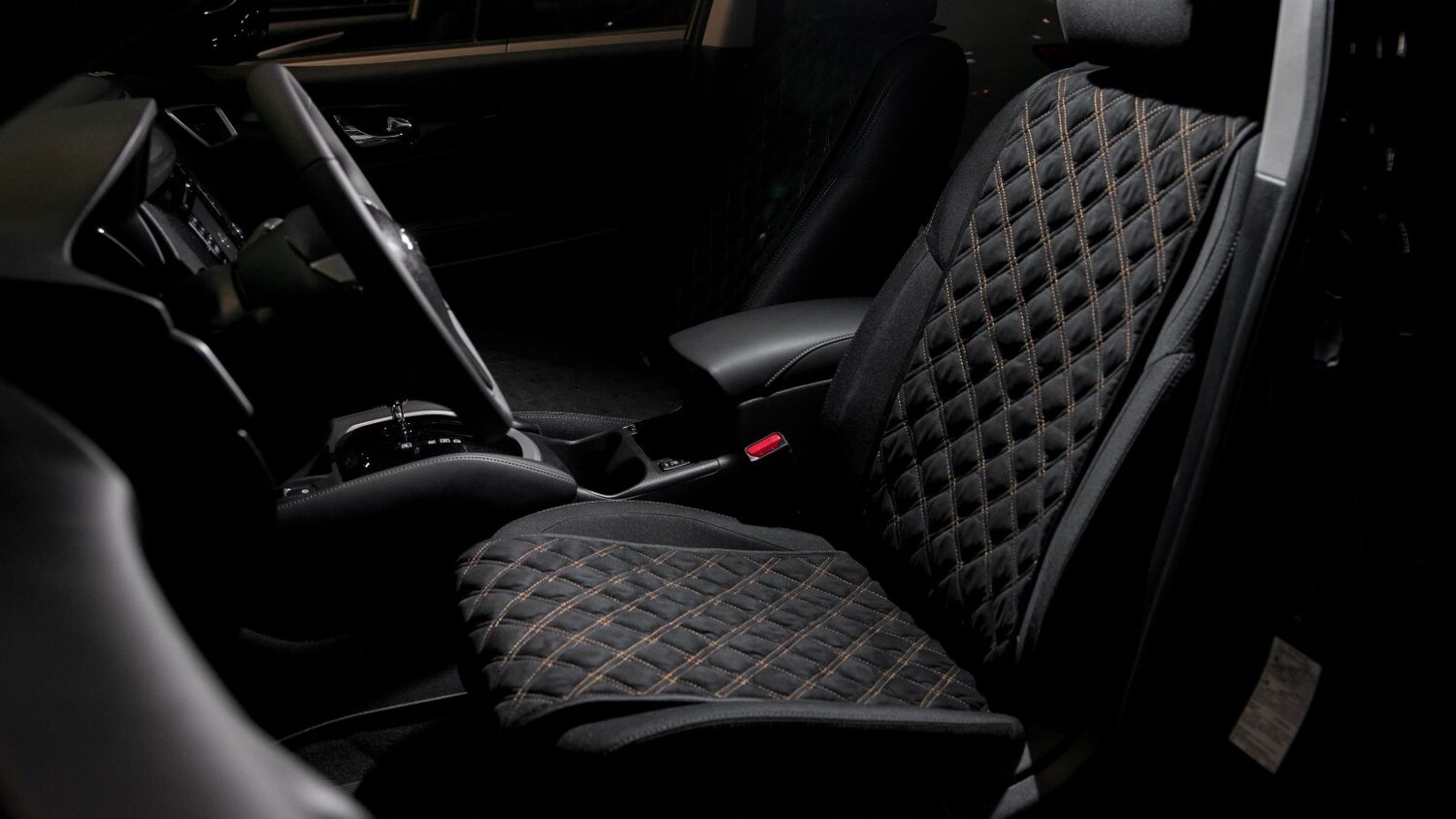
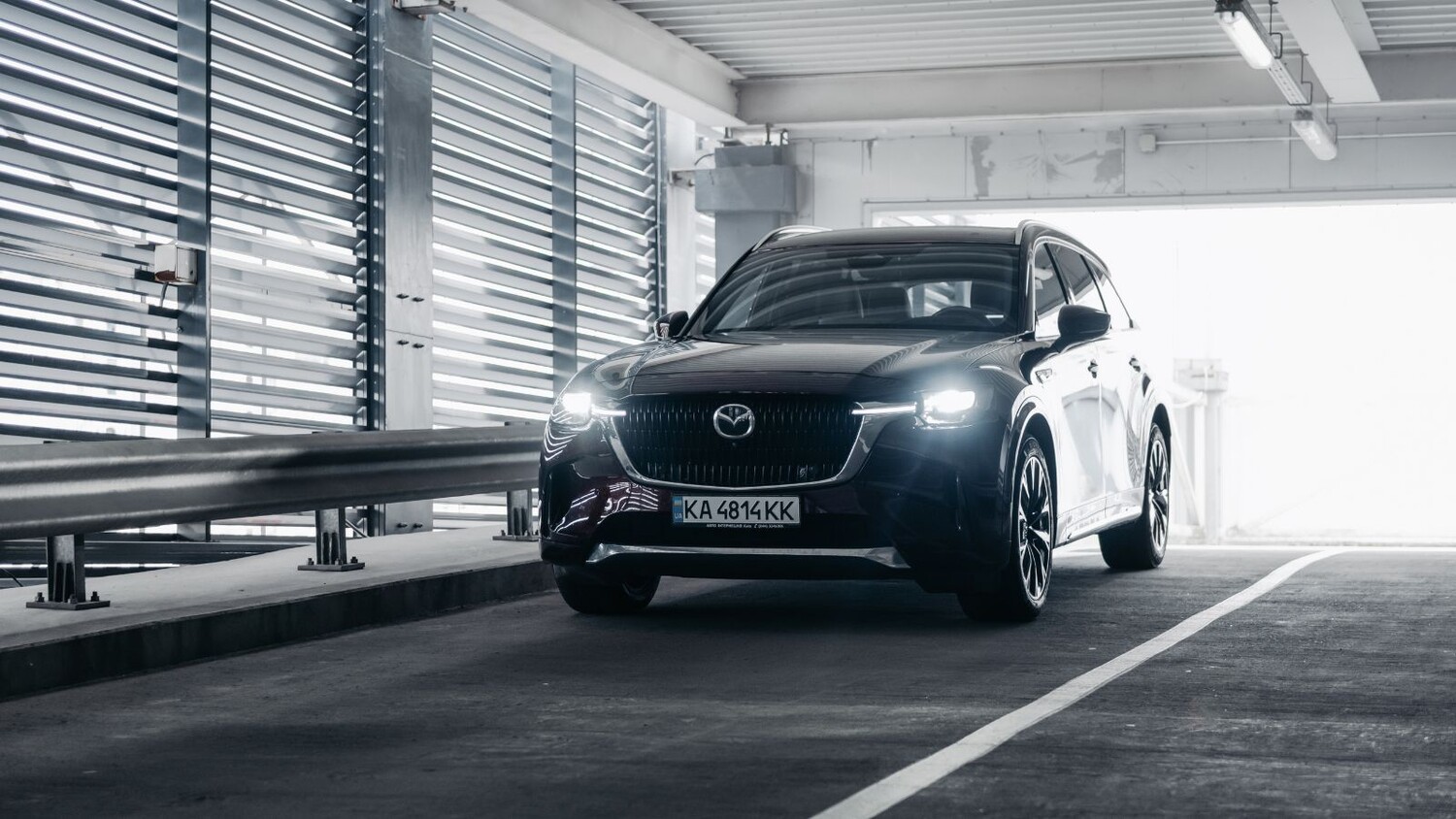
Mazda has spent years nudging its vehicles closer to premium territory, but the CX-90 is where that ambition becomes impossible to miss. The three-row flagship combines unusually sophisticated engineering for a mainstream SUV with an interior designed to make conventional family transportation feel considerably more special. Yet luxury is about more than leather, attractive trim, and a long hood. Ride comfort, technology, passenger space, refinement, and pricing matter just as much. Across 12 key areas, the CX-90 reveals both how successfully Mazda has narrowed the gap between mainstream and luxury SUVs and where the illusion begins to fade. Its upscale cabin and distinctive powertrains make a compelling first impression, but a tight third row, firm suspension, and occasionally awkward powertrain behaviour keep the experience from becoming completely premium. It Looks More Expensive Than Its Badge Suggests The CX-90 makes its first luxury argument before anyone opens a door. At roughly 200.8 inches long with a 122.8-inch wheelbase, it has the proportions of a substantial three-row SUV, but Mazda avoids making it look simply enormous. The long hood, relatively low visual stance, sculpted bodywork, and restrained use of exterior ornamentation give it a more elegant appearance than the boxier designs common in the family-SUV segment. That approach matters because premium vehicles often rely on proportion and detailing rather than excessive chrome or aggressive styling. Mazda’s engineering layout contributes to those proportions. The CX-90 was developed around the company’s Large Platform with a longitudinal powertrain orientation and rear-biased all-wheel-drive philosophy, rather than the more common transverse-engine architecture used by many mainstream crossovers. That arrangement allows for the longer dash-to-axle relationship normally associated with more expensive vehicles. Independent reviewers continue to identify exterior styling as one of the CX-90’s strongest qualities. Even several years after its introduction, its shape still appears contemporary rather than dependent on oversized screens, exaggerated grilles, or short-lived styling trends. The Cabin Makes the Strongest Luxury Argument Opening the door does more to support Mazda’s premium ambitions than almost anything on the specification sheet. Even relatively affordable CX-90 trims receive a clean horizontal dashboard, carefully integrated displays, substantial physical controls, and materials that avoid the inexpensive visual clutter sometimes found in family SUVs. The Preferred trim moves into genuine leather upholstery, while Premium Plus and higher configurations can bring Nappa leather and more elaborate interior detailing. Independent testers have repeatedly described the cabin as one of the most upscale environments available from a non-luxury brand. The effect becomes especially convincing in the higher trims. Mazda offers black or white Nappa leather, available ambient footwell lighting, a panoramic roof, heated and ventilated seating, and carefully finished dashboard surfaces. More important, these features do not appear to have been added simply to lengthen an equipment list. The relatively restrained design allows materials and shapes to carry much of the visual impact. Some similarly priced SUVs overwhelm their cabins with screens and glossy trim; the CX-90 takes a calmer approach. For families accustomed to Hondas, Toyotas, or other traditional mainstream SUVs, the difference can feel surprisingly significant the first time they settle into the front two rows. The First Two Rows Feel Special, but the Third Row Does Not Front-seat occupants receive much of the attention Mazda’s premium positioning promises. Depending on trim, the CX-90 can provide eight-way power adjustment for both front seats, heating and ventilation, a heated steering wheel, memory settings, and three-zone climate control. Second-row passengers can also receive heated seats, while upper trims offer captain’s chairs and even ventilation. Those captain’s chairs help create the impression of a proper long-distance family cruiser rather than simply a vehicle capable of carrying several people. The third row is where priorities become clearer. Mazda lists approximately 30.4 inches of third-row legroom, and independent testing has consistently found the back seats better suited to children than full-size adults. Access is also less generous than in the roomiest competitors. That matters because some similarly sized SUVs emphasize maximum passenger packaging rather than styling and driving dynamics. A family that regularly carries six or seven adults may therefore find the CX-90 less convincing than its exterior dimensions imply. For households using the third row for children, occasional passengers, or short trips, the compromise is much easier to accept. Luxury ambience remains strongest in rows one and two. The Inline-Six Gives It a Genuinely Premium Mechanical Identity The CX-90’s most unusual feature may be hidden beneath its hood. Instead of relying on the four-cylinder engines increasingly common in this segment, gasoline models use a turbocharged 3.3-litre inline-six paired with a 48-volt mild-hybrid system, an eight-speed automatic transmission, and standard all-wheel drive. Regular Turbo models produce 280 horsepower and 332 lb-ft of torque. Turbo S versions can produce as much as 340 horsepower and 369 lb-ft when operated on Mazda’s recommended premium fuel; output drops to 319 horsepower when regular gasoline is used. Those specifications give the CX-90 mechanical character more commonly associated with a luxury SUV. Car and Driver recorded 0–60 mph in about 6.3 seconds from a high-output Turbo S Premium Plus, while a lower-output version required roughly 6.9 seconds. MotorTrend recorded 6.8 seconds from a 280-horsepower Preferred. Those are strong results for a large three-row family vehicle. More importantly, the engine delivers torque early enough that normal merging and highway passing do not require constant high-revving drama. The standard-output engine therefore makes a strong case for buyers who want premium character without paying for the highest trim. The Plug-In Hybrid Offers a Different Kind of Premium Experience Mazda also offers a CX-90 PHEV, giving buyers an alternative to the inline-six without sacrificing strong overall performance. The system combines a naturally aspirated 2.5-litre four-cylinder engine with an electric motor and a 17.8-kWh battery. Mazda rates the system at 323 horsepower and 369 lb-ft of torque when using recommended premium fuel. U.S. specifications list up to 26 miles of electric-only range, meaning many short school runs, errands, and urban commutes can potentially be completed without immediately starting the gasoline engine. Performance is stronger than its efficiency-oriented mission might suggest. Car and Driver recorded a 5.9-second run to 60 mph, making the PHEV quicker in that test than the gasoline CX-90 Turbo S. Mazda says a Level 2 home charging setup can replenish the battery in roughly 2.5 hours, while the vehicle automatically continues as a hybrid after usable battery charge is depleted. The compromises are cost and complexity. The 2026 PHEV starts substantially above the regular Turbo, and its four-cylinder engine lacks some of the smooth mechanical character buyers may expect after seeing the CX-90’s upscale interior. Still, electric commuting adds another premium-feeling dimension: quiet low-speed driving. It Drives More Like a Driver’s SUV Than a Traditional Family Hauler The CX-90 was not engineered solely to isolate its occupants from the road. Mazda uses a double-wishbone front suspension, multilink rear suspension, standard i-Activ all-wheel drive, and Kinematic Posture Control. Mazda says KPC can apply braking strategically to reduce body lift during cornering and help the vehicle remain settled. Behind the marketing terminology is a simple idea: this large SUV is meant to feel responsive and controlled rather than soft and detached. That character is apparent in independent testing. Reviewers consistently praise the CX-90’s body control and willingness to change direction, especially compared with three-row SUVs developed primarily around passenger comfort. Steering is relatively substantial, the driving position feels deliberate, and there is less of the disconnected sensation sometimes associated with large crossovers. Enthusiastic drivers who move into a family SUV because they need more seats may appreciate this more than anyone. The CX-90 does not suddenly become a sports car, but it carries some of Mazda’s traditional driver-focused personality into a category where steering feedback and cornering behaviour are rarely the top engineering priorities. Ride and Transmission Refinement Keep It From Feeling Fully Luxurious The same tuning that helps the CX-90 feel composed through corners produces its biggest luxury-related weakness. Multiple independent 2026 evaluations have criticized the suspension for transmitting too much harshness over broken pavement. Car and Driver described the ride as one of the vehicle’s shortcomings, while MotorTrend also found the suspension stiff over rough surfaces. That is important because premium SUVs are generally expected to combine precise control with the ability to absorb imperfect roads without continually reminding passengers what lies underneath. The eight-speed automatic also remains a point of criticism. MotorTrend’s testing of the 2026 Preferred found that the transmission could behave awkwardly at low speeds, particularly during parking-lot manoeuvres or initial acceleration. Other tests have reported similar low-speed roughness. Once moving, the drivetrain generally performs far better, and the inline-six offers ample performance. Still, luxury refinement is often judged most closely during mundane moments: leaving a driveway, crawling through traffic, or crossing a patched urban street. Those are precisely the situations where the CX-90 occasionally feels less polished than its elegant cabin suggests. The vehicle’s engineering is sophisticated, but sophistication does not always translate into seamless behaviour. Cargo Space and Towing Reveal Its Practical Compromises The CX-90 can carry plenty when its rear seats are folded, but it does not maximize every inch of its exterior footprint. Mazda lists about 14.9 cubic feet of cargo capacity behind the three-person third row, approximately 40 cubic feet when the third row is folded, and as much as 74.2 cubic feet with both rear seating rows down. Configurations with a two-person third row can offer slightly more. Independent comparisons show that several competing three-row SUVs provide considerably more room behind their rear seats. That difference becomes noticeable on family trips. A few suitcases, sports bags, or a large grocery haul can quickly consume the space behind an occupied third row. The CX-90 compensates somewhat with respectable towing capability. Select and Preferred gasoline models are rated for up to 3,500 pounds when properly equipped, while Premium Sport and higher gasoline trims can reach 5,000 pounds with the necessary towing hardware. The PHEV is rated for up to 3,500 pounds. Those figures make the Mazda useful for smaller trailers and recreational equipment, but buyers prioritizing maximum passenger-and-cargo flexibility may find roomier competitors easier to live with. The Technology Is Useful, but It Is Not the CX-90’s Strongest Selling Point For 2026, Mazda made Amazon Alexa voice functionality standard across the CX-90 range. The entry model uses a 10.3-inch central display, while Preferred and higher trims receive a larger 12.3-inch screen. Wireless Apple CarPlay and Android Auto arrive on the better-equipped versions, along with available wireless charging, a digital instrument panel, head-up display, built-in navigation, and a 12-speaker Bose audio system. Upper models also offer Mazda’s Driver Personalization System, which can store seating, mirror, and steering-wheel preferences. The hardware sounds competitive, but the interface remains unconventional. Mazda continues to emphasize its centre-console rotary controller, and independent reviewers have criticized the native infotainment system for feeling more cumbersome than newer touchscreen-focused rivals. On many configurations, touch operation is primarily associated with Apple CarPlay or Android Auto rather than unrestricted use of Mazda’s own menus. There is an upside: physical climate controls remain easy to locate, and the screen’s high dashboard placement minimizes the need to reach forward. The result is technology that generally works well once learned, but it does not create the immediate sense of modernity found in some newer premium and mainstream SUVs. Safety Credentials Are Among the CX-90’s Strongest Qualities The CX-90 backs up its family role with substantial safety engineering. The Insurance Institute for Highway Safety names the 2026 model a Top Safety Pick+, its highest award tier. IIHS gave the CX-90 Good ratings in the small-overlap front, updated moderate-overlap front, and updated side crashworthiness tests. Its standard pedestrian front-crash-prevention system also earned a Good rating, while headlight performance varies between Good and Acceptable depending on configuration. Mazda equips even lower trims with a substantial group of driver-assistance features. These include Smart Brake Support, blind-spot monitoring, rear cross-traffic alert, lane-departure warning, lane-keeping assistance, adaptive cruise control with stop-and-go functionality, Driver Attention Alert, and a rear-seat reminder. Higher trims add technology such as a 360-degree camera, front cross-traffic detection, rear automatic braking functions, and additional intersection or lane-support systems. None of these features eliminates the driver’s responsibility, but the combination of strong independent crash-test performance and broadly available active-safety hardware strengthens the CX-90’s credentials as a serious family vehicle rather than simply a stylish alternative in the segment. Efficiency and Pricing Make the Near-Luxury Formula More Convincing The gasoline CX-90 demonstrates that an inline-six does not automatically mean punishing fuel consumption. Mazda rates both the standard Turbo and Turbo S at an EPA-estimated 23 mpg city, 28 mpg highway, and 25 mpg combined for 2026. Car and Driver recorded 29 mpg during its 75-mph highway test of a Turbo S Premium Plus. That is a notable result from a large AWD SUV producing as much as 340 horsepower, even if real-world consumption will naturally vary with weather, speed, load, and driving style. Pricing helps explain why the CX-90 is so often described as a near-luxury vehicle. Mazda currently lists the 2026 gasoline range from $39,300 for the Turbo Select to $57,570 for the Turbo S Premium Plus before the $1,645 U.S. destination charge. The PHEV begins at $50,695 before destination. By comparison, several genuine luxury-branded three-row SUVs begin in the low-$50,000s to low-$60,000s before options. The gap narrows considerably once a CX-90 reaches its highest trims, but the Preferred and Premium Sport models deliver much of the premium atmosphere while remaining well below the cost of many luxury-badge alternatives. The Verdict: Luxury Feel Without the Luxury Badge—Mostly The CX-90 succeeds because its premium character is not based on one gimmick. The appearance is sophisticated, the better interiors genuinely use upscale materials, the inline-six is unusual and characterful, and the chassis feels as though engineers cared about more than simply keeping a large family SUV stable. Safety performance is strong, fuel economy is respectable, and even relatively modest trims receive enough equipment to create an experience that feels more expensive than the badge on the grille suggests. But the question mark in the title remains justified. A true luxury SUV should also make rough pavement disappear, execute low-speed shifts almost invisibly, and accommodate passengers without obvious packaging compromises. The CX-90 does not consistently accomplish those things. Its third row is tight, its suspension can be busy, and its infotainment system trails newer rivals in ease of use. For buyers prioritizing maximum space and pillow-soft comfort, alternatives may fit better. For those who value design, cabin ambience, steering feel, and an unusual powertrain, however, the CX-90 remains one of the clearest examples of a mainstream SUV operating convincingly close to luxury territory. 19 Used Cars Canadians Should Avoid in 2026 (Based on Owner Complaints) Buying a used car in Canada can feel safe until repair bills start stacking up. Owner complaints tell a different story than glossy listings. Transmission failures, electrical problems, and weak winter reliability show up again and again in consumer reports. Many of these issues appear after warranties expire, when owners least expect them. Some vehicles look affordable upfront, but become expensive to keep on the road. Others struggle in cold weather, urban driving, or long highway commutes. Here are 19 used cars Canadians should avoid in 2026 (based on owner complaints).

 Liked by Carter Smith, Connor Wright




 Liked by Carter Smith, Connor Wright