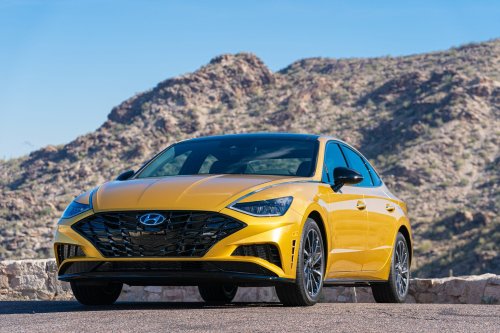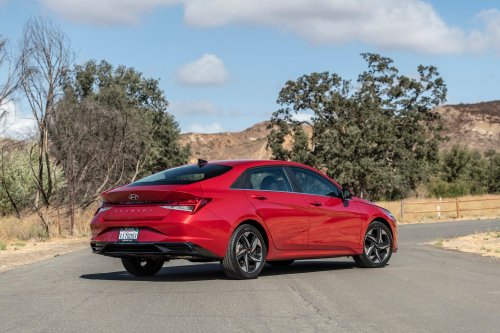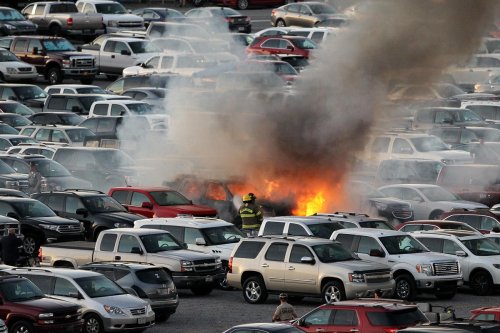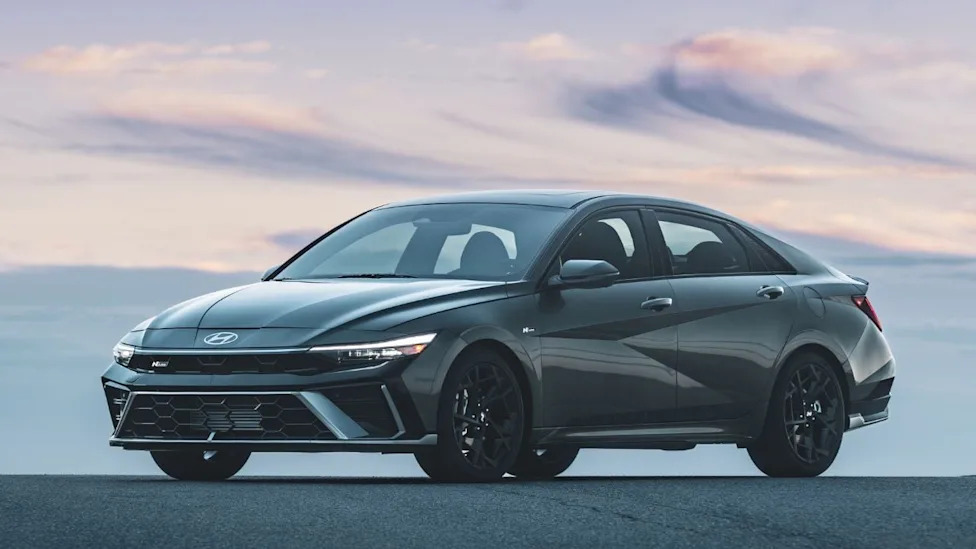
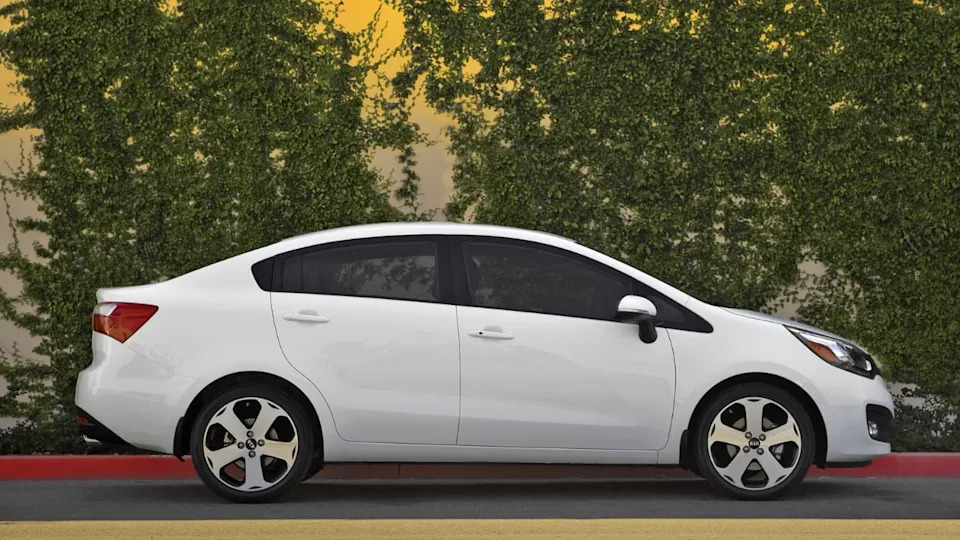
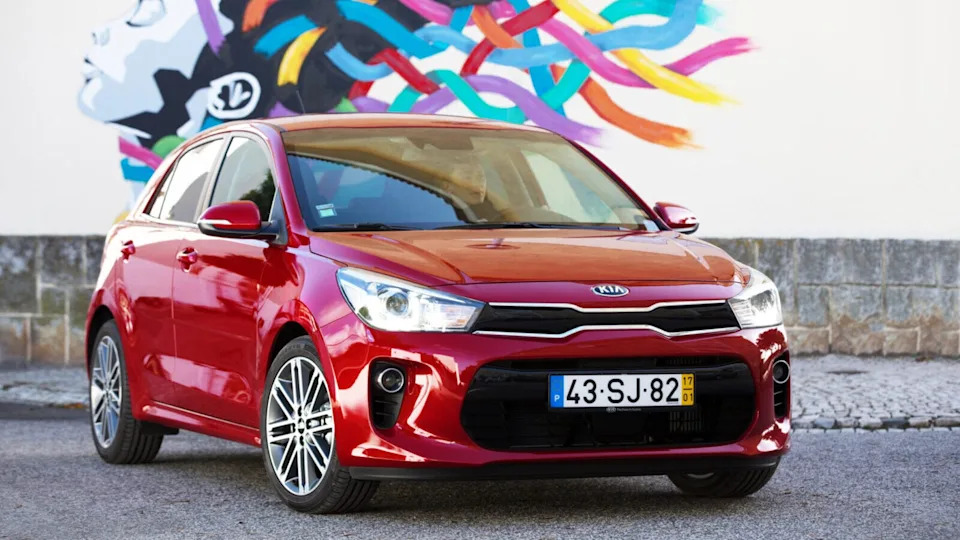

















Korean Carmakers Face More Than $1 Billion In Court Claims Over Cars Being Too Easy To StealGuessing HeadlightsAndre NalinThu, September 17, 2026 at 6:00 PM UTCAdd us on GoogleImage Credit: Hyundai.Years after videos showing how quickly certain models could be stolen spread across social media, the Hyundai and Kia theft saga is still not finished, as the two Korean automakers are now facing another potentially enormous legal fight.The problem centered on millions of U.S.-market vehicles that lacked an engine immobilizer, technology designed to prevent a vehicle from starting without an authorized key. Once the vulnerability became widely known, thefts and attempted thefts of affected Hyundais and Kias surged around the country.Owners and governments have already pursued their own cases against the companies. Now insurers that paid for stolen and damaged vehicles want to recover the money they say the theft epidemic cost them.AdvertisementAdvertisementAccording to the Los Angeles Times, roughly 200 insurance companies are pursuing more than $1 billion in claims and related expenses. A new federal appeals court ruling has revived their case against Hyundai Motor Company and Kia Corporation after it was previously dismissed.Insurers Want More Than $1 Billion BackImage Credit: Kia.The litigation concerns certain Hyundai and Kia vehicles from model years 2011 through 2022. Insurers allege those vehicles were defectively designed because they lacked engine immobilizers, leaving them particularly vulnerable to theft.According to the Ninth Circuit's opinion, the approximately 200 insurers paid claims to policyholders whose vehicles were either stolen or damaged during attempted thefts. They are seeking reimbursement for money already paid, future payments, and related expenses.Their complaint includes claims involving warranties, consumer-protection laws, fraud, unjust enrichment, and negligent failure to warn. The insurers also allege that standard U.S.-market versions were designed without immobilizers, while equivalent models sold in Canada and other foreign markets included the technology.The Appeals Court Just Revived The CaseThe insurers initially hit a major roadblock when U.S. District Judge James V. Selna dismissed the Korean parent companies from this portion of the litigation. The district court concluded it lacked personal jurisdiction over Hyundai Motor Company and Kia Corporation.AdvertisementAdvertisementOn September 14, the Ninth Circuit reversed that dismissal. The appellate panel concluded that the insurers had plausibly established sufficient connections with California at this stage of the case, pointing partly to thousands of vehicle shipments sent to and through California ports.The insurers presented records claiming that more than 70% of Hyundai Motor Company's U.S. shipments and approximately 77% of Kia Corporation's passed through California ports. The court also considered allegations that the vehicles were specifically designed for the U.S. market without immobilizers.Crucially, that doesn't mean Hyundai and Kia have been ordered to pay $1 billion. The ruling addresses whether the Korean companies can be subject to the California court's jurisdiction, not whether the insurers have proven their underlying claims.The Theft Problem Could Linger For YearsImage Credit: Kia.The vulnerability became notorious after videos demonstrated how certain models could allegedly be started using basic tools after accessing the ignition system. The Ninth Circuit notes that the resulting theft surge eventually became a nationwide problem.AdvertisementAdvertisementThe Los Angeles Times also reports that recent UCLA research suggests the consequences could linger much longer than the social media trend that helped publicize the vulnerability. Researcher Jeffrey Brantingham said elevated theft levels involving vulnerable Hyundai and Kia models in Los Angeles could persist through 2042 as the vehicles remain in circulation.The latest ruling doesn't settle the billion-dollar question, but it ensures that insurers will get another opportunity to argue that the automakers should reimburse the enormous costs generated by one of the industry's most notorious vehicle-theft episodes.If you want more stories like this, follow Guessing Headlights on Yahoo so you don't miss what's coming next.