Kia and its parent company Hyundai have decided to invest a total of three trillion won (approx. two billion euros) in the Autoland Gwangju plant in South Korea by 2029. This decision is part of an investment plan totalling 125.2 trillion won (approx. 83.5 billion euros) for the South Korean location by 2030.
Kia’s executive leadership, representatives of the Jeonnam-Gwangju region, and the heads of Chonnam National University and the Gwangju Institute of Science and Technology signed a joint agreement. This collaboration will see the Gwangju plant modernised and expanded by 2029.
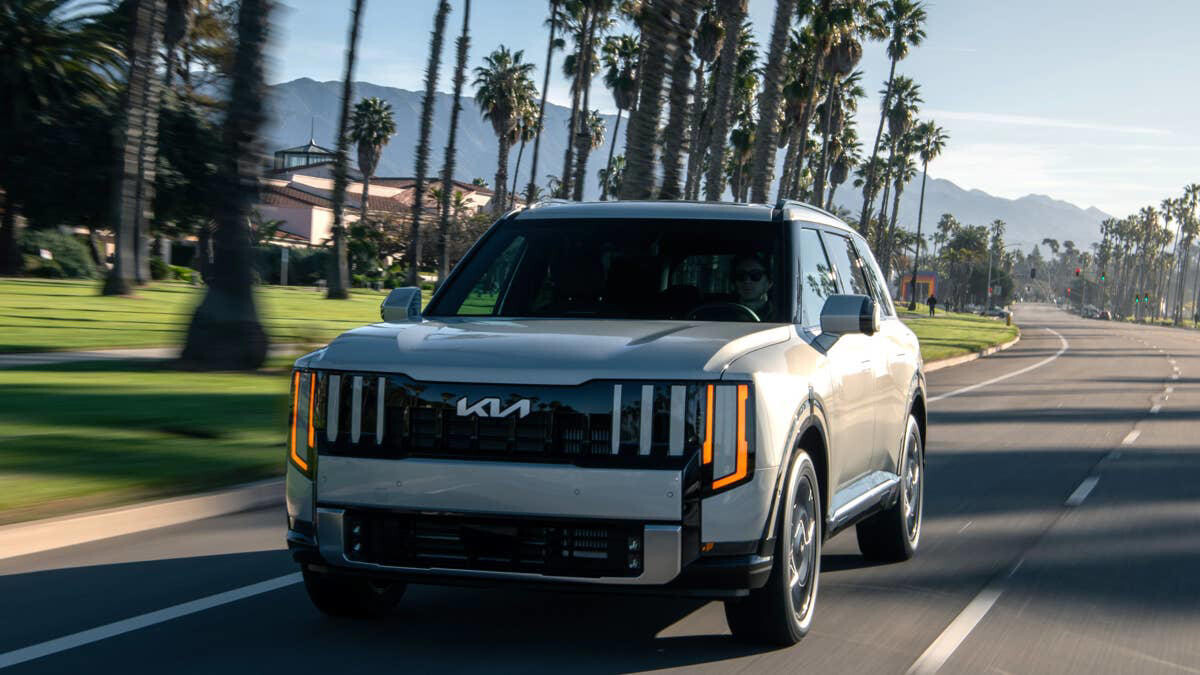
Although the Autoland Gwangju plant already produces models such as the Kia Seltos and the Kia EV5, production has so far been primarily focused on conventional internal combustion engine vehicles. The investment will fund the construction of a new factory building specifically for electric vehicles, as well as the expansion of existing production lines. This will enable the plant to manufacture electric vehicles and software-defined vehicles (SDVs) on a larger scale in the future. The latter focus on software control, digital connectivity, and automatic updates as core elements of their vehicle architecture.
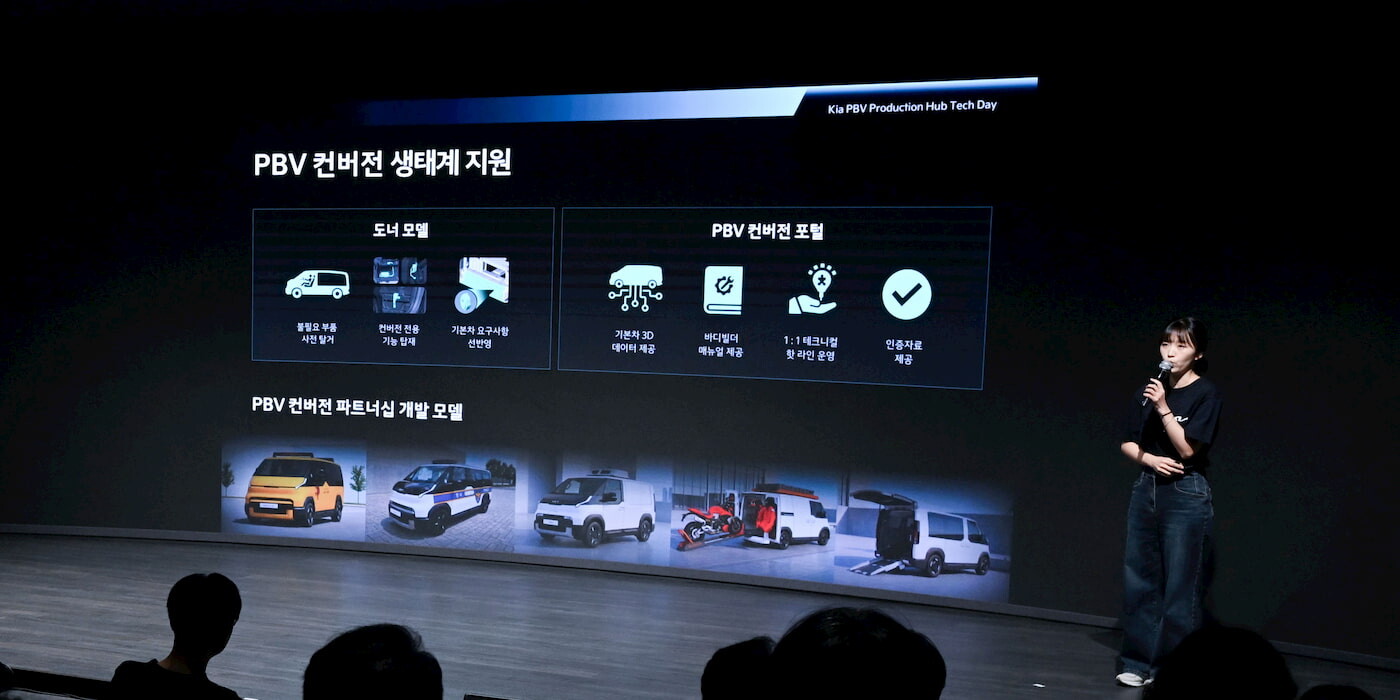
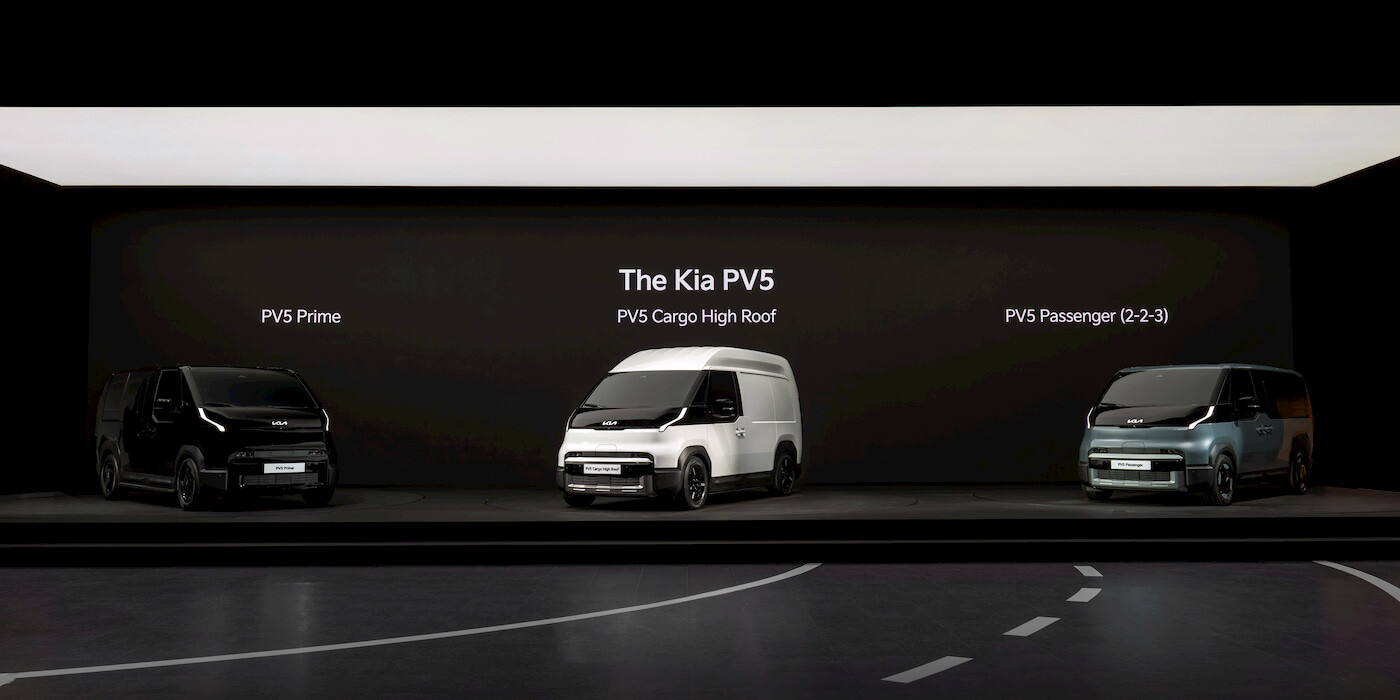
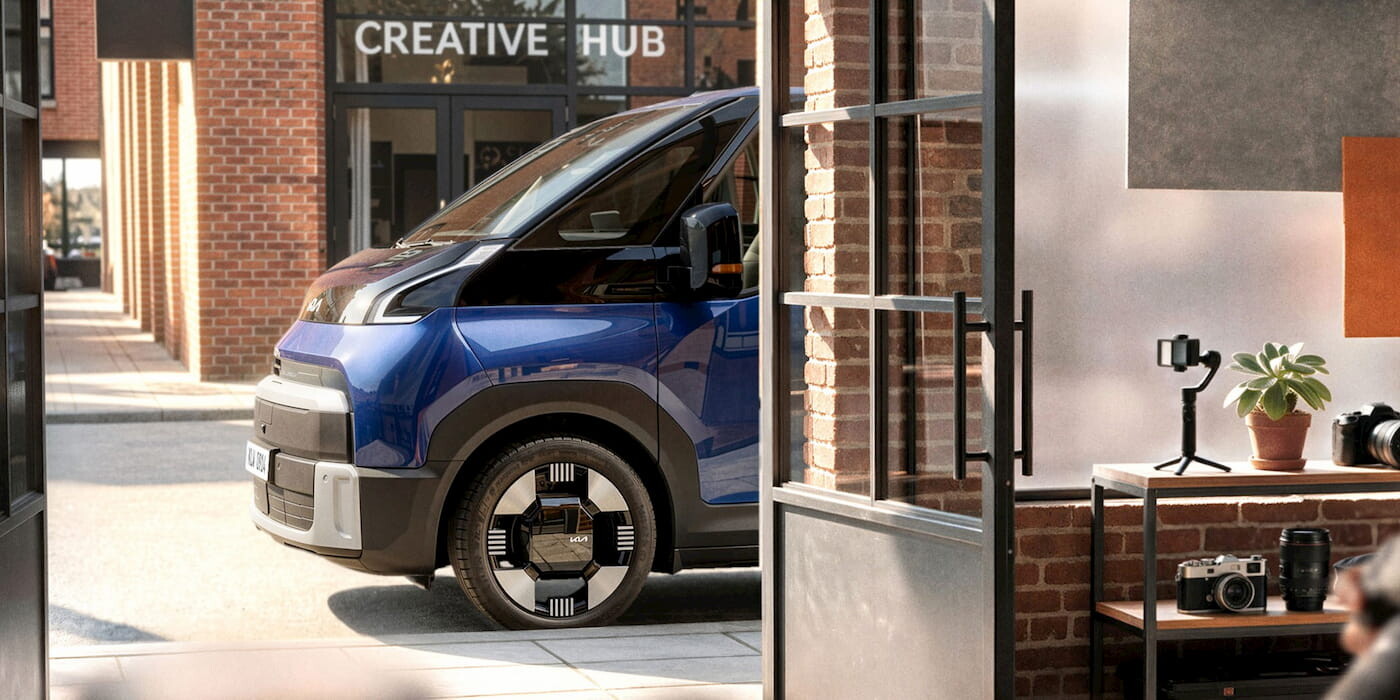
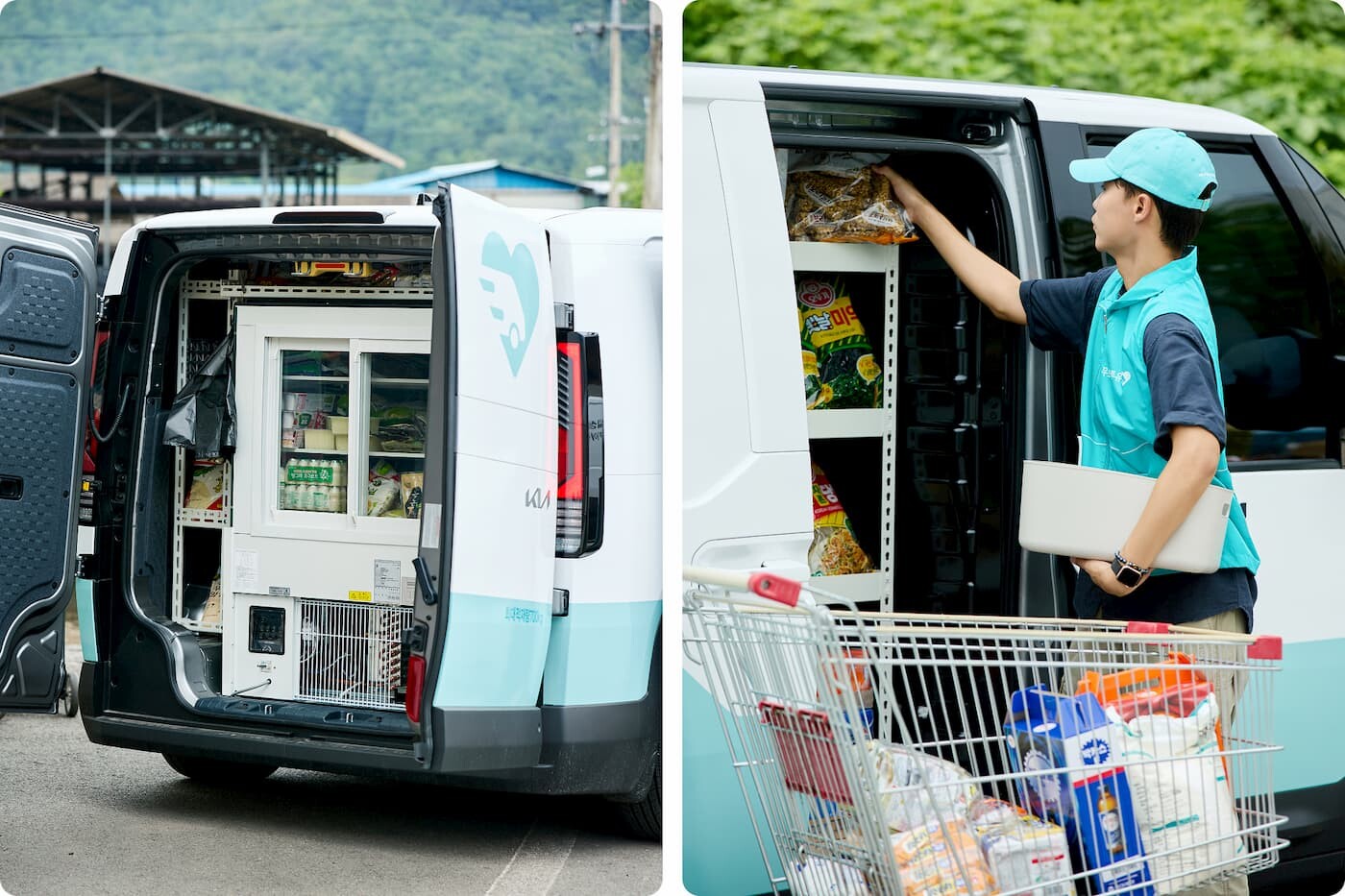
A key focus will be on the development of electric Purpose-Built Vehicles (PBVs), i.e., vehicles whose interiors and structures can be modularly adapted. This involves ‘Easy-Swap’ technology, which enables rapid reconfiguration of vehicle bodies. This allows the same base vehicle for either freight transport or passenger transport, depending on current needs.
In an on-site real-world laboratory, vehicles will be tested in the context of flexible on-demand buses, autonomous shuttles, and remotely controlled Kia PV5 vehicles for mobility-impaired individuals. To collect real-time data and train AI control systems, a fleet of 200 autonomous Hyundai Ioniq 5 vehicles will be deployed in regular urban traffic. The partnership includes joint measures for climate protection and the expansion of renewable energy.
President Song Ho-sung said, “This agreement will serve as an opportunity to accelerate the development and commercialisation of PBV-based future mobility technologies. Kia will contribute to Jeonnam-Gwangju Integrated Special City’s emergence as a leading hub for the future mobility industry in South Korea by building a production system for future vehicles and expanding its PBV business.”