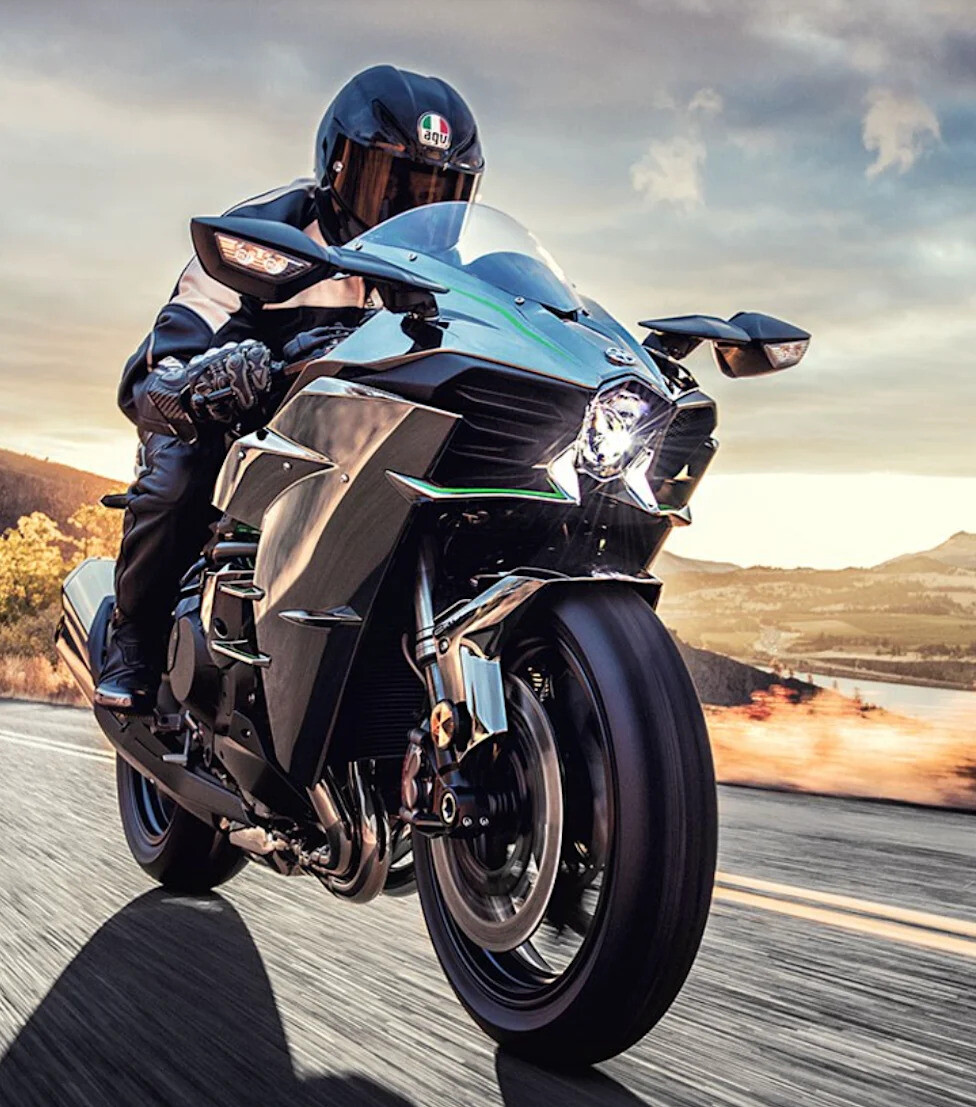
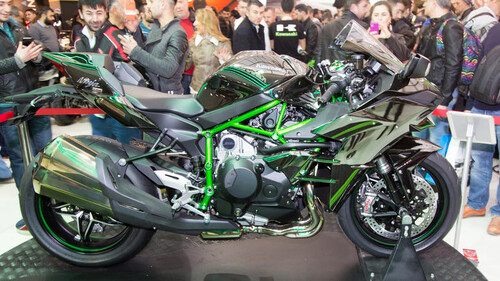
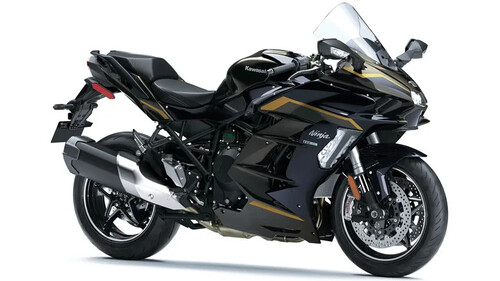
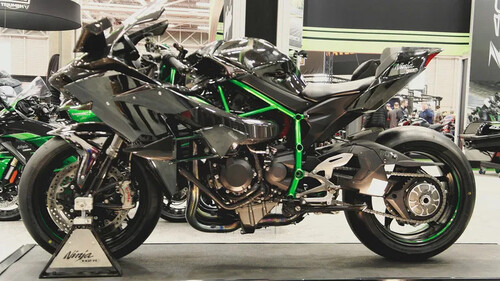
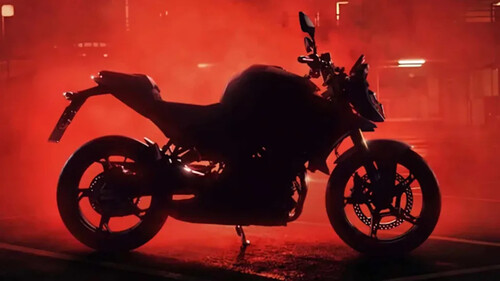
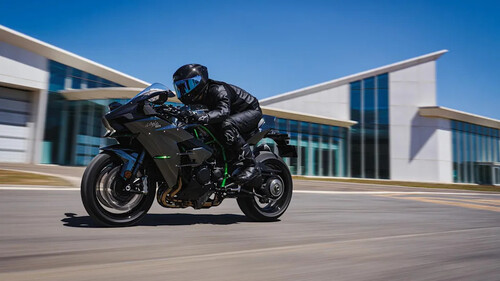
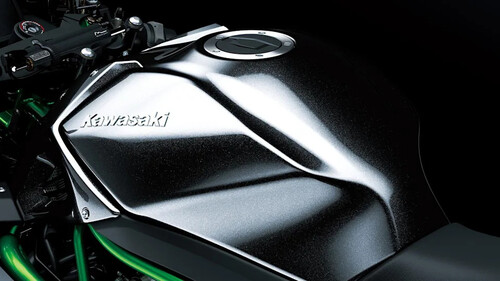
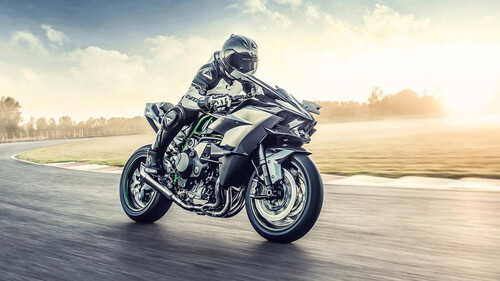
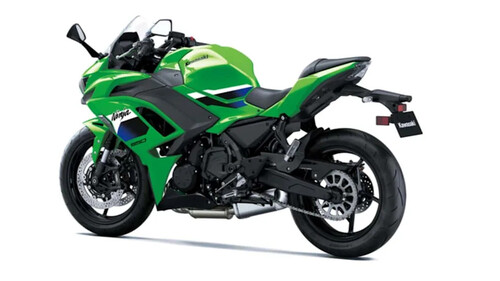
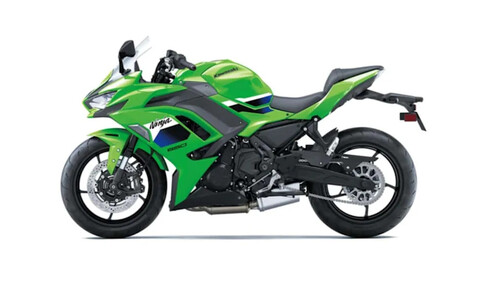
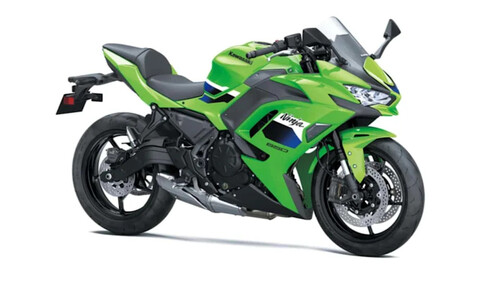
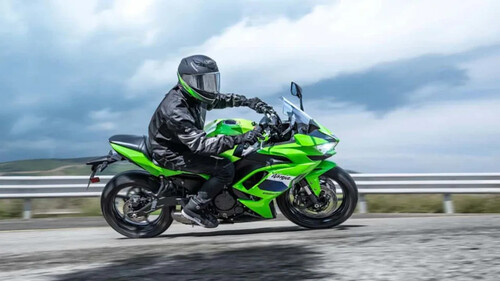
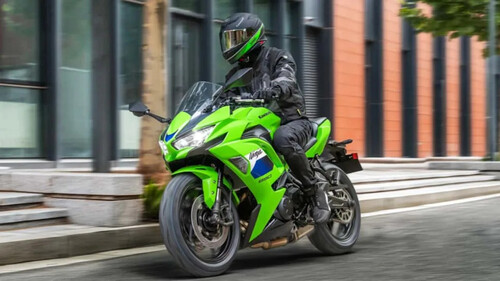
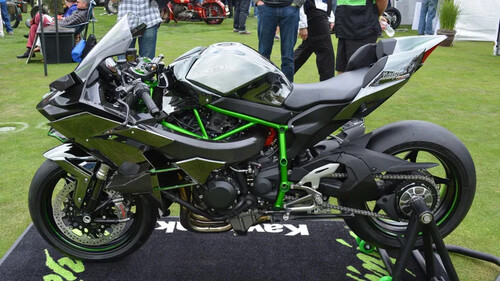
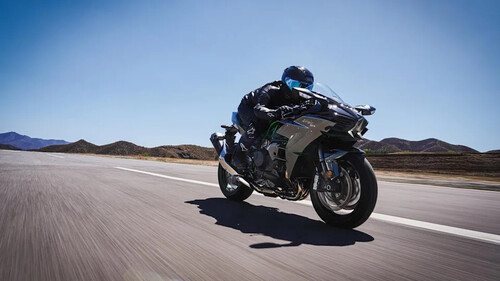
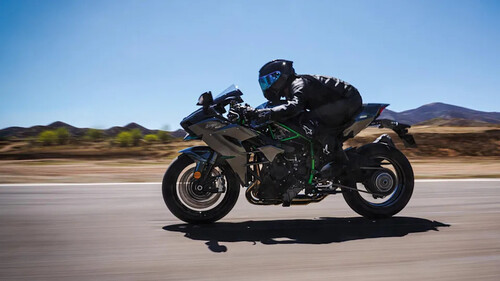
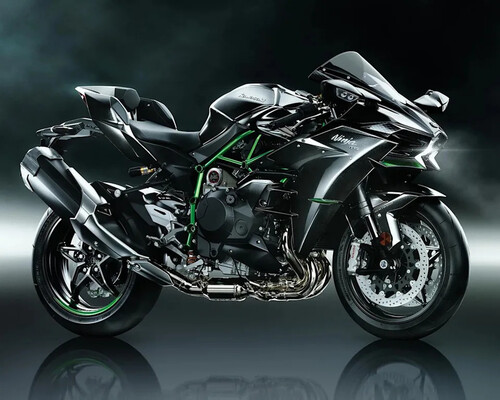
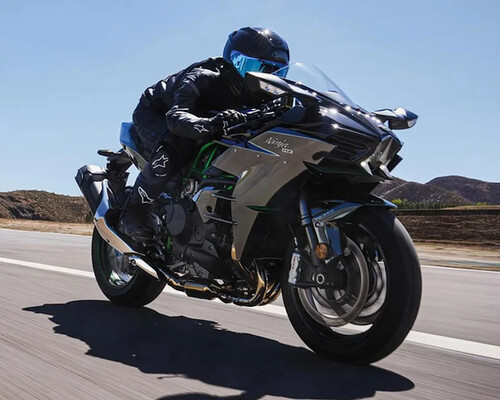
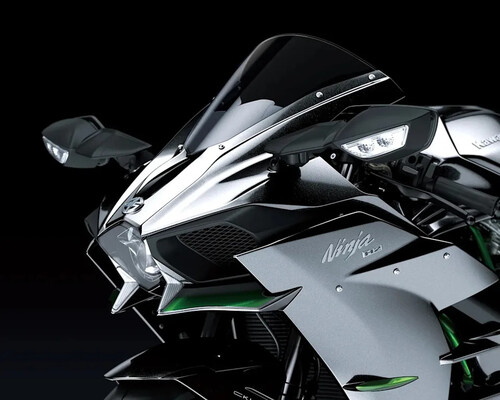
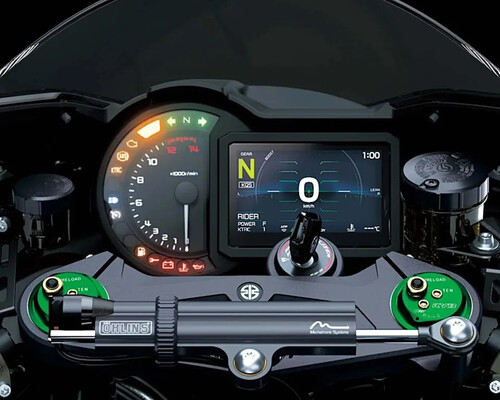
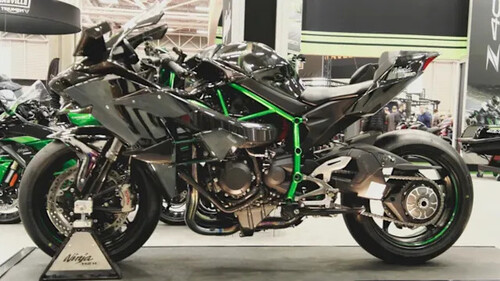
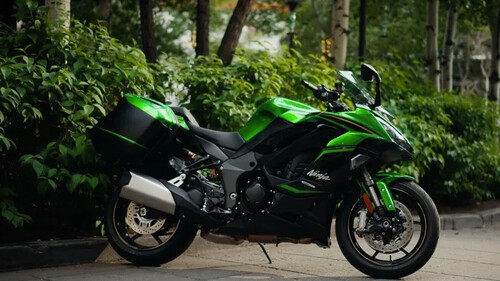
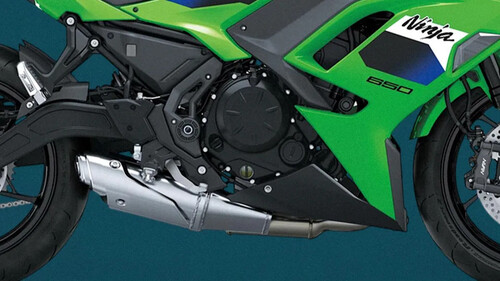
Kawasaki's "Beyond Belief" Clip Points to a Ninja H2 Return in EuropeBackfire NewsEve NowellFri, September 11, 2026 at 7:33 PM UTCAdd us on GoogleKawasaki's "Beyond Belief" Clip Points to a Ninja H2 Return in EuropeKawasaki's newest teaser has no bodywork, no spec sheet and no model name. What it does have is a phrase the company has been milking for more than a decade. The caption on the YouTube short reads A new chapter of "Beyond Belief" begins, tagged #ReturnToBeyondBelief, and the clip lets a supercharged soundtrack do the rest of the talking.If you were paying attention in late 2014, you already know the reference. Kawasaki launched its supercharged Ninjas under the "Built Beyond Belief" banner, which headlined its official H2R film. That November, parent company Kawasaki Heavy Industries used the 2014 Milan show to present the road-going Ninja H2 at 200 PS alongside the track-only H2R at more than 300 PS.This time the operative word is "return." You don't return to a place you never left. And that is the most useful clue in the whole clip.The hole in Kawasaki's European lineupKawasaki hasn't said what it's teasing. Its own website narrows things down anyway.AdvertisementAdvertisementKawasaki Europe's current model range lists exactly one bike under Hypersport: the 2026 Ninja H2R, a machine Kawasaki's U.S. arm sells as a closed-course only hypersport. The road-legal Ninja H2 isn't on the page. The supercharged bikes European riders can actually register are the Z H2, Z H2 SE, Ninja H2 SX and Ninja H2 SX SE, and every one of them is built around what Kawasaki calls its "Balanced Supercharged Engine."So a European buyer can walk into a dealer and order the 300-plus-PS version that can't legally touch a public road, but not the one that can. Only type-approval law produces irony that efficient.Related ArticlesRolls-Royce Stolen in Transit Turns Up in Illinois: The Law Behind the ArrestWatch: Ford Bronco Driver Rams Parked Car Into Yard, Then She Refuses DUI TestAmerica never lost the faired bike. Kawasaki lists the 2026 Ninja H2 ABS at $34,400 plus an $840 destination charge, as a limited-production, special-order machine with reservations that ran from September 2 to October 31, 2025. Kawasaki claims 240 hp at 11,500 rpm, and its fine print notes the figure is measured to ISO 4106 rather than the SAE standard most car buyers know.Same displacement, different animalThis is where the story rewards anyone who reads spec sheets for fun. The European Balanced engine and the U.S.-market H2 engine share 998cc and an identical 76.0 x 55.0 mm bore and stroke. They don't share much else.AdvertisementAdvertisementFigures from Kawasaki's U.S. spec sheet and Kawasaki Europe's Z H2 SE page.That compression gap is the tell. An 8.5:1 engine is designed to swallow boost. Low static compression leaves headroom for the supercharger to cram air in at high rpm without detonation. Kawasaki says its in-house supercharger, developed with help from the group's gas turbine and aerospace divisions, is efficient enough to skip an intercooler entirely. Without an intercooler, charge temperatures climb with boost, which is one more reason a maximum-attack engine wants low compression.The trade-off lands everywhere else. At part throttle, a low-compression engine squeezes less work out of each combustion event, which hurts efficiency and makes clean combustion harder in the low-load, moderate-rpm conditions where emissions testing spends most of its time. The Balanced engine flips the priority. Kawasaki says its tune favors the low-mid range and returns better fuel economy than the company's own Ninja 1000SX and Versys 1000.Meanwhile, Europe raised the bar. Regulation (EU) 2019/129 set out the Euro 5 step for motorcycles, including on-board diagnostics capable of monitoring catalyst performance, targeted for 2025, and the phase-out of a durability shortcut that tested bikes after only 100 km. The practical result shows up in Kawasaki's own accessories list, where a Euro 5+ Akrapovič slip-on for the Z H2 carries its own catalyst plus ECE type approval. When even an aftermarket muffler has to pack a catalytic converter, you can guess how much slack a 240-hp engine gets.What a "return" probably looks likePut the pieces together and the quickest route back into European showrooms is obvious: put the engine Kawasaki has already homologated there into the faired H2 chassis. To be clear, Kawasaki hasn't confirmed that plan, or any plan. The company could have something genuinely new in the crate.AdvertisementAdvertisementBut if the Balanced engine is the answer, the comeback bike would be rated at 200 PS, or roughly 197 hp by our math. That's precisely the figure Kawasaki Heavy Industries announced for the original road-going H2 in 2014. Twelve years of development, and the headline number lands right back where it started.Is that a tragedy? Not on the road. The Z H2 SE's torque peak arrives 2,500 rpm earlier than the H2's, and nobody lives at 11,500 rpm on the way to work. What you'd lose is the bragging-rights number, and let's be honest, the bragging-rights number is a large part of why anyone buys an H2. The supercharger chirp survives either way, and so does the Kawasaki River Mark emblem, which the company reserves for supercharged machines only.As for timing, Kawasaki hasn't named a date. The logical stage is EICMA in Milan, which holds its press days November 3–4 ahead of public days November 5–8. The original H2 debuted at the same show. That's pattern-matching, not a confirmation.What owners and buyers should knowIf you own a 2026 U.S. Ninja H2, keep it stock and keep the paperwork. If Kawasaki moves the faired bike to the Balanced spec, yours could end up as the last of the 240-hp-rated road H2s. That's no guarantee of appreciation, but original exhaust, receipts and the window sticker are what separate a collectible from a used bike.AdvertisementAdvertisementDon't count on "flashing it back." The differences between the two engines are hardware: pistons that set compression, and throttle bodies of different sizes. A reflash and a pipe won't turn a Balanced engine into the old one. In the U.S., the EPA's tampering policy states the prohibitions apply for life regardless of warranty status, and warns that parts altering the OBD system may qualify as illegal defeat devices. Civil penalties run up to $4,527 per tampering event, according to EPA.Related ArticlesMazda's Hiroshima Museum Just Hit Two Million Visitors — And the Pace Says Something InterestingBernie Ecclestone's Shotgun Stop in Portugal Comes Down to One Document He Never CarriesDon't assume a lower rating means a cheaper premium. Ask your insurer how it classes the bike before you buy, and declare every modification in writing. A supercharged flagship with exotic bodywork is still a supercharged flagship with exotic bodywork when it slides down the road.Think about long-term service. A Balanced-spec H2 would share its engine specification with bikes Kawasaki already sells across Europe, which should make parts supply and technician familiarity less of a gamble than on a low-volume, market-specific engine.AdvertisementAdvertisementWatch the paperwork, not the hashtags. In the U.S., EPA's certificate data report updates daily, and a new motorcycle can't be sold in California until CARB issues an Executive Order. When the real 2027 numbers land, they'll land there, or on Kawasaki's own spec pages.Until then, Kawasaki has handed enthusiasts a sound clip and a slogan. The spec sheet will decide whether "Beyond Belief" is a promise or a punchline.Images Via: Kawasaki